




Pepper Spray 101: What It Is, How It Works, and Why It's So Effective
November 12th, 2025
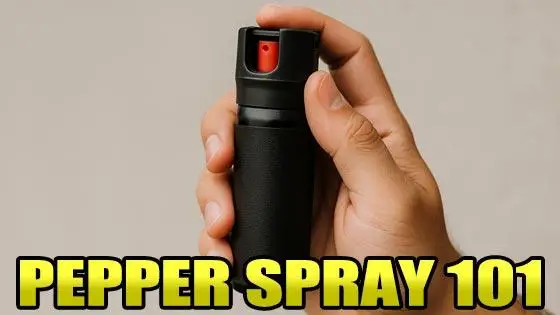
Pepper spray is one of the most widely used self defense tools in the world, but most people only know it as something that burns your eyes and stops an attacker. The truth is more interesting. Pepper spray relies on a natural compound that causes intense, temporary discomfort, giving you a way to create distance, break contact, and get to safety. It is simple to carry, easy to activate, and effective for people of all experience levels, which is why it has become a go to choice for personal protection.
What Pepper Spray Is Made From
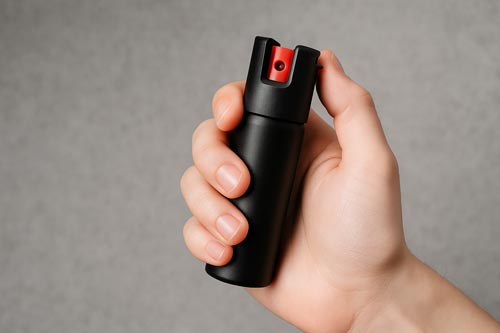
Pepper spray gets its power from a natural compound called oleoresin capsicum. This is the same chemical that gives hot peppers their burn, but in pepper spray it is concentrated to a level that creates an intense, temporary reaction on the skin, eyes, and respiratory system. When released from a canister, the spray hits the air as a fine mist or tight stream that quickly takes effect. The goal is not to injure someone permanently. It is simply to overwhelm the senses long enough for you to break contact and get to safety. Different brands use slightly different formulas and carrier solutions, but they all work off the same basic idea. A concentrated burst of OC can create enough discomfort to stop almost anyone in their tracks.
How Pepper Spray Works on the Body
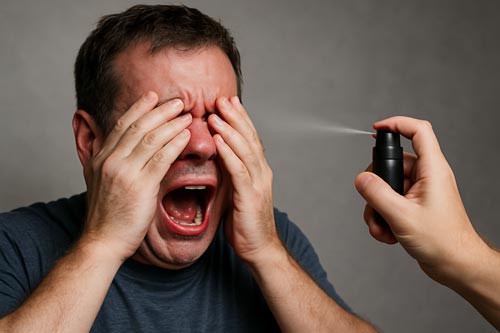
When pepper spray makes contact, the effects start almost instantly. The eyes clamp shut, the skin burns, and breathing becomes difficult as the spray triggers a strong inflammatory response. This reaction is temporary, but it is powerful enough to stop forward movement and disrupt an attacker's ability to focus. Even someone who is determined or under the influence will struggle to push through the discomfort. The intensity lasts for several minutes, which gives you a window to escape and call for help. Once the effects wear off, there is no lasting damage, which is one reason pepper spray remains one of the most widely accepted non lethal tools for personal protection.
Types of Pepper Spray and What They Do
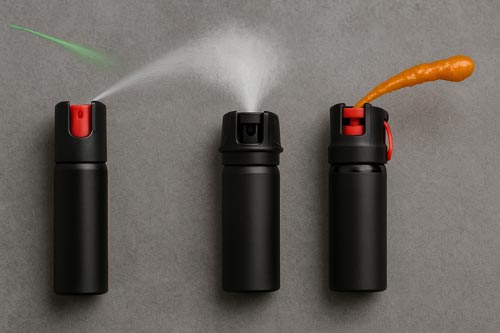
Pepper spray comes in several different formats, and each one performs a little differently when you hit the button. The most common option is a stream spray. This style shoots a narrow line of liquid that travels quickly and stays on target with very little drift. People like stream sprays because they are easier to control outdoors, especially if there is wind or you need precision in a stressful moment. A solid hit from a stream spray delivers a strong dose of OC directly where it needs to go, which makes it a reliable everyday carry option.
Cone and fog sprays work in a different way. Instead of a focused line, they create a wider cloud of OC in the air. You do not have to aim as precisely because the mist covers more space in front of you, which can be helpful if someone is moving quickly or if you are nervous and want something more forgiving. The downside is that these patterns can drift more easily, so they require a little more awareness of wind direction and surroundings. When used in the right conditions, they create a wall of irritation that is extremely hard for anyone to push through.
Gel sprays have become popular for people who want more control and less risk of blowback. The thick gel sticks to the target's face and does not spread as much through the air, which makes it a smart option for indoor environments, crowded areas, or situations where you want the OC to stay contained. Some gels even include UV dye to help identify an attacker later. Between streams, cones, fogs, and gels, there is a style for every comfort level and environment, which is why choosing the right pattern matters just as much as choosing the brand.
How to Carry Pepper Spray the Right Way
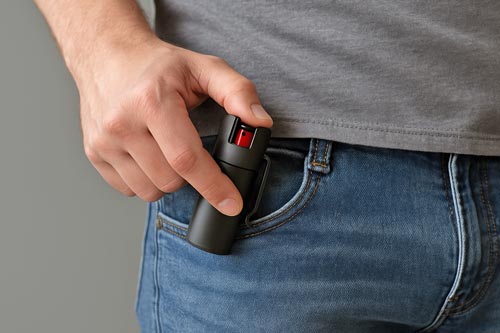
Knowing how to carry pepper spray is just as important as knowing how it works. A lot of people buy a canister, toss it in a purse or backpack, and assume they are prepared. The problem is that pepper spray only helps if you can reach it immediately. If it is buried under keys, snacks, and random gear, you lose precious seconds when it matters most. The safest approach is to keep it somewhere predictable and easy to grab, like a pocket, belt clip, or a fixed spot in your bag. That consistency builds muscle memory, which makes a huge difference when you are under pressure.
Grip also plays a major role in how quickly you can react. Practice holding the canister in a way that feels natural for your hand, with your thumb over the trigger and your fingers wrapped around the body. You do not need to spray anything during practice, but you should get comfortable bringing the canister up, aiming it, and placing your thumb on the actuator. Those small repetitions help eliminate hesitation. When you are confident with your grip and draw, you will be much more prepared if you ever need to use it in real life.
You should also check your canister regularly. Pepper spray has an expiration date, and the pressure inside can drop over time. Give the safety mechanism a quick inspection and make sure there are no cracks or leaks around the nozzle. You are not testing the spray; you are simply making sure the canister is still reliable. Keeping it accessible, maintaining your grip practice, and doing occasional checkups all help ensure your spray is ready when you need it.
Common Mistakes People Make With Pepper Spray
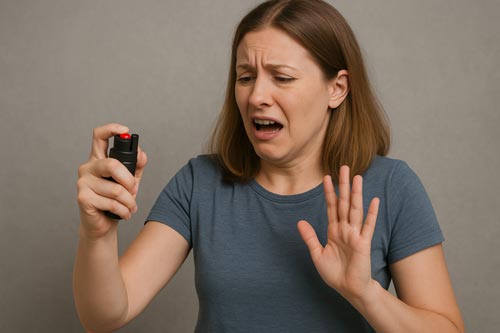
A lot of people assume pepper spray is foolproof, but there are a few mistakes that can reduce its effectiveness if you have never trained with it. The biggest one is forgetting to disengage the safety. Almost every canister has a twist top, flip top, or slider that prevents accidental discharge, and in a stressful moment people sometimes forget to unlock it before trying to spray. If the nozzle does not fire when you expect it to, you lose valuable time. Getting familiar with that motion ahead of time helps you avoid fumbling when it matters most.
Another common issue is spraying from too far away. Most small canisters have an effective range of about eight to twelve feet, depending on the brand and spray pattern. People sometimes expect it to shoot farther, and they end up misting the air instead of hitting the target. Understanding the true reach of your canister helps you avoid wasting spray or creating a cloud that drifts back at you. It is better to know your distance limitations ahead of time instead of guessing in the moment.
The last mistake is failing to consider the wind. Even a mild breeze can redirect a cone or fog pattern, and some of it can blow right back toward you. This is less of a problem with gel sprays or tight stream patterns, but it is still worth thinking about. A quick glance at your surroundings lets you adjust your angle and avoid unnecessary exposure. Pepper spray is extremely effective, but like any tool, it works best when you understand how to use it correctly and avoid these simple errors.
How Heat Ratings Actually Work
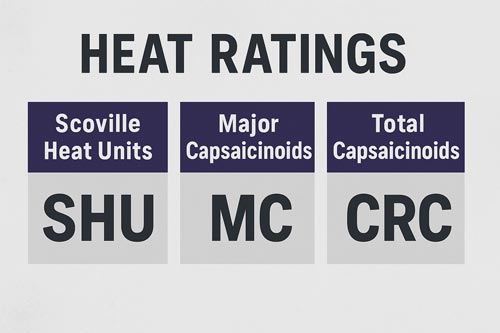
Pepper spray labels can be confusing if you are not familiar with the terminology. Some brands advertise high SHU numbers, others highlight MC percentages, and a few talk about CRC ratings. All of these measurements relate to the strength of the spray, but they are not the same thing. SHU, or Scoville Heat Units, is a measurement of the raw pepper extract before it is processed into a spray. It sounds impressive on a label, but it does not tell you how strong the spray will feel once it is mixed with its carrier base and pressurized inside the canister.
MC, or Major Capsaicinoids, is a more accurate way to understand potency. It measures the actual concentration of the active pepper compounds in the final formula. A spray with a higher MC percentage delivers a more intense burn, even if the SHU number looks lower on paper. This is why some compact canisters hit harder than larger ones. They may not advertise huge Scoville numbers, but the MC level tells you exactly how potent the real-world effect will be when it hits a target.
CRC, or Capsaicin and Related Capsaicinoids, is a measure used by certain regulatory bodies to determine how effective a spray is at causing the intended reaction. It does not appear on every product, but when it does, it helps confirm that the spray meets a recognized standard for stopping power. Understanding the differences between SHU, MC, and CRC helps you look past flashy marketing numbers and focus on what actually matters. The right rating tells you how quickly the spray will take effect and how reliable it will be when you need it most.
Real Situations Where Pepper Spray Helps
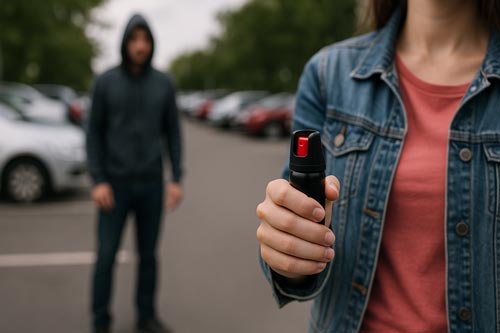
Pepper spray is often thought of as something you carry "just in case," but there are plenty of real situations where it gives everyday people a safe way to create distance and get out of harm's way. One of the most common examples is dealing with someone who is acting aggressively in a parking lot, on a walking trail, or near your home. You may never need to use the spray, but having it ready can make all the difference if someone tries to block your path or closes the distance faster than you expect. In moments like that, a canister gives you an immediate, reliable response that does not require strength or experience.
Pepper spray can also help when a verbal confrontation starts to escalate. Most people who carry spray do not want a fight. They want to stop trouble before it turns into something physical. Simply holding a canister in a ready position is often enough to make someone think twice about pushing further. If the situation does continue to escalate, you have a tool that allows you to defend yourself without putting your hands on the other person. That buffer creates opportunities to move away, call for help, or reach safety while the spray takes effect.
There are also non-human threats to consider. Many people carry pepper spray while walking their dog because it can stop an aggressive animal without causing permanent harm. The same goes for hikers who want extra protection on trails, especially in areas with unpredictable wildlife. The goal is not to injure the animal; it is simply to disrupt the charge or attack long enough for you to get away. No matter the scenario, pepper spray offers a practical solution that works quickly, gives you control, and helps you avoid unnecessary physical contact.
How to Practice With Pepper Spray Safely
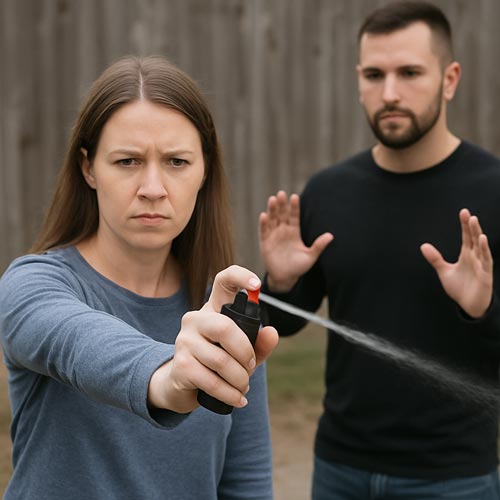
Most people never think about practicing with pepper spray, but a little preparation goes a long way. The goal is not to spray the real OC solution during practice, since that would create an unnecessary mess and possible exposure. Instead, use an inert training canister if you have one, or simply rehearse the motions with your regular spray while keeping the nozzle pointed away from you. Practice drawing it from your pocket, purse, or belt clip until the motion feels smooth and automatic. The more familiar you are with your setup, the faster you will be able to access it during a stressful situation.
You should also practice aiming. Aiming a small canister may feel obvious, but the angle, wrist position, and distance all matter. Stand a few feet away from a safe target like a tree, fence post, or empty cardboard box and rehearse aligning the nozzle with the center of your target. Even without firing, this helps you understand how your hand naturally wants to move and where you may need to adjust your grip. Pepper spray is most effective when you can deliver a quick, controlled burst, so building this muscle memory pays off when seconds count.
It is also smart to rehearse what you will do immediately after spraying. In a real encounter, the goal is to spray, move, and create distance. Practice taking a few steps back, turning your body, or moving toward a safer area right after your simulated spray. This reinforces the idea that pepper spray is not the end of the situation, just the tool that helps you break contact. A brief practice session every so often keeps your reactions sharp and gives you more confidence if you ever need to rely on the spray for real.
Why Pepper Spray Is Still Trusted by Law Enforcement
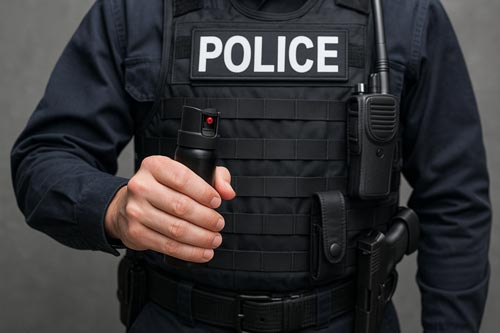
Pepper spray has been around for decades, yet police departments and security professionals continue to rely on it because it consistently works across a wide range of situations. Unlike many defensive tools that require physical strength or specialized training, pepper spray produces predictable results with minimal effort. It temporarily overwhelms the senses, disrupts coordination, and forces a subject to stop advancing. Officers value tools that create distance without escalating to higher levels of force, and pepper spray fits that role better than almost anything else.
Another reason law enforcement trusts pepper spray is its reliability. Modern formulas are stable, consistent, and designed to deliver the same effect every time the nozzle is pressed. Departments often evaluate products based on potency, pattern, and deployment speed, and OC sprays meet those standards with a high degree of accuracy. Even in chaotic conditions, they help officers control a situation long enough to move in, reposition, or call for backup. That kind of dependability matters when things unfold quickly.
Pepper spray is also favored because it tends to minimize long-term injury. Its effects feel intense and overwhelming in the moment, but the discomfort fades within a short period of time once the person is removed from the spray and receives proper decontamination. That combination of stopping power and temporary impact makes it a practical option for professionals who need something effective but not permanently harmful. Its long record of real-world use is one of the reasons civilians continue to trust it for their own personal safety.
Choosing the Right Pepper Spray for Everyday Carry
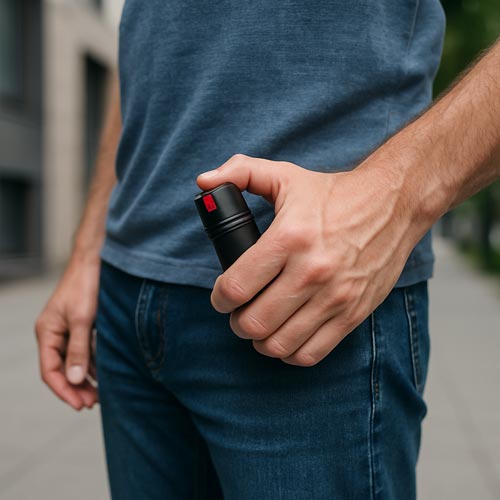
With so many sizes, styles, and spray patterns available, picking the right pepper spray can feel overwhelming. The best choice depends on where you spend most of your time and how you plan to carry it. A compact keychain canister is great for everyday errands because it is always within reach, while a slightly larger unit with a stronger spray pattern might be better for outdoor activities or evening walks. Some people prefer gel for indoor use because it stays contained, while others like stream sprays for windy areas or situations where precision matters. Thinking about your routine helps narrow down which style fits your life the best.
Comfort and confidence matter just as much as spray type. If a canister feels awkward in your hand, or if you struggle to reach the safety mechanism quickly, you will not feel as secure carrying it. Choosing a design that feels natural increases the chances that you will actually have it ready when you need it. The goal is not to find the biggest or most intimidating spray. It is to choose the one you can draw, aim, and deploy without hesitation. Even the strongest spray will not help if it is buried at the bottom of a bag or too bulky to carry comfortably.
If you want to compare different options, take a look at our full selection of pepper sprays. You can find compact keychain models, larger home-defense canisters, gel-based formulas, and everything in between. Browsing different designs makes it easier to understand what each style offers so you can choose a spray that fits your needs and helps you feel prepared wherever you go.
Understanding the Limits of Pepper Spray
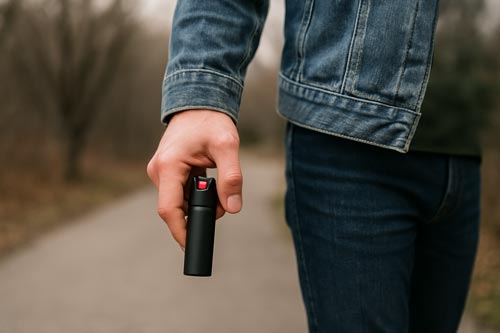
Pepper spray is extremely effective, but it is not magic. It works best when you understand what it can do and where its limitations are. The most important thing to remember is that pepper spray is a tool for creating distance, not for winning a prolonged confrontation. Its job is to stop forward movement long enough for you to get away. If you expect it to instantly drop someone to the ground, you may be disappointed. The effects are intense, but every person reacts differently, especially if they are under the influence of drugs, alcohol, or adrenaline.
Environmental conditions can also affect how well the spray works. Strong wind, heavy rain, or close quarters can change how the spray travels or how much of it lands on the target. A tight stream performs better in windy areas, while fog patterns may struggle outdoors if there is a cross breeze. Indoors, the opposite can be true. A fog or cone pattern may fill the space faster than you expect, and that means you need to be aware of the possibility of blowback. Knowing these limitations helps you avoid surprises and choose the spray style that fits your surroundings.
Pepper spray also has a limited number of bursts before the canister runs out. Many compact units are good for only a few short sprays, which is plenty for most situations but worth keeping in mind. A quick test of the safety mechanism and a habit of checking the expiration date make sure your spray stays dependable. Pepper spray is one of the most practical tools available, but like anything else, it works best when you know exactly what it can and cannot do.
How to Recover After Pepper Spray Exposure
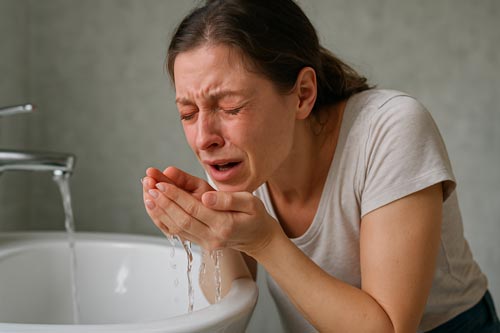
Even though pepper spray is designed to be temporary, the effects feel overwhelming in the moment. Knowing how to recover quickly is helpful for anyone who carries it, since accidental exposure can happen during a windy day, a practice session, or a real confrontation. The first step is simple: move to fresh air. Staying in a confined space allows the irritant to linger, which makes the burning sensation last longer. Getting outdoors or into an open area helps the particles disperse and gives your body a chance to calm down.
Flushing your face with cool water is one of the most effective ways to reduce the discomfort. Do not rub your eyes or skin, because friction spreads the oils and intensifies the burn. Instead, let the water run gently over the affected area and blink repeatedly to help your eyes flush themselves naturally. Some people use mild, oil-cutting soaps to help break down the residue on their skin, but plain running water does most of the work. Pat yourself dry with a clean towel rather than wiping, which keeps the irritation from spreading to new areas.
Breathing may feel tight at first, but the respiratory effects fade quickly once you are no longer in the spray's path. Remaining calm helps your body reset faster. Avoid touching your face until you have fully washed your hands, since even a tiny amount of residue can restart the irritation. Most people recover within 30 to 45 minutes, and the discomfort continues to fade as the oils break down. Understanding the recovery process makes pepper spray less intimidating to carry and prepares you for the rare chance that you ever come into contact with it.
You May Also Be Interested In:
- Pepper Spray vs Stun Gun: Which Is Better for Self Defense?
- Choosing the Best Pepper Spray for Everyday Carry
- Stream vs. Gel: Choosing the Right Pepper Spray for Personal Safety
- Kubaton Weapon: What It Is and How It Works for Self Defense
- Top 5 Self-Defense Weapons for Travelers (What Actually Works on the Road)
- Why Karambit Knives Are So Effective
- Are Throwing Stars Actually Effective Weapons?
- Stun Gun Brass Knuckles: How They Work and Are They Effective?
Leave a Reply