







Stun Guns and Other Stun Weapons
-
 🔍︎ QUICK VIEW
$22.95
🔍︎ QUICK VIEW
$22.95 -
 🔍︎ QUICK VIEW
$149.95
🔍︎ QUICK VIEW
$149.95 -
 🔍︎ QUICK VIEW
$29.95
🔍︎ QUICK VIEW
$29.95 -
 🔍︎ QUICK VIEW
$29.95
🔍︎ QUICK VIEW
$29.95 -
 🔍︎ QUICK VIEW
$24.95
🔍︎ QUICK VIEW
$24.95 -
 🔍︎ QUICK VIEW
$44.95
🔍︎ QUICK VIEW
$44.95 -
 🔍︎ QUICK VIEW
$29.95
🔍︎ QUICK VIEW
$29.95 -
 🔍︎ QUICK VIEW
$32.95
🔍︎ QUICK VIEW
$32.95 -
 🔍︎ QUICK VIEW
$34.95
🔍︎ QUICK VIEW
$34.95 -
 🔍︎ QUICK VIEW
$34.95
🔍︎ QUICK VIEW
$34.95 -
 🔍︎ QUICK VIEW
$27.95
🔍︎ QUICK VIEW
$27.95 -
 🔍︎ QUICK VIEW
$59.95
🔍︎ QUICK VIEW
$59.95 -
 🔍︎ QUICK VIEW
-
 🔍︎ QUICK VIEW
$109.95
🔍︎ QUICK VIEW
$109.95 -
 🔍︎ QUICK VIEW
$32.95
🔍︎ QUICK VIEW
$32.95 -
 🔍︎ QUICK VIEW
$52.95
🔍︎ QUICK VIEW
$52.95 -
 🔍︎ QUICK VIEW
$32.95
🔍︎ QUICK VIEW
$32.95 -
 🔍︎ QUICK VIEW
$39.95
🔍︎ QUICK VIEW
$39.95 -
 🔍︎ QUICK VIEW
$29.95
🔍︎ QUICK VIEW
$29.95 -
 🔍︎ QUICK VIEW
$34.95
🔍︎ QUICK VIEW
$34.95 -
 🔍︎ QUICK VIEW
$32.95
🔍︎ QUICK VIEW
$32.95 -
 🔍︎ QUICK VIEW
$64.95
🔍︎ QUICK VIEW
$64.95 -
 🔍︎ QUICK VIEW
$34.95
🔍︎ QUICK VIEW
$34.95 -
 🔍︎ QUICK VIEW
$26.95
🔍︎ QUICK VIEW
$26.95 -
 🔍︎ QUICK VIEW
$29.95
🔍︎ QUICK VIEW
$29.95 -
 🔍︎ QUICK VIEW
$29.95
🔍︎ QUICK VIEW
$29.95 -
 🔍︎ QUICK VIEW
$29.95
🔍︎ QUICK VIEW
$29.95 -
 🔍︎ QUICK VIEW
$29.95
🔍︎ QUICK VIEW
$29.95 -
 🔍︎ QUICK VIEW
$24.95
🔍︎ QUICK VIEW
$24.95 -
 🔍︎ QUICK VIEW
$69.95
🔍︎ QUICK VIEW
$69.95 -
 🔍︎ QUICK VIEW
$44.95
🔍︎ QUICK VIEW
$44.95 -
 🔍︎ QUICK VIEW
-
 🔍︎ QUICK VIEW
$43.95
🔍︎ QUICK VIEW
$43.95 -
 🔍︎ QUICK VIEW
$43.95
🔍︎ QUICK VIEW
$43.95 -
 🔍︎ QUICK VIEW
$43.95
🔍︎ QUICK VIEW
$43.95
 (1)
(1)Stun Guns and Other Stun Weapons
When it comes to personal protection, one of the most effective and non-lethal tools available is a stun weapon. Whether you're looking for a stun gun, a stun baton, or a disguised stun weapon, Kombativ.com offers a wide variety of self-defense options to help you stay safe in any situation. Our stun guns are designed to give you a powerful defense mechanism, providing enough voltage to temporarily incapacitate an attacker, allowing you to escape and seek safety.
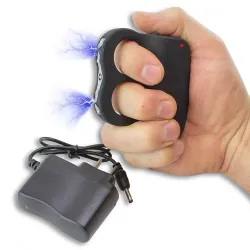
Stun guns have been a trusted self-defense tool for decades, offering an efficient way to protect yourself without causing permanent harm. These devices work by delivering a high-voltage, low-amperage electrical charge that disrupts the nervous system, momentarily immobilizing the attacker. The effects are temporary but can last long enough to give you precious seconds to flee and call for help. Unlike other weapons, stun guns do not cause permanent injuries or leave lasting scars, making them an ideal choice for those who want a non-lethal means of self-defense.
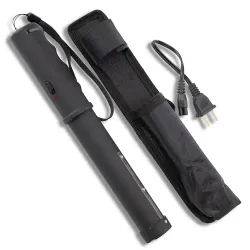
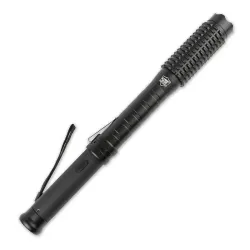
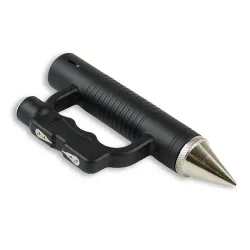
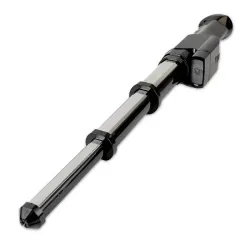
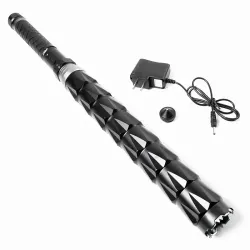
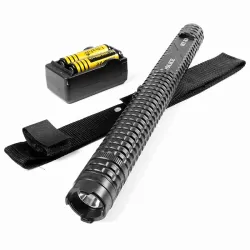
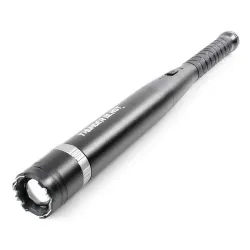
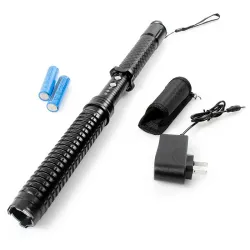
At Kombativ.com, we carry a diverse selection of stun guns, including compact models that can fit easily in your pocket, pen-sized stun guns that resemble everyday writing tools, and keychain stun guns that offer portability with power. Our stun batons are larger in size and deliver even more powerful electrical shocks, making them effective for those who prefer a more substantial weapon for self-defense. These are perfect for individuals who want to create more distance between themselves and an attacker while still delivering a potent deterrent.
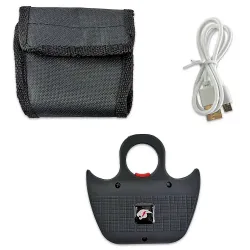
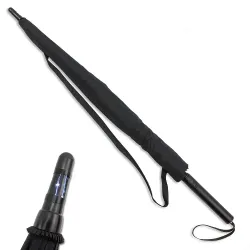
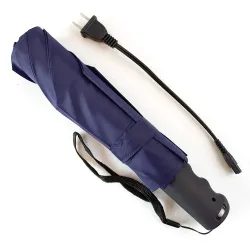
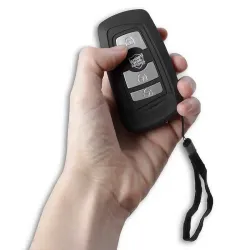
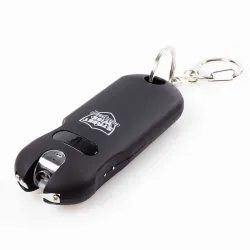
We also offer a range of discreet stun weapons that look like everyday objects. For example, the self-defense stun cane combines the utility of a walking cane with the effectiveness of a stun gun, offering protection in plain sight. Similarly, our umbrella stun gun appears like a normal umbrella but packs a powerful electric punch, making it an ideal option for those who need to carry a weapon without attracting attention. If you're looking for something even more subtle, consider the key fob alarm stun gun or the stun gun pen. Both options are compact, easy to carry, and provide an effective self-defense solution when you need it most.
Stun weapons offer several advantages over other types of self-defense tools. Unlike pepper spray or firearms, stun guns are easy to use, require little training, and are much less likely to cause accidental harm. They also work in close quarters, making them ideal for tight or crowded environments. Whether you're walking to your car at night, navigating a dark alley, or simply want peace of mind knowing you have a reliable self-defense tool in your possession, a stun gun or stun baton from Kombativ.com is the perfect choice.
If you're unsure which stun gun or stun weapon is right for you, our customer service team is available to answer any questions and help guide you toward the best choice. At Kombativ.com, your safety is our priority, and we're here to equip you with the best self-defense products available.
When purchasing a stun gun or any stun weapon, there are several important factors to consider, especially with the variety of designs and models available today, ranging from standard stun guns to disguised versions like stun pens, key fobs, stun canes, and umbrellas. Each type of stun weapon comes with its own advantages and trade-offs, so it's essential to evaluate your specific needs before making a decision.
One of the key aspects to consider is the electrical output, particularly the voltage and amperage of the stun gun. While many models advertise high voltage (sometimes exceeding several million volts), voltage alone does not determine effectiveness. The amperage, or the amount of current, plays a more significant role in ensuring the stun gun's ability to incapacitate an attacker. Many stun guns do not specify their voltage or choose a voltage figure that aligns with similar models in terms of size and style, because manufacturers recognize that it is difficult to test voltage accurately. This doesn't necessarily mean that a stun gun without an advertised voltage is less effective. What matters most is the ability of the stun gun to deliver sufficient amperage to disable a threat.
Another crucial consideration is the size and design of the weapon. Traditional stun guns are compact and easy to carry, but if discretion is a priority, disguised stun weapons may be a better fit. For instance, stun pens and keyfob stun guns are designed to look like everyday items, making them ideal for people seeking a concealed form of self-defense. A stun cane, which combines a mobility aid with a stun gun, offers both practical use and protection, while a stun baton provides extended reach to maintain a safe distance from an attacker. The added reach of a stun baton can be especially valuable for those looking for an effective defense tool without having to engage in close-quarter combat.
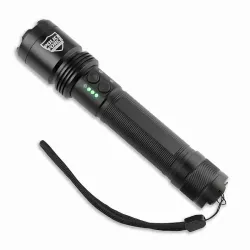
In addition to basic functionality, many stun guns come with additional features that can enhance their usability. Some models include integrated flashlights with multiple settings, such as dim, bright, and strobe options. These settings provide greater versatility, allowing you to use the flashlight as a practical everyday tool, a method of temporarily blinding an assailant, or a way to disorient an attacker in a high-stress situation. The strobe setting, in particular, can be especially useful, as it creates a disorienting effect that can buy you precious time to escape or act.
Another valuable feature to look for is the inclusion of a personal alarm. Many modern stun guns are designed with an integrated alarm that can be triggered when the device is activated. This alarm is loud enough to attract attention and potentially scare off an attacker or summon help in case of an emergency. The combination of a stun gun and personal alarm makes for a particularly effective self-defense tool, as it provides both the immediate ability to incapacitate a threat and the opportunity to alert others to your situation.
Battery life and rechargeability are also key factors to consider. Most stun guns use rechargeable batteries, although some models use disposable ones. Rechargeable batteries are generally more cost-effective over time and are more convenient, especially when they include features such as USB charging ports for easier on-the-go recharging. Be sure to check how long the battery lasts on a full charge, as you'll want a device that can hold a charge long enough to be reliably used in a stressful situation. Some stun guns also feature battery life indicators, which allow you to monitor the charge status and avoid the risk of having a dead battery when you need it most.
When choosing a stun gun, it's also important to consider ease of use. In an emergency, you'll need to be able to deploy your stun gun quickly and effectively. Some models feature safety switches that prevent accidental discharge, while others have buttons or triggers that are designed for quick activation with minimal effort. Disguised stun guns, such as stun pens or umbrellas, should have activation mechanisms that are easy to access without requiring complex actions, allowing you to respond swiftly if needed.
Finally, it's essential to check the legality of the stun gun in your area. Laws surrounding the purchase, possession, and use of stun guns vary from place to place, with some regions having strict regulations or outright bans. Before purchasing, be sure to familiarize yourself with local laws to ensure that the device is legal for use in your area.
Overall, choosing the right stun gun depends on a mix of personal preference, practical needs, and features. Whether you opt for a standard stun gun, a discreet stun pen, a stun cane for added mobility, or a stun baton for reach and distance, it's important to weigh factors such as electrical output, size, additional features, battery life, and ease of use. The best stun gun will be one that provides reliable protection while also offering the features you need to feel confident in your self-defense preparedness.
When it comes to the voltage listed on a stun gun, it's important to understand that the voltage figure provided by manufacturers isn't always an accurate or meaningful measure of the device's effectiveness. Many stun guns advertise high voltage, sometimes reaching several million volts, but this number doesn't always tell the full story about the device's performance. Voltage is just one part of the equation, and a higher voltage doesn't necessarily translate into better incapacitation or more effectiveness.
The primary reason for this is that voltage alone doesn't determine how a stun gun works. The more crucial factor is amperage, or the amount of electrical current the stun gun delivers. Amperage is what causes the stun gun to affect the target's nervous system, potentially incapacitating them. While voltage can provide a "shock" or a "jolt," the amperage is what ensures the current disrupts the body's muscle control and causes the temporary immobilization necessary for self-defense. In many cases, a stun gun with high voltage but low amperage may be less effective than a stun gun with lower voltage but higher amperage.
Another aspect to consider is that voltage is difficult to measure accurately, especially in small, consumer-grade stun guns. The voltage rating provided by manufacturers is often a theoretical number, representing the maximum voltage the device is capable of delivering. However, the voltage can vary depending on the device's battery, circuitry, and how the stun gun is used. Manufacturers often choose a voltage figure that is in line with other stun guns of similar size and design rather than providing an exact measurement based on scientific testing. This can lead to some confusion, as many consumers may mistakenly believe that higher voltage automatically makes a stun gun more powerful.
Additionally, many stun gun models do not even advertise their voltage because of these challenges in measuring and testing it. Instead, manufacturers focus on other aspects of the device, such as ease of use, battery life, and additional features, which contribute more directly to the user's experience. Just because a stun gun doesn't list a specific voltage does not mean it's less effective. In fact, many high-quality stun guns that perform well in real-world scenarios may not focus on boasting about their voltage at all.
It's also worth mentioning that advertising high voltage is often more of a marketing tactic than a true indicator of performance. Consumers may be drawn to the notion of a stun gun with several million volts, but that figure can be misleading. Effective stun guns rely more on the balance of voltage, amperage, and overall design rather than focusing solely on a high voltage rating.
In short, the voltage on a stun gun can give you some idea of its capabilities, but it's not the most important factor to consider when evaluating a stun gun's performance. The amperage, ease of use, additional features like flashlights or alarms, and other factors such as battery life are just as, if not more, important. When shopping for a stun gun, it's best to focus on overall quality and functionality rather than getting fixated on the voltage number.
When it comes to using a stun gun for self-defense, it's important to know the most effective areas of the body to target. A stun gun works by delivering an electrical charge that disrupts the body's nervous system, temporarily incapacitating the attacker. The effectiveness of the stun largely depends on where the device makes contact with the body, so knowing the best areas to aim for can make all the difference in a dangerous situation.
The most effective places to use a stun gun on an attacker are areas where the body has a high concentration of nerves and where the electrical charge can have the most immediate effect. These areas include:
Disclaimer: It is important to note that using a stun gun should always be considered a last resort for self-defense and used in accordance with local laws and regulations. The intention should always be to protect yourself and escape from a threatening situation, not to cause permanent harm. Always aim for areas that can incapacitate without causing undue injury, and avoid targeting vital organs or sensitive areas that could lead to serious harm. Make sure to check the laws in your jurisdiction regarding the use of stun guns, as the legality of carrying or using these devices varies by location.
Remember, the goal of using a stun gun is to create an opportunity for you to escape and seek help. Avoid engaging in prolonged physical confrontation, and if possible, always prioritize finding a safe space and alerting authorities as soon as possible. The information provided here is intended for self-defense education purposes only, and no one should use a stun gun recklessly or without understanding the risks involved. Always exercise caution and responsibility when using any self-defense tool.
Laws around stun guns and other electroshock devices vary widely by country, state, and even city. Some places treat stun weapons like ordinary self-defense tools you can buy and carry without a permit. Other jurisdictions restrict possession, require a permit or license, limit the types you can own, or ban them entirely. Because rules change and local ordinances can be strict, it's important to verify the rules that apply where you live and where you plan to travel.
Start by checking official sources. Look up your state or local government code online and search for terms like "electrical weapon," "stun gun," "conducted energy device," or "electroshock device." Many state legislature sites and municipal codes are searchable and will show current statutes and any recent amendments. If the language is unclear, call your local police nonemergency line and ask which statutes govern possession and carry of stun weapons in your city or county.
Consider how the law defines possession versus use. Some places allow ownership in your home but prohibit carrying in public. Others prohibit certain disguised models such as pen or umbrella stun guns. There can also be rules about where you may carry (for example, schools, courthouses, and some public buildings are commonly restricted) and whether you must store the device unloaded or with safety measures when not in use.
If you travel, research each jurisdiction you will enter. Laws frequently differ between states and countries, and crossing a state line or international border with a stun weapon can expose you to criminal charges even if the device is legal where you started. Airlines and transit agencies also have strict prohibitions against carrying stun devices on aircraft.
Most modern stun guns use built-in rechargeable batteries with USB ports or included chargers; fully charge before first use and recharge periodically so the device is ready when needed. Test the unit briefly every few months, keep the electrode contacts clean and dry, avoid exposing the device to extreme heat or moisture, and follow the manufacturer's maintenance and storage instructions to preserve battery life and reliability.
How Stun Guns Work
Stun guns have been a trusted self-defense tool for decades, offering an efficient way to protect yourself without causing permanent harm. These devices work by delivering a high-voltage, low-amperage electrical charge that disrupts the nervous system, momentarily immobilizing the attacker. The effects are temporary but can last long enough to give you precious seconds to flee and call for help. Unlike other weapons, stun guns do not cause permanent injuries or leave lasting scars, making them an ideal choice for those who want a non-lethal means of self-defense.
Stun Guns and Stun Batons for Every Need
At Kombativ.com, we carry a diverse selection of stun guns, including compact models that can fit easily in your pocket, pen-sized stun guns that resemble everyday writing tools, and keychain stun guns that offer portability with power. Our stun batons are larger in size and deliver even more powerful electrical shocks, making them effective for those who prefer a more substantial weapon for self-defense. These are perfect for individuals who want to create more distance between themselves and an attacker while still delivering a potent deterrent.
Disguised and Everyday Stun Weapons
We also offer a range of discreet stun weapons that look like everyday objects. For example, the self-defense stun cane combines the utility of a walking cane with the effectiveness of a stun gun, offering protection in plain sight. Similarly, our umbrella stun gun appears like a normal umbrella but packs a powerful electric punch, making it an ideal option for those who need to carry a weapon without attracting attention. If you're looking for something even more subtle, consider the key fob alarm stun gun or the stun gun pen. Both options are compact, easy to carry, and provide an effective self-defense solution when you need it most.
Why Choose a Stun Weapon for Self-Defense?
Stun weapons offer several advantages over other types of self-defense tools. Unlike pepper spray or firearms, stun guns are easy to use, require little training, and are much less likely to cause accidental harm. They also work in close quarters, making them ideal for tight or crowded environments. Whether you're walking to your car at night, navigating a dark alley, or simply want peace of mind knowing you have a reliable self-defense tool in your possession, a stun gun or stun baton from Kombativ.com is the perfect choice.
Finding the Right Stun Weapon
If you're unsure which stun gun or stun weapon is right for you, our customer service team is available to answer any questions and help guide you toward the best choice. At Kombativ.com, your safety is our priority, and we're here to equip you with the best self-defense products available.
What should I look for when buying a stun gun?
When purchasing a stun gun or any stun weapon, there are several important factors to consider, especially with the variety of designs and models available today, ranging from standard stun guns to disguised versions like stun pens, key fobs, stun canes, and umbrellas. Each type of stun weapon comes with its own advantages and trade-offs, so it's essential to evaluate your specific needs before making a decision.
Understanding Electrical Output
One of the key aspects to consider is the electrical output, particularly the voltage and amperage of the stun gun. While many models advertise high voltage (sometimes exceeding several million volts), voltage alone does not determine effectiveness. The amperage, or the amount of current, plays a more significant role in ensuring the stun gun's ability to incapacitate an attacker. Many stun guns do not specify their voltage or choose a voltage figure that aligns with similar models in terms of size and style, because manufacturers recognize that it is difficult to test voltage accurately. This doesn't necessarily mean that a stun gun without an advertised voltage is less effective. What matters most is the ability of the stun gun to deliver sufficient amperage to disable a threat.
Choosing the Right Size and Style
Another crucial consideration is the size and design of the weapon. Traditional stun guns are compact and easy to carry, but if discretion is a priority, disguised stun weapons may be a better fit. For instance, stun pens and keyfob stun guns are designed to look like everyday items, making them ideal for people seeking a concealed form of self-defense. A stun cane, which combines a mobility aid with a stun gun, offers both practical use and protection, while a stun baton provides extended reach to maintain a safe distance from an attacker. The added reach of a stun baton can be especially valuable for those looking for an effective defense tool without having to engage in close-quarter combat.
Helpful Built-In Features
In addition to basic functionality, many stun guns come with additional features that can enhance their usability. Some models include integrated flashlights with multiple settings, such as dim, bright, and strobe options. These settings provide greater versatility, allowing you to use the flashlight as a practical everyday tool, a method of temporarily blinding an assailant, or a way to disorient an attacker in a high-stress situation. The strobe setting, in particular, can be especially useful, as it creates a disorienting effect that can buy you precious time to escape or act.
Personal Alarms and Added Deterrence
Another valuable feature to look for is the inclusion of a personal alarm. Many modern stun guns are designed with an integrated alarm that can be triggered when the device is activated. This alarm is loud enough to attract attention and potentially scare off an attacker or summon help in case of an emergency. The combination of a stun gun and personal alarm makes for a particularly effective self-defense tool, as it provides both the immediate ability to incapacitate a threat and the opportunity to alert others to your situation.
Battery Life and Charging Options
Battery life and rechargeability are also key factors to consider. Most stun guns use rechargeable batteries, although some models use disposable ones. Rechargeable batteries are generally more cost-effective over time and are more convenient, especially when they include features such as USB charging ports for easier on-the-go recharging. Be sure to check how long the battery lasts on a full charge, as you'll want a device that can hold a charge long enough to be reliably used in a stressful situation. Some stun guns also feature battery life indicators, which allow you to monitor the charge status and avoid the risk of having a dead battery when you need it most.
Ease of Use in High-Stress Situations
When choosing a stun gun, it's also important to consider ease of use. In an emergency, you'll need to be able to deploy your stun gun quickly and effectively. Some models feature safety switches that prevent accidental discharge, while others have buttons or triggers that are designed for quick activation with minimal effort. Disguised stun guns, such as stun pens or umbrellas, should have activation mechanisms that are easy to access without requiring complex actions, allowing you to respond swiftly if needed.
Know the Laws in Your Area
Finally, it's essential to check the legality of the stun gun in your area. Laws surrounding the purchase, possession, and use of stun guns vary from place to place, with some regions having strict regulations or outright bans. Before purchasing, be sure to familiarize yourself with local laws to ensure that the device is legal for use in your area.
Putting It All Together
Overall, choosing the right stun gun depends on a mix of personal preference, practical needs, and features. Whether you opt for a standard stun gun, a discreet stun pen, a stun cane for added mobility, or a stun baton for reach and distance, it's important to weigh factors such as electrical output, size, additional features, battery life, and ease of use. The best stun gun will be one that provides reliable protection while also offering the features you need to feel confident in your self-defense preparedness.
Is the voltage accurate on a stun gun?
When it comes to the voltage listed on a stun gun, it's important to understand that the voltage figure provided by manufacturers isn't always an accurate or meaningful measure of the device's effectiveness. Many stun guns advertise high voltage, sometimes reaching several million volts, but this number doesn't always tell the full story about the device's performance. Voltage is just one part of the equation, and a higher voltage doesn't necessarily translate into better incapacitation or more effectiveness.
The primary reason for this is that voltage alone doesn't determine how a stun gun works. The more crucial factor is amperage, or the amount of electrical current the stun gun delivers. Amperage is what causes the stun gun to affect the target's nervous system, potentially incapacitating them. While voltage can provide a "shock" or a "jolt," the amperage is what ensures the current disrupts the body's muscle control and causes the temporary immobilization necessary for self-defense. In many cases, a stun gun with high voltage but low amperage may be less effective than a stun gun with lower voltage but higher amperage.
Another aspect to consider is that voltage is difficult to measure accurately, especially in small, consumer-grade stun guns. The voltage rating provided by manufacturers is often a theoretical number, representing the maximum voltage the device is capable of delivering. However, the voltage can vary depending on the device's battery, circuitry, and how the stun gun is used. Manufacturers often choose a voltage figure that is in line with other stun guns of similar size and design rather than providing an exact measurement based on scientific testing. This can lead to some confusion, as many consumers may mistakenly believe that higher voltage automatically makes a stun gun more powerful.
Additionally, many stun gun models do not even advertise their voltage because of these challenges in measuring and testing it. Instead, manufacturers focus on other aspects of the device, such as ease of use, battery life, and additional features, which contribute more directly to the user's experience. Just because a stun gun doesn't list a specific voltage does not mean it's less effective. In fact, many high-quality stun guns that perform well in real-world scenarios may not focus on boasting about their voltage at all.
It's also worth mentioning that advertising high voltage is often more of a marketing tactic than a true indicator of performance. Consumers may be drawn to the notion of a stun gun with several million volts, but that figure can be misleading. Effective stun guns rely more on the balance of voltage, amperage, and overall design rather than focusing solely on a high voltage rating.
In short, the voltage on a stun gun can give you some idea of its capabilities, but it's not the most important factor to consider when evaluating a stun gun's performance. The amperage, ease of use, additional features like flashlights or alarms, and other factors such as battery life are just as, if not more, important. When shopping for a stun gun, it's best to focus on overall quality and functionality rather than getting fixated on the voltage number.
What are the best places to use a stun gun on an attacker?
When it comes to using a stun gun for self-defense, it's important to know the most effective areas of the body to target. A stun gun works by delivering an electrical charge that disrupts the body's nervous system, temporarily incapacitating the attacker. The effectiveness of the stun largely depends on where the device makes contact with the body, so knowing the best areas to aim for can make all the difference in a dangerous situation.
The most effective places to use a stun gun on an attacker are areas where the body has a high concentration of nerves and where the electrical charge can have the most immediate effect. These areas include:
- The chest and torso: The chest, specifically around the center of the body, is a vulnerable area to target because it houses major muscle groups and nerves that control much of the body's movement. A well-placed stun in the center of the chest can cause an immediate loss of balance, making it harder for the attacker to continue their assault. This area is also where the electrical current can travel quickly through the body, affecting the nervous system and causing temporary paralysis or weakness.
- The neck: The neck is another area that is highly sensitive and critical for controlling bodily movement. A stun applied here can disrupt the nerves that control muscle coordination and balance, which may lead to the attacker temporarily losing their ability to move or maintain a stable posture. However, using a stun gun on the neck should be approached with caution, as it is a sensitive area, and too much force could cause unintended injury. Aim for the sides of the neck rather than the front to avoid damage to vital structures like the windpipe.
- The thighs: The legs, particularly the upper thighs, are areas with large muscle groups and a high concentration of nerves. Targeting the thighs can effectively disable an attacker's ability to move, especially if they are trying to close the distance or chase after you. A stun to the thigh can cause muscle contraction and loss of coordination, temporarily rendering the attacker immobile.
- The upper arms: The upper arms are another effective target because they contain large muscles that control movement. A stun in this area can cause a significant disruption in the attacker's ability to use their arms for striking, grabbing, or holding onto you, potentially giving you the upper hand in defending yourself.
- The stomach or abdomen: The stomach area is also a viable target, especially if the attacker is close to you. A stun in this area can cause a sudden shock to the body's central nervous system, which can result in muscle spasms, loss of breath, and temporary incapacitation. This can give you an opportunity to escape or gain control of the situation.
Disclaimer: It is important to note that using a stun gun should always be considered a last resort for self-defense and used in accordance with local laws and regulations. The intention should always be to protect yourself and escape from a threatening situation, not to cause permanent harm. Always aim for areas that can incapacitate without causing undue injury, and avoid targeting vital organs or sensitive areas that could lead to serious harm. Make sure to check the laws in your jurisdiction regarding the use of stun guns, as the legality of carrying or using these devices varies by location.
Remember, the goal of using a stun gun is to create an opportunity for you to escape and seek help. Avoid engaging in prolonged physical confrontation, and if possible, always prioritize finding a safe space and alerting authorities as soon as possible. The information provided here is intended for self-defense education purposes only, and no one should use a stun gun recklessly or without understanding the risks involved. Always exercise caution and responsibility when using any self-defense tool.
Are Stun Guns Legal Where I Live?
Laws around stun guns and other electroshock devices vary widely by country, state, and even city. Some places treat stun weapons like ordinary self-defense tools you can buy and carry without a permit. Other jurisdictions restrict possession, require a permit or license, limit the types you can own, or ban them entirely. Because rules change and local ordinances can be strict, it's important to verify the rules that apply where you live and where you plan to travel.
Start by checking official sources. Look up your state or local government code online and search for terms like "electrical weapon," "stun gun," "conducted energy device," or "electroshock device." Many state legislature sites and municipal codes are searchable and will show current statutes and any recent amendments. If the language is unclear, call your local police nonemergency line and ask which statutes govern possession and carry of stun weapons in your city or county.
Consider how the law defines possession versus use. Some places allow ownership in your home but prohibit carrying in public. Others prohibit certain disguised models such as pen or umbrella stun guns. There can also be rules about where you may carry (for example, schools, courthouses, and some public buildings are commonly restricted) and whether you must store the device unloaded or with safety measures when not in use.
If you travel, research each jurisdiction you will enter. Laws frequently differ between states and countries, and crossing a state line or international border with a stun weapon can expose you to criminal charges even if the device is legal where you started. Airlines and transit agencies also have strict prohibitions against carrying stun devices on aircraft.
How Do I Charge and Maintain a Stun Gun?
Most modern stun guns use built-in rechargeable batteries with USB ports or included chargers; fully charge before first use and recharge periodically so the device is ready when needed. Test the unit briefly every few months, keep the electrode contacts clean and dry, avoid exposing the device to extreme heat or moisture, and follow the manufacturer's maintenance and storage instructions to preserve battery life and reliability.