





Throwing Knives, Kunai and Throwing Cards
-
 🔍︎ QUICK VIEW
-
 🔍︎ QUICK VIEW
$32.95
🔍︎ QUICK VIEW
$32.95 -
 🔍︎ QUICK VIEW
$22.95
🔍︎ QUICK VIEW
$22.95 -
 🔍︎ QUICK VIEW
-
 🔍︎ QUICK VIEW
-
 🔍︎ QUICK VIEW
$19.95
🔍︎ QUICK VIEW
$19.95 -
 🔍︎ QUICK VIEW
$19.95
🔍︎ QUICK VIEW
$19.95 -
 🔍︎ QUICK VIEW
-
 🔍︎ QUICK VIEW
-
 🔍︎ QUICK VIEW
-
 🔍︎ QUICK VIEW
$32.95
🔍︎ QUICK VIEW
$32.95 -
 🔍︎ QUICK VIEW
-
 🔍︎ QUICK VIEW
-
 🔍︎ QUICK VIEW
-
 🔍︎ QUICK VIEW
$24.95
🔍︎ QUICK VIEW
$24.95 -
 🔍︎ QUICK VIEW
-
 🔍︎ QUICK VIEW
$29.95
🔍︎ QUICK VIEW
$29.95 -
 🔍︎ QUICK VIEW
$29.95
🔍︎ QUICK VIEW
$29.95 -
 🔍︎ QUICK VIEW
$24.95
🔍︎ QUICK VIEW
$24.95 -
 🔍︎ QUICK VIEW
$23.95
🔍︎ QUICK VIEW
$23.95 -
 🔍︎ QUICK VIEW
$34.95
🔍︎ QUICK VIEW
$34.95 -
 🔍︎ QUICK VIEW
$13.95
🔍︎ QUICK VIEW
$13.95 -
 🔍︎ QUICK VIEW
$19.95
🔍︎ QUICK VIEW
$19.95 -
 🔍︎ QUICK VIEW
$34.95
🔍︎ QUICK VIEW
$34.95 -
 🔍︎ QUICK VIEW
$29.95
🔍︎ QUICK VIEW
$29.95 -
 🔍︎ QUICK VIEW
$24.95
🔍︎ QUICK VIEW
$24.95 -
 🔍︎ QUICK VIEW
-
 🔍︎ QUICK VIEW
 (1)
(1)Throwing Knives, Kunai and Throwing Cards
Throwing knives have captivated people for centuries, combining skill, precision, and style into a thrilling form of martial practice, sport, and entertainment. At Kombativ.com, we offer an extensive collection of throwing knives and kunai knives that appeal to beginners and experienced throwers alike. Whether you're sharpening your aim for a competitive match, seeking a new backyard hobby, or adding an intimidating piece to your tactical gear, our selection of popular throwing weapons has you covered.
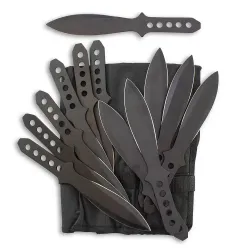
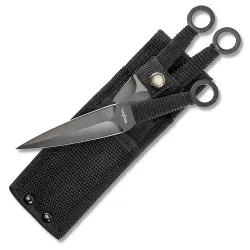
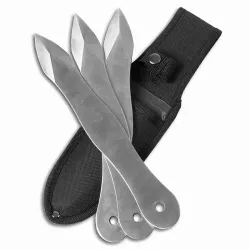
Unlike standard utility or combat knives, throwing knives are purpose-built for aerodynamics and balance. These blades are often symmetrical, allowing them to rotate smoothly through the air and stick cleanly into wooden targets. Throwing knives are generally constructed with durable stainless steel or high carbon steel to withstand the repeated impact of target practice. Many sets feature wrapped handles for enhanced grip and comfort, while others come unwrapped for a minimalist feel that some throwers prefer.
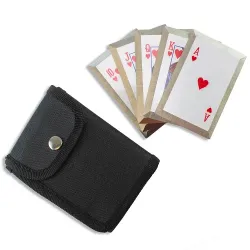
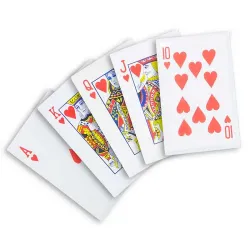
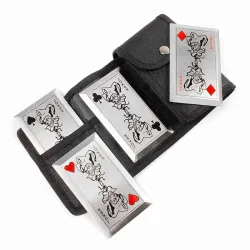
The designs of throwing knives are as diverse as the techniques used to wield them. Some knives are weighted at the handle for rotational throws, while others are center-balanced for no-spin styles. You'll find everything from long, needle-like darts to shorter, thicker blades that offer heft and control. Throwing cards, a flat and stealthy alternative, provide a completely different experience - ideal for those who enjoy fast throws and unique, flashy movements. At Kombativ, we cater to all styles with our curated selection of throwing blades and accessories.
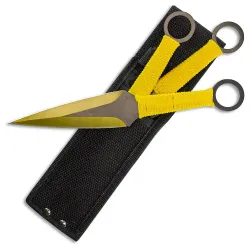
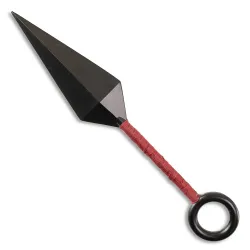
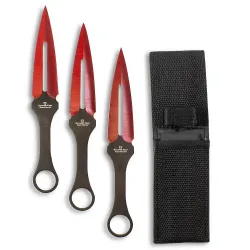
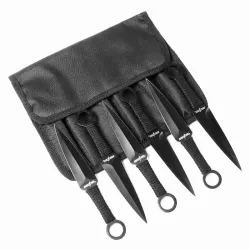
One of the most popular styles of throwing knives is the kunai. A kunai knife is traditionally a Japanese tool with a pointed spear-tip blade and a ring pommel at the end of the handle. While they were originally used as masonry and gardening tools by the working class in feudal Japan, kunai knives have become closely associated with ninjutsu and martial arts due to their use in self-defense and climbing. Today, kunai knives are known for their distinct design, which includes a sturdy blade, wrapped grip, and circular ring ideal for twirling tricks or tying cord for utility use. In popular culture, especially anime and video games, kunai are depicted as versatile and lethal weapons, contributing to their global popularity.
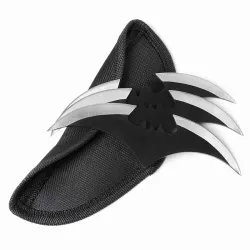
Our collection of kunai includes traditional designs as well as modern interpretations, some with sharpened edges for throwing and others with dulled sides for safer training. Whether you're a collector, cosplayer, or a practical martial artist, kunai offer both aesthetic appeal and functional performance. For those wanting to explore historical weaponry or simply enjoy the feel of a classic throwing knife, a kunai knife set is a must-have addition.
The art of throwing knives spans many cultures. In Africa, for example, tribes developed throwing knives with elaborate multi-blade designs for combat and ceremony. In Europe, knife throwing has long been a staple of circus acts and target-based competitions. American and military-style throwers typically favor straightforward, practical designs built for efficiency and speed. Whatever your background or interest, throwing knives invite you into a world where hand-eye coordination and focus are rewarded with satisfying results - and maybe even a stuck bullseye.
Knife throwing is also a fantastic activity for bonding with friends and family. Set up a safe throwing target in your backyard, and you'll have hours of engaging entertainment. Many people find knife throwing to be surprisingly meditative, offering a stress-relieving practice that sharpens the mind and steadies the hand. Throwing knife sets also make excellent gifts for martial arts enthusiasts, outdoor adventurers, or anyone who enjoys mastering a new skill.
At Kombativ.com, we take pride in offering high-quality throwing knives and kunai that blend function, durability, and style. Whether you're shopping for a full throwing knife set, looking for collectible kunai, or want to try your hand with throwing cards, our curated selection is crafted to meet your needs. We're constantly updating our inventory with unique designs and sets to help you build your collection and improve your skills.
Before purchasing, we strongly encourage you to check your local laws regarding throwing knives, kunai knives, and related gear. While these tools are exciting and useful, certain regions have restrictions on ownership or use. Safety and responsibility are just as important as fun and skill.
Learning how to throw a knife is a rewarding journey that blends technique with instinct. There are several popular methods to get started, depending on your goals and the style of knives you use.
1. Rotational Throw:
This is the most common knife throwing technique. The goal is to have the knife rotate one or more times in the air before sticking point-first into the target. To perform a basic rotational throw, grip the knife by the handle (or sometimes by the blade for a reverse throw), stand about 8-10 feet from your target, and throw with a firm wrist and arm motion. Mastery involves adjusting your distance and grip to ensure the knife completes a full rotation and lands tip-first.
2. No-Spin Throw:
Favored by many tactical throwers, the no-spin technique allows the knife to fly straight without rotation. This requires precise grip and release timing. Typically, you grip the knife by the blade and let it roll off your fingers with a flick of your wrist. This method is more difficult to learn but allows for greater accuracy at close range.
3. Half-Spin Throw:
As the name implies, this style involves just half a rotation before the knife hits the target. It's a versatile technique useful at medium distances and can be a good bridge between no-spin and full-spin throwing.
4. Instinctive Throwing:
Some expert throwers rely on muscle memory and instinct rather than rigid technique. This style involves fluid, natural motion and requires a lot of practice to perfect, but it can be extremely accurate and visually impressive.
When learning how to throw knives, always start with soft targets like foam or softwood and use safe, open spaces with no bystanders. Wear protective gear if needed, and begin with practice knives designed to reduce risk. Consistency, practice, and patience are key to becoming skilled in knife throwing. Over time, you'll develop your own rhythm and style - and find what works best for you.
Consistency is everything. The key to making a knife stick is mastering distance, grip, and release timing so the blade makes a clean rotation before hitting the target point-first.
Start by standing at a fixed distance where your knife makes one full rotation before striking. For most balanced throwing knives, that's usually around 10 to 12 feet. Mark that distance and practice from the same spot until you're consistent. If the handle hits first, move closer; if the tip hits sideways or the blade over-rotates, step back slightly.
Grip the knife by the handle (for spin throws) or by the blade (for no-spin throws), depending on the style you're practicing. Keep your wrist firm and release smoothly in a straight line toward your target. Avoid flicking your wrist, as it changes the knife's rotation unpredictably.
Focus on your follow-through. A smooth release, steady posture, and consistent throwing motion matter more than raw power. It's better to throw softly with accuracy than to throw hard and miss the target.
Over time, your muscle memory will take over, and you'll learn how each knife's balance point and weight affect flight. Practice regularly, use a soft wood target like pine or poplar, and sharpen your blades often to increase your sticking success rate.
Keep them clean, sharp, and dry. Regular inspection, light sharpening, and proper storage will keep knives reliable and reduce breakage or rust.
After every session wipe blades with a clean cloth to remove sap, dirt, and sweat. If moisture or sap remains, use a mild solvent or rubbing alcohol, then dry thoroughly. A light coat of gun oil or mineral oil on the blade will slow rust and keep the metal happy, especially if you live in a humid area.
Sharpening is simple and occasional. Use a small whetstone or fine file to touch up the edge, working evenly on both sides. You do not need a razor edge for throwing; a clean, slightly sharpened tip increases the chance it will bite into the target rather than glance off. Do not overheat the blade when using power tools as it can change the temper and weaken the steel.
Check handles and tangs before and after practice. Loose scales, cracked handles, or bent tangs are failure points. Tighten or replace any loose hardware and retire knives that show structural cracks or severe bending. Also check for loosened pins or rivets and fix them before throwing again.
Rotate knives in your rotation so the same spot on your target is not hit repeatedly. Use fresh target wood when possible; deep repetitive gouges cause strange rebound behavior and increase stress on knives. Store knives in a dry case or sheath with a desiccant pack, and avoid leaving them exposed to damp basements or salty air.
Finally, inspect blades for nicks and chips. Small chips can be dressed out with a file. Large cracks or significant metal loss mean it is time to replace the knife. Proper care keeps your gear safe, predictable, and ready for practice.
Yes. Throwing knives are specifically designed with a balanced center of gravity, which makes them spin predictably when thrown. Regular knives, like kitchen or combat knives, usually have most of their weight in the handle or the blade, depending on how they're meant to be held. That uneven weight makes them harder to throw accurately and consistently.
A well-balanced throwing knife usually has its center of balance right in the middle of the blade and handle. This allows it to rotate smoothly through the air, giving the thrower better control over how many spins it completes before hitting the target. Some advanced throwers even adjust where they grip the knife, closer to the handle or the tip, to fine-tune the spin rate. Whether you prefer a heavier or lighter style, balance is what separates a true throwing knife from an ordinary blade.
The best throwing distance depends on your knife, throwing style, and skill level. Most beginners start at about 6 to 10 feet to learn proper form and control. At that range, your knife completes roughly a half spin before hitting the target, which makes it easier to land consistent throws.
Once you can hit the target reliably, move back to around 12 to 15 feet. This is where most experienced throwers practice, since it adds distance and a full spin while still being manageable. As you step back farther, you'll need to adjust your grip or release point so the knife completes the correct rotation.
Always focus on keeping your stance and release consistent. When in doubt, take a step closer rather than farther. A clean hit from a short distance looks a lot better than a wild miss from across the yard.
While they might look similar, throwing knives and kunai were designed for very different purposes. Modern throwing knives are balanced specifically for rotation through the air, with their weight evenly distributed from handle to tip. This balance makes them spin predictably and stick cleanly when they hit the target.
Kunai, on the other hand, originated as a multi-purpose tool in Japan, not as a weapon. They were used for digging, prying, and climbing, though some were later adapted for throwing in martial arts demonstrations. Because traditional kunai are front-heavy and not perfectly balanced, they don't fly or stick as smoothly as true throwing knives.
Both designs are popular among throwers today. Kunai are great for collectors and martial artists who enjoy their historical appeal, while modern throwing knives are ideal for consistent, accurate target practice.
Not automatically. Heavier throwing knives can feel more stable in flight because they carry more momentum, which helps them resist small gusts of wind and minor release errors. That stability often makes them easier to control at longer distances and can result in more consistent hits for some throwers.
However, heavier knives also require more force and a slightly different release. If you try to throw a heavy knife with the same speed or motion you use for a light knife, it may under-rotate or drop short. Heavier knives can also cause faster fatigue in your throwing arm, which will hurt accuracy over a session.
A few practical rules to follow: choose a weight that matches your strength and the distances you plan to throw, pay attention to the knife's balance and center of gravity, and test both light and heavy options. Many throwers keep two or three knives of different weights to match different drills and conditions. If you want a simple starting point, pick a mid-weight model that feels comfortable in your hand and lets you complete a predictable rotation at your regular practice distance.
What Makes a Throwing Knife Different?
Unlike standard utility or combat knives, throwing knives are purpose-built for aerodynamics and balance. These blades are often symmetrical, allowing them to rotate smoothly through the air and stick cleanly into wooden targets. Throwing knives are generally constructed with durable stainless steel or high carbon steel to withstand the repeated impact of target practice. Many sets feature wrapped handles for enhanced grip and comfort, while others come unwrapped for a minimalist feel that some throwers prefer.
Throwing Knife Styles and Balance Types
The designs of throwing knives are as diverse as the techniques used to wield them. Some knives are weighted at the handle for rotational throws, while others are center-balanced for no-spin styles. You'll find everything from long, needle-like darts to shorter, thicker blades that offer heft and control. Throwing cards, a flat and stealthy alternative, provide a completely different experience - ideal for those who enjoy fast throws and unique, flashy movements. At Kombativ, we cater to all styles with our curated selection of throwing blades and accessories.
Kunai Knives and Their Origins
One of the most popular styles of throwing knives is the kunai. A kunai knife is traditionally a Japanese tool with a pointed spear-tip blade and a ring pommel at the end of the handle. While they were originally used as masonry and gardening tools by the working class in feudal Japan, kunai knives have become closely associated with ninjutsu and martial arts due to their use in self-defense and climbing. Today, kunai knives are known for their distinct design, which includes a sturdy blade, wrapped grip, and circular ring ideal for twirling tricks or tying cord for utility use. In popular culture, especially anime and video games, kunai are depicted as versatile and lethal weapons, contributing to their global popularity.
Modern Kunai Designs and Uses
Our collection of kunai includes traditional designs as well as modern interpretations, some with sharpened edges for throwing and others with dulled sides for safer training. Whether you're a collector, cosplayer, or a practical martial artist, kunai offer both aesthetic appeal and functional performance. For those wanting to explore historical weaponry or simply enjoy the feel of a classic throwing knife, a kunai knife set is a must-have addition.
The Global History of Knife Throwing
The art of throwing knives spans many cultures. In Africa, for example, tribes developed throwing knives with elaborate multi-blade designs for combat and ceremony. In Europe, knife throwing has long been a staple of circus acts and target-based competitions. American and military-style throwers typically favor straightforward, practical designs built for efficiency and speed. Whatever your background or interest, throwing knives invite you into a world where hand-eye coordination and focus are rewarded with satisfying results - and maybe even a stuck bullseye.
Throwing Knives as Sport and Recreation
Knife throwing is also a fantastic activity for bonding with friends and family. Set up a safe throwing target in your backyard, and you'll have hours of engaging entertainment. Many people find knife throwing to be surprisingly meditative, offering a stress-relieving practice that sharpens the mind and steadies the hand. Throwing knife sets also make excellent gifts for martial arts enthusiasts, outdoor adventurers, or anyone who enjoys mastering a new skill.
Choosing Throwing Knives from Kombativ
At Kombativ.com, we take pride in offering high-quality throwing knives and kunai that blend function, durability, and style. Whether you're shopping for a full throwing knife set, looking for collectible kunai, or want to try your hand with throwing cards, our curated selection is crafted to meet your needs. We're constantly updating our inventory with unique designs and sets to help you build your collection and improve your skills.
Legal and Safety Considerations
Before purchasing, we strongly encourage you to check your local laws regarding throwing knives, kunai knives, and related gear. While these tools are exciting and useful, certain regions have restrictions on ownership or use. Safety and responsibility are just as important as fun and skill.
How to Throw Knives
Learning how to throw a knife is a rewarding journey that blends technique with instinct. There are several popular methods to get started, depending on your goals and the style of knives you use.
1. Rotational Throw:
This is the most common knife throwing technique. The goal is to have the knife rotate one or more times in the air before sticking point-first into the target. To perform a basic rotational throw, grip the knife by the handle (or sometimes by the blade for a reverse throw), stand about 8-10 feet from your target, and throw with a firm wrist and arm motion. Mastery involves adjusting your distance and grip to ensure the knife completes a full rotation and lands tip-first.
2. No-Spin Throw:
Favored by many tactical throwers, the no-spin technique allows the knife to fly straight without rotation. This requires precise grip and release timing. Typically, you grip the knife by the blade and let it roll off your fingers with a flick of your wrist. This method is more difficult to learn but allows for greater accuracy at close range.
3. Half-Spin Throw:
As the name implies, this style involves just half a rotation before the knife hits the target. It's a versatile technique useful at medium distances and can be a good bridge between no-spin and full-spin throwing.
4. Instinctive Throwing:
Some expert throwers rely on muscle memory and instinct rather than rigid technique. This style involves fluid, natural motion and requires a lot of practice to perfect, but it can be extremely accurate and visually impressive.
When learning how to throw knives, always start with soft targets like foam or softwood and use safe, open spaces with no bystanders. Wear protective gear if needed, and begin with practice knives designed to reduce risk. Consistency, practice, and patience are key to becoming skilled in knife throwing. Over time, you'll develop your own rhythm and style - and find what works best for you.
How do you throw a knife so it sticks every time?
Consistency is everything. The key to making a knife stick is mastering distance, grip, and release timing so the blade makes a clean rotation before hitting the target point-first.
Start by standing at a fixed distance where your knife makes one full rotation before striking. For most balanced throwing knives, that's usually around 10 to 12 feet. Mark that distance and practice from the same spot until you're consistent. If the handle hits first, move closer; if the tip hits sideways or the blade over-rotates, step back slightly.
Grip the knife by the handle (for spin throws) or by the blade (for no-spin throws), depending on the style you're practicing. Keep your wrist firm and release smoothly in a straight line toward your target. Avoid flicking your wrist, as it changes the knife's rotation unpredictably.
Focus on your follow-through. A smooth release, steady posture, and consistent throwing motion matter more than raw power. It's better to throw softly with accuracy than to throw hard and miss the target.
Over time, your muscle memory will take over, and you'll learn how each knife's balance point and weight affect flight. Practice regularly, use a soft wood target like pine or poplar, and sharpen your blades often to increase your sticking success rate.
How do I care for and maintain my throwing knives?
Keep them clean, sharp, and dry. Regular inspection, light sharpening, and proper storage will keep knives reliable and reduce breakage or rust.
After every session wipe blades with a clean cloth to remove sap, dirt, and sweat. If moisture or sap remains, use a mild solvent or rubbing alcohol, then dry thoroughly. A light coat of gun oil or mineral oil on the blade will slow rust and keep the metal happy, especially if you live in a humid area.
Sharpening is simple and occasional. Use a small whetstone or fine file to touch up the edge, working evenly on both sides. You do not need a razor edge for throwing; a clean, slightly sharpened tip increases the chance it will bite into the target rather than glance off. Do not overheat the blade when using power tools as it can change the temper and weaken the steel.
Check handles and tangs before and after practice. Loose scales, cracked handles, or bent tangs are failure points. Tighten or replace any loose hardware and retire knives that show structural cracks or severe bending. Also check for loosened pins or rivets and fix them before throwing again.
Rotate knives in your rotation so the same spot on your target is not hit repeatedly. Use fresh target wood when possible; deep repetitive gouges cause strange rebound behavior and increase stress on knives. Store knives in a dry case or sheath with a desiccant pack, and avoid leaving them exposed to damp basements or salty air.
Finally, inspect blades for nicks and chips. Small chips can be dressed out with a file. Large cracks or significant metal loss mean it is time to replace the knife. Proper care keeps your gear safe, predictable, and ready for practice.
Are Throwing Knives Balanced Differently from Regular Knives?
Yes. Throwing knives are specifically designed with a balanced center of gravity, which makes them spin predictably when thrown. Regular knives, like kitchen or combat knives, usually have most of their weight in the handle or the blade, depending on how they're meant to be held. That uneven weight makes them harder to throw accurately and consistently.
A well-balanced throwing knife usually has its center of balance right in the middle of the blade and handle. This allows it to rotate smoothly through the air, giving the thrower better control over how many spins it completes before hitting the target. Some advanced throwers even adjust where they grip the knife, closer to the handle or the tip, to fine-tune the spin rate. Whether you prefer a heavier or lighter style, balance is what separates a true throwing knife from an ordinary blade.
What Is the Best Distance to Throw Knives From?
The best throwing distance depends on your knife, throwing style, and skill level. Most beginners start at about 6 to 10 feet to learn proper form and control. At that range, your knife completes roughly a half spin before hitting the target, which makes it easier to land consistent throws.
Once you can hit the target reliably, move back to around 12 to 15 feet. This is where most experienced throwers practice, since it adds distance and a full spin while still being manageable. As you step back farther, you'll need to adjust your grip or release point so the knife completes the correct rotation.
Always focus on keeping your stance and release consistent. When in doubt, take a step closer rather than farther. A clean hit from a short distance looks a lot better than a wild miss from across the yard.
What's the Difference Between Throwing Knives and Kunai?
While they might look similar, throwing knives and kunai were designed for very different purposes. Modern throwing knives are balanced specifically for rotation through the air, with their weight evenly distributed from handle to tip. This balance makes them spin predictably and stick cleanly when they hit the target.
Kunai, on the other hand, originated as a multi-purpose tool in Japan, not as a weapon. They were used for digging, prying, and climbing, though some were later adapted for throwing in martial arts demonstrations. Because traditional kunai are front-heavy and not perfectly balanced, they don't fly or stick as smoothly as true throwing knives.
Both designs are popular among throwers today. Kunai are great for collectors and martial artists who enjoy their historical appeal, while modern throwing knives are ideal for consistent, accurate target practice.
Do Heavier Throwing Knives Throw More Accurately?
Not automatically. Heavier throwing knives can feel more stable in flight because they carry more momentum, which helps them resist small gusts of wind and minor release errors. That stability often makes them easier to control at longer distances and can result in more consistent hits for some throwers.
However, heavier knives also require more force and a slightly different release. If you try to throw a heavy knife with the same speed or motion you use for a light knife, it may under-rotate or drop short. Heavier knives can also cause faster fatigue in your throwing arm, which will hurt accuracy over a session.
A few practical rules to follow: choose a weight that matches your strength and the distances you plan to throw, pay attention to the knife's balance and center of gravity, and test both light and heavy options. Many throwers keep two or three knives of different weights to match different drills and conditions. If you want a simple starting point, pick a mid-weight model that feels comfortable in your hand and lets you complete a predictable rotation at your regular practice distance.