





Fixed Blade Knives - Tactical, Military & Combat Knives
-
 🔍︎ QUICK VIEW
$21.95
🔍︎ QUICK VIEW
$21.95 -
 🔍︎ QUICK VIEW
-
 🔍︎ QUICK VIEW
$29.95
🔍︎ QUICK VIEW
$29.95 -
 🔍︎ QUICK VIEW
-
 🔍︎ QUICK VIEW
$32.95
🔍︎ QUICK VIEW
$32.95 -
 🔍︎ QUICK VIEW
$22.95
🔍︎ QUICK VIEW
$22.95 -
 🔍︎ QUICK VIEW
$34.95
🔍︎ QUICK VIEW
$34.95 -
 🔍︎ QUICK VIEW
$32.95
🔍︎ QUICK VIEW
$32.95 -
 🔍︎ QUICK VIEW
-
 🔍︎ QUICK VIEW
$84.95
🔍︎ QUICK VIEW
$84.95 -
 🔍︎ QUICK VIEW
$20.95
🔍︎ QUICK VIEW
$20.95 -
 🔍︎ QUICK VIEW
$15.95
🔍︎ QUICK VIEW
$15.95 -
 🔍︎ QUICK VIEW
$17.95
🔍︎ QUICK VIEW
$17.95 -
 🔍︎ QUICK VIEW
$59.95
🔍︎ QUICK VIEW
$59.95 -
 🔍︎ QUICK VIEW
$24.95
🔍︎ QUICK VIEW
$24.95 -
 🔍︎ QUICK VIEW
-
 🔍︎ QUICK VIEW
$22.95
🔍︎ QUICK VIEW
$22.95 -
 🔍︎ QUICK VIEW
$49.95
🔍︎ QUICK VIEW
$49.95 -
 🔍︎ QUICK VIEW
$54.95
🔍︎ QUICK VIEW
$54.95 -
 🔍︎ QUICK VIEW
$24.95
🔍︎ QUICK VIEW
$24.95 -
 🔍︎ QUICK VIEW
-
 🔍︎ QUICK VIEW
$22.95
🔍︎ QUICK VIEW
$22.95 -
 🔍︎ QUICK VIEW
$32.95
🔍︎ QUICK VIEW
$32.95 -
 🔍︎ QUICK VIEW
$32.95
🔍︎ QUICK VIEW
$32.95 -
 🔍︎ QUICK VIEW
-
 🔍︎ QUICK VIEW
$59.95
🔍︎ QUICK VIEW
$59.95 -
 🔍︎ QUICK VIEW
$32.95
🔍︎ QUICK VIEW
$32.95 -
 🔍︎ QUICK VIEW
$24.95
🔍︎ QUICK VIEW
$24.95 -
 🔍︎ QUICK VIEW
$46.95
🔍︎ QUICK VIEW
$46.95 -
 🔍︎ QUICK VIEW
-
 🔍︎ QUICK VIEW
$49.95
🔍︎ QUICK VIEW
$49.95 -
 🔍︎ QUICK VIEW
$42.95
🔍︎ QUICK VIEW
$42.95 -
 🔍︎ QUICK VIEW
$34.95
🔍︎ QUICK VIEW
$34.95 -
 🔍︎ QUICK VIEW
$29.95
🔍︎ QUICK VIEW
$29.95 -
 🔍︎ QUICK VIEW
-
 🔍︎ QUICK VIEW
$49.95
🔍︎ QUICK VIEW
$49.95 -
 🔍︎ QUICK VIEW
$32.95
🔍︎ QUICK VIEW
$32.95 -
 🔍︎ QUICK VIEW
$32.95
🔍︎ QUICK VIEW
$32.95 -
 🔍︎ QUICK VIEW
$32.95
🔍︎ QUICK VIEW
$32.95 -
 🔍︎ QUICK VIEW
$18.95
🔍︎ QUICK VIEW
$18.95 -
 🔍︎ QUICK VIEW
$109.95
🔍︎ QUICK VIEW
$109.95 -
 🔍︎ QUICK VIEW
$12.95
🔍︎ QUICK VIEW
$12.95 -
 🔍︎ QUICK VIEW
$21.95
🔍︎ QUICK VIEW
$21.95 -
 🔍︎ QUICK VIEW
$42.95
🔍︎ QUICK VIEW
$42.95 -
 🔍︎ QUICK VIEW
$42.95
🔍︎ QUICK VIEW
$42.95 -
 🔍︎ QUICK VIEW
$42.95
🔍︎ QUICK VIEW
$42.95 -
 🔍︎ QUICK VIEW
$39.95
🔍︎ QUICK VIEW
$39.95 -
 🔍︎ QUICK VIEW
$76.95
🔍︎ QUICK VIEW
$76.95 -
 🔍︎ QUICK VIEW
$20.95
🔍︎ QUICK VIEW
$20.95 -
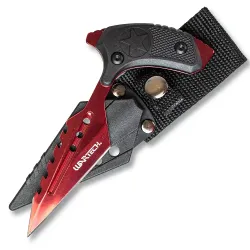 🔍︎ QUICK VIEW
$26.95
🔍︎ QUICK VIEW
$26.95 -
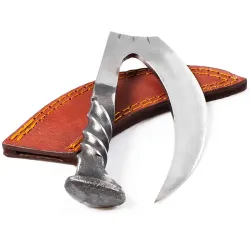 🔍︎ QUICK VIEW
$24.95
🔍︎ QUICK VIEW
$24.95 -
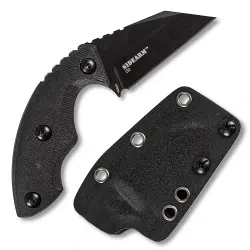 🔍︎ QUICK VIEW
$34.95
🔍︎ QUICK VIEW
$34.95 -
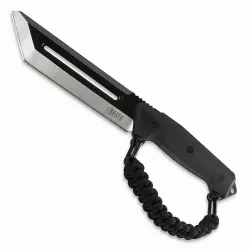 🔍︎ QUICK VIEW
$54.95
🔍︎ QUICK VIEW
$54.95 -
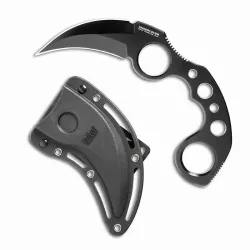 🔍︎ QUICK VIEW
$32.95
🔍︎ QUICK VIEW
$32.95 -
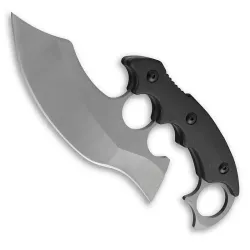 🔍︎ QUICK VIEW
$42.95
🔍︎ QUICK VIEW
$42.95 -
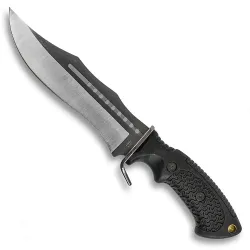 🔍︎ QUICK VIEW
$32.95
🔍︎ QUICK VIEW
$32.95 -
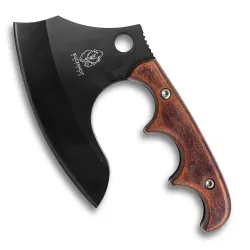 🔍︎ QUICK VIEW
$20.95
🔍︎ QUICK VIEW
$20.95 -
 🔍︎ QUICK VIEW
$32.95
🔍︎ QUICK VIEW
$32.95 -
 🔍︎ QUICK VIEW
$82.95
🔍︎ QUICK VIEW
$82.95 -
 🔍︎ QUICK VIEW
$52.95
🔍︎ QUICK VIEW
$52.95 -
 🔍︎ QUICK VIEW
$42.95
🔍︎ QUICK VIEW
$42.95 -
 🔍︎ QUICK VIEW
$29.95
🔍︎ QUICK VIEW
$29.95 -
 🔍︎ QUICK VIEW
$29.95
🔍︎ QUICK VIEW
$29.95 -
 🔍︎ QUICK VIEW
$74.95
🔍︎ QUICK VIEW
$74.95 -
 🔍︎ QUICK VIEW
$74.95
🔍︎ QUICK VIEW
$74.95 -
 🔍︎ QUICK VIEW
$74.95
🔍︎ QUICK VIEW
$74.95 -
 🔍︎ QUICK VIEW
$74.95
🔍︎ QUICK VIEW
$74.95 -
 🔍︎ QUICK VIEW
$179.95
🔍︎ QUICK VIEW
$179.95 -
 🔍︎ QUICK VIEW
$69.95
🔍︎ QUICK VIEW
$69.95 -
 🔍︎ QUICK VIEW
$79.95
🔍︎ QUICK VIEW
$79.95 -
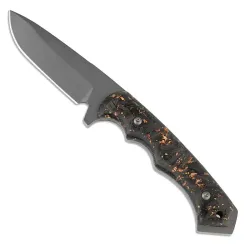 🔍︎ QUICK VIEW
$39.95
🔍︎ QUICK VIEW
$39.95 -
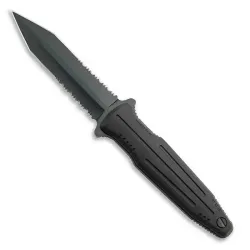 🔍︎ QUICK VIEW
$24.95
🔍︎ QUICK VIEW
$24.95 -
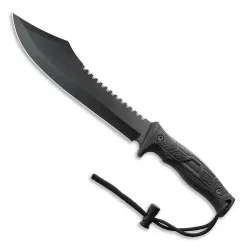 🔍︎ QUICK VIEW
$36.95
🔍︎ QUICK VIEW
$36.95 -
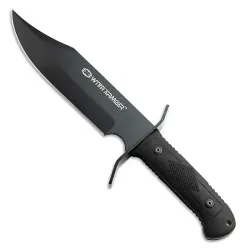 🔍︎ QUICK VIEW
$49.95
🔍︎ QUICK VIEW
$49.95 -
 🔍︎ QUICK VIEW
$39.95
🔍︎ QUICK VIEW
$39.95 -
 🔍︎ QUICK VIEW
$54.95
🔍︎ QUICK VIEW
$54.95 -
 🔍︎ QUICK VIEW
$44.95
🔍︎ QUICK VIEW
$44.95 -
 🔍︎ QUICK VIEW
-
 🔍︎ QUICK VIEW
-
 🔍︎ QUICK VIEW
$29.95
🔍︎ QUICK VIEW
$29.95 -
 🔍︎ QUICK VIEW
$29.95
🔍︎ QUICK VIEW
$29.95 -
 🔍︎ QUICK VIEW
$29.95
🔍︎ QUICK VIEW
$29.95 -
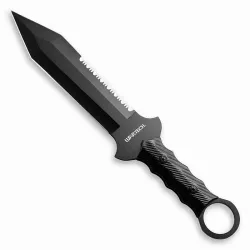 🔍︎ QUICK VIEW
$29.95
🔍︎ QUICK VIEW
$29.95 -
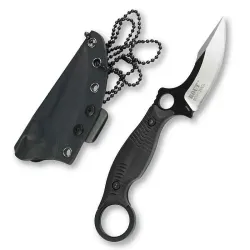 🔍︎ QUICK VIEW
$34.95
🔍︎ QUICK VIEW
$34.95 -
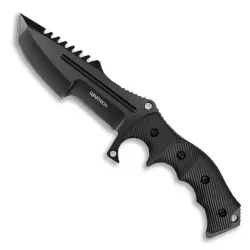 🔍︎ QUICK VIEW
$32.96
🔍︎ QUICK VIEW
$32.96 -
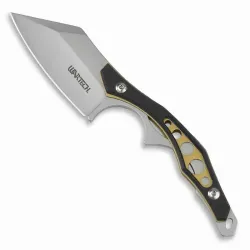 🔍︎ QUICK VIEW
$23.95
🔍︎ QUICK VIEW
$23.95 -
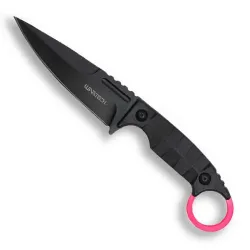 🔍︎ QUICK VIEW
$22.95
🔍︎ QUICK VIEW
$22.95 -
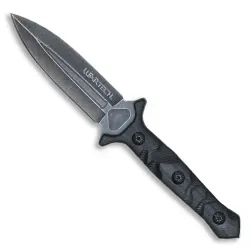 🔍︎ QUICK VIEW
$32.95
🔍︎ QUICK VIEW
$32.95 -
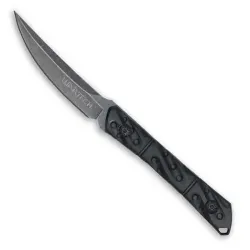 🔍︎ QUICK VIEW
$19.95
🔍︎ QUICK VIEW
$19.95 -
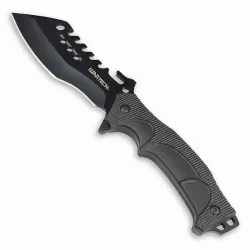 🔍︎ QUICK VIEW
$19.95
🔍︎ QUICK VIEW
$19.95 -
 🔍︎ QUICK VIEW
$19.95
🔍︎ QUICK VIEW
$19.95 -
 🔍︎ QUICK VIEW
$24.95
🔍︎ QUICK VIEW
$24.95 -
 🔍︎ QUICK VIEW
$39.95
🔍︎ QUICK VIEW
$39.95 -
 🔍︎ QUICK VIEW
$19.95
🔍︎ QUICK VIEW
$19.95 -
 🔍︎ QUICK VIEW
$24.95
🔍︎ QUICK VIEW
$24.95 -
 🔍︎ QUICK VIEW
$44.95
🔍︎ QUICK VIEW
$44.95 -
 🔍︎ QUICK VIEW
$36.95
🔍︎ QUICK VIEW
$36.95 -
 🔍︎ QUICK VIEW
$36.95
🔍︎ QUICK VIEW
$36.95 -
 🔍︎ QUICK VIEW
$54.95
🔍︎ QUICK VIEW
$54.95 -
 🔍︎ QUICK VIEW
-
 🔍︎ QUICK VIEW
$34.95
🔍︎ QUICK VIEW
$34.95 -
 🔍︎ QUICK VIEW
$44.95
🔍︎ QUICK VIEW
$44.95 -
 🔍︎ QUICK VIEW
$21.95
🔍︎ QUICK VIEW
$21.95 -
 🔍︎ QUICK VIEW
$29.95
🔍︎ QUICK VIEW
$29.95 -
 🔍︎ QUICK VIEW
$15.95
🔍︎ QUICK VIEW
$15.95 -
 🔍︎ QUICK VIEW
$16.95
🔍︎ QUICK VIEW
$16.95 -
 🔍︎ QUICK VIEW
$49.95
🔍︎ QUICK VIEW
$49.95 -
 🔍︎ QUICK VIEW
$69.95
🔍︎ QUICK VIEW
$69.95 -
 🔍︎ QUICK VIEW
$54.95
🔍︎ QUICK VIEW
$54.95 -
 🔍︎ QUICK VIEW
$18.95
🔍︎ QUICK VIEW
$18.95 -
 🔍︎ QUICK VIEW
$59.99
🔍︎ QUICK VIEW
$59.99 -
 🔍︎ QUICK VIEW
-
 🔍︎ QUICK VIEW
$34.95
🔍︎ QUICK VIEW
$34.95 -
 🔍︎ QUICK VIEW
$42.95
🔍︎ QUICK VIEW
$42.95 -
 🔍︎ QUICK VIEW
$16.95
🔍︎ QUICK VIEW
$16.95 -
 🔍︎ QUICK VIEW
$18.95
🔍︎ QUICK VIEW
$18.95 -
 🔍︎ QUICK VIEW
$15.95
🔍︎ QUICK VIEW
$15.95 -
 🔍︎ QUICK VIEW
$14.95
🔍︎ QUICK VIEW
$14.95 -
 🔍︎ QUICK VIEW
$14.95
🔍︎ QUICK VIEW
$14.95 -
 🔍︎ QUICK VIEW
$22.95
🔍︎ QUICK VIEW
$22.95 -
 🔍︎ QUICK VIEW
$24.95
🔍︎ QUICK VIEW
$24.95 -
 🔍︎ QUICK VIEW
-
 🔍︎ QUICK VIEW
$18.95
🔍︎ QUICK VIEW
$18.95 -
 🔍︎ QUICK VIEW
$16.95
🔍︎ QUICK VIEW
$16.95 -
 🔍︎ QUICK VIEW
$14.95
🔍︎ QUICK VIEW
$14.95 -
 🔍︎ QUICK VIEW
$21.95
🔍︎ QUICK VIEW
$21.95 -
 🔍︎ QUICK VIEW
$21.95
🔍︎ QUICK VIEW
$21.95 -
 🔍︎ QUICK VIEW
-
 🔍︎ QUICK VIEW
-
 🔍︎ QUICK VIEW
$46.95
🔍︎ QUICK VIEW
$46.95 -
 🔍︎ QUICK VIEW
$64.95
🔍︎ QUICK VIEW
$64.95 -
 🔍︎ QUICK VIEW
$20.95
🔍︎ QUICK VIEW
$20.95 -
 🔍︎ QUICK VIEW
$12.95
🔍︎ QUICK VIEW
$12.95 -
 🔍︎ QUICK VIEW
$16.95
🔍︎ QUICK VIEW
$16.95 -
 🔍︎ QUICK VIEW
$16.95
🔍︎ QUICK VIEW
$16.95 -
 🔍︎ QUICK VIEW
$16.95
🔍︎ QUICK VIEW
$16.95 -
 🔍︎ QUICK VIEW
$39.95
🔍︎ QUICK VIEW
$39.95 -
 🔍︎ QUICK VIEW
$29.95
🔍︎ QUICK VIEW
$29.95 -
 🔍︎ QUICK VIEW
$34.95
🔍︎ QUICK VIEW
$34.95 -
 🔍︎ QUICK VIEW
$16.95
🔍︎ QUICK VIEW
$16.95 -
 🔍︎ QUICK VIEW
$16.95
🔍︎ QUICK VIEW
$16.95 -
 🔍︎ QUICK VIEW
$13.95
🔍︎ QUICK VIEW
$13.95 -
 🔍︎ QUICK VIEW
-
 🔍︎ QUICK VIEW
$29.95
🔍︎ QUICK VIEW
$29.95 -
 🔍︎ QUICK VIEW
$36.95
🔍︎ QUICK VIEW
$36.95 -
 🔍︎ QUICK VIEW
-
 🔍︎ QUICK VIEW
$32.95
🔍︎ QUICK VIEW
$32.95 -
 🔍︎ QUICK VIEW
$29.95
🔍︎ QUICK VIEW
$29.95 -
 🔍︎ QUICK VIEW
$18.95
🔍︎ QUICK VIEW
$18.95 -
 🔍︎ QUICK VIEW
$49.95
🔍︎ QUICK VIEW
$49.95
 (1)
(1) (1)
(1)Fixed Blade Knives - Tactical, Military & Combat Knives
Fixed blade knives are an essential tool in many scenarios, from military and tactical use to everyday carry and outdoor adventures. Unlike folding knives, which have a blade that folds into the handle, fixed blade knives have a stationary blade that provides unmatched strength and reliability. Whether you're in the field, at work, or out in the wild, a well-crafted fixed blade knife is a dependable companion that never lets you down when you need it most.
The simplicity and durability of a fixed blade knife are some of its greatest advantages. Because the blade does not fold, you have a full-length blade that offers greater cutting power, stability, and leverage for all kinds of tasks. From chopping through tough materials to slicing with precision, a fixed blade knife can tackle a wide range of jobs with ease. These knives are also the go-to choice for tactical and military use because of their strength and reliability under pressure.
One of the key benefits of a fixed blade knife is that it can be deployed instantly. Unlike folding knives that require a bit of manipulation to open, a fixed blade knife is ready to go the moment you draw it from its sheath. This is especially important in high-stress situations, where every second counts. Whether you need to cut, pry, or defend yourself, having a sharp, ready-to-use fixed blade knife can make all the difference.
Fixed blade knives are most commonly full tang, meaning the blade runs through the entire handle. This construction adds strength and durability to the knife, ensuring that it won't snap or break under heavy use. The tang is the backbone of the knife, and a full tang construction provides superior performance compared to partial tang designs. The full tang also ensures that the blade stays securely in place, no matter what material the handle is made of. Whether it's a rugged wood, synthetic material, or sturdy metal, a full tang fixed blade knife delivers the kind of durability you need in the toughest situations.
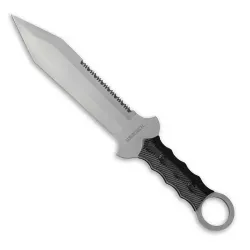
When it comes to combat knives, there's no shortage of options. Different types of combat knives are designed for various applications, including self-defense, survival, and tactical operations. Some popular types include combat daggers, boot knives, and tactical knives. Combat daggers are designed for close-quarters combat, featuring a double-edged blade that allows for thrusting attacks. Boot knives, as the name suggests, are compact fixed blade knives that are small enough to be concealed in a boot. They are often used for self-defense and are known for their portability and ease of access.
Tactical knives, on the other hand, are designed with a broader range of uses in mind, from combat to survival situations. These knives often feature features like serrated edges for cutting through tough materials, and some come with specialized grips or sheaths for fast deployment. A tactical knife is built to perform in a wide variety of environments, making it an essential tool for military personnel, law enforcement, and survivalists. Some of the best tactical knives are engineered with precision and tested under extreme conditions, ensuring they can hold up when you need them the most.
For military personnel, the best combat knives are designed for versatility, with a blade that can perform a variety of tasks. Military knives are built to withstand harsh conditions, from jungles to deserts, and are often designed with a combination of strength and utility in mind. Many military knives feature a full tang design for durability, and some even include additional features like a pommel that can be used for breaking glass or other emergency situations. These knives are often used for everything from cutting through thick vegetation to self-defense in close quarters combat.
If you're someone who carries an EDC fixed blade knife, you understand the importance of having a reliable tool on hand at all times. An EDC fixed blade knife is not just for survival situations; it's a practical, everyday tool that can come in handy for a variety of tasks. Whether you need to cut rope, open a package, or prepare food, a fixed blade knife offers the strength and precision needed for everyday tasks. Many EDC knives are designed to be compact and easy to carry, with a sheath that can be attached to your belt, bag, or gear.
When it comes to choosing the best combat knife, there are several factors to consider. Blade material, handle design, and overall construction are all important elements that can impact the performance of a combat knife. For example, high-carbon steel blades are known for their edge retention and strength, making them a popular choice for combat knives. Meanwhile, knives with ergonomic handles and textured grips ensure a secure hold, even in wet or slippery conditions.
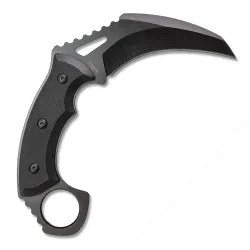
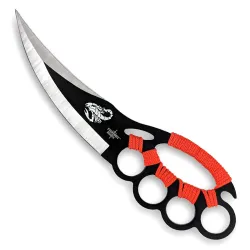
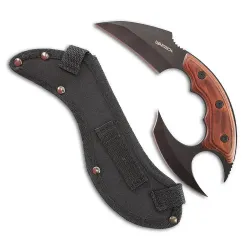
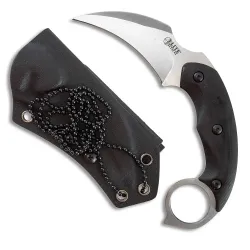
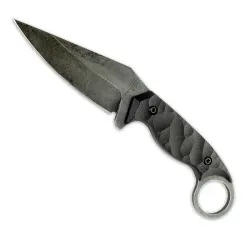
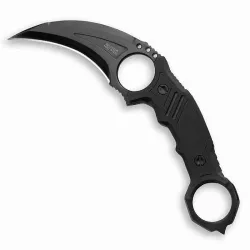
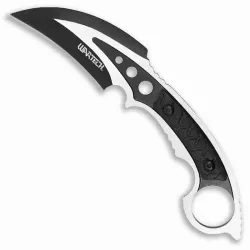
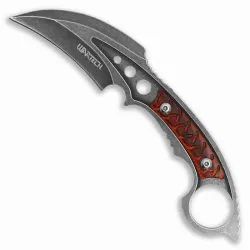
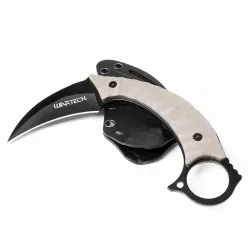
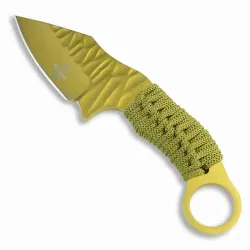
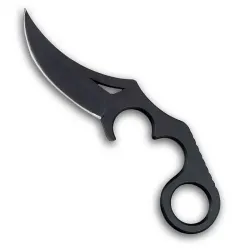
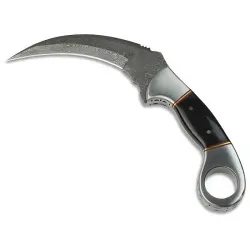
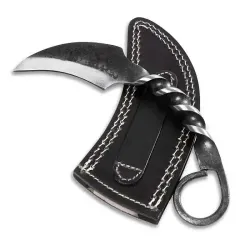
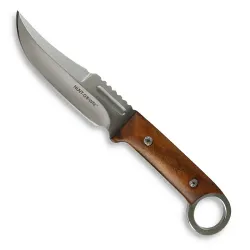
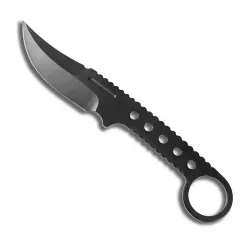
If you're looking for cool fixed blade knives to add to your collection, you'll find a variety of designs to suit your preferences. Some knives feature unique blade shapes, like the Karambit, a curved blade popular in martial arts and self-defense. The Karambit is designed for quick slashes and is ideal for close-quarters combat, making it a favorite among martial artists and tactical professionals alike. Other knives, like the classic Bowie knife, are known for their large, versatile blades that are excellent for both combat and survival situations.
Another popular fixed blade knife is the survival knife, designed to help you thrive in the wilderness. Survival knives often come with additional features like a built-in fire starter, a hollow handle that can store survival supplies, or a lanyard hole for securing the knife to gear. These knives are built to be rugged and reliable, with a strong blade that can handle the challenges of the outdoors.
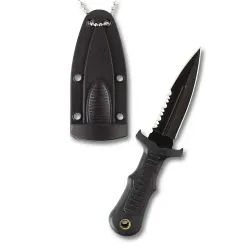
Boot knives are often favored by those who prefer concealed carry. These compact knives are easy to hide and can be carried discreetly, making them perfect for self-defense. Despite their small size, boot knives are designed to pack a punch when it counts. With their sharp, pointed blade and sturdy construction, boot knives are perfect for those who want a hidden edge when things get tough.
The best combat knives, military knives, and tactical knives are built with precision and tested to ensure they perform in any situation. These knives are essential tools for anyone who values reliability, durability, and performance. With a quality fixed blade knife by your side, you'll be prepared for whatever challenges life throws your way. So, browse through our collection of fixed blade knives to find the one that's right for you.
Fixed blade knives are known for their durability, strength, and reliability. Unlike folding knives, which have a blade that folds into the handle, a fixed blade knife has a stationary blade that runs the entire length of the knife. This provides superior strength and the ability to handle more intense tasks like heavy cutting, chopping, and thrusting. A fixed blade knife is also more dependable in high-stress situations, especially since it's ready to use the moment it's drawn from its sheath. Whether you're in a tactical scenario, outdoor adventure, or simply need a reliable EDC knife, a fixed blade knife offers unmatched performance and ease of use.
When selecting the best combat knife, it's important to consider the blade material, the handle design, and the overall knife construction. For combat knives, high-carbon steel is often preferred because of its strength, sharpness, and edge retention. The handle should be ergonomic, providing a secure grip even in wet or slippery conditions. Look for a knife that feels comfortable in your hand, with a design that allows for quick deployment. Full tang construction is crucial for combat knives since it ensures the blade runs through the entire length of the handle, offering durability and preventing breakage during use. Depending on your needs, you might also want to consider features like a pointed pommel for breaking glass, or a blade with a serrated edge for cutting through tougher materials.
The legality of carrying a fixed blade knife as an everyday carry (EDC) item varies by location, and it's important to check local laws before making a purchase. In some areas, fixed blade knives are legal to carry, while others may restrict the length of the blade or require the knife to be carried in a sheath. Some jurisdictions have strict regulations regarding the concealed carry of fixed blade knives, while others allow open carry. Always make sure to familiarize yourself with your local regulations to ensure you are in compliance with the law when carrying your fixed blade or tactical knife.
A combat knife is designed specifically for fighting and close-quarters situations, while a tactical knife is built for a wider range of tasks beyond combat. A combat knife usually focuses on penetration and cutting efficiency, often featuring a symmetrical or narrow blade that excels in thrusting. Tactical knives, on the other hand, are built to handle everything from fieldwork to emergency tasks, so they typically have more utility-focused blade shapes like drop point or tanto. While both fall under the fixed blade category, a tactical knife prioritizes versatility, and a combat knife prioritizes offense and defense in high-stress conditions.
Fixed blade knives are generally considered better for survival because they are stronger, more reliable, and better suited for heavy-duty tasks. Since the blade doesn't fold, there's no pivot point that can loosen or fail under pressure, which is crucial when you need to baton wood, pry, or make shelter materials. A fixed blade knife also allows for faster, safer deployment in stressful situations because it's ready the moment it leaves the sheath. While a folding knife can be useful for light tasks, a fixed blade offers the durability and stability needed for demanding outdoor situations, making it the preferred choice for camping, bushcraft, and emergency survival use.
A knife is considered full tang when the metal of the blade extends through the entire length and shape of the handle. This means the blade steel runs as one solid piece from the tip all the way to the end of the grip. Full tang construction matters because it provides maximum strength, stability, and balance. Since the handle isn't relying on screws, glue, or partial metal inserts, a full tang knife is far less likely to break under pressure, making it ideal for survival, combat, and heavy-duty tasks. The design also improves control, giving you a more solid feel in the hand during cutting, chopping, or prying. For most fixed blade users, full tang construction is considered the benchmark for durability and long-term reliability.
The best steel for a fixed blade knife depends on how you plan to use it, but most high-performance choices fall into two categories: high-carbon steel and modern stainless tool steels. High-carbon steels like 1095, 52100, or O1 are extremely tough, easy to sharpen in the field, and hold a razor edge, which makes them popular for survival and combat use. Stainless tool steels such as D2, S35VN, and 440C offer improved corrosion resistance, especially in humid or wet environments, while still maintaining strong edge retention. Each steel has its own strengths, so the right choice depends on whether you prioritize toughness, corrosion resistance, edge durability, or ease of maintenance. A well-made fixed blade will always use a steel suited to the knife's intended purpose, ensuring dependable performance in harsh conditions.
For everyday carry, most people prefer a fixed blade knife with a blade length between 2.5 and 4 inches. This range offers enough cutting power for daily tasks without feeling bulky or drawing unnecessary attention. A shorter fixed blade is easier to conceal, lighter on your belt or pack, and more comfortable to carry for long periods. It also reduces the chance of violating local knife laws, since many regions restrict blade length for EDC use. While larger blades are better for survival or fieldwork, a compact fixed blade strikes the right balance between practicality, comfort, and legal compliance for most everyday carry situations.
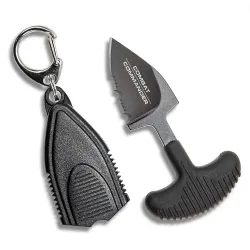
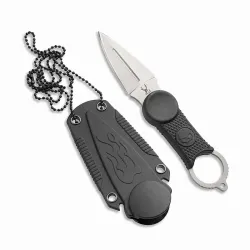
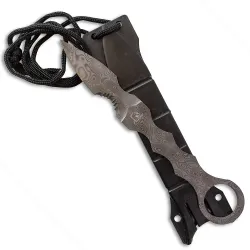
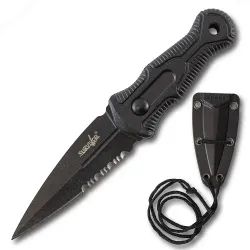
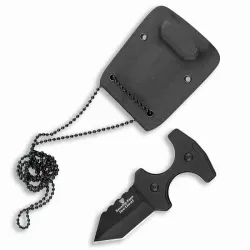
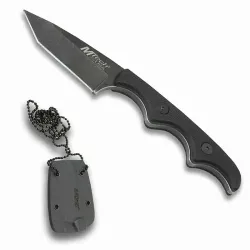
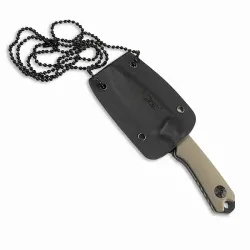
A boot knife is a compact fixed blade that's designed to be carried inside a boot or on the ankle for quick access, usually using a slim, form-fitting sheath. Boot knives often have double-edged or narrow blades suited for close-quarters situations. A neck knife, on the other hand, is a much smaller fixed blade worn on a cord around the neck. These knives prioritize lightweight convenience and are typically single-edged with minimalist handles. While both are discreet ways to carry a fixed blade, a boot knife is better for fast, grounded access, and a neck knife is ideal when you want something extremely light and easy to reach with either hand.
A fixed blade knife can be used for self defense, but it's important to understand the legal and practical considerations before carrying one for that purpose. Fixed blades are strong, reliable, and fast to deploy, which is why many professionals prefer them in high-stress situations. However, self defense laws vary widely, and some areas restrict how and where a fixed blade can be carried. Training also plays a major role, since using a knife without proper skills can be dangerous for both the user and others. Most people choose a fixed blade for its utility and durability, viewing self defense as a last-resort scenario rather than the primary purpose of the knife.
The best blade shape depends on how you plan to use the knife. A drop point blade is the most versatile option, offering a strong tip and generous cutting belly for outdoor tasks, everyday carry, and general utility. A clip point blade has a thinner, sharper tip that excels at piercing and fine detail work, making it popular for hunting and combat-style knives. Tanto blades feature an angular, reinforced point that's excellent for penetrating tough materials, which is why they're often favored in tactical situations. Spear point blades provide a centered tip for precise thrusting and controlled cutting. Each shape has advantages, so choosing the right one comes down to whether you prioritize versatility, piercing ability, durability, or precision.
The ideal fixed blade knife for camping or hiking should be lightweight, durable, and versatile enough to handle a variety of outdoor tasks. Most hikers prefer a blade length between 3.5 and 5 inches, since it provides plenty of cutting power without adding unnecessary weight. A drop point or flat-ground blade shape works well for food prep, carving, and general camp chores. Stainless tool steels like D2 or 440C are popular for hiking because they offer good edge retention with better resistance to moisture. A comfortable, non-slip handle is essential, especially when working in wet conditions, and a secure sheath that attaches easily to your belt or pack ensures safe carry on the trail. The best camping knife feels balanced in the hand, performs reliably in changing conditions, and stays easy to maintain during extended trips outdoors.
Yes, fixed blade knives come in several different grinds, and each one affects how the knife cuts, sharpens, and performs in different situations. A flat grind is one of the most versatile, offering a balanced cutting profile that works well for everyday tasks and outdoor use. A hollow grind has a thinner, razor-like edge that excels at slicing but isn't as durable for heavy-duty work. The Scandi grind is popular for bushcraft because its wide, single-bevel design bites cleanly into wood and is easy to sharpen in the field. A convex grind features a rounded edge that provides exceptional strength and edge retention, making it ideal for chopping or demanding survival tasks. Choosing the right grind depends on whether you value slicing ability, durability, ease of sharpening, or all-around performance in outdoor environments.
A combat knife is purpose-built for fighting and close-quarters encounters, focusing on penetration, cutting efficiency, and defensive use. These knives often feature narrow or symmetrical blades that excel at thrusting and quick, controlled movements. A tactical knife, however, is designed for broader functionality. It can handle combat tasks when needed, but it also performs general utility jobs like cutting rope, opening gear, or handling fieldwork. Tactical knives usually incorporate practical blade shapes such as drop point or tanto and may include textured grips or durable coatings for harsh environments. While both fall within the fixed blade family, a combat knife prioritizes offensive capability, and a tactical knife prioritizes versatility across a wider range of situations.
The simplicity and durability of a fixed blade knife are some of its greatest advantages. Because the blade does not fold, you have a full-length blade that offers greater cutting power, stability, and leverage for all kinds of tasks. From chopping through tough materials to slicing with precision, a fixed blade knife can tackle a wide range of jobs with ease. These knives are also the go-to choice for tactical and military use because of their strength and reliability under pressure.
Instant Deployment and Reliability
One of the key benefits of a fixed blade knife is that it can be deployed instantly. Unlike folding knives that require a bit of manipulation to open, a fixed blade knife is ready to go the moment you draw it from its sheath. This is especially important in high-stress situations, where every second counts. Whether you need to cut, pry, or defend yourself, having a sharp, ready-to-use fixed blade knife can make all the difference.
Full Tang Construction and Durability
Fixed blade knives are most commonly full tang, meaning the blade runs through the entire handle. This construction adds strength and durability to the knife, ensuring that it won't snap or break under heavy use. The tang is the backbone of the knife, and a full tang construction provides superior performance compared to partial tang designs. The full tang also ensures that the blade stays securely in place, no matter what material the handle is made of. Whether it's a rugged wood, synthetic material, or sturdy metal, a full tang fixed blade knife delivers the kind of durability you need in the toughest situations.
Types of Combat and Tactical Fixed Blade Knives
When it comes to combat knives, there's no shortage of options. Different types of combat knives are designed for various applications, including self-defense, survival, and tactical operations. Some popular types include combat daggers, boot knives, and tactical knives. Combat daggers are designed for close-quarters combat, featuring a double-edged blade that allows for thrusting attacks. Boot knives, as the name suggests, are compact fixed blade knives that are small enough to be concealed in a boot. They are often used for self-defense and are known for their portability and ease of access.
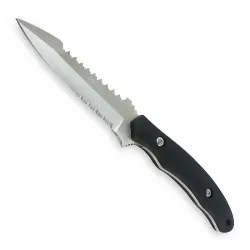
Tactical knives, on the other hand, are designed with a broader range of uses in mind, from combat to survival situations. These knives often feature features like serrated edges for cutting through tough materials, and some come with specialized grips or sheaths for fast deployment. A tactical knife is built to perform in a wide variety of environments, making it an essential tool for military personnel, law enforcement, and survivalists. Some of the best tactical knives are engineered with precision and tested under extreme conditions, ensuring they can hold up when you need them the most.
Military and Professional Use
For military personnel, the best combat knives are designed for versatility, with a blade that can perform a variety of tasks. Military knives are built to withstand harsh conditions, from jungles to deserts, and are often designed with a combination of strength and utility in mind. Many military knives feature a full tang design for durability, and some even include additional features like a pommel that can be used for breaking glass or other emergency situations. These knives are often used for everything from cutting through thick vegetation to self-defense in close quarters combat.
EDC Fixed Blade Knives
If you're someone who carries an EDC fixed blade knife, you understand the importance of having a reliable tool on hand at all times. An EDC fixed blade knife is not just for survival situations; it's a practical, everyday tool that can come in handy for a variety of tasks. Whether you need to cut rope, open a package, or prepare food, a fixed blade knife offers the strength and precision needed for everyday tasks. Many EDC knives are designed to be compact and easy to carry, with a sheath that can be attached to your belt, bag, or gear.
Choosing the Right Fixed Blade Knife
When it comes to choosing the best combat knife, there are several factors to consider. Blade material, handle design, and overall construction are all important elements that can impact the performance of a combat knife. For example, high-carbon steel blades are known for their edge retention and strength, making them a popular choice for combat knives. Meanwhile, knives with ergonomic handles and textured grips ensure a secure hold, even in wet or slippery conditions.
Popular Fixed Blade Knife Styles
If you're looking for cool fixed blade knives to add to your collection, you'll find a variety of designs to suit your preferences. Some knives feature unique blade shapes, like the Karambit, a curved blade popular in martial arts and self-defense. The Karambit is designed for quick slashes and is ideal for close-quarters combat, making it a favorite among martial artists and tactical professionals alike. Other knives, like the classic Bowie knife, are known for their large, versatile blades that are excellent for both combat and survival situations.
Another popular fixed blade knife is the survival knife, designed to help you thrive in the wilderness. Survival knives often come with additional features like a built-in fire starter, a hollow handle that can store survival supplies, or a lanyard hole for securing the knife to gear. These knives are built to be rugged and reliable, with a strong blade that can handle the challenges of the outdoors.
Boot Knives and Concealed Carry
Boot knives are often favored by those who prefer concealed carry. These compact knives are easy to hide and can be carried discreetly, making them perfect for self-defense. Despite their small size, boot knives are designed to pack a punch when it counts. With their sharp, pointed blade and sturdy construction, boot knives are perfect for those who want a hidden edge when things get tough.
Why Fixed Blade Knives Remain a Top Choice
The best combat knives, military knives, and tactical knives are built with precision and tested to ensure they perform in any situation. These knives are essential tools for anyone who values reliability, durability, and performance. With a quality fixed blade knife by your side, you'll be prepared for whatever challenges life throws your way. So, browse through our collection of fixed blade knives to find the one that's right for you.
What are the advantages of using a Fixed Blade Knife over a Folding Knife?
Fixed blade knives are known for their durability, strength, and reliability. Unlike folding knives, which have a blade that folds into the handle, a fixed blade knife has a stationary blade that runs the entire length of the knife. This provides superior strength and the ability to handle more intense tasks like heavy cutting, chopping, and thrusting. A fixed blade knife is also more dependable in high-stress situations, especially since it's ready to use the moment it's drawn from its sheath. Whether you're in a tactical scenario, outdoor adventure, or simply need a reliable EDC knife, a fixed blade knife offers unmatched performance and ease of use.
What should I look for when choosing the Best Combat Knife?
When selecting the best combat knife, it's important to consider the blade material, the handle design, and the overall knife construction. For combat knives, high-carbon steel is often preferred because of its strength, sharpness, and edge retention. The handle should be ergonomic, providing a secure grip even in wet or slippery conditions. Look for a knife that feels comfortable in your hand, with a design that allows for quick deployment. Full tang construction is crucial for combat knives since it ensures the blade runs through the entire length of the handle, offering durability and preventing breakage during use. Depending on your needs, you might also want to consider features like a pointed pommel for breaking glass, or a blade with a serrated edge for cutting through tougher materials.
Are Fixed Blade Knives legal to carry as an EDC?
The legality of carrying a fixed blade knife as an everyday carry (EDC) item varies by location, and it's important to check local laws before making a purchase. In some areas, fixed blade knives are legal to carry, while others may restrict the length of the blade or require the knife to be carried in a sheath. Some jurisdictions have strict regulations regarding the concealed carry of fixed blade knives, while others allow open carry. Always make sure to familiarize yourself with your local regulations to ensure you are in compliance with the law when carrying your fixed blade or tactical knife.
What Is the Difference Between a Combat Knife and a Tactical Knife?
A combat knife is designed specifically for fighting and close-quarters situations, while a tactical knife is built for a wider range of tasks beyond combat. A combat knife usually focuses on penetration and cutting efficiency, often featuring a symmetrical or narrow blade that excels in thrusting. Tactical knives, on the other hand, are built to handle everything from fieldwork to emergency tasks, so they typically have more utility-focused blade shapes like drop point or tanto. While both fall under the fixed blade category, a tactical knife prioritizes versatility, and a combat knife prioritizes offense and defense in high-stress conditions.
Are Fixed Blade Knives Better for Survival Than Folding Knives?
Fixed blade knives are generally considered better for survival because they are stronger, more reliable, and better suited for heavy-duty tasks. Since the blade doesn't fold, there's no pivot point that can loosen or fail under pressure, which is crucial when you need to baton wood, pry, or make shelter materials. A fixed blade knife also allows for faster, safer deployment in stressful situations because it's ready the moment it leaves the sheath. While a folding knife can be useful for light tasks, a fixed blade offers the durability and stability needed for demanding outdoor situations, making it the preferred choice for camping, bushcraft, and emergency survival use.
What Makes a Knife Full Tang, and Why Does It Matter?
A knife is considered full tang when the metal of the blade extends through the entire length and shape of the handle. This means the blade steel runs as one solid piece from the tip all the way to the end of the grip. Full tang construction matters because it provides maximum strength, stability, and balance. Since the handle isn't relying on screws, glue, or partial metal inserts, a full tang knife is far less likely to break under pressure, making it ideal for survival, combat, and heavy-duty tasks. The design also improves control, giving you a more solid feel in the hand during cutting, chopping, or prying. For most fixed blade users, full tang construction is considered the benchmark for durability and long-term reliability.
What Type of Steel Is Best for a Fixed Blade Knife?
The best steel for a fixed blade knife depends on how you plan to use it, but most high-performance choices fall into two categories: high-carbon steel and modern stainless tool steels. High-carbon steels like 1095, 52100, or O1 are extremely tough, easy to sharpen in the field, and hold a razor edge, which makes them popular for survival and combat use. Stainless tool steels such as D2, S35VN, and 440C offer improved corrosion resistance, especially in humid or wet environments, while still maintaining strong edge retention. Each steel has its own strengths, so the right choice depends on whether you prioritize toughness, corrosion resistance, edge durability, or ease of maintenance. A well-made fixed blade will always use a steel suited to the knife's intended purpose, ensuring dependable performance in harsh conditions.
How Long Should a Fixed Blade Knife Be for Everyday Carry?
For everyday carry, most people prefer a fixed blade knife with a blade length between 2.5 and 4 inches. This range offers enough cutting power for daily tasks without feeling bulky or drawing unnecessary attention. A shorter fixed blade is easier to conceal, lighter on your belt or pack, and more comfortable to carry for long periods. It also reduces the chance of violating local knife laws, since many regions restrict blade length for EDC use. While larger blades are better for survival or fieldwork, a compact fixed blade strikes the right balance between practicality, comfort, and legal compliance for most everyday carry situations.
What Is the Difference Between a Boot Knife and a Neck Knife?
A boot knife is a compact fixed blade that's designed to be carried inside a boot or on the ankle for quick access, usually using a slim, form-fitting sheath. Boot knives often have double-edged or narrow blades suited for close-quarters situations. A neck knife, on the other hand, is a much smaller fixed blade worn on a cord around the neck. These knives prioritize lightweight convenience and are typically single-edged with minimalist handles. While both are discreet ways to carry a fixed blade, a boot knife is better for fast, grounded access, and a neck knife is ideal when you want something extremely light and easy to reach with either hand.
Can a Fixed Blade Knife Be Used for Self Defense?
A fixed blade knife can be used for self defense, but it's important to understand the legal and practical considerations before carrying one for that purpose. Fixed blades are strong, reliable, and fast to deploy, which is why many professionals prefer them in high-stress situations. However, self defense laws vary widely, and some areas restrict how and where a fixed blade can be carried. Training also plays a major role, since using a knife without proper skills can be dangerous for both the user and others. Most people choose a fixed blade for its utility and durability, viewing self defense as a last-resort scenario rather than the primary purpose of the knife.
What's the Best Blade Shape for a Fixed Blade Knife?
The best blade shape depends on how you plan to use the knife. A drop point blade is the most versatile option, offering a strong tip and generous cutting belly for outdoor tasks, everyday carry, and general utility. A clip point blade has a thinner, sharper tip that excels at piercing and fine detail work, making it popular for hunting and combat-style knives. Tanto blades feature an angular, reinforced point that's excellent for penetrating tough materials, which is why they're often favored in tactical situations. Spear point blades provide a centered tip for precise thrusting and controlled cutting. Each shape has advantages, so choosing the right one comes down to whether you prioritize versatility, piercing ability, durability, or precision.
What Is the Ideal Fixed Blade Knife for Camping or Hiking?
The ideal fixed blade knife for camping or hiking should be lightweight, durable, and versatile enough to handle a variety of outdoor tasks. Most hikers prefer a blade length between 3.5 and 5 inches, since it provides plenty of cutting power without adding unnecessary weight. A drop point or flat-ground blade shape works well for food prep, carving, and general camp chores. Stainless tool steels like D2 or 440C are popular for hiking because they offer good edge retention with better resistance to moisture. A comfortable, non-slip handle is essential, especially when working in wet conditions, and a secure sheath that attaches easily to your belt or pack ensures safe carry on the trail. The best camping knife feels balanced in the hand, performs reliably in changing conditions, and stays easy to maintain during extended trips outdoors.
Are There Different Types of Fixed Blade Knife Grinds?
Yes, fixed blade knives come in several different grinds, and each one affects how the knife cuts, sharpens, and performs in different situations. A flat grind is one of the most versatile, offering a balanced cutting profile that works well for everyday tasks and outdoor use. A hollow grind has a thinner, razor-like edge that excels at slicing but isn't as durable for heavy-duty work. The Scandi grind is popular for bushcraft because its wide, single-bevel design bites cleanly into wood and is easy to sharpen in the field. A convex grind features a rounded edge that provides exceptional strength and edge retention, making it ideal for chopping or demanding survival tasks. Choosing the right grind depends on whether you value slicing ability, durability, ease of sharpening, or all-around performance in outdoor environments.
What Is the Difference Between a Combat Knife and a Tactical Knife?
A combat knife is purpose-built for fighting and close-quarters encounters, focusing on penetration, cutting efficiency, and defensive use. These knives often feature narrow or symmetrical blades that excel at thrusting and quick, controlled movements. A tactical knife, however, is designed for broader functionality. It can handle combat tasks when needed, but it also performs general utility jobs like cutting rope, opening gear, or handling fieldwork. Tactical knives usually incorporate practical blade shapes such as drop point or tanto and may include textured grips or durable coatings for harsh environments. While both fall within the fixed blade family, a combat knife prioritizes offensive capability, and a tactical knife prioritizes versatility across a wider range of situations.