






Karambit Knives
-
 🔍︎ QUICK VIEW
$21.95
🔍︎ QUICK VIEW
$21.95 -
 🔍︎ QUICK VIEW
$16.95
🔍︎ QUICK VIEW
$16.95 -
 🔍︎ QUICK VIEW
$34.95
🔍︎ QUICK VIEW
$34.95 -
 🔍︎ QUICK VIEW
$20.95
🔍︎ QUICK VIEW
$20.95 -
 🔍︎ QUICK VIEW
$59.99
🔍︎ QUICK VIEW
$59.99 -
 🔍︎ QUICK VIEW
-
 🔍︎ QUICK VIEW
$22.95
🔍︎ QUICK VIEW
$22.95 -
 🔍︎ QUICK VIEW
$32.95
🔍︎ QUICK VIEW
$32.95 -
 🔍︎ QUICK VIEW
$46.95
🔍︎ QUICK VIEW
$46.95 -
 🔍︎ QUICK VIEW
$12.95
🔍︎ QUICK VIEW
$12.95 -
 🔍︎ QUICK VIEW
$24.95
🔍︎ QUICK VIEW
$24.95 -
 🔍︎ QUICK VIEW
$32.95
🔍︎ QUICK VIEW
$32.95 -
 🔍︎ QUICK VIEW
-
 🔍︎ QUICK VIEW
$179.95
🔍︎ QUICK VIEW
$179.95 -
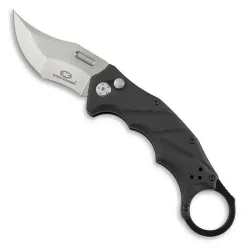 🔍︎ QUICK VIEW
-
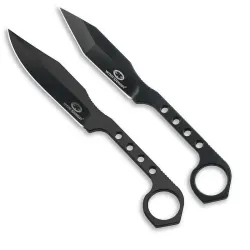 🔍︎ QUICK VIEW
-
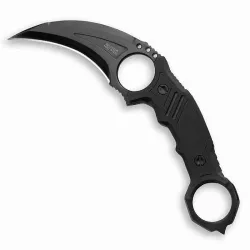 🔍︎ QUICK VIEW
-
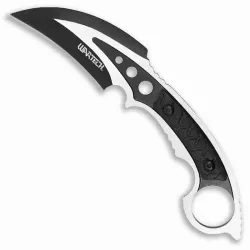 🔍︎ QUICK VIEW
$29.95
🔍︎ QUICK VIEW
$29.95 -
 🔍︎ QUICK VIEW
$29.95
🔍︎ QUICK VIEW
$29.95 -
 🔍︎ QUICK VIEW
$34.95
🔍︎ QUICK VIEW
$34.95 -
 🔍︎ QUICK VIEW
$24.95
🔍︎ QUICK VIEW
$24.95 -
 🔍︎ QUICK VIEW
-
 🔍︎ QUICK VIEW
-
 🔍︎ QUICK VIEW
$21.95
🔍︎ QUICK VIEW
$21.95 -
 🔍︎ QUICK VIEW
$16.95
🔍︎ QUICK VIEW
$16.95 -
 🔍︎ QUICK VIEW
$18.95
🔍︎ QUICK VIEW
$18.95 -
 🔍︎ QUICK VIEW
$17.95
🔍︎ QUICK VIEW
$17.95 -
 🔍︎ QUICK VIEW
$64.95
🔍︎ QUICK VIEW
$64.95 -
 🔍︎ QUICK VIEW
$20.95
🔍︎ QUICK VIEW
$20.95 -
 🔍︎ QUICK VIEW
-
 🔍︎ QUICK VIEW
$32.95
🔍︎ QUICK VIEW
$32.95 -
 🔍︎ QUICK VIEW
$69.95
🔍︎ QUICK VIEW
$69.95 -
 🔍︎ QUICK VIEW
$69.95
🔍︎ QUICK VIEW
$69.95 -
 🔍︎ QUICK VIEW
-
 🔍︎ QUICK VIEW
$19.95
🔍︎ QUICK VIEW
$19.95 -
 🔍︎ QUICK VIEW
$19.95
🔍︎ QUICK VIEW
$19.95 -
 🔍︎ QUICK VIEW
$18.95
🔍︎ QUICK VIEW
$18.95 -
 🔍︎ QUICK VIEW
-
 🔍︎ QUICK VIEW
$23.95
🔍︎ QUICK VIEW
$23.95 -
 🔍︎ QUICK VIEW
$29.95
🔍︎ QUICK VIEW
$29.95 -
 🔍︎ QUICK VIEW
$29.95
🔍︎ QUICK VIEW
$29.95 -
 🔍︎ QUICK VIEW
$69.95
🔍︎ QUICK VIEW
$69.95
 (1)
(1)Karambit Knives
Karambit knives, renowned for their distinctive curved design and sharp talon-like blade, have a rich and fascinating history that dates back to Indonesia. These incredible knives, originally known as "Kerambit," were inspired by the claws of a tiger, embodying the power and precision of nature's fiercest predator. From their humble origins as a tool for agricultural work, Karambit knives have evolved into multifunctional tools that are highly valued for survival, self-defense, and martial arts training.
The unique curve of the Karambit blade allows for exceptional versatility and control, making it perfect for a range of tasks. Traditionally, these knives were used in Indonesia and Southeast Asia for cutting through thick vegetation, such as harvesting rice, raking roots, and gathering other crops. Their design was optimized for agricultural work, with the curved blade making it easier to grab, slice, and separate plants from the earth. Over time, the Karambit transitioned from a farming tool to an essential weapon, adopted into martial arts disciplines like Silat, where its rapid, fluid movements made it ideal for both attack and defense.
One of the defining characteristics of a Karambit knife is the finger ring located at the end of the handle. This small yet significant feature ensures a secure grip, allowing users to execute a variety of techniques, including slashing, hooking, and punching motions. The ring also prevents the knife from slipping out of the user's hand during intense situations, making it a reliable choice for close-quarter combat. In addition to traditional martial arts applications, Karambit knives are becoming increasingly popular in modern self-defense scenarios. Their design makes them difficult for an attacker to disarm, providing an added layer of security for those carrying them for protection.
When it comes to using a Karambit knife, technique and familiarity are crucial. A key benefit of these knives is their ability to be used with a variety of striking motions, from slashing with the sharp curve of the blade to using the blunt end for hammering strikes. This makes them incredibly adaptable, allowing practitioners to use the knife in a number of self-defense tactics. Some Karambit models are designed specifically for these multiple forms of combat, making them suitable for not only traditional martial arts but also modern applications like urban self-defense and personal protection.
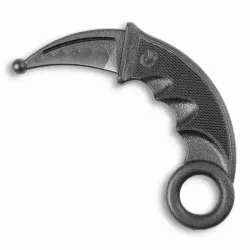
For beginners interested in learning how to use Karambit knives, it's highly recommended to start with a plastic training Karambit. These training knives allow users to safely practice various grips, strikes, and techniques without the risk of injury. As you become more comfortable with the shape and weight of the knife, you can transition to more advanced forms of training and begin exploring the full potential of the Karambit. Whether you're a martial artist, a survivalist, or someone interested in personal defense, there is a Karambit knife for everyone.
At Kombativ.com, we offer a wide selection of the best Karambit knives available for sale, ensuring you can find the perfect one to suit your needs. From durable, everyday carry options to high-end models crafted for serious practitioners, our collection showcases a range of designs, features, and sizes to cater to every skill level. Whether you're looking for a tool to add to your survival gear or want to explore Karambit knife tricks and techniques, you'll find the ideal knife to help you achieve your goals.
Not all Karambit knives come with a ring, but the majority of traditional and modern designs feature this iconic feature. The finger ring, which is located at the end of the handle, serves several important purposes. Primarily, it ensures a secure grip, preventing the knife from slipping out of the user's hand during combat or intense use. The ring also allows for enhanced control and precision in various strikes and maneuvers, such as slashing, hooking, or punching motions. However, there are some Karambit models available without rings, designed for different preferences or specific tactical purposes. While these versions may not offer the same level of grip security as the ringed models, they can still be used effectively in combat or as a utility knife. Ultimately, whether or not a Karambit knife includes a ring depends on the intended use and design preference of the user.
A karambit is a distinctive knife defined by its curved, claw-like blade and the finger ring built into the handle. Unlike straight-edged knives, the karambit's shape is designed for hooking, slicing, and controlled cutting motions. The ring allows the user to maintain secure retention while changing grip positions, making the knife feel like an extension of the hand rather than a simple tool being held.
The karambit originated in Southeast Asia, particularly in regions that are now part of Indonesia, Malaysia, and the Philippines. Its earliest forms were inspired by agricultural tools used for harvesting and working in rice fields. Over time, the design evolved and became integrated into traditional martial arts systems such as Silat and Kali, where its curved blade proved effective for close-range techniques and fluid motion.
Modern karambits preserve this heritage while adapting it for contemporary use. Today they appear in both folding and fixed-blade forms, built with modern steels and materials. While their roots lie in ancient farming and martial traditions, karambits are now appreciated for their unique ergonomics, secure handling, and unmistakable silhouette that sets them apart from any other knife style.
The legality of karambit knives depends on local and state laws, just like any other blade. In many places, a karambit is treated the same as any other knife and is regulated based on blade length, locking mechanism, or whether it is fixed or folding. In those areas, owning and carrying a karambit is no different from carrying a standard pocket knife.
In other regions, however, the curved shape or association with martial arts can place karambits under closer scrutiny. Some jurisdictions restrict knives that are perceived as "weapon-focused" rather than utilitarian, and a karambit may fall into that category depending on how the law is written. Fixed-blade karambits are more likely to face restrictions than folding models, especially when carried concealed.
Because knife laws vary widely by state, city, and country, it is always the responsibility of the owner to understand what is permitted where they live and travel. A karambit that is perfectly legal in one area may be restricted in another. Taking a few minutes to review local regulations ensures that your knife remains a practical tool rather than a legal problem.
The most obvious difference is the blade shape. A traditional knife usually has a straight or gently curved edge designed for pushing cuts and general utility. A karambit uses a tight, inward curve that works more like a claw. This shape excels at pulling cuts, hooking motions, and controlled slicing, especially at close range. It changes how the knife interacts with material and how the hand moves during use.
Another key distinction is the finger ring. Most karambits include a ring at the base of the handle that allows the user to anchor the knife securely. This provides exceptional retention and makes it possible to change grips without fully releasing the knife. Traditional knives rely on grip pressure alone, while a karambit feels locked into the hand, even during rapid movement or under stress.
In practice, a traditional knife is often optimized for broad utility, such as food prep, general cutting, or outdoor tasks. A karambit is more specialized. Its ergonomics favor control, close-in work, and fluid motion. That does not make one better than the other. It simply means they serve different purposes and feel very different in the hand.
Folding and fixed blade karambits each offer advantages, and the better choice depends on how the knife will be carried and used. Folding karambits are popular for everyday carry because they are compact, easier to conceal, and often treated more leniently under knife laws. They slip into a pocket, clip onto a belt, and feel similar to other EDC knives, making them a practical option for daily use.
Fixed blade karambits prioritize strength and immediate readiness. Without a hinge or locking mechanism, they are inherently more durable and do not require opening before use. This makes them appealing for training, martial arts practice, or situations where speed and structural integrity matter most. The tradeoff is that they require a sheath and are more visible when carried, which can limit where and how they can be worn.
For most people, a folding karambit strikes the best balance between convenience and capability. It offers the unique ergonomics of the karambit design while fitting comfortably into an everyday carry routine. Fixed blade models remain excellent tools for dedicated use, but folding versions tend to integrate more naturally into daily life.
A karambit can serve a defensive role, but it is best understood as a specialized tool rather than a general-purpose solution. Its curved blade and retention ring are designed for close-range control, allowing the user to maintain grip and apply precise cutting motions. These characteristics make it effective in trained hands, but they also mean the knife behaves very differently from a straight blade.
Because of that, karambits are often associated with martial arts systems that teach specific techniques for their use. Without training, the unique shape can feel unfamiliar and even awkward. The same features that provide excellent retention and control can also increase the risk of mishandling if someone treats it like a conventional knife. For this reason, many users view karambits as tools that reward practice and discipline.
From a legal and ethical standpoint, any knife used in self-defense is subject to the same standards of necessity and proportional response. A karambit does not change those rules. It should be considered a last-resort option when there is an immediate and unlawful threat. Responsible ownership means understanding both the power of the tool and the seriousness of its use.
The first thing to consider is how you plan to carry the knife. If you want something for everyday carry, a folding karambit with a pocket clip is usually the most practical option. It keeps the profile slim, fits naturally into a pocket, and behaves like other EDC knives. If your interest is training or dedicated use, a fixed blade karambit may make more sense because of its strength and immediate readiness.
Handle design is especially important with karambits. The ring should fit your finger comfortably without feeling cramped or loose. A good handle shape will guide your grip naturally and prevent hot spots during use. Textured scales, finger grooves, and ergonomic curves all contribute to control and comfort, which matter more on a karambit than on most straight-bladed knives.
Blade size and steel are also worth attention. Smaller blades are easier to carry and less intimidating in appearance, while larger blades offer more cutting surface and presence. Quality steel holds an edge longer and resists corrosion, which is important for a knife that may be carried daily. Choosing a karambit is less about finding the biggest or most aggressive design and more about finding a balanced tool that feels secure, comfortable, and appropriate for how you intend to use it.
Karambits are closely tied to traditional martial arts systems, particularly those from Southeast Asia such as Silat and Filipino Kali. In these disciplines, the curved blade and retention ring are used to teach fluid movement, grip transitions, and close-range control. The karambit's design encourages circular motion and precise angles, making it a natural fit for structured training rather than casual experimentation.
In a training environment, karambits are often used in blunt or practice-safe forms to build familiarity without unnecessary risk. Students learn how to manage the curve of the blade, maintain awareness of edge orientation, and move with intention. The ring plays a major role, allowing the knife to stay anchored to the hand while techniques flow from one position to another.
For people interested in martial arts, a karambit can be an engaging and educational tool. It rewards discipline and attention to detail, and it highlights how blade shape influences movement. While it is not required for most training paths, it offers a unique way to explore close-range weapon mechanics and the traditions that shaped them.
The unique curve of the Karambit blade allows for exceptional versatility and control, making it perfect for a range of tasks. Traditionally, these knives were used in Indonesia and Southeast Asia for cutting through thick vegetation, such as harvesting rice, raking roots, and gathering other crops. Their design was optimized for agricultural work, with the curved blade making it easier to grab, slice, and separate plants from the earth. Over time, the Karambit transitioned from a farming tool to an essential weapon, adopted into martial arts disciplines like Silat, where its rapid, fluid movements made it ideal for both attack and defense.
Key Design Features of a Karambit Knife
One of the defining characteristics of a Karambit knife is the finger ring located at the end of the handle. This small yet significant feature ensures a secure grip, allowing users to execute a variety of techniques, including slashing, hooking, and punching motions. The ring also prevents the knife from slipping out of the user's hand during intense situations, making it a reliable choice for close-quarter combat. In addition to traditional martial arts applications, Karambit knives are becoming increasingly popular in modern self-defense scenarios. Their design makes them difficult for an attacker to disarm, providing an added layer of security for those carrying them for protection.
Using a Karambit for Martial Arts and Self Defense
When it comes to using a Karambit knife, technique and familiarity are crucial. A key benefit of these knives is their ability to be used with a variety of striking motions, from slashing with the sharp curve of the blade to using the blunt end for hammering strikes. This makes them incredibly adaptable, allowing practitioners to use the knife in a number of self-defense tactics. Some Karambit models are designed specifically for these multiple forms of combat, making them suitable for not only traditional martial arts but also modern applications like urban self-defense and personal protection.
Training With Karambit Knives
For beginners interested in learning how to use Karambit knives, it's highly recommended to start with a plastic training Karambit. These training knives allow users to safely practice various grips, strikes, and techniques without the risk of injury. As you become more comfortable with the shape and weight of the knife, you can transition to more advanced forms of training and begin exploring the full potential of the Karambit. Whether you're a martial artist, a survivalist, or someone interested in personal defense, there is a Karambit knife for everyone.
Choosing the Right Karambit Knife
At Kombativ.com, we offer a wide selection of the best Karambit knives available for sale, ensuring you can find the perfect one to suit your needs. From durable, everyday carry options to high-end models crafted for serious practitioners, our collection showcases a range of designs, features, and sizes to cater to every skill level. Whether you're looking for a tool to add to your survival gear or want to explore Karambit knife tricks and techniques, you'll find the ideal knife to help you achieve your goals.
Do All Karambit Knives Have Rings?
Not all Karambit knives come with a ring, but the majority of traditional and modern designs feature this iconic feature. The finger ring, which is located at the end of the handle, serves several important purposes. Primarily, it ensures a secure grip, preventing the knife from slipping out of the user's hand during combat or intense use. The ring also allows for enhanced control and precision in various strikes and maneuvers, such as slashing, hooking, or punching motions. However, there are some Karambit models available without rings, designed for different preferences or specific tactical purposes. While these versions may not offer the same level of grip security as the ringed models, they can still be used effectively in combat or as a utility knife. Ultimately, whether or not a Karambit knife includes a ring depends on the intended use and design preference of the user.
What Is a Karambit Knife and Where Did It Originate?
A karambit is a distinctive knife defined by its curved, claw-like blade and the finger ring built into the handle. Unlike straight-edged knives, the karambit's shape is designed for hooking, slicing, and controlled cutting motions. The ring allows the user to maintain secure retention while changing grip positions, making the knife feel like an extension of the hand rather than a simple tool being held.
The karambit originated in Southeast Asia, particularly in regions that are now part of Indonesia, Malaysia, and the Philippines. Its earliest forms were inspired by agricultural tools used for harvesting and working in rice fields. Over time, the design evolved and became integrated into traditional martial arts systems such as Silat and Kali, where its curved blade proved effective for close-range techniques and fluid motion.
Modern karambits preserve this heritage while adapting it for contemporary use. Today they appear in both folding and fixed-blade forms, built with modern steels and materials. While their roots lie in ancient farming and martial traditions, karambits are now appreciated for their unique ergonomics, secure handling, and unmistakable silhouette that sets them apart from any other knife style.
Are Karambit Knives Legal to Own and Carry?
The legality of karambit knives depends on local and state laws, just like any other blade. In many places, a karambit is treated the same as any other knife and is regulated based on blade length, locking mechanism, or whether it is fixed or folding. In those areas, owning and carrying a karambit is no different from carrying a standard pocket knife.
In other regions, however, the curved shape or association with martial arts can place karambits under closer scrutiny. Some jurisdictions restrict knives that are perceived as "weapon-focused" rather than utilitarian, and a karambit may fall into that category depending on how the law is written. Fixed-blade karambits are more likely to face restrictions than folding models, especially when carried concealed.
Because knife laws vary widely by state, city, and country, it is always the responsibility of the owner to understand what is permitted where they live and travel. A karambit that is perfectly legal in one area may be restricted in another. Taking a few minutes to review local regulations ensures that your knife remains a practical tool rather than a legal problem.
What's the Difference Between a Karambit and a Traditional Knife?
The most obvious difference is the blade shape. A traditional knife usually has a straight or gently curved edge designed for pushing cuts and general utility. A karambit uses a tight, inward curve that works more like a claw. This shape excels at pulling cuts, hooking motions, and controlled slicing, especially at close range. It changes how the knife interacts with material and how the hand moves during use.
Another key distinction is the finger ring. Most karambits include a ring at the base of the handle that allows the user to anchor the knife securely. This provides exceptional retention and makes it possible to change grips without fully releasing the knife. Traditional knives rely on grip pressure alone, while a karambit feels locked into the hand, even during rapid movement or under stress.
In practice, a traditional knife is often optimized for broad utility, such as food prep, general cutting, or outdoor tasks. A karambit is more specialized. Its ergonomics favor control, close-in work, and fluid motion. That does not make one better than the other. It simply means they serve different purposes and feel very different in the hand.
Are Folding Karambit Knives Better Than Fixed Blade Karambits?
Folding and fixed blade karambits each offer advantages, and the better choice depends on how the knife will be carried and used. Folding karambits are popular for everyday carry because they are compact, easier to conceal, and often treated more leniently under knife laws. They slip into a pocket, clip onto a belt, and feel similar to other EDC knives, making them a practical option for daily use.
Fixed blade karambits prioritize strength and immediate readiness. Without a hinge or locking mechanism, they are inherently more durable and do not require opening before use. This makes them appealing for training, martial arts practice, or situations where speed and structural integrity matter most. The tradeoff is that they require a sheath and are more visible when carried, which can limit where and how they can be worn.
For most people, a folding karambit strikes the best balance between convenience and capability. It offers the unique ergonomics of the karambit design while fitting comfortably into an everyday carry routine. Fixed blade models remain excellent tools for dedicated use, but folding versions tend to integrate more naturally into daily life.
Can a Karambit Be Used for Self-Defense?
A karambit can serve a defensive role, but it is best understood as a specialized tool rather than a general-purpose solution. Its curved blade and retention ring are designed for close-range control, allowing the user to maintain grip and apply precise cutting motions. These characteristics make it effective in trained hands, but they also mean the knife behaves very differently from a straight blade.
Because of that, karambits are often associated with martial arts systems that teach specific techniques for their use. Without training, the unique shape can feel unfamiliar and even awkward. The same features that provide excellent retention and control can also increase the risk of mishandling if someone treats it like a conventional knife. For this reason, many users view karambits as tools that reward practice and discipline.
From a legal and ethical standpoint, any knife used in self-defense is subject to the same standards of necessity and proportional response. A karambit does not change those rules. It should be considered a last-resort option when there is an immediate and unlawful threat. Responsible ownership means understanding both the power of the tool and the seriousness of its use.
What Should I Look for When Choosing a Karambit Knife?
The first thing to consider is how you plan to carry the knife. If you want something for everyday carry, a folding karambit with a pocket clip is usually the most practical option. It keeps the profile slim, fits naturally into a pocket, and behaves like other EDC knives. If your interest is training or dedicated use, a fixed blade karambit may make more sense because of its strength and immediate readiness.
Handle design is especially important with karambits. The ring should fit your finger comfortably without feeling cramped or loose. A good handle shape will guide your grip naturally and prevent hot spots during use. Textured scales, finger grooves, and ergonomic curves all contribute to control and comfort, which matter more on a karambit than on most straight-bladed knives.
Blade size and steel are also worth attention. Smaller blades are easier to carry and less intimidating in appearance, while larger blades offer more cutting surface and presence. Quality steel holds an edge longer and resists corrosion, which is important for a knife that may be carried daily. Choosing a karambit is less about finding the biggest or most aggressive design and more about finding a balanced tool that feels secure, comfortable, and appropriate for how you intend to use it.
Are Karambits Good for Martial Arts or Training?
Karambits are closely tied to traditional martial arts systems, particularly those from Southeast Asia such as Silat and Filipino Kali. In these disciplines, the curved blade and retention ring are used to teach fluid movement, grip transitions, and close-range control. The karambit's design encourages circular motion and precise angles, making it a natural fit for structured training rather than casual experimentation.
In a training environment, karambits are often used in blunt or practice-safe forms to build familiarity without unnecessary risk. Students learn how to manage the curve of the blade, maintain awareness of edge orientation, and move with intention. The ring plays a major role, allowing the knife to stay anchored to the hand while techniques flow from one position to another.
For people interested in martial arts, a karambit can be an engaging and educational tool. It rewards discipline and attention to detail, and it highlights how blade shape influences movement. While it is not required for most training paths, it offers a unique way to explore close-range weapon mechanics and the traditions that shaped them.