September 21st, 2026
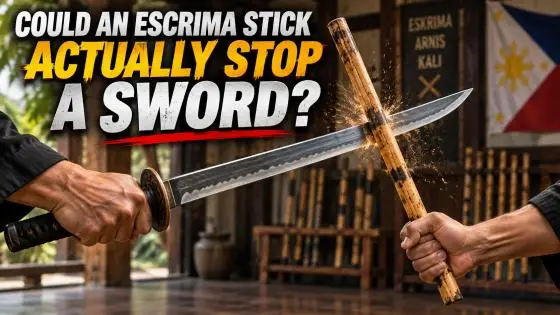
A sword blade slamming into a simple rattan stick looks like a hopeless mismatch. Steel is harder, sharper, and specifically designed to cut, while an escrima stick is little more than a lightweight length of cane. Yet Filipino martial arts have long trained practitioners to deal with edged weapons while holding sticks, creating an obvious question: if a sword came down with real force, could an escrima stick actually stop it? The answer depends on what we mean by "stop." Deflecting a blade, surviving a glancing impact, and absorbing a powerful direct cut are three very different tests, and rattan behaves in ways that make the outcome more interesting than it first appears.
September 21st, 2026
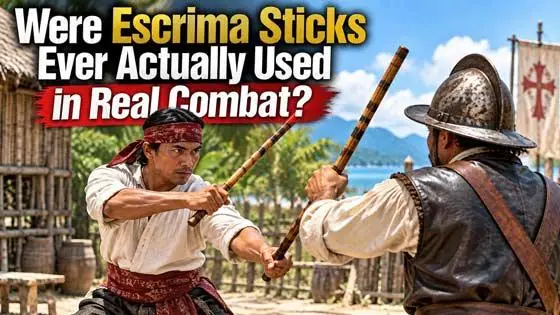
Today, escrima sticks are so closely associated with martial arts training that it is easy to assume they were always practice weapons. But the fighting traditions of the Philippines developed in a world where ordinary objects could become weapons, edged weapons were not always available, and a hardwood or rattan stick could be far more than a harmless substitute for a blade. So were escrima sticks actually carried into real fights, or did stick fighting develop mainly as a safer way to practice techniques meant for swords and knives? The answer is more complicated than either version of the story suggests.
September 3rd, 2026
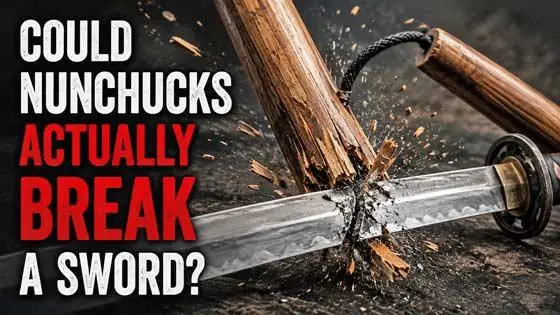
A sword blade looks almost indestructible when compared with two pieces of wood connected by a cord or chain. Yet martial arts stories and demonstrations have helped create a much stranger possibility: could a hard swing from a pair of nunchucks actually damage a sword badly enough to break it? At first, the answer seems obvious. Steel should win. But sword blades are not simply bars of metal, nunchaku do not behave like ordinary clubs, and the word "break" can mean everything from a tiny chip in an edge to a blade snapping completely in two. Once wood, steel, speed, impact angle, and centuries of martial arts mythology collide, this seemingly ridiculous question becomes far more interesting than it sounds.
September 3rd, 2026
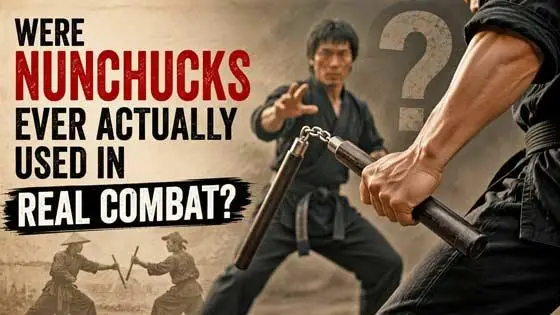
Nunchucks are so firmly established as a fighting weapon that questioning whether anyone actually fought with them sounds almost ridiculous. They appear in martial arts demonstrations, movies, training halls, and modern weapon collections, while their reputation suggests a long history of warriors swinging them against real opponents. Yet when we look beyond popular culture and start searching for evidence of nunchaku being carried into genuine combat, the story becomes surprisingly difficult to pin down. There are traditions, theories, and plenty of claims, but far fewer historical records than their fearsome reputation might lead us to expect. So were nunchucks really weapons of combat, or did they become famous for a role they rarely played?
September 2nd, 2026
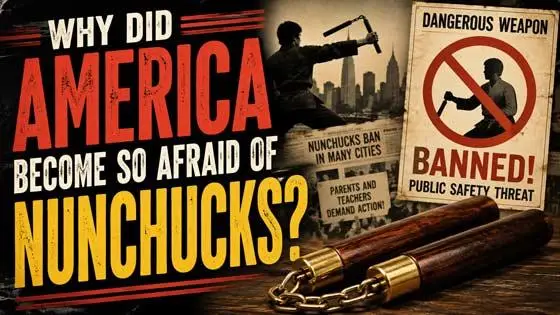
For a weapon made from two short sticks connected by a chain or cord, nunchucks managed to cause an extraordinary amount of anxiety in the United States. By the 1970s, they were appearing on movie screens, turning up in martial arts schools, and becoming instantly recognizable to millions of Americans who had barely known they existed a decade earlier. Then something unusual happened. Instead of being treated like just another exotic martial arts weapon, nunchucks became the target of bans, alarming news coverage, and laws that sometimes placed them in a category all their own. How did an obscure weapon associated with Okinawan martial arts become frightening enough that lawmakers felt compelled to single it out? The answer has as much to do with movies, changing American culture, and public perception as it does with the weapon itself.