




What Is a Kunai? From Japanese Tool to Ninja Weapon
May 13th, 2026
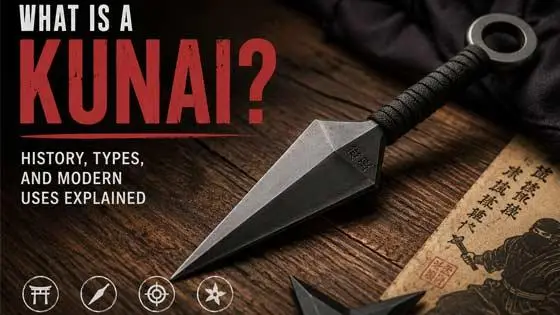
Kunai are one of the most recognizable weapons associated with ninjas, martial arts, and Japanese history, but most people only know them from movies, anime, or video games. In reality, the original kunai was not designed as a flashy throwing weapon at all. It started as a simple utility tool that could be used for digging, prying, scraping, and other everyday tasks. Over time, the design evolved into something far more iconic, especially as ninjas and martial arts culture became popular around the world.
Today, modern kunai come in several different styles ranging from realistic training replicas to balanced throwing designs used for target practice and martial arts demonstrations. Some are built with traditional shapes inspired by historical Japanese tools, while others are heavily influenced by pop culture and anime. Whether you are interested in ninja history, martial arts weapons, or learning more about modern throwing knives, understanding the history and purpose of the kunai helps explain why this unique design has remained popular for so many years.
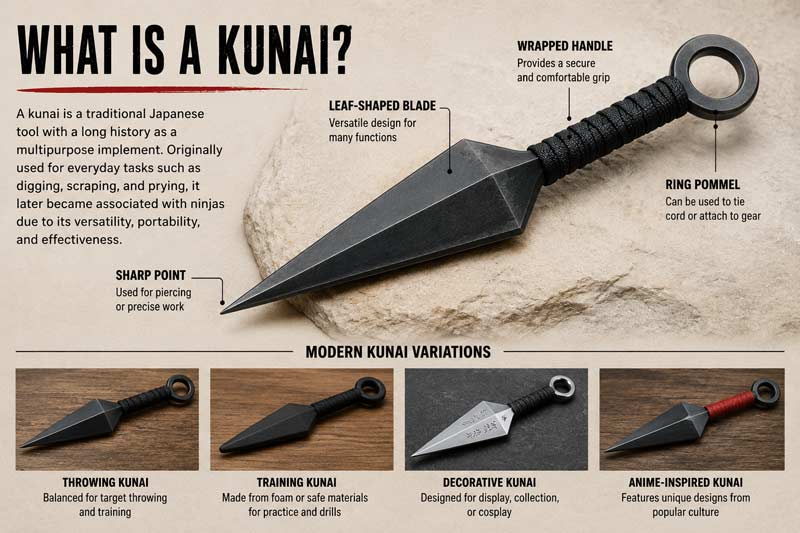
A kunai is a Japanese tool and weapon design that is most commonly recognized for its pointed blade and ring-shaped handle. Today, many people associate kunai with ninjas, martial arts movies, anime, and throwing weapons, but the original kunai was actually believed to have started as a basic utility tool used for everyday work. Its simple shape made it useful for digging, prying, scraping, and other practical tasks long before it became connected to ninja legends.
Traditional kunai typically featured a leaf-shaped metal blade with a sharp point and a wrapped handle ending in a circular ring. That ring allowed the tool to be tied to rope, hung from a belt, or used for better grip control. Unlike many modern fantasy versions, historical kunai were usually fairly simple and functional in appearance. Some were sharpened for defensive use, while others were left dull and mainly served as multipurpose tools.
Over time, the kunai became heavily associated with ninjas because of how versatile and portable it was. Stories and pop culture often portray kunai as specialized throwing weapons, though historians still debate how commonly they were actually thrown in combat. In modern martial arts and recreational use, however, kunai are often designed specifically for target throwing and training practice.
Modern versions now come in a wide range of styles including foam trainers, decorative replicas, anime-inspired designs, and balanced steel models made for throwing practice. Some are designed to look historically inspired, while others are built mainly for collecting, cosplay, or recreational target use. Their simple shape, recognizable design, and connection to Japanese martial arts culture have helped keep kunai popular around the world for decades.
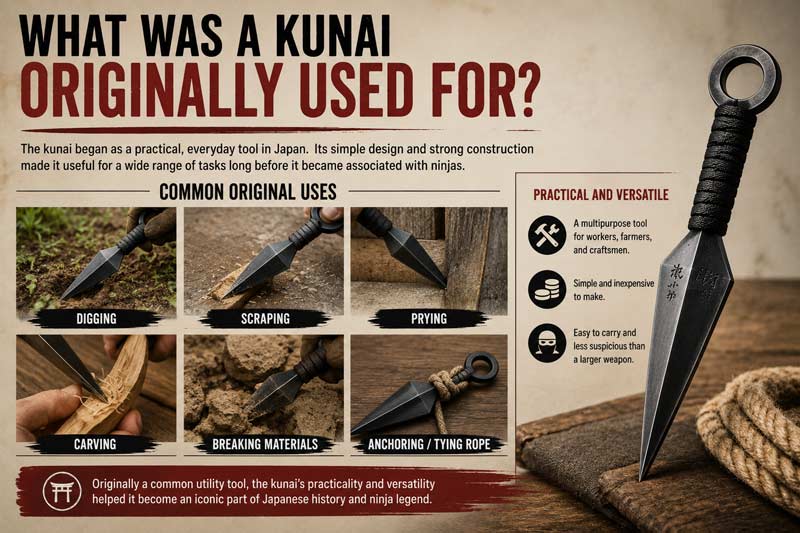
Although modern pop culture usually portrays kunai as specialized ninja weapons, historians generally believe the original kunai started out as a basic utility tool used by farmers, laborers, and craftsmen in Japan. Its sturdy metal construction and pointed shape made it practical for a variety of everyday tasks including digging, scraping, prying, carving, and breaking apart softer materials. In many ways, it functioned more like a multipurpose hand tool than a dedicated weapon.
Unlike swords or highly refined military weapons, traditional kunai were relatively simple and inexpensive to make. They were often forged from iron or lower-grade metal and designed for durability rather than appearance. Because they were common tools, carrying one would not have attracted as much attention as carrying a sword or other obvious weapon. That practicality is one reason the kunai eventually became associated with ninjas and covert operations in popular stories and legends.
Some historical accounts suggest kunai could also be adapted for climbing, anchoring rope, or creating openings in wood or plaster walls. While movies and anime often exaggerate these uses, the design itself was certainly versatile enough for many different practical tasks. The ring at the end of the handle made it easier to attach rope or carry the tool securely while traveling.
As martial arts culture and ninja mythology spread internationally, the kunai gradually evolved from a simple utility tool into one of the most recognizable Japanese weapon designs in the world. Modern replicas are now commonly used for collecting, cosplay, martial arts demonstrations, and recreational target practice rather than everyday labor tasks.
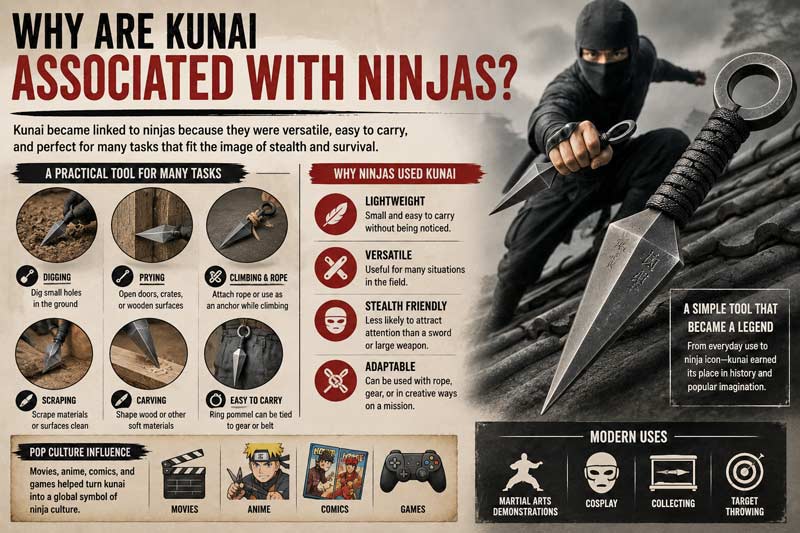
The connection between kunai and ninjas mostly comes from the tool's versatility, portability, and later portrayals in movies, comics, anime, and video games. Since the kunai was small, durable, and easy to carry, it fit naturally into the image of a ninja using practical tools for stealth, climbing, survival, and covert movement. Unlike large swords or pole weapons, a kunai could be hidden more easily and adapted for different situations.
Many ninja stories describe kunai being used for tasks like digging small holes, attaching ropes, prying open wooden surfaces, or helping with climbing. While some of these stories are likely exaggerated over time, the design itself was certainly useful as a compact multipurpose tool. The ring pommel at the end of the handle also made it easy to secure to gear or tie to cord when traveling.
Modern entertainment played a huge role in turning the kunai into a globally recognized ninja weapon. Anime series, martial arts films, comic books, and action games often portray ninjas throwing kunai with extreme speed and accuracy. In some franchises, kunai are even shown with oversized blades, fantasy shapes, or supernatural abilities that have little connection to the original historical tool.
Because of that exposure, many people now immediately associate kunai with ninja culture even if they know very little about the actual history behind the design. Today, replica kunai are commonly used for cosplay, martial arts demonstrations, collecting, and recreational target throwing, especially among fans of Japanese martial arts history and ninja-themed entertainment.
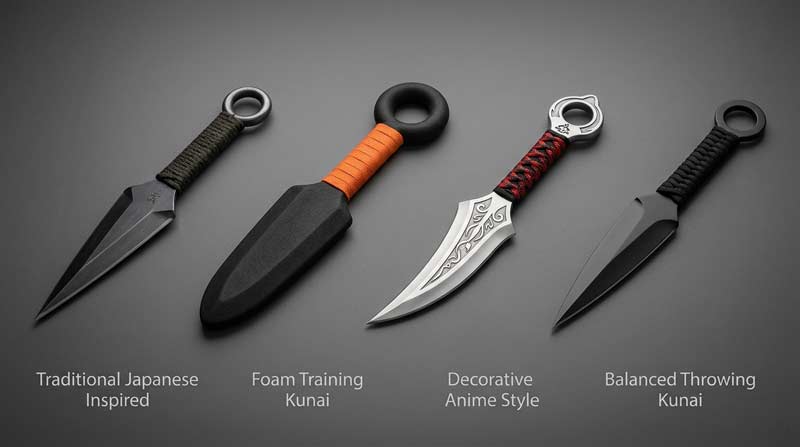
Modern kunai come in a much wider variety of styles than the original historical versions used in Japan. While traditional kunai were relatively simple utility tools, many modern designs are built specifically for target throwing, martial arts practice, collecting, cosplay, or display. Some are inspired by historical Japanese shapes, while others are heavily influenced by anime, movies, and gaming culture.
One of the most common modern styles is the throwing kunai. These are usually made from a single solid piece of steel and designed with balanced weight distribution for more consistent throwing performance. Many people who practice recreational target throwing enjoy kunai because the ring pommel provides a secure grip and the broad blade shape gives them a very recognizable appearance compared to other throwing designs.
There are also foam and rubber training kunai made for safe practice, martial arts demonstrations, or cosplay events. These are especially popular among younger martial arts fans and convention attendees because they allow people to practice movements or complete costumes without carrying sharp metal replicas. Decorative kunai are another large category, often featuring fantasy-inspired blade shapes, colored cord wrapping, engraved symbols, or oversized anime styling.
Some collectors prefer realistic kunai that stay close to traditional Japanese-inspired designs, while others enjoy modern interpretations that look more aggressive or stylized. Because of that variety, kunai now appeal to a wide range of people including martial arts enthusiasts, collectors, anime fans, target throwers, and people interested in Japanese history and ninja culture.
Many modern designs also overlap with other styles of ninja throwing knives, especially models intended for recreational target practice. While the appearance may differ, the balance, durability, and throwing characteristics are often designed with similar goals in mind.
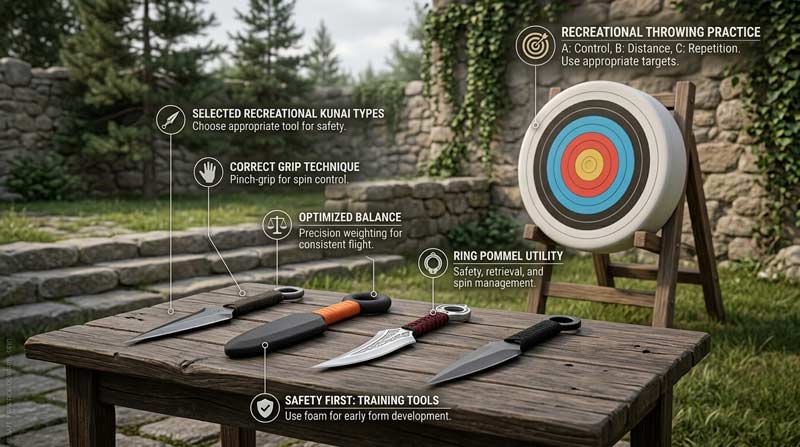
Kunai are popular for recreational target throwing because their shape is easy to grip, easy to rotate, and visually easy to track while practicing. Many throwing enthusiasts enjoy the balanced feel of a well-made kunai, especially when practicing short-distance throws at foam or wooden targets. The ring pommel also gives throwers a consistent grip point, which can help beginners develop more repeatable throwing mechanics.
That said, not every kunai is designed specifically for throwing practice. Some decorative models are intended mainly for cosplay or display and may not have the balance or durability needed for repeated impact against targets. Training-focused designs are usually built from solid steel with reinforced construction and a more even weight distribution so they can handle repeated use more reliably.
People who are interested in recreational target throwing often experiment with different styles and weights to see what feels most comfortable. Some prefer lightweight kunai with faster rotation, while others like heavier designs that carry more momentum through the throw. The ideal choice usually comes down to personal preference, throwing distance, and the type of target being used.
Many beginners who start with kunai eventually branch out into practicing with other types of target throwing knives as they improve their accuracy and consistency. Although the shapes may differ, the basic throwing principles such as grip, rotation, distance control, and follow-through are often very similar across multiple throwing styles.
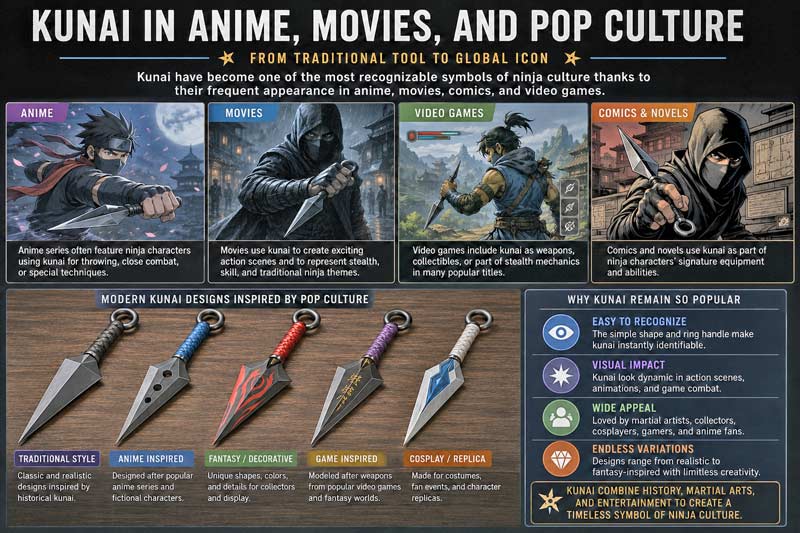
A major reason kunai became so recognizable outside Japan is because of their appearance in anime, movies, comic books, and video games. For many people, their first exposure to kunai came from ninja characters in popular entertainment rather than from actual martial arts history. Over the years, the weapon's simple but distinctive design made it a favorite visual element in action scenes, fantasy stories, and martial arts media.
Anime played an especially large role in popularizing kunai worldwide. Many well-known series feature ninja characters using stylized kunai for throwing, close-range combat, or special attacks. These fictional versions are often exaggerated with oversized blades, glowing effects, unusual shapes, or unrealistic abilities that go far beyond the historical tool that originally inspired them. Despite that, the basic ring-handled design remains instantly recognizable.
Movies and video games also helped turn kunai into one of the most iconic symbols of ninja culture. Action games frequently include collectible kunai weapons, stealth mechanics, or throwing-based combat systems inspired by martial arts themes. Because of that exposure, kunai have become popular not only among martial arts enthusiasts but also among collectors, cosplay fans, gamers, and anime communities.
Modern replicas are often designed specifically with pop culture fans in mind. Some feature bright colors, fantasy-inspired blade shapes, engraved symbols, or details based on famous fictional characters. Others stay closer to traditional designs for people who prefer a more realistic appearance. That combination of history, martial arts influence, and entertainment exposure is a big reason kunai remain one of the most recognizable Japanese weapon designs in the world today.
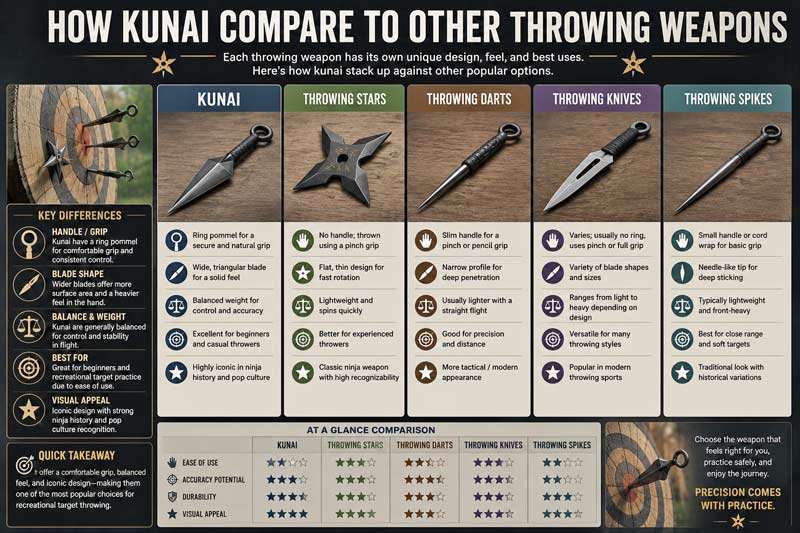
Kunai are often grouped together with throwing stars, darts, and other throwing blades, but they have a very different shape and feel compared to many traditional throwing weapons. One of the biggest differences is the handle design. The ring pommel gives kunai a unique grip that many people find comfortable and easy to control during recreational target practice. Their wider blade shape also tends to make them feel heavier and more substantial than smaller throwing spikes or thin throwing darts.
Compared to flat throwing stars, kunai are usually easier for beginners to hold and throw consistently. Many people find that the larger handle and balanced weight distribution make basic throwing techniques easier to learn. While throwing stars are compact and fast-spinning, kunai often provide a more controlled feel that appeals to beginners and casual target throwers.
Kunai are also commonly compared to modern kunai knives and other recreational throwing blades designed for target practice. Some throwing knives are built with slim profiles for faster rotation, while others prioritize durability or balanced flight characteristics. Kunai stand out because of their recognizable silhouette, ringed handle, and strong connection to ninja history and pop culture.
Although movies sometimes portray kunai as highly specialized ninja weapons, modern versions are usually appreciated more for their visual appeal, collectibility, and recreational throwing use. Their simple design, comfortable grip, and iconic appearance continue to make them one of the most recognizable throwing blade styles in the world.
Kunai have evolved from simple utility tools into some of the most recognizable symbols of ninja culture and Japanese martial arts. While movies, anime, and video games often portray them as specialized weapons with exaggerated abilities, the original design was valued mainly for its practicality, durability, and versatility. That balance between real history and modern pop culture is a big reason kunai continue to attract attention around the world today.
Modern kunai appeal to a wide range of people for different reasons. Some enjoy them as collectibles or cosplay accessories, while others appreciate their role in martial arts history and recreational target throwing. Their distinctive ring handle, compact profile, and recognizable silhouette help them stand out from many other blade designs, especially among fans of ninja-themed entertainment and Japanese-inspired weaponry.
For people interested in recreational target practice, martial arts gear, or collectible blade designs, modern Japanese-style throwing knives continue to remain popular because of their unique appearance and versatile handling characteristics. Whether someone is drawn to traditional-inspired designs or modern fantasy variations, the kunai has earned its place as one of the most iconic throwing blade styles ever created.
What Is a Kunai?
A kunai is a Japanese tool and weapon design that is most commonly recognized for its pointed blade and ring-shaped handle. Today, many people associate kunai with ninjas, martial arts movies, anime, and throwing weapons, but the original kunai was actually believed to have started as a basic utility tool used for everyday work. Its simple shape made it useful for digging, prying, scraping, and other practical tasks long before it became connected to ninja legends.
Traditional kunai typically featured a leaf-shaped metal blade with a sharp point and a wrapped handle ending in a circular ring. That ring allowed the tool to be tied to rope, hung from a belt, or used for better grip control. Unlike many modern fantasy versions, historical kunai were usually fairly simple and functional in appearance. Some were sharpened for defensive use, while others were left dull and mainly served as multipurpose tools.
Over time, the kunai became heavily associated with ninjas because of how versatile and portable it was. Stories and pop culture often portray kunai as specialized throwing weapons, though historians still debate how commonly they were actually thrown in combat. In modern martial arts and recreational use, however, kunai are often designed specifically for target throwing and training practice.
Modern versions now come in a wide range of styles including foam trainers, decorative replicas, anime-inspired designs, and balanced steel models made for throwing practice. Some are designed to look historically inspired, while others are built mainly for collecting, cosplay, or recreational target use. Their simple shape, recognizable design, and connection to Japanese martial arts culture have helped keep kunai popular around the world for decades.
What Was a Kunai Originally Used For?
Although modern pop culture usually portrays kunai as specialized ninja weapons, historians generally believe the original kunai started out as a basic utility tool used by farmers, laborers, and craftsmen in Japan. Its sturdy metal construction and pointed shape made it practical for a variety of everyday tasks including digging, scraping, prying, carving, and breaking apart softer materials. In many ways, it functioned more like a multipurpose hand tool than a dedicated weapon.
Unlike swords or highly refined military weapons, traditional kunai were relatively simple and inexpensive to make. They were often forged from iron or lower-grade metal and designed for durability rather than appearance. Because they were common tools, carrying one would not have attracted as much attention as carrying a sword or other obvious weapon. That practicality is one reason the kunai eventually became associated with ninjas and covert operations in popular stories and legends.
Some historical accounts suggest kunai could also be adapted for climbing, anchoring rope, or creating openings in wood or plaster walls. While movies and anime often exaggerate these uses, the design itself was certainly versatile enough for many different practical tasks. The ring at the end of the handle made it easier to attach rope or carry the tool securely while traveling.
As martial arts culture and ninja mythology spread internationally, the kunai gradually evolved from a simple utility tool into one of the most recognizable Japanese weapon designs in the world. Modern replicas are now commonly used for collecting, cosplay, martial arts demonstrations, and recreational target practice rather than everyday labor tasks.
Why Are Kunai Associated With Ninjas?
The connection between kunai and ninjas mostly comes from the tool's versatility, portability, and later portrayals in movies, comics, anime, and video games. Since the kunai was small, durable, and easy to carry, it fit naturally into the image of a ninja using practical tools for stealth, climbing, survival, and covert movement. Unlike large swords or pole weapons, a kunai could be hidden more easily and adapted for different situations.
Many ninja stories describe kunai being used for tasks like digging small holes, attaching ropes, prying open wooden surfaces, or helping with climbing. While some of these stories are likely exaggerated over time, the design itself was certainly useful as a compact multipurpose tool. The ring pommel at the end of the handle also made it easy to secure to gear or tie to cord when traveling.
Modern entertainment played a huge role in turning the kunai into a globally recognized ninja weapon. Anime series, martial arts films, comic books, and action games often portray ninjas throwing kunai with extreme speed and accuracy. In some franchises, kunai are even shown with oversized blades, fantasy shapes, or supernatural abilities that have little connection to the original historical tool.
Because of that exposure, many people now immediately associate kunai with ninja culture even if they know very little about the actual history behind the design. Today, replica kunai are commonly used for cosplay, martial arts demonstrations, collecting, and recreational target throwing, especially among fans of Japanese martial arts history and ninja-themed entertainment.
Modern Kunai Designs and Variations
Modern kunai come in a much wider variety of styles than the original historical versions used in Japan. While traditional kunai were relatively simple utility tools, many modern designs are built specifically for target throwing, martial arts practice, collecting, cosplay, or display. Some are inspired by historical Japanese shapes, while others are heavily influenced by anime, movies, and gaming culture.
One of the most common modern styles is the throwing kunai. These are usually made from a single solid piece of steel and designed with balanced weight distribution for more consistent throwing performance. Many people who practice recreational target throwing enjoy kunai because the ring pommel provides a secure grip and the broad blade shape gives them a very recognizable appearance compared to other throwing designs.
There are also foam and rubber training kunai made for safe practice, martial arts demonstrations, or cosplay events. These are especially popular among younger martial arts fans and convention attendees because they allow people to practice movements or complete costumes without carrying sharp metal replicas. Decorative kunai are another large category, often featuring fantasy-inspired blade shapes, colored cord wrapping, engraved symbols, or oversized anime styling.
Some collectors prefer realistic kunai that stay close to traditional Japanese-inspired designs, while others enjoy modern interpretations that look more aggressive or stylized. Because of that variety, kunai now appeal to a wide range of people including martial arts enthusiasts, collectors, anime fans, target throwers, and people interested in Japanese history and ninja culture.
Many modern designs also overlap with other styles of ninja throwing knives, especially models intended for recreational target practice. While the appearance may differ, the balance, durability, and throwing characteristics are often designed with similar goals in mind.
Are Kunai Good for Throwing Practice?
Kunai are popular for recreational target throwing because their shape is easy to grip, easy to rotate, and visually easy to track while practicing. Many throwing enthusiasts enjoy the balanced feel of a well-made kunai, especially when practicing short-distance throws at foam or wooden targets. The ring pommel also gives throwers a consistent grip point, which can help beginners develop more repeatable throwing mechanics.
That said, not every kunai is designed specifically for throwing practice. Some decorative models are intended mainly for cosplay or display and may not have the balance or durability needed for repeated impact against targets. Training-focused designs are usually built from solid steel with reinforced construction and a more even weight distribution so they can handle repeated use more reliably.
People who are interested in recreational target throwing often experiment with different styles and weights to see what feels most comfortable. Some prefer lightweight kunai with faster rotation, while others like heavier designs that carry more momentum through the throw. The ideal choice usually comes down to personal preference, throwing distance, and the type of target being used.
Many beginners who start with kunai eventually branch out into practicing with other types of target throwing knives as they improve their accuracy and consistency. Although the shapes may differ, the basic throwing principles such as grip, rotation, distance control, and follow-through are often very similar across multiple throwing styles.
Kunai in Anime, Movies, and Pop Culture
A major reason kunai became so recognizable outside Japan is because of their appearance in anime, movies, comic books, and video games. For many people, their first exposure to kunai came from ninja characters in popular entertainment rather than from actual martial arts history. Over the years, the weapon's simple but distinctive design made it a favorite visual element in action scenes, fantasy stories, and martial arts media.
Anime played an especially large role in popularizing kunai worldwide. Many well-known series feature ninja characters using stylized kunai for throwing, close-range combat, or special attacks. These fictional versions are often exaggerated with oversized blades, glowing effects, unusual shapes, or unrealistic abilities that go far beyond the historical tool that originally inspired them. Despite that, the basic ring-handled design remains instantly recognizable.
Movies and video games also helped turn kunai into one of the most iconic symbols of ninja culture. Action games frequently include collectible kunai weapons, stealth mechanics, or throwing-based combat systems inspired by martial arts themes. Because of that exposure, kunai have become popular not only among martial arts enthusiasts but also among collectors, cosplay fans, gamers, and anime communities.
Modern replicas are often designed specifically with pop culture fans in mind. Some feature bright colors, fantasy-inspired blade shapes, engraved symbols, or details based on famous fictional characters. Others stay closer to traditional designs for people who prefer a more realistic appearance. That combination of history, martial arts influence, and entertainment exposure is a big reason kunai remain one of the most recognizable Japanese weapon designs in the world today.
How Kunai Compare to Other Throwing Weapons
Kunai are often grouped together with throwing stars, darts, and other throwing blades, but they have a very different shape and feel compared to many traditional throwing weapons. One of the biggest differences is the handle design. The ring pommel gives kunai a unique grip that many people find comfortable and easy to control during recreational target practice. Their wider blade shape also tends to make them feel heavier and more substantial than smaller throwing spikes or thin throwing darts.
Compared to flat throwing stars, kunai are usually easier for beginners to hold and throw consistently. Many people find that the larger handle and balanced weight distribution make basic throwing techniques easier to learn. While throwing stars are compact and fast-spinning, kunai often provide a more controlled feel that appeals to beginners and casual target throwers.
Kunai are also commonly compared to modern kunai knives and other recreational throwing blades designed for target practice. Some throwing knives are built with slim profiles for faster rotation, while others prioritize durability or balanced flight characteristics. Kunai stand out because of their recognizable silhouette, ringed handle, and strong connection to ninja history and pop culture.
Although movies sometimes portray kunai as highly specialized ninja weapons, modern versions are usually appreciated more for their visual appeal, collectibility, and recreational throwing use. Their simple design, comfortable grip, and iconic appearance continue to make them one of the most recognizable throwing blade styles in the world.
Final Thoughts on the History and Popularity of Kunai
Kunai have evolved from simple utility tools into some of the most recognizable symbols of ninja culture and Japanese martial arts. While movies, anime, and video games often portray them as specialized weapons with exaggerated abilities, the original design was valued mainly for its practicality, durability, and versatility. That balance between real history and modern pop culture is a big reason kunai continue to attract attention around the world today.
Modern kunai appeal to a wide range of people for different reasons. Some enjoy them as collectibles or cosplay accessories, while others appreciate their role in martial arts history and recreational target throwing. Their distinctive ring handle, compact profile, and recognizable silhouette help them stand out from many other blade designs, especially among fans of ninja-themed entertainment and Japanese-inspired weaponry.
For people interested in recreational target practice, martial arts gear, or collectible blade designs, modern Japanese-style throwing knives continue to remain popular because of their unique appearance and versatile handling characteristics. Whether someone is drawn to traditional-inspired designs or modern fantasy variations, the kunai has earned its place as one of the most iconic throwing blade styles ever created.
You May Also Be Interested In:
- How the Kunai Became a Ninja Legend
- From Garden Tool to Combat Blade: The Evolution of the Kunai
- The Real History of Nunchaku: From Farm Tool to Hollywood Icon
- The History of the Monkey Fist: From Sailing Knot to Modern Tool
- 10 Real Ninja Weapons and How They Were Actually Used
- Why Did Ninja Wear Black? (Or Is That Another Myth?)
- What Is a Shuriken? Types of Ninja Throwing Stars Explained
- What Is a Tonfa Weapon and How Was It Originally Used?
- What Is the Most Difficult Weapon to Defend Against?
- Kubaton Weapon: What It Is and How It Works for Self Defense
Leave a Reply