




The Real History of Escrima Sticks: From Battlefield Weapon to Modern Martial Art
December 29th, 2025
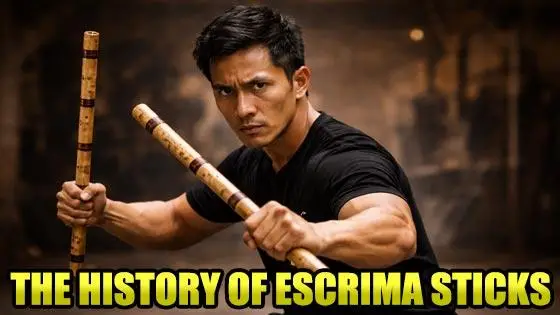
Few martial arts weapons carry as much history, culture, and survival instinct as the Escrima stick. Long before they were used in structured training drills, flow patterns, and tournament demonstrations, these seemingly simple rattan sticks played a role in tribal warfare, resistance against foreign invaders, cultural preservation, and practical day-to-day survival in the Philippines. Their story isn't just about fighting techniques. It is about adaptation, ingenuity, and how an entire combat system evolved under the pressures of colonization, war, and necessity to become one of the most respected and influential martial arts in the world today.
The Origins of Stick Fighting in the Philippines
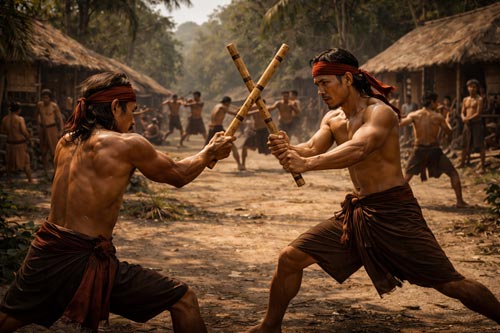
Long before Escrima became a structured martial art with formal training drills, ranking systems, and instructional schools, stick fighting existed as a natural part of life in the Philippines. Across the thousands of islands that make up the archipelago, early Filipino tribes developed their own methods of combat to protect territory, hunt, settle disputes, and survive in a world where danger could come from rival groups or foreign invaders. These early fighting systems did not begin in a dojo or gym. They grew from necessity, shaped by culture, environment, and real conflict.
The Philippines has always been rich in hardwoods, rattan, and cane materials, so sticks were readily available, durable, and easy to replace. They were practical tools that could be used for herding, daily labor, and combat when needed. Over time, techniques were refined through experience. Warriors learned how to strike efficiently, how to intercept attacks, and how to adapt movements to different ranges and situations. These skills were not taught as a form of sport or hobby. They were passed down through families and communities because knowing how to fight could literally determine whether someone lived or died.
As villages and tribes developed their own methods, regional styles began to emerge, each influenced by local culture and environment. Some emphasized fast striking and footwork, others focused on powerful blows and close-range control, and many blended stick, blade, and empty-hand techniques together. Although names like Eskrima, Kali, and Arnis would come later, the foundation was already being built through generations of real-world experience. What may look like simple sticks today were, at one time, essential survival tools in a world where conflict was common and strength mattered.
Colonial Influence and the Hidden Evolution of Escrima
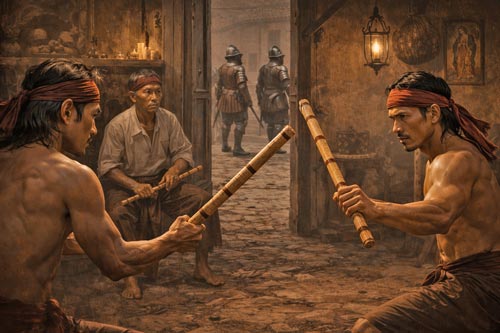
When Spanish colonization began in the 1500s, the Philippines changed forever, and so did its martial traditions. The Spanish quickly recognized how skilled Filipinos were with blades and sticks, and as they gained control, many forms of native weapons training were restricted, discouraged, or pushed out of public view. But instead of disappearing, Filipino martial arts adapted. Techniques were preserved quietly within families, disguised in cultural practices, and woven into everyday activities so they would never be lost.
One of the biggest influences during this era came from Spanish fencing and swordplay. Filipino warriors observed and absorbed European methods of footwork, timing, blade positioning, and defensive structure, then blended those concepts with their already well-developed indigenous techniques. Over time, a unique hybrid system formed, combining native Filipino combat concepts with Spanish influence, which helped refine the precision, flow, and strategic movement that Escrima, Kali, and Arnis are now famous for.
Because open weapons training was risky, sticks became an even more important part of practice. They allowed martial artists to continue developing combat skills without always relying on live blades. The stick became more than a simple training tool. It transformed into a symbol of resilience, cultural pride, and the determination to keep Filipino martial knowledge alive even during centuries of foreign rule. What began as survival training had now evolved into a sophisticated martial tradition that blended practicality, innovation, and cultural identity.
Escrima in a Time of Revolution and War
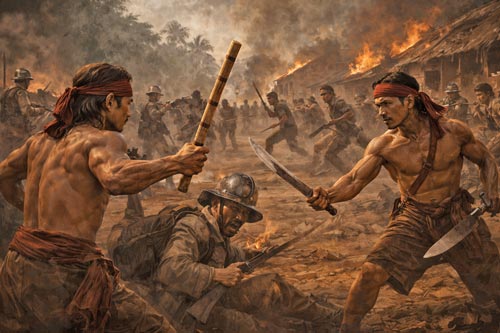
As the Philippines moved closer to rebellion and eventually war, the skills preserved through generations of quiet training began to resurface in powerful ways. During the late 1800s and early 1900s, Filipino fighters faced multiple conflicts, including uprisings against Spanish rule, battles against American forces, and later the brutal realities of World War II. Through all of these turbulent periods, Filipino martial arts remained deeply connected to survival, resistance, and national identity.
Many guerrilla fighters and local resistance groups relied on the same combat principles that had been passed down for centuries. While firearms and modern weapons became more prevalent, close-quarters combat skills, fast striking ability, and weapon adaptability stayed incredibly valuable. In some cases, fighters trained with sticks but applied those same movements to bolos, machetes, knives, or anything they could get their hands on. The stick again served not only as a training tool, but as a bridge to real-world combat effectiveness.
World War II especially played a major role in strengthening the reputation of Filipino martial arts. Numerous Filipino fighters, scouts, and resistance members earned respect for their speed, precision, and fierce fighting ability, often using principles rooted in Escrima, Kali, and Arnis. Their effectiveness under extreme conditions helped cement these arts as serious, battle-proven systems rather than theatrical or ceremonial displays. By the time the Philippines began rebuilding after the war, Filipino martial arts were no longer just cultural traditions. They were living proof of the country's resilience, adaptability, and warrior spirit.
The Rise of Escrima as a Recognized Martial Art
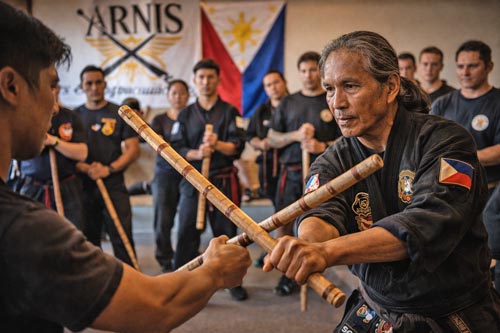
After World War II, Filipino martial arts began to move from hidden training and battlefield necessity into a more public and respected practice. As communities rebuilt and life slowly stabilized, many masters who had preserved their knowledge through war and hardship finally began teaching openly. What had once been guarded family knowledge started to be shared more widely, leading to the gradual organization of systems, styles, and formal schools. For the first time, Escrima, Kali, and Arnis weren't just tools of survival. They were becoming established martial arts traditions with identity and pride behind them.
During this period, the Philippines also saw a growing sense of nationalism and cultural preservation. Filipino martial arts were recognized as part of the nation's heritage rather than something that needed to be hidden or suppressed. In 2009, that recognition became official when Arnis (also encompassing Escrima and Kali) was declared the Philippines' national martial art and sport. This helped cement Filipino stick fighting not just as a combat system, but as a cultural treasure representing history, resilience, and national spirit.
As Filipino martial arts became more widely taught and respected, training with rattan sticks became the foundation of many schools and systems. Today, practitioners around the world continue that tradition using quality Escrima training sticks designed for real practice.
Meanwhile, Filipino martial arts were spreading far beyond the Philippines. Filipino immigrants, martial arts veterans, and respected grandmasters carried their knowledge overseas, sharing it with students in the United States, Europe, and around the world. Law enforcement, military units, and professional self-defense instructors began integrating Escrima concepts because of their practicality and efficiency. What started centuries ago in tribal communities had now become an internationally respected system taught in gyms, dojos, and training halls worldwide. The Escrima stick had officially gone from battlefield weapon to global martial arts icon.
Escrima in the Modern World
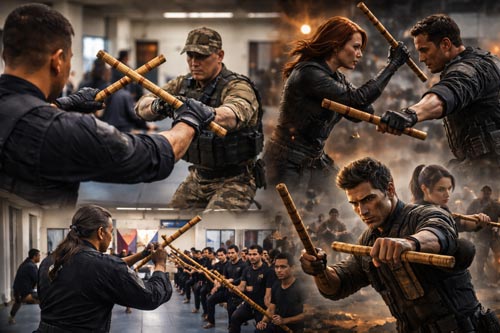
Today, Escrima sticks are instantly recognizable in martial arts circles around the world, and their influence reaches far beyond traditional training halls. Filipino martial arts have become deeply respected for their practicality, adaptability, and direct application to real-world situations. Many modern self-defense programs, law enforcement training systems, and even military combatives courses use Escrima concepts because they translate easily to batons, improvised weapons, and close-quarters combat. The same principles that once helped Filipino warriors survive now help modern practitioners build coordination, precision, and confidence.
Escrima has also gained major visibility through entertainment and pop culture. Movies, television shows, and video games frequently showcase Filipino stick fighting because of its fast, fluid, and highly technical movement. Fans of action films may recognize Escrima techniques in fight choreography from well-known franchises and characters, which has helped introduce the art to people who may have never seen it otherwise. What was once a hidden battlefield art has now become something millions of people admire and study worldwide.
Despite its global reach, Escrima has never lost its cultural heart. Training with sticks is still a living link to Filipino heritage, honoring the warriors, teachers, and everyday people who preserved it through centuries of change. Every strike, every drill, and every pattern carries a history much deeper than simple technique. The Escrima stick represents survival, identity, pride, and the spirit of a people who refused to let their traditions fade. From ancient villages to modern martial arts schools, its journey is one of strength, resilience, and respect.
The Legacy and Meaning of the Escrima Stick
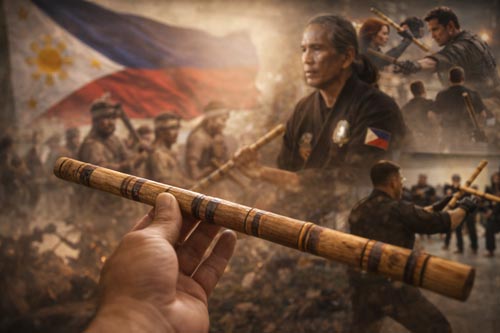
When you look at an Escrima stick today, it may seem like a simple training tool made from rattan, hardwood, or modern synthetic materials. But its story runs far deeper than appearances suggest. That stick represents hundreds of years of history, conflict, adaptation, and cultural pride. It carries the legacy of warriors who defended their homes, families who preserved traditions in secret, and teachers who shared their knowledge so future generations would never forget where it came from. Every drill, strike, and movement connects modern practitioners to that living heritage.
What makes Escrima special is that it was never shaped only by sport or competition. It was forged through survival, refined through real combat, and strengthened by the resilience of the Filipino people. Even as the art continues to evolve and spread globally, the heart of Escrima remains grounded in respect, discipline, and cultural identity. Whether practiced in a traditional village, a modern dojo, a military training environment, or a local martial arts school, the principles remain the same: awareness, precision, flow, and purpose.
Today, Escrima sticks symbolize much more than fighting ability. They represent unity, heritage, and the spirit of a nation that refused to let its traditions fade, even under immense pressure. From ancient warriors to modern practitioners around the world, the Escrima stick has truly earned its place as one of the most meaningful and respected symbols in martial arts history.
Carrying the Tradition Forward
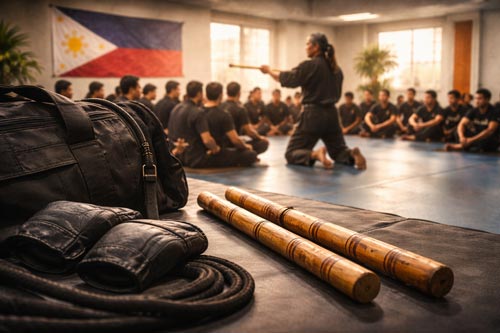
Escrima may have begun centuries ago in the Philippines, but its story is still being written every day by the people who continue to train, teach, and preserve it. Every new student who picks up a pair of sticks becomes part of that living history. Whether you are interested in Escrima for self defense, cultural connection, competition, fitness, or personal growth, the training carries meaning far beyond the techniques themselves. You are stepping into a tradition built on discipline, respect, and the warrior spirit of the Filipino people.
If learning about the history of Escrima has inspired you to explore the art for yourself, the best place to start is with a quality pair of Escrima sticks. They are simple, reliable, and deeply rooted in everything that makes this martial art special. With the right training tools and guidance, you can experience the same flow, precision, and intensity that practitioners have valued for generations and play your part in keeping this incredible martial heritage alive.
If you are ready to begin your journey or upgrade your training gear, be sure to check out our selection of Escrima sticks right here on Kombativ. Train hard, train smart, and carry the tradition forward with pride.
You May Also Be Interested In:
- Were Escrima Sticks Ever Actually Used in Real Combat?
- The Real History of Brass Knuckles: From Battlefield to Back Pocket
- New Competition Escrima Sticks
- Why Is Rattan Better Than Hardwood for Escrima Sticks?
- Why Are Escrima Sticks Usually About 26 Inches Long?
- The Evolution of the Shuriken: From Samurai to Modern Martial Arts
- What Is a Push Dagger? History, Design, and Modern Uses
- A Brief History of the Push Dagger: From Trench Warfare to Modern EDC
- What Is the Hardest Martial Arts Weapon to Master? We Ranked Them
- The History of the Monkey Fist: From Sailing Knot to Modern Tool
Leave a Reply