



SAP Weapons including Blackjacks & Slapjacks
-
 🔍︎ QUICK VIEW
$24.95
🔍︎ QUICK VIEW
$24.95 -
 🔍︎ QUICK VIEW
$23.95
🔍︎ QUICK VIEW
$23.95 -
 🔍︎ QUICK VIEW
$24.95
🔍︎ QUICK VIEW
$24.95 -
 🔍︎ QUICK VIEW
$24.95
🔍︎ QUICK VIEW
$24.95 -
 🔍︎ QUICK VIEW
$34.95
🔍︎ QUICK VIEW
$34.95 -
 🔍︎ QUICK VIEW
$22.95
🔍︎ QUICK VIEW
$22.95 -
 🔍︎ QUICK VIEW
$22.95
🔍︎ QUICK VIEW
$22.95 -
 🔍︎ QUICK VIEW
$32.95
🔍︎ QUICK VIEW
$32.95 -
 🔍︎ QUICK VIEW
$22.95
🔍︎ QUICK VIEW
$22.95
SAP Weapons including Blackjacks & Slapjacks
At Kombativ.com, we offer a diverse selection of blackjacks, slapjacks, and other SAP weapons designed for self-defense, tactical use, and professional security purposes. These versatile tools are often carried discreetly and serve as highly effective close-combat weapons. Whether you're looking for the traditional blackjacks and slapjacks or more modern alternatives like SAP gloves and SAP caps, our collection includes high-quality, reliable options for personal protection. However, before purchasing or carrying any SAP weapon, we strongly advise you to check local laws and regulations, as the legality of these tools varies by jurisdiction.
The history of SAP weapons dates back several centuries, but they became widely recognized and popular during the early 20th century, particularly in the law enforcement and military sectors. SAP, which stands for Special Applications, is a material used in the construction of these weapons. Typically, SAP weapons are made by encasing heavy, dense materials like lead shot in a flexible, padded outer covering such as leather, making them ideal for striking an opponent with force while minimizing the risk of leaving permanent marks or causing lasting damage. This combination of portability, effectiveness, and discreet design made them a popular choice among law enforcement officers, military personnel, and private security professionals.
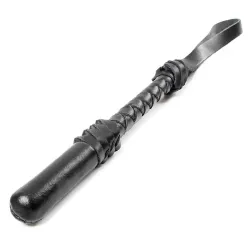
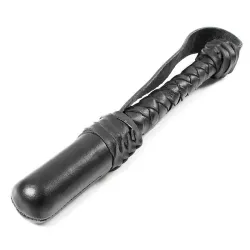
Blackjacks and slapjacks are two of the most well-known types of SAP weapons. A blackjack is essentially a small, handheld weapon consisting of a weighted core, usually wrapped in leather, and is designed for striking an opponent with significant force. Its compact size allows it to be easily concealed, making it ideal for covert self-defense situations. The weapon gets its name from the blackjack slapper, a term referring to the swinging motion used to strike an opponent. Blackjacks are often used in close-range combat, providing an effective means of incapacitating an attacker with a well-placed blow.
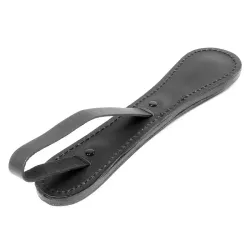
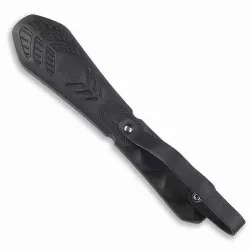
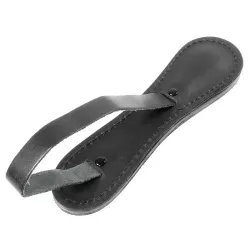
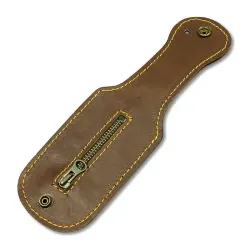
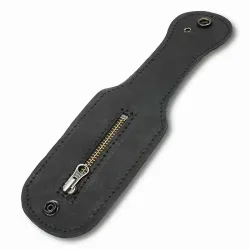
Slapjacks, or slap jacks, are similar to blackjacks but typically have a longer, more flexible design, often resembling a leather strap with a weighted end. The term "slapjack" refers to the distinctive slapping sound made when the weapon is swung, and it's a name often used interchangeably with "beavertail sap" or "flat sap." These weapons deliver a forceful, concentrated strike to vulnerable areas like the head or shoulders, effectively incapacitating an attacker, hopefully without causing any permanent injury. Slapjacks have been popularized in both civilian and professional security settings, where ease of concealment and effective self-defense capabilities are paramount.
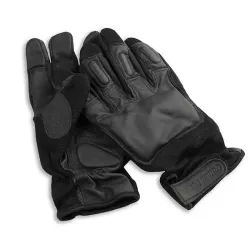
Another variant in this category is the SAP glove. Designed for tactical professionals and those seeking practical self-defense solutions, SAP gloves are equipped with small, built-in weights or SAP inserts in the knuckles or fingers. These gloves allow the wearer to strike with increased force while maintaining the dexterity needed for other tasks. SAP gloves are particularly useful for law enforcement and military personnel who require close-quarters combat tools that can also function as protective gear in high-risk situations. The additional weight in the knuckles offers added striking power, making them a reliable tool for self-defense.
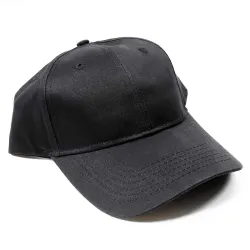
SAP caps are another unique weapon in the SAP category. These caps integrate the functionality of a traditional cap or hat with the effectiveness of an impact weapon. Built into the cap's structure are small weights or SAP material, allowing the wearer to use it as a striking tool in close-combat situations. The discreet nature of SAP caps makes them an ideal option for those who need a non-threatening, easily concealable self-defense tool. While their use is more niche compared to traditional blackjacks or slapjacks, they offer a distinct advantage in terms of concealment and accessibility.
Blackjacks, slapjacks, and SAP weapons in general have a rich history of use in various security, military, and civilian contexts. While their use has been controversial in some regions due to their association with law enforcement and potential misuse, they remain a vital tool for self-defense and personal protection. For modern users, these weapons represent a blend of tradition, functionality, and innovation, offering reliable tools for incapacitating an attacker without resorting to lethal force.
As always, when considering a SAP weapon for your own self-defense needs, it's essential to understand local laws and regulations. These weapons, though non-lethal, can be subject to legal restrictions in many areas. Always ensure that you are in compliance with local guidelines to avoid potential legal consequences.
A SAP weapon is a type of non-lethal, blunt-force weapon typically made with a flexible, padded exterior and a weighted core. The term "SAP" is derived from Special Applications, which refers to the specific design and functionality of these tools. SAP weapons are primarily used for self-defense, law enforcement, military, and security purposes, delivering a forceful strike to incapacitate an attacker with minimal risk of causing serious injury.
SAP weapons include a variety of tools such as blackjacks, slapjacks, SAP gloves, and SAP caps, each designed for different combat scenarios. These weapons are generally used in close-quarters combat due to their compact and easy-to-conceal nature. The weighted core, typically made of lead shot or other dense materials, is encased in leather, rubber, or other durable materials to create a weapon that is both discreet and highly effective.
The key advantage of SAP weapons lies in their ability to incapacitate an opponent with a well-placed strike while reducing the likelihood of permanent damage. Unlike knives or firearms, SAP weapons are designed to subdue an attacker without resorting to deadly force. While they are effective, it is important to remember that their use is regulated in many areas, so checking local laws is critical before carrying one.
A sap, a slapjack, and a blackjack are all compact impact weapons designed for close-quarters self-defense, but their shapes and striking surfaces differ slightly. A "sap" is the general term for a short, weighted club made from leather and filled with dense material, often lead or a similar heavy core. A "slapjack" (or slap jack) is a type of sap with a flat, oval-shaped head that spreads force over a wider area. A "blackjack" usually has a rounder, cylindrical head and can be slightly longer, offering a more concentrated point of impact. All three are designed for quick, powerful strikes at close range, and the terms are sometimes used interchangeably depending on region or tradition.
Laws on sap weapons vary widely depending on your state, city, or country. In some places, owning or carrying a sap, slapjack, or blackjack is completely prohibited, while in others it may be legal with certain restrictions, such as requiring a permit or limiting use to law enforcement. Because the penalties for violating these laws can be serious, it's important to check your local regulations before purchasing, carrying, or using a sap weapon. Always ensure you comply with all applicable laws in your area to avoid legal issues.
The best size sap for self-defense depends on your priorities and how you plan to carry it. A larger sap, such as a long flat slapjack, offers more reach and striking power, which can be helpful for creating distance or delivering stronger impact. However, smaller saps are easier to conceal and carry discreetly, making them better suited for everyday carry where size and weight are concerns. The right choice comes down to balancing stopping power with portability, while also ensuring the size you choose is legal in your area.
The blackjack weapon has been associated with police work and security personnel for more than a century. Early versions appeared in the late 19th and early 20th centuries as compact leather impact tools that were easy to conceal yet powerful in close-quarters. By the mid-1900s, many law enforcement agencies issued blackjacks or slapjacks as standard equipment, valuing their ability to subdue suspects without relying on firearms. Although modern departments have largely replaced them with batons and other tools, the blackjack weapon remains a recognizable part of law enforcement history and is often collected today as a piece of police memorabilia.
Sap weapons and police batons serve a similar purpose as close-range impact tools, but their designs are different. A blackjack weapon or slapjack is compact, made from leather, and weighted with dense material for heavy strikes. Modern police batons, by contrast, are usually longer and constructed from polycarbonate or metal, providing reach and control rather than compact concealment. While a leather sap weapon relies on concentrated weight to deliver force, a baton depends on length and leverage. Both remain iconic in their own right, but today's law enforcement officers typically carry expandable batons instead of traditional leather black jacks or saps.
Although both are considered types of sap weapons, a slapjack and a blackjack weapon have distinct shapes. A blackjack is usually cylindrical, featuring a narrow leather body with a weighted head and often a spring section that gives it a whip-like motion. A slapjack is flatter and wider, with the weight spread through a leather pouch, creating more of a slapping impact. Both designs are small enough for concealment and share the same basic purpose, but the difference in shape affects the way they feel in the hand and the type of strike they deliver. Collectors often appreciate having both styles represented in a sap weapon collection.
A traditional blackjack weapon is built with a simple but durable design. Most begin with a cylindrical head filled with dense material such as lead or other heavy composites. This weighted section is connected to a flexible spring that gives the blackjack its whip-like motion. The entire piece is then wrapped in heavy-duty leather, which not only protects the core but also provides a secure grip. Many versions feature a braided leather handle and a wrist strap for added control. The combination of weight, flexibility, and leather covering is what defines the classic black jack weapon and sets it apart from other impact tools.
Blackjack weapons became popular with law enforcement in the early 20th century because they were compact, easy to conceal, and highly effective at close range. Unlike long wooden batons, a leather blackjack could be carried discreetly in a pocket or on a belt without drawing attention. The weighted head and spring handle allowed officers to generate significant striking force despite the small size, which made it useful for subduing suspects quickly. Over time, many departments phased them out in favor of longer batons and modern tools, but the blackjack weapon remains strongly associated with historic police gear.
The History and Design of SAP Weapons
The history of SAP weapons dates back several centuries, but they became widely recognized and popular during the early 20th century, particularly in the law enforcement and military sectors. SAP, which stands for Special Applications, is a material used in the construction of these weapons. Typically, SAP weapons are made by encasing heavy, dense materials like lead shot in a flexible, padded outer covering such as leather, making them ideal for striking an opponent with force while minimizing the risk of leaving permanent marks or causing lasting damage. This combination of portability, effectiveness, and discreet design made them a popular choice among law enforcement officers, military personnel, and private security professionals.
Blackjacks: Compact and Powerful
Blackjacks and slapjacks are two of the most well-known types of SAP weapons. A blackjack is essentially a small, handheld weapon consisting of a weighted core, usually wrapped in leather, and is designed for striking an opponent with significant force. Its compact size allows it to be easily concealed, making it ideal for covert self-defense situations. The weapon gets its name from the blackjack slapper, a term referring to the swinging motion used to strike an opponent. Blackjacks are often used in close-range combat, providing an effective means of incapacitating an attacker with a well-placed blow.
Slapjacks and Flat Saps
Slapjacks, or slap jacks, are similar to blackjacks but typically have a longer, more flexible design, often resembling a leather strap with a weighted end. The term "slapjack" refers to the distinctive slapping sound made when the weapon is swung, and it's a name often used interchangeably with "beavertail sap" or "flat sap." These weapons deliver a forceful, concentrated strike to vulnerable areas like the head or shoulders, effectively incapacitating an attacker, hopefully without causing any permanent injury. Slapjacks have been popularized in both civilian and professional security settings, where ease of concealment and effective self-defense capabilities are paramount.
Modern Variants: SAP Gloves and SAP Caps
Another variant in this category is the SAP glove. Designed for tactical professionals and those seeking practical self-defense solutions, SAP gloves are equipped with small, built-in weights or SAP inserts in the knuckles or fingers. These gloves allow the wearer to strike with increased force while maintaining the dexterity needed for other tasks. SAP gloves are particularly useful for law enforcement and military personnel who require close-quarters combat tools that can also function as protective gear in high-risk situations. The additional weight in the knuckles offers added striking power, making them a reliable tool for self-defense.
SAP caps are another unique weapon in the SAP category. These caps integrate the functionality of a traditional cap or hat with the effectiveness of an impact weapon. Built into the cap's structure are small weights or SAP material, allowing the wearer to use it as a striking tool in close-combat situations. The discreet nature of SAP caps makes them an ideal option for those who need a non-threatening, easily concealable self-defense tool. While their use is more niche compared to traditional blackjacks or slapjacks, they offer a distinct advantage in terms of concealment and accessibility.
Tradition, Function, and Responsibility
Blackjacks, slapjacks, and SAP weapons in general have a rich history of use in various security, military, and civilian contexts. While their use has been controversial in some regions due to their association with law enforcement and potential misuse, they remain a vital tool for self-defense and personal protection. For modern users, these weapons represent a blend of tradition, functionality, and innovation, offering reliable tools for incapacitating an attacker without resorting to lethal force.
As always, when considering a SAP weapon for your own self-defense needs, it's essential to understand local laws and regulations. These weapons, though non-lethal, can be subject to legal restrictions in many areas. Always ensure that you are in compliance with local guidelines to avoid potential legal consequences.
What type of weapon is a SAP?
A SAP weapon is a type of non-lethal, blunt-force weapon typically made with a flexible, padded exterior and a weighted core. The term "SAP" is derived from Special Applications, which refers to the specific design and functionality of these tools. SAP weapons are primarily used for self-defense, law enforcement, military, and security purposes, delivering a forceful strike to incapacitate an attacker with minimal risk of causing serious injury.
SAP weapons include a variety of tools such as blackjacks, slapjacks, SAP gloves, and SAP caps, each designed for different combat scenarios. These weapons are generally used in close-quarters combat due to their compact and easy-to-conceal nature. The weighted core, typically made of lead shot or other dense materials, is encased in leather, rubber, or other durable materials to create a weapon that is both discreet and highly effective.
The key advantage of SAP weapons lies in their ability to incapacitate an opponent with a well-placed strike while reducing the likelihood of permanent damage. Unlike knives or firearms, SAP weapons are designed to subdue an attacker without resorting to deadly force. While they are effective, it is important to remember that their use is regulated in many areas, so checking local laws is critical before carrying one.
What Is the Difference Between a Sap, a Slapjack, and a Blackjack?
A sap, a slapjack, and a blackjack are all compact impact weapons designed for close-quarters self-defense, but their shapes and striking surfaces differ slightly. A "sap" is the general term for a short, weighted club made from leather and filled with dense material, often lead or a similar heavy core. A "slapjack" (or slap jack) is a type of sap with a flat, oval-shaped head that spreads force over a wider area. A "blackjack" usually has a rounder, cylindrical head and can be slightly longer, offering a more concentrated point of impact. All three are designed for quick, powerful strikes at close range, and the terms are sometimes used interchangeably depending on region or tradition.
Are Sap Weapons Legal to Own or Carry?
Laws on sap weapons vary widely depending on your state, city, or country. In some places, owning or carrying a sap, slapjack, or blackjack is completely prohibited, while in others it may be legal with certain restrictions, such as requiring a permit or limiting use to law enforcement. Because the penalties for violating these laws can be serious, it's important to check your local regulations before purchasing, carrying, or using a sap weapon. Always ensure you comply with all applicable laws in your area to avoid legal issues.
What Is the Best Size Sap for Self-Defense?
The best size sap for self-defense depends on your priorities and how you plan to carry it. A larger sap, such as a long flat slapjack, offers more reach and striking power, which can be helpful for creating distance or delivering stronger impact. However, smaller saps are easier to conceal and carry discreetly, making them better suited for everyday carry where size and weight are concerns. The right choice comes down to balancing stopping power with portability, while also ensuring the size you choose is legal in your area.
What Is the History of the Blackjack Weapon in Law Enforcement?
The blackjack weapon has been associated with police work and security personnel for more than a century. Early versions appeared in the late 19th and early 20th centuries as compact leather impact tools that were easy to conceal yet powerful in close-quarters. By the mid-1900s, many law enforcement agencies issued blackjacks or slapjacks as standard equipment, valuing their ability to subdue suspects without relying on firearms. Although modern departments have largely replaced them with batons and other tools, the blackjack weapon remains a recognizable part of law enforcement history and is often collected today as a piece of police memorabilia.
How Do Sap Weapons Compare to Modern Police Batons?
Sap weapons and police batons serve a similar purpose as close-range impact tools, but their designs are different. A blackjack weapon or slapjack is compact, made from leather, and weighted with dense material for heavy strikes. Modern police batons, by contrast, are usually longer and constructed from polycarbonate or metal, providing reach and control rather than compact concealment. While a leather sap weapon relies on concentrated weight to deliver force, a baton depends on length and leverage. Both remain iconic in their own right, but today's law enforcement officers typically carry expandable batons instead of traditional leather black jacks or saps.
How Do Slapjacks and Blackjacks Differ in Design?
Although both are considered types of sap weapons, a slapjack and a blackjack weapon have distinct shapes. A blackjack is usually cylindrical, featuring a narrow leather body with a weighted head and often a spring section that gives it a whip-like motion. A slapjack is flatter and wider, with the weight spread through a leather pouch, creating more of a slapping impact. Both designs are small enough for concealment and share the same basic purpose, but the difference in shape affects the way they feel in the hand and the type of strike they deliver. Collectors often appreciate having both styles represented in a sap weapon collection.
How Are Traditional Blackjack Weapons Made?
A traditional blackjack weapon is built with a simple but durable design. Most begin with a cylindrical head filled with dense material such as lead or other heavy composites. This weighted section is connected to a flexible spring that gives the blackjack its whip-like motion. The entire piece is then wrapped in heavy-duty leather, which not only protects the core but also provides a secure grip. Many versions feature a braided leather handle and a wrist strap for added control. The combination of weight, flexibility, and leather covering is what defines the classic black jack weapon and sets it apart from other impact tools.
Why Were Blackjack Weapons Popular With Law Enforcement?
Blackjack weapons became popular with law enforcement in the early 20th century because they were compact, easy to conceal, and highly effective at close range. Unlike long wooden batons, a leather blackjack could be carried discreetly in a pocket or on a belt without drawing attention. The weighted head and spring handle allowed officers to generate significant striking force despite the small size, which made it useful for subduing suspects quickly. Over time, many departments phased them out in favor of longer batons and modern tools, but the blackjack weapon remains strongly associated with historic police gear.