




The Real History of Brass Knuckles: From Battlefield to Back Pocket
October 10th, 2025

Few weapons carry as much mystery and controversy as brass knuckles. Known for their compact size and devastating power, these simple metal tools have a history that stretches back hundreds of years. From the brutal hand-to-hand combat of 19th century battlefields to their modern status as both collectible artifacts and symbols of rebellion, brass knuckles have always represented strength in its most direct form. Their design has changed very little over time, yet their meaning has evolved dramatically with each new generation.
Early Origins of Brass Knuckles
The idea behind brass knuckles is older than most people think. Long before the modern metal versions appeared, ancient warriors used hand grips and striking tools made from wood, bone, or leather to increase the power of their punches. Roman soldiers carried similar devices called caestus, which were leather hand wraps reinforced with metal plates or studs. These early prototypes weren't elegant, but they were effective in close combat where every strike counted.
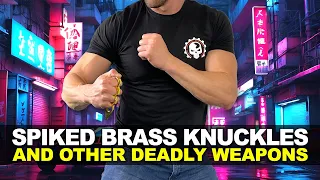
By the 18th and 19th centuries, blacksmiths had begun refining these designs into recognizable metal knuckle guards. Soldiers and brawlers alike appreciated how small and portable they were, giving an edge in hand-to-hand fighting. It was during this time that the distinct four-hole design we associate with brass knuckles began to take shape. The concept was simple but powerful: concentrate the force of a punch into a smaller area for maximum impact.
Brass Knuckles in Warfare and Law Enforcement
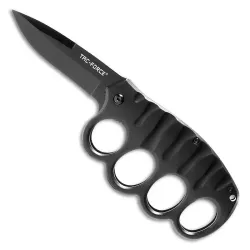
Brass knuckles became truly infamous during the 19th and early 20th centuries, when they began showing up on battlefields around the world. Soldiers in the American Civil War and both World Wars sometimes carried knuckle-style weapons, often crafted from whatever metal was available. Some were even combined with knives or trench spikes to create devastating close-quarters tools known as trench knives. These hybrid weapons gave troops an advantage in tight spaces like trenches and bunkers where firearms were less practical.
In law enforcement circles, brass knuckles appeared occasionally as well, especially among officers who needed compact, non-lethal options for subduing violent suspects. However, their use was controversial even then, since the line between restraint and excessive force was easy to cross. Over time, many departments banned them, favoring batons or other less dangerous tools.
Despite those restrictions, the military connection gave brass knuckles a certain reputation for toughness. Veterans brought them home as keepsakes, and manufacturers began producing civilian versions marketed for self defense. This period cemented brass knuckles as both a symbol of power and a reflection of the gritty realities of close combat.
The Cultural Shift and Popular Image of Brass Knuckles
By the mid-20th century, brass knuckles had started to move beyond the battlefield and into pop culture. No longer just a soldier's weapon, they began showing up in movies, comic books, and street fashion as symbols of rebellion and strength. Their compact size and unmistakable silhouette made them instantly recognizable, and for some, they became more of a statement piece than a weapon.
During the 1970s and 1980s, brass knuckles took on a controversial reputation. They were often associated with gangs and underground fighting, which led to stricter laws in many states. At the same time, artists and designers began using their shape in unexpected ways-turning them into belt buckles, keychains, and even jewelry. What was once a purely functional object had become a cultural icon that balanced between outlaw imagery and artistic expression.
Even today, brass knuckles carry that same dual identity. They're part history, part fashion, and part reminder of a time when personal defense was more about grit and improvisation than technology. Whether admired as collectibles, displayed as antiques, or worn as edgy accessories, brass knuckles remain one of the most recognizable symbols of raw power ever created.
Modern Designs and Legal Status
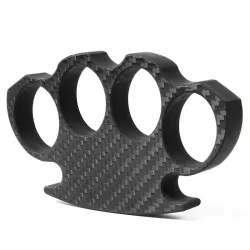
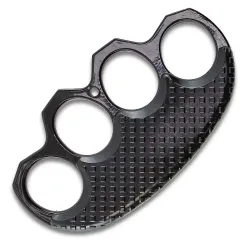
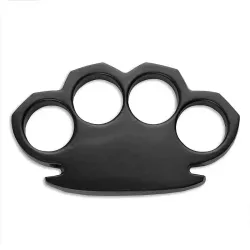
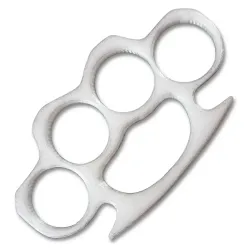
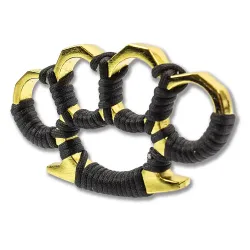
Modern brass knuckles look very different from the crude, hand-forged versions of the past. Today, they're made from a variety of materials including stainless steel, aluminum, and high-strength polymers. Some are precision-machined for collectors, while others are disguised as novelty items like paperweights or bottle openers. The classic four-finger frame remains the defining feature, but the finishes and styling have become more refined, often featuring anodized colors, engravings, or ergonomic contours for comfort and control.
However, owning or carrying brass knuckles is not as simple as it used to be. In many states, they're classified as prohibited weapons, even if sold as novelties or collectibles. Some regions allow ownership for display or training purposes but restrict public carry. Because laws vary widely, it's always best to check local regulations before purchasing or transporting any set of knuckles. Even replicas or decorative versions can fall under these laws depending on how they're marketed and used.
Despite the legal limitations, brass knuckles continue to fascinate collectors and history enthusiasts alike. They represent a unique blend of craftsmanship, cultural symbolism, and raw effectiveness that few other tools can match. From military history buffs to EDC collectors, their appeal lies not just in what they were, but in what they represent-a reminder of how simple design can hold a powerful story.
Legacy of Brass Knuckles
From ancient hand grips to modern collectibles, the story of brass knuckles is a journey through both warfare and culture. They began as practical tools for survival and evolved into a symbol recognized around the world. Whether viewed as a weapon, a piece of art, or a piece of history, brass knuckles continue to capture attention for their simplicity and raw efficiency.
If you'd like to see how this historic design lives on today, take a look at our full selection of brass knuckles. You'll find modern interpretations crafted from durable materials that reflect both the traditional look and contemporary design.
Brass knuckles have always represented power, craftsmanship, and resilience. Their enduring appeal comes from the same qualities that made them effective centuries ago: strength, simplicity, and a design that continues to stand the test of time.
When Did Brass Knuckles First Appear?
While punch enhancers existed in ancient times, the first recognizable metal knuckle dusters emerged in the 18th and 19th centuries as blacksmiths refined simple hand grips into four-hole frames. Soldiers and street fighters valued the compact design, and by the American Civil War, metal knuckles and hybrid trench knives were widely documented. Their use continued into World War I trench combat, which helped cement the classic shape and reputation seen in modern collectibles.
Are Brass Knuckles Legal to Own or Carry?
The legality of brass knuckles varies widely depending on where you live. In the United States, many states restrict or completely ban the possession, sale, or carry of traditional metal knuckles. Some allow them if they are made of softer materials like plastic or advertised as novelty items. Even decorative or replica versions can be treated as weapons under certain laws. Because penalties can include fines or criminal charges, it's important to review your state and local regulations before buying or carrying a set. When in doubt, contact your local law enforcement office for clear guidance.
What Were Brass Knuckles Originally Used For?
Brass knuckles were originally designed to give soldiers and fighters more striking power in close combat. By focusing the force of a punch into a smaller area, they could cause more damage with less effort. Early military versions were often used as backup weapons when firearms or blades were impractical, especially in confined areas like trenches. Over time, their effectiveness and portability made them popular among civilians for self defense, and later they became collectibles representing historical craftsmanship and combat innovation.
What Are Brass Knuckles Made Of?
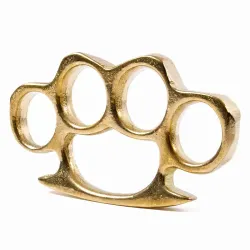
Traditional brass knuckles were made from solid brass, which offered both strength and weight. Over time, other metals like steel, aluminum, and zinc alloys became common, each offering a different balance of durability and comfort. Some modern versions are even crafted from lightweight polymers or composite materials for collectors who want the look without the risk of carrying a weapon. Regardless of the material, all designs share the same purpose: to reinforce the hand and focus striking force during impact.
Why Are Brass Knuckles Illegal in Some Places?
Brass knuckles are banned or restricted in many areas because of their potential to cause serious injury. Unlike most self defense tools, they concentrate the entire force of a punch into a very small surface area, which can easily break bones or cause lasting damage. Lawmakers view them as offensive weapons rather than defensive tools, leading to strict regulations on possession and use. In many jurisdictions, even carrying them for protection can be considered intent to use a weapon, which is why it's important to understand local laws before owning a pair.
Were Brass Knuckles Ever Used by the Military?
Yes. Brass knuckles and similar weapons have a long history of military use. During the American Civil War, soldiers often carried hand-forged metal knuckles made by local blacksmiths. In World War I, the design evolved into the **trench knife**, which combined brass knuckles with a fixed blade for close-quarters fighting. These hybrid weapons were especially effective in the narrow, brutal conditions of trench warfare. Later, during World War II, some soldiers carried simplified versions made from lightweight metals, keeping the knuckle guard as a symbol of toughness and tradition.
Do People Still Use Brass Knuckles Today?
While traditional brass knuckles are illegal to carry in many areas, they still exist as collectibles and historical replicas. Some are produced for display, martial arts demonstrations, or film props, while others are sold as novelty paperweights or belt buckles. Enthusiasts often appreciate them for their craftsmanship and connection to military history rather than for practical use. In modern self defense, most people choose safer and more legal alternatives such as tactical flashlights, pepper spray, or personal alarms.
Are There Legal Alternatives to Brass Knuckles?
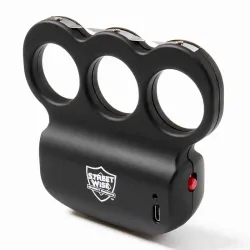
Yes. For people who like the concept of a compact self defense tool but want to stay within the law, several alternatives exist. Self defense keychains, kubotans, and tactical pens can all provide added security without violating weapon regulations in most areas. Some designs even mimic the grip or feel of brass knuckles while remaining classified as non-lethal tools. These options are safer to carry, widely available, and effective for creating distance or distraction in a threatening situation.
How Should Brass Knuckles Be Cared For and Stored?
Proper care keeps brass knuckles looking good and prevents corrosion. For metal knuckles, wipe them with a soft cloth after handling to remove oils and sweat. If they have a tarnish, use a mild metal polish designed for brass or the specific alloy, then buff thoroughly. Avoid soaking them in harsh chemicals or using abrasive pads that can scratch the finish. Store them in a dry place, preferably in a padded case or display box, to protect the edges and prevent moisture buildup. If you plan to display a set, keep it out of direct sunlight and away from humid areas to preserve both the metal and any engravings or patina.
Can Brass Knuckles Be Used for Self Defense?
While brass knuckles can be extremely effective in close combat, using them for self defense is risky both legally and physically. In many areas, possession or use of brass knuckles is considered a criminal offense, even if you acted in self defense. From a practical standpoint, they can also cause severe injuries that go far beyond stopping an attack, leading to potential legal consequences or lawsuits. For those reasons, most experts recommend legal alternatives such as pepper spray, tactical pens, or personal alarms, which offer protection without the same level of risk.
 🔍︎ QUICK VIEW
 (1)
(1) 🔍︎ QUICK VIEW
 🔍︎ QUICK VIEW
$19.95
 🔍︎ QUICK VIEW
$20.95
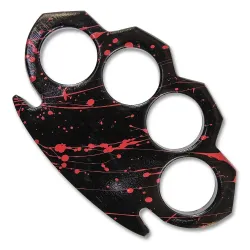 🔍︎ QUICK VIEW
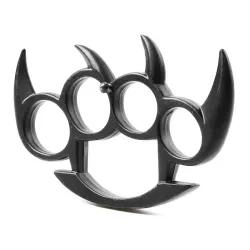 🔍︎ QUICK VIEW
$18.95
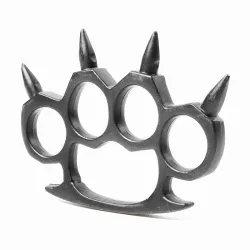 🔍︎ QUICK VIEW
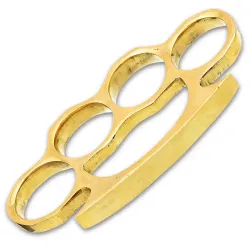 🔍︎ QUICK VIEW
$17.95
 🔍︎ QUICK VIEW
$24.95
 🔍︎ QUICK VIEW
$11.95
 🔍︎ QUICK VIEW
$20.95
 🔍︎ QUICK VIEW
$34.95
 🔍︎ QUICK VIEW
$16.95
 🔍︎ QUICK VIEW
$18.95
 🔍︎ QUICK VIEW
 🔍︎ QUICK VIEW
You May Also Be Interested In:
- The Real History of Escrima Sticks: From Battlefield Weapon to Modern Martial Art
- What Are Brass Knuckles? Everything You Didn't Know You Needed to Know
- Spiked Brass Knuckles and Other Deadly Weapons!
- Stun Gun Brass Knuckles: How They Work and Are They Effective?
- The Real History of the Balisong: How Butterfly Knives Evolved Through Time
- The Real History of Nunchaku: From Farm Tool to Hollywood Icon
- Different Types of Pocket Knife Locks Explained
- The Most Common Pocket Knife Blade Shapes Explained
- The Evolution of Automatic Knives: From Battlefield Tools to Everyday Carry
- 10 Real Ninja Weapons and How They Were Actually Used
Leave a Reply