




7 Mistakes People Make When Buying Their First Folding Knife
October 28th, 2025
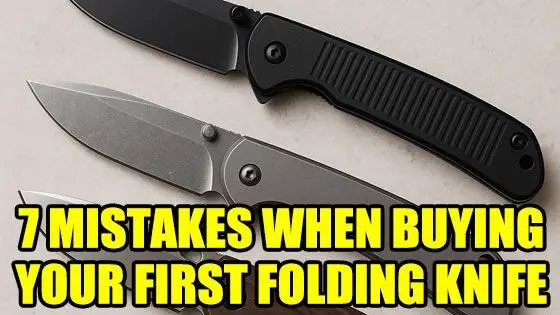
Buying your first folding knife can be surprisingly tricky. There are hundreds of options out there, each claiming to be the toughest, sharpest, or most tactical knife ever made. It's easy to get drawn in by the look or marketing hype and end up with something that doesn't really fit your needs. Whether you're planning to carry a knife every day or just want one for camping or emergencies, knowing what to avoid will save you time, money, and frustration. Here are seven of the most common mistakes new buyers make when choosing a folding knife.
1. Buying a Knife That's Too Big or Too Small
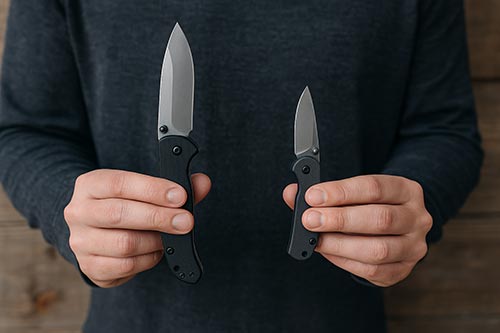
One of the biggest mistakes new buyers make is choosing a knife that's the wrong size for how they actually plan to use it. A knife that looks cool online can feel awkward once you start carrying it every day. Big knives may seem tough and capable, but they can be heavy, bulky, and illegal in some areas. On the other hand, a knife that's too small might feel flimsy or uncomfortable in your hand, especially when you need more leverage for tougher cuts.
For most people, a folding knife with a blade around three inches long is the sweet spot. It's large enough to handle everyday cutting tasks but still compact enough to fit comfortably in your pocket. If you plan to carry it as part of your EDC setup, look for something lightweight with a solid clip that keeps it secure but easy to access. The goal is to find a knife that feels natural to carry and use every day, not one that you leave at home because it's inconvenient.
2. Ignoring Blade Shape
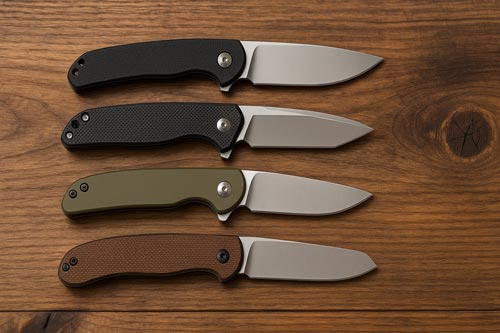
Another mistake new buyers make is overlooking blade shape. It might seem like all knife blades are the same, but the shape actually affects how the knife performs and how comfortable it is to use. Some shapes are designed for slicing, while others are better for piercing, precision work, or durability.
The most common all-around choice is the drop point blade, which has a gentle curve that makes it great for controlled cuts and general use. Clip point blades have a thinner, sharper tip, making them ideal for detail work or when you need a little extra reach. Tanto blades are known for their strong tip and toughness, which makes them better for piercing hard materials. And sheepsfoot or wharncliffe blades, with their straight edges and rounded tips, are safer and excellent for clean slicing.
If you're not sure which to pick, start with a drop point or clip point design. They're versatile, easy to control, and perfect for most everyday carry situations. Once you get comfortable using one knife, you can always branch out and experiment with different blade styles to find what works best for your routine.
3. Overlooking the Locking Mechanism
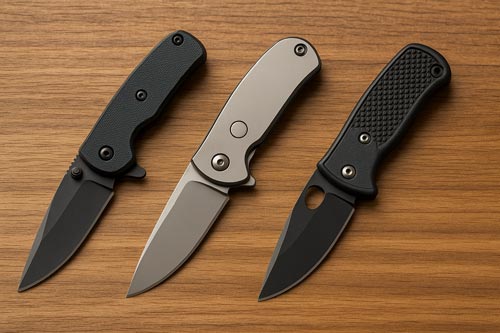
It's easy to get caught up in how a knife looks and forget about one of the most important features: the locking mechanism. The lock is what keeps the blade safely in place when it's open, and it plays a big role in how the knife feels to use. A good lock gives you confidence while cutting, while a weak or unreliable one can make even a nice knife frustrating or unsafe.
The most common types of locks you'll see are liner locks, frame locks, and back locks. Liner locks are lightweight and easy to operate, which makes them great for everyday carry. Frame locks are similar but use the knife's handle frame to secure the blade, making them stronger and more durable. Back locks, often found on traditional pocket knives, use a bar along the spine that clicks into place when the knife is open, providing solid reliability with a familiar feel.
You'll also see newer locking styles like axis locks, button locks, or compression locks. These are popular because they're smooth to operate and allow one-handed opening and closing. The key is to pick a lock that feels secure and comfortable for you to use. A folding knife is only as safe as its lock, so this is one detail worth paying attention to before buying.
4. Forgetting About the Handle
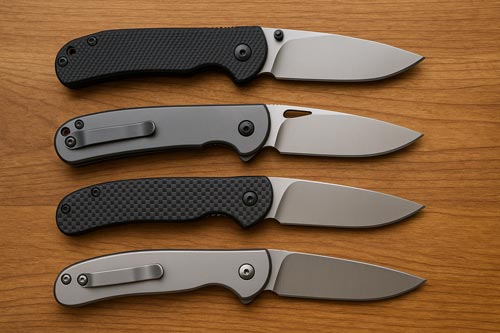
When most people buy their first folding knife, they focus on the blade and forget that the handle is just as important. A knife that feels uncomfortable or slippery in your hand can make even simple tasks frustrating. The handle determines how secure your grip feels, how balanced the knife is, and how easy it is to use safely.
Common handle materials include G10, aluminum, carbon fiber, and stainless steel. G10 is a tough fiberglass laminate that provides great grip even when wet, making it a favorite for outdoor and everyday carry knives. Aluminum handles are lightweight and durable, though they can get slippery without good texturing. Carbon fiber handles are strong and stylish but often come at a higher price point. Stainless steel handles are extremely durable, but they can feel heavier and less grippy in the hand.
If you can, handle a few knives in person before buying. Pay attention to how they feel in your palm and how the grip lines up with your fingers. A knife that fits your hand comfortably will always perform better than one that simply looks good in pictures.
5. Choosing Style Over Function
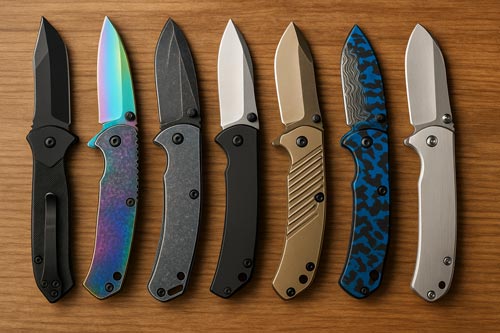
It's easy to fall for a knife because it looks cool. Maybe it has a flashy blade coating, a wild handle design, or a tactical name that sounds impressive. But a knife that's designed to look intimidating isn't always the one that performs best in real-world situations. Function should always come before appearance, especially if you plan to carry the knife every day.
A folding knife doesn't need to look aggressive to be effective. The best knives are the ones that feel balanced, open smoothly, and hold up under real use. If you find yourself drawn to something purely because it looks unique or futuristic, take a step back and think about what you actually need it to do. A simple, well-made knife will almost always outperform one that sacrifices comfort and practicality for style.
At Kombativ, we focus on folding knives that are built for performance and everyday reliability, not just appearance. That way, you can trust your knife to handle whatever comes your way, whether you're at work, outdoors, or on the move.
6. Neglecting Blade Steel and Maintenance
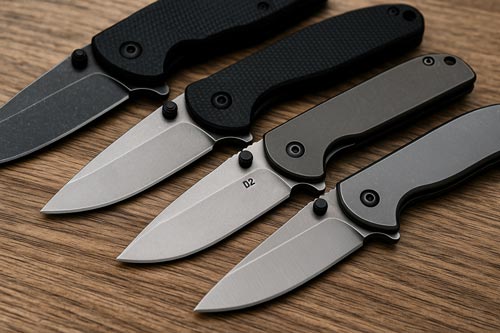
Blade steel might not sound exciting, but it's one of the biggest factors in how a knife performs and how long it lasts. Many beginners overlook it and focus only on looks or brand names. The type of steel determines how well the blade holds an edge, how resistant it is to rust, and how easy it is to sharpen.
Common steels like 8Cr13MoV or AUS-8 are affordable and easy to maintain, which makes them great for beginners. Higher-end steels such as S30V, D2, or VG-10 offer better edge retention and corrosion resistance, though they can be a bit harder to sharpen without proper tools. If you plan to use your knife frequently or in outdoor conditions, it's worth paying attention to the blade steel listed in the specs.
No matter what steel your knife has, proper care makes a huge difference. Keep the blade clean and dry, oil it occasionally, and store it in a place where moisture can't build up. Even the best steel can rust or dull if it's neglected, so regular maintenance keeps your knife sharp and reliable for years to come.
7. Not Considering Local Knife Laws
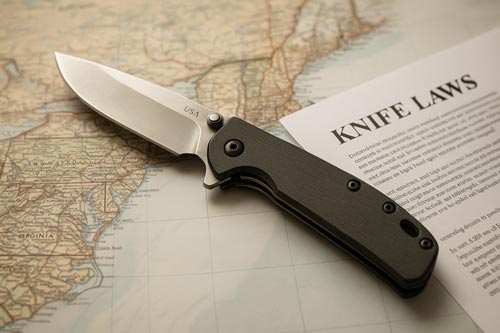
One of the easiest mistakes to overlook when buying a folding knife is ignoring local knife laws. It's tempting to grab a knife that looks perfect online without realizing it might not be legal to carry where you live. Every state, and sometimes even individual cities, has its own set of rules regarding blade length, locking mechanisms, and opening styles.
In most places, a folding knife with a blade under three inches is safe for everyday carry, but it's always best to double-check. Some areas restrict assisted-opening or automatic knives, while others prohibit carrying any knife in public buildings or schools. Even if a knife is perfectly legal to own, carrying it in certain places could still lead to issues.
Before buying your first folding knife, take a few minutes to look up the knife laws in your state. It's a simple step that can save you a lot of trouble later. Once you know the rules, you can shop confidently and find the right knife that fits both your needs and your local regulations.
Final Thoughts
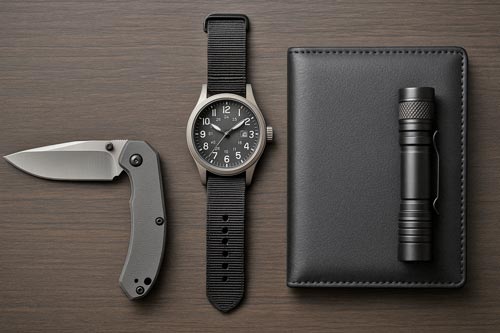
Buying your first folding knife can feel overwhelming, but it doesn't have to be. Once you understand what really matters, like size, blade shape, locking mechanism, and materials, it becomes much easier to spot a knife that fits your needs. Avoiding these common mistakes will help you find something that feels great in your hand, works when you need it, and lasts for years to come.
If you're ready to find a knife that checks all the right boxes, take a look at our latest selection of folding knives. You'll find reliable, well-built options designed for everyday carry, outdoor use, and everything in between.
You May Also Be Interested In:
- Why Every Day Should Be an EDC Knife Day: How a Simple Knife Can Make Your Life Easier and Safer
- What Is a Boot Knife and Why Do People Carry Them?
- What Is a Neck Knife and Why Do People Carry Them?
- 6 Unusual Folding Knives
- OTF vs Folding Knives: What's the Difference and Which Is Better?
- Combat Folding Kama and Other New Weapons!
- Stiletto vs. Switchblade: Why Most People Get Them Confused
- Why Pepper Spray Fails More Often Than People Realize
- The Police Weapon Most People Forgot Ever Existed
- The Bizarre Weapons People Once Carried for Self Defense
Leave a Reply