




How to Tell a Real Katana from a Decorative Sword
October 28th, 2025
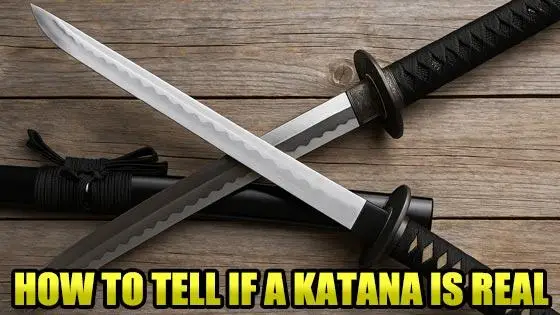
Few weapons in history capture the imagination like the katana. Its razor-sharp curve, graceful balance, and cultural legacy have turned it into both a martial arts icon and a collector's favorite. But here's the problem: most of the katanas you see online or hanging in display cases aren't real. They might look the part, but they're made from cheap stainless steel, welded together for decoration rather than combat. Knowing the difference between a real katana and a decorative sword isn't just about authenticity; it's about safety, craftsmanship, and respect for a weapon that was once the soul of the samurai.
What Makes a Katana "Real"
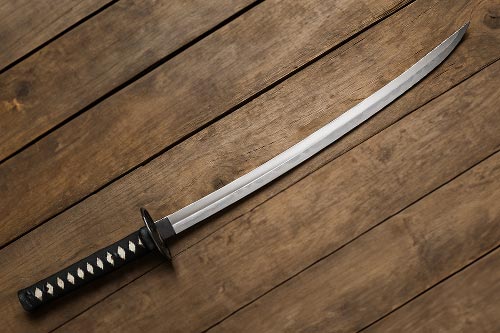
A real katana is more than just a sharp piece of steel. It's a weapon that was designed to perform under pressure, forged through centuries of refinement and battle-tested craftsmanship. The first sign of authenticity is the material itself. Genuine katanas are typically made from high-carbon steel, not stainless steel. This allows the blade to flex slightly without snapping, giving it both sharpness and durability.
Another key indicator is the tang, or the portion of the blade that extends into the handle. A real katana has a full tang, meaning the blade runs the entire length of the handle as one continuous piece of metal. Decorative swords often have short, welded tangs that can snap under even light impact.
Finally, take a close look at the blade's hamon, the wavy line along its edge. On a real katana, that pattern is the result of a differential hardening process, not something etched or printed. The hamon forms naturally when the swordsmith coats the spine with clay before heating and quenching the blade. It's both a sign of traditional technique and a functional feature that gives the blade its iconic balance between hardness and flexibility.
Common Traits of Decorative Swords
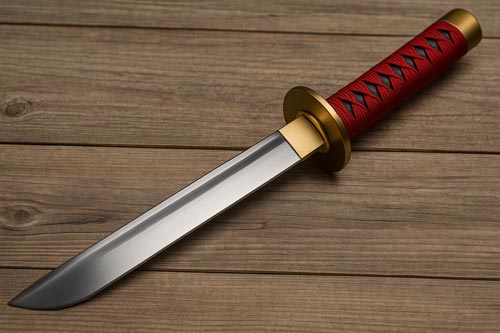
Decorative swords are designed to look impressive, not to perform. They're often made from stainless steel, which shines beautifully but lacks the flexibility and edge retention needed for real cutting. These blades tend to be too brittle for any kind of impact and can even shatter if struck against a hard surface. In other words, they're perfect for display but dangerous to use.
One of the easiest ways to spot a decorative sword is by examining its tang. Most wall-hanger swords use a welded tang or a short metal rod screwed into the blade. While this keeps costs low, it also makes the sword structurally weak. A true katana's full tang ensures the blade and handle act as one unit, while decorative versions are held together with glue or small bolts.
The weight and feel of the sword can also reveal its purpose. A decorative sword usually feels either too light or poorly balanced, while a functional katana has a steady, centered balance between the handle and blade. Many decorative pieces also feature chrome or mirror finishes, cheap plastic fittings, and machine-made engravings that mimic traditional Japanese patterns. They look great from a distance, but up close, they lack the soul and precision of a true hand-forged weapon.
Testing Authenticity Without Damaging the Sword
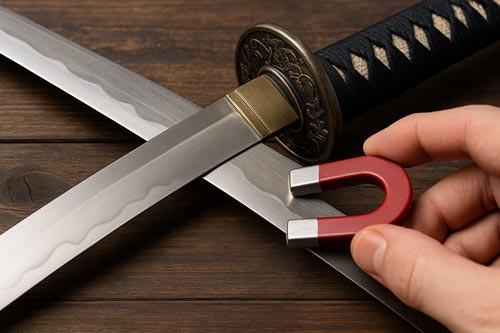
If you've got a katana and you're not sure whether it's real or decorative, there are a few safe ways to check without putting the blade at risk. The first is the magnet test. Real katanas made from high-carbon steel are magnetic, while stainless steel decorative versions often aren't. It's a quick, non-invasive way to get an initial clue about the material.
Next, inspect the tang if possible. This may require removing the handle, so only do it if you're comfortable or have experience with sword maintenance. A full tang will usually have the same steel color and texture as the blade itself, often showing a visible file pattern from the swordsmith. If the tang looks like a shiny screw or is clearly welded on, you're likely dealing with a decorative sword.
The edge and balance can also tell you a lot. A real katana has a sharp but slightly convex edge, while a decorative one is usually dull and perfectly flat. When held, the balance point of a genuine sword should feel natural and centered, sitting a few inches ahead of the guard. Decorative swords, on the other hand, often feel awkward or handle-heavy because they're not designed for real movement.
Finally, examine the hamon line carefully under light. On a real blade, it should shimmer subtly within the steel, not appear etched or painted. This natural variation is a result of the differential hardening process and is one of the most beautiful signs of authenticity in a real katana.
The Middle Ground: Functional Replicas
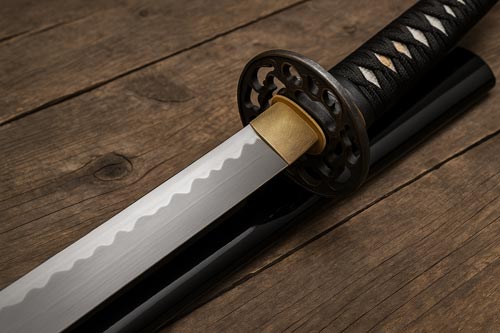
Not every sword fits neatly into the "real" or "decorative" category. In between those two extremes lies a group known as functional replicas. These are modern reproductions that are designed for use, but not necessarily made with the same painstaking craftsmanship as traditional Japanese blades. They're often the best choice for collectors who want something real enough to cut with, without paying thousands of dollars for a handmade katana.
Functional replicas are typically crafted from high-carbon steel or spring steel, which gives them the right balance of strength and flexibility. While they're often machine-made rather than hand-forged, they can still perform impressively for light cutting, martial arts practice, or tameshigiri (test cutting). Some even feature a visible hamon that's created through differential hardening or acid etching to mimic the look of a traditional blade.
The biggest difference between these and true Japanese katanas lies in the details. Real swords are individually forged by skilled swordsmiths, using layers of folded steel and heat treatment techniques passed down through generations. Functional replicas, by contrast, are produced in small batches or factory settings, prioritizing consistency and affordability over heritage. Still, when properly maintained, a quality functional katana can last a lifetime and provide a real sense of what it's like to wield the weapon of the samurai.
Why It Matters
Understanding the difference between a real katana and a decorative sword is about more than just collecting. It's about safety, respect, and craftsmanship. A decorative blade may look authentic, but using it for cutting or training can be extremely dangerous. The thin, welded tangs found in display swords can break under even mild pressure, turning the blade into a serious hazard. Knowing what you're handling protects both you and anyone nearby.
There's also a deep appreciation that comes with owning a well-made functional sword. Even modern reproductions are inspired by centuries of samurai tradition, blending elegance with purpose in a way that few weapons ever have. When you understand the qualities that make a katana functional, you gain a greater respect for the artistry behind it and for the swordsmiths who continue that legacy today.
This understanding sets the stage for choosing a blade that not only looks incredible but also reflects real craftsmanship and performance. In the next section, we'll discuss how to choose the right sword for your own collection or training goals.
Conclusion
A katana represents more than just a weapon or a collector's piece. It embodies centuries of tradition, skill, and balance that few other blades can match. Whether you're a martial artist, a sword enthusiast, or someone who simply appreciates fine craftsmanship, learning to tell the difference between real and decorative swords helps you buy with confidence and handle your collection safely. The goal isn't just to own something beautiful, but to understand the meaning and heritage behind it.
If you're looking for a high-quality blade that captures the spirit of the samurai while remaining practical for modern collectors, you can explore our selection of functional swords and katanas at Kombativ.com. Each piece is built with durability, balance, and aesthetics in mind, making it a great choice for anyone who values authenticity and performance.
You May Also Be Interested In:
- Combat Spear Sword and Other New Weapons
- Hidden Sword Battle Stick and Other Combat Weapons
- 10 Real Ninja Weapons and How They Were Actually Used
- The Real History of Nunchaku: From Farm Tool to Hollywood Icon
- The Real History of the Balisong: How Butterfly Knives Evolved Through Time
- The Real History of Brass Knuckles: From Battlefield to Back Pocket
- The Real History of Escrima Sticks: From Battlefield Weapon to Modern Martial Art
Leave a Reply