



Exotic & Unusual Weapons
-
 🔍︎ QUICK VIEW
-
 🔍︎ QUICK VIEW
$54.95
🔍︎ QUICK VIEW
$54.95 -
 🔍︎ QUICK VIEW
$54.95
🔍︎ QUICK VIEW
$54.95 -
 🔍︎ QUICK VIEW
-
 🔍︎ QUICK VIEW
$32.95
🔍︎ QUICK VIEW
$32.95 -
 🔍︎ QUICK VIEW
$84.95
🔍︎ QUICK VIEW
$84.95 -
 🔍︎ QUICK VIEW
From $299.95
🔍︎ QUICK VIEW
From $299.95 -
 🔍︎ QUICK VIEW
-
 🔍︎ QUICK VIEW
$32.95
🔍︎ QUICK VIEW
$32.95 -
 🔍︎ QUICK VIEW
-
 🔍︎ QUICK VIEW
$69.95
🔍︎ QUICK VIEW
$69.95 -
 🔍︎ QUICK VIEW
$32.95
🔍︎ QUICK VIEW
$32.95 -
 🔍︎ QUICK VIEW
$14.95
🔍︎ QUICK VIEW
$14.95 -
 🔍︎ QUICK VIEW
-
 🔍︎ QUICK VIEW
-
 🔍︎ QUICK VIEW
$39.95
🔍︎ QUICK VIEW
$39.95 -
 🔍︎ QUICK VIEW
$74.95
🔍︎ QUICK VIEW
$74.95 -
 🔍︎ QUICK VIEW
$69.95
🔍︎ QUICK VIEW
$69.95 -
 🔍︎ QUICK VIEW
$42.95
🔍︎ QUICK VIEW
$42.95 -
 🔍︎ QUICK VIEW
$52.95
🔍︎ QUICK VIEW
$52.95 -
 🔍︎ QUICK VIEW
$44.95
🔍︎ QUICK VIEW
$44.95 -
 🔍︎ QUICK VIEW
$22.95
🔍︎ QUICK VIEW
$22.95 -
 🔍︎ QUICK VIEW
$84.95
🔍︎ QUICK VIEW
$84.95 -
 🔍︎ QUICK VIEW
$54.95
🔍︎ QUICK VIEW
$54.95 -
 🔍︎ QUICK VIEW
$13.95
🔍︎ QUICK VIEW
$13.95 -
 🔍︎ QUICK VIEW
-
 🔍︎ QUICK VIEW
-
 🔍︎ QUICK VIEW
$32.95
🔍︎ QUICK VIEW
$32.95 -
 🔍︎ QUICK VIEW
-
 🔍︎ QUICK VIEW
$59.95
🔍︎ QUICK VIEW
$59.95 -
 🔍︎ QUICK VIEW
$44.95
🔍︎ QUICK VIEW
$44.95 -
 🔍︎ QUICK VIEW
$32.95
🔍︎ QUICK VIEW
$32.95 -
 🔍︎ QUICK VIEW
-
 🔍︎ QUICK VIEW
$109.95
🔍︎ QUICK VIEW
$109.95 -
 🔍︎ QUICK VIEW
$69.95
🔍︎ QUICK VIEW
$69.95 -
 🔍︎ QUICK VIEW
$32.95
🔍︎ QUICK VIEW
$32.95 -
 🔍︎ QUICK VIEW
$24.95
🔍︎ QUICK VIEW
$24.95 -
 🔍︎ QUICK VIEW
$42.95
🔍︎ QUICK VIEW
$42.95 -
 🔍︎ QUICK VIEW
$74.95
🔍︎ QUICK VIEW
$74.95 -
 🔍︎ QUICK VIEW
$79.95
🔍︎ QUICK VIEW
$79.95 -
 🔍︎ QUICK VIEW
$19.95
🔍︎ QUICK VIEW
$19.95 -
 🔍︎ QUICK VIEW
$129.95
🔍︎ QUICK VIEW
$129.95 -
 🔍︎ QUICK VIEW
$24.95
🔍︎ QUICK VIEW
$24.95 -
 🔍︎ QUICK VIEW
$22.95
🔍︎ QUICK VIEW
$22.95 -
 🔍︎ QUICK VIEW
$119.95
🔍︎ QUICK VIEW
$119.95 -
 🔍︎ QUICK VIEW
$32.95
🔍︎ QUICK VIEW
$32.95 -
 🔍︎ QUICK VIEW
$139.95
🔍︎ QUICK VIEW
$139.95 -
 🔍︎ QUICK VIEW
$20.95
🔍︎ QUICK VIEW
$20.95 -
 🔍︎ QUICK VIEW
$44.95
🔍︎ QUICK VIEW
$44.95 -
 🔍︎ QUICK VIEW
$104.95
🔍︎ QUICK VIEW
$104.95 -
 🔍︎ QUICK VIEW
-
 🔍︎ QUICK VIEW
$69.95
🔍︎ QUICK VIEW
$69.95 -
 🔍︎ QUICK VIEW
$189.95
🔍︎ QUICK VIEW
$189.95 -
 🔍︎ QUICK VIEW
$59.95
🔍︎ QUICK VIEW
$59.95 -
 🔍︎ QUICK VIEW
$94.95
🔍︎ QUICK VIEW
$94.95 -
 🔍︎ QUICK VIEW
$179.95
🔍︎ QUICK VIEW
$179.95 -
 🔍︎ QUICK VIEW
$114.95
🔍︎ QUICK VIEW
$114.95 -
 🔍︎ QUICK VIEW
$52.95
🔍︎ QUICK VIEW
$52.95 -
 🔍︎ QUICK VIEW
$54.95
🔍︎ QUICK VIEW
$54.95 -
 🔍︎ QUICK VIEW
$84.95
🔍︎ QUICK VIEW
$84.95 -
 🔍︎ QUICK VIEW
$69.95
🔍︎ QUICK VIEW
$69.95 -
 🔍︎ QUICK VIEW
$69.95
🔍︎ QUICK VIEW
$69.95 -
 🔍︎ QUICK VIEW
-
 🔍︎ QUICK VIEW
$22.95
🔍︎ QUICK VIEW
$22.95 -
 🔍︎ QUICK VIEW
From $199.95
🔍︎ QUICK VIEW
From $199.95 -
 🔍︎ QUICK VIEW
$44.95
🔍︎ QUICK VIEW
$44.95 -
 🔍︎ QUICK VIEW
$20.95
🔍︎ QUICK VIEW
$20.95 -
 🔍︎ QUICK VIEW
$299.95
🔍︎ QUICK VIEW
$299.95 -
 🔍︎ QUICK VIEW
From $89.95
🔍︎ QUICK VIEW
From $89.95 -
 🔍︎ QUICK VIEW
-
 🔍︎ QUICK VIEW
-
 🔍︎ QUICK VIEW
-
 🔍︎ QUICK VIEW
$89.95
🔍︎ QUICK VIEW
$89.95 -
 🔍︎ QUICK VIEW
$29.95
🔍︎ QUICK VIEW
$29.95 -
 🔍︎ QUICK VIEW
$34.95
🔍︎ QUICK VIEW
$34.95 -
 🔍︎ QUICK VIEW
$69.95
🔍︎ QUICK VIEW
$69.95 -
 🔍︎ QUICK VIEW
$32.95
🔍︎ QUICK VIEW
$32.95 -
 🔍︎ QUICK VIEW
$69.95
🔍︎ QUICK VIEW
$69.95 -
 🔍︎ QUICK VIEW
$69.95
🔍︎ QUICK VIEW
$69.95
 (1)
(1)Exotic & Unusual Weapons
Here at Kombativ.com, we've got a seriously cool selection of exotic weapons that blend history, artistry, and some seriously cutting-edge craftsmanship. Whether you're into martial arts, a passionate collector, or just someone who appreciates unique and practical weaponry, we've got something that's gonna catch your eye. Our collection of exotic weapons goes way beyond the usual stuff you find everywhere. Every weapon tells its own story, has a purpose, and stands out in a crowd. It's not just about looking cool (although, let's be honest, they do), it's about finding something with real history, real function, and a little flair.
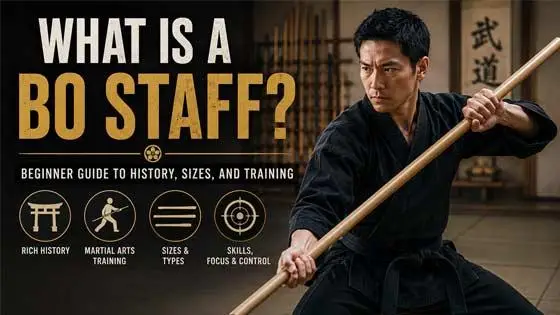
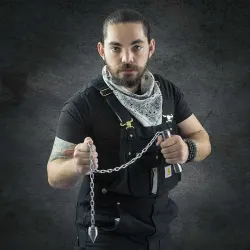
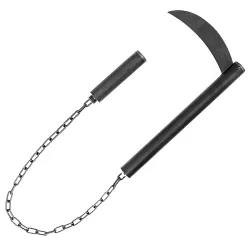
If you're a martial arts instructor, dojo owner, or even someone who's just passionate about training, exotic martial arts weapons are an awesome way to add some new techniques to your routine and keep things interesting. We all know the usual suspects like katanas, bo staffs, and nunchaku, but there's a whole world of weird weapons out there that can take your skills to the next level. Picture this: teaching your students how to handle a kusarigama (a Japanese sickle and chain) or a sword cane. These weapons are a great way to challenge your students and spice up the training sessions. They're not the easiest to use, but that's what makes them so fun to master.
Then there's the whole world of replica weapons. A lot of collectors love them because you can own a piece of history without shelling out a fortune or hunting down something rare. Want a replica katana with a real damascus steel blade? We've got that. How about a Roman gladius that looks like it just came off the battlefield? Yep, we've got that, too. The beauty of these replica weapons is that they're made with the same care and detail as the originals but without the crazy price tags. They're great for display, cosplay, or just geeking out over some ancient weaponry.
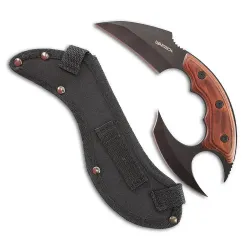
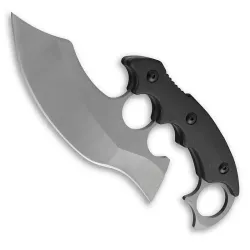
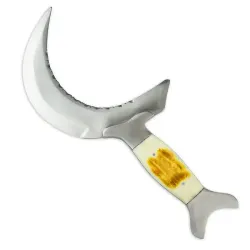
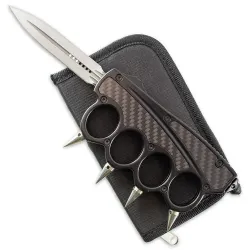
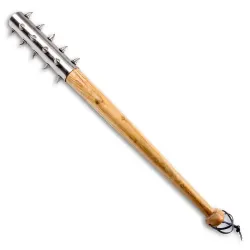
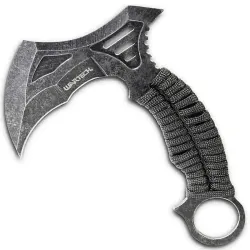
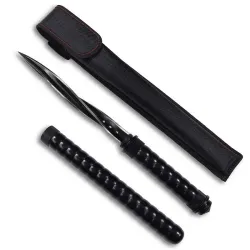
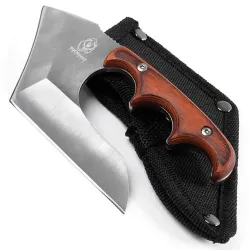
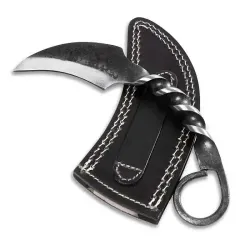
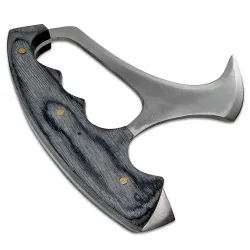
But unique weapons aren't just for show; they're actually super functional. Take the ulu knife, for example. This Inuit blade might look a little unusual at first, but it's perfect for everything from skinning animals to chopping food on a camping trip. The crescent-shaped blade isn't just cool to look at; it's built for some serious cutting power. And then there are the spiked knives, which are as intimidating as they are effective. These bad boys aren't just for looking scary; they're designed to get the job done. You carry one of these, and you've got a weapon that looks mean and performs even better.
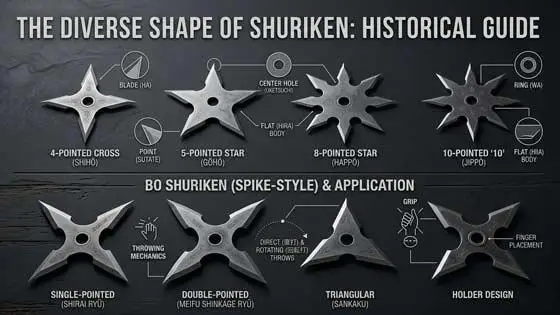
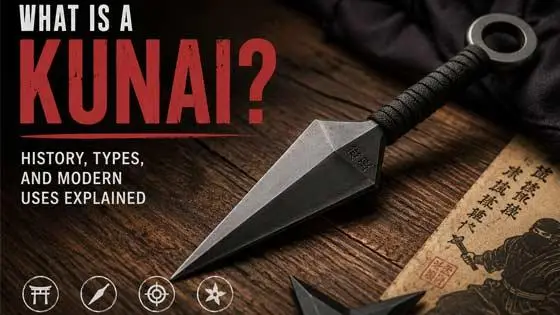
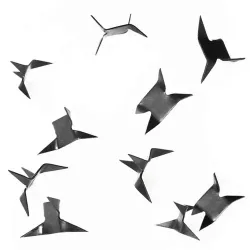
Of course, you've also got your unusual weapons; the kind of stuff that might seem like it belongs in a fantasy movie but actually has a pretty practical history behind it. Take the ninja star (or shuriken), for example. These tiny blades were once used to distract, disarm, or confuse an enemy, and while you're more likely to see them in a training session today, they still carry that cool ninja vibe. Or the blowdart, which might sound like something out of a jungle adventure, but was actually a weapon used for stealthy attacks in Southeast Asia. These bizarre weapons give you a glimpse into how different cultures developed creative ways to defend themselves or even hunt.
Collectors love exotic weapons because they're just so interesting. Imagine owning a unique weapon like a kris, an Indonesian blade with a wavy design that's as much about the culture as it is about the weapon itself. The kris isn't just a weapon; it's a piece of Southeast Asian history, crafted with intricate details and a spiritual connection that makes it stand out. If you're into something a little out of the ordinary, this is a perfect addition to your collection.
What really makes exotic weapons stand out is how varied they are. A unique weapon might be a mongol war bow, a Celtic sword, or a Chinese Tiger Hook Sword, which is designed for grappling and disarming. These weapons are as much about the culture that created them as they are about their design. If you're into exotic martial arts weapons, these pieces are great for learning new techniques and exploring different styles. The tiger hook sword, for example, is all about fluid movement and adaptability, while the Chinese straight sword is sharp, precise, and effective.
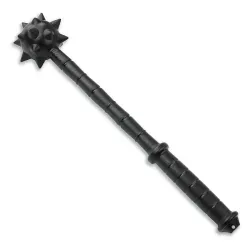
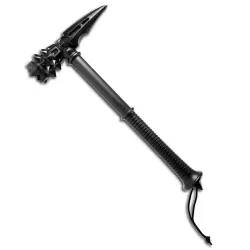
But it's not all about training or collecting. Sometimes, it's about owning something that's just plain cool. I mean, where else are you going to find a war hammer, an Indian mace, or a double-headed axe? These aren't just decorative, they're functional too. Whether you're into self-defense, tactical training, or just love the idea of owning something with serious presence, these unusual weapons are built to last and designed for real-world use.
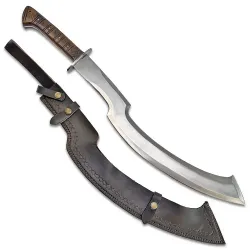
There's no shortage of unusual weapons to choose from in our collection. Whether you're into weapons with sweeping curves like a falchion or kopis, or you're more drawn to the angular designs of a kris or kama, there's something special about the craftsmanship behind each one. Exotic weapons aren't just functional; they're works of art. From the forging process to the final touches, each piece is a tribute to the skill of the maker.
So, whether you're a martial arts school owner, a collector, or just someone who appreciates cool gear, diving into exotic weapons is a great way to find something unique, practical, and full of history. At Kombativ, we believe in providing only the best. When you buy from us, you're not just adding another item to your collection; you're bringing home something rare, authentic, and full of character.
Exotic weapons stand out for their rare origins, unique designs, and specialized uses that set them apart from standard blades or tools.
Exotic or unusual weapons are those that break away from mainstream designs like common knives or swords. They might come from specific cultural traditions such as the Indonesian kris or the Japanese kusarigama, or they may feature rare shapes, materials, or mechanics. Many were created for niche combat styles, ceremonial purposes, or regional defense tactics. Collectors love them because each one tells a story and reflects the creativity of the culture that made it. Whether it's a tiger hook sword, war hammer, or sword cane, these weapons are defined by their originality, craftsmanship, and the history they carry.
Most exotic weapons are legal to own for display or collection purposes, but some types may be restricted depending on your state or country.
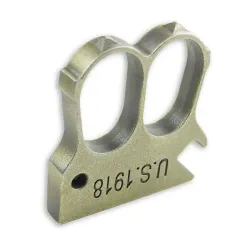
Legality varies widely depending on the weapon and where you live. For example, decorative swords or replica blades are usually fine to own, while concealed or spring-loaded weapons may be restricted. Items like sword canes, brass knuckles, or certain throwing weapons can fall under local weapon bans. Collectors should always check regional laws before purchasing or displaying exotic pieces. Many enthusiasts collect these weapons purely as art or history, which keeps them within legal limits as long as they're not carried or used publicly.
Some of the most popular exotic weapons include the kusarigama, kris, tiger hook sword, and sword cane, each known for its unique design and cultural history.
The kusarigama is a Japanese sickle and chain weapon used for entangling and striking. The kris, from Indonesia, has a wavy blade believed to carry spiritual energy. The tiger hook sword from China is designed for trapping and disarming opponents, while the sword cane hides a concealed blade inside a walking stick. Collectors also seek items like ulu knives, war hammers, and double-headed axes for their craftsmanship and distinct forms. These weapons stand out not just for their looks, but for the stories and traditions behind them.
Yes, many exotic weapons can be used for martial arts training, though proper instruction and safety precautions are essential.
Training with exotic weapons adds variety and challenge to traditional martial arts practice. Weapons like the kusarigama, tiger hook sword, and kama require advanced coordination, timing, and control. They're often used to improve agility, range awareness, and precision. Most instructors recommend starting with training versions made of wood, foam, or dull metal before moving to sharpened or weighted versions. Practicing with these weapons under supervision not only prevents injury but also preserves the historical techniques that make each weapon unique.
People collect exotic weapons for their craftsmanship, historical value, and cultural significance, not just for their appearance.
Collectors are often drawn to exotic weapons because each piece tells a story about the time and place it came from. A kris from Indonesia, for instance, might reflect spiritual beliefs and ancient forging traditions, while a Celtic sword or Chinese hook blade reveals the artistry of its culture. Many collectors appreciate the balance of form and function, seeing these weapons as both tools and art. Others enjoy the thrill of owning replicas that resemble rare or ancient originals. For some, building a collection is also about preserving history and showcasing the creativity behind unique weapon designs.
Many cultures across Asia, Europe, and the Middle East are known for creating exotic weapons with unique designs and fighting styles.
Japan produced inventive weapons like the kusarigama and kunai, used by samurai and ninja for stealth and versatility. China is famous for its hook swords, meteor hammers, and dao blades, all designed for speed and adaptability. Southeast Asia gave the world the kris and karambit, each blending function with deep cultural meaning. In the Middle East, weapons like the scimitar and khopesh combined curved elegance with devastating cutting power. Even European cultures contributed exotic designs, from the flamberge's wavy blade to the Viking axe. Each region's weapons evolved to match its combat traditions, terrain, and way of life.
Some exotic weapons can be used for self-defense, but most are better suited for training, collection, or display.
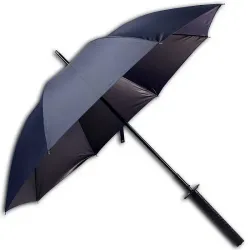
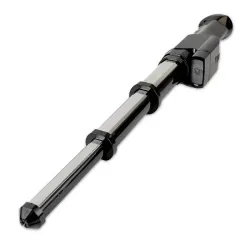
While a few exotic weapons, like collapsible batons or sword canes, can serve defensive purposes, most are designed for specific martial arts techniques or historical use. Their effectiveness often depends on the user's skill level and training. For example, the kama or tiger hook sword can be powerful in expert hands but are difficult to use safely without practice. For everyday protection, simpler tools like tactical pens, keychain weapons, or compact knives are more practical. Exotic weapons shine best in controlled settings where their artistry and technique can truly be appreciated.
Some of the most famous exotic weapons in history include the Japanese kusarigama, the Indonesian kris, and the Chinese hook sword, each known for its distinctive design and purpose.
The kusarigama, a combination of a sickle and a chain, was used by samurai and ninja to strike, entangle, and disarm opponents. The kris, with its wavy blade, originated in Indonesia and was believed to hold spiritual power, often passed down as a family heirloom. The Chinese hook sword was a unique dual-weapon system used to trap, slice, and parry with intricate movements. Other famous examples include the Indian urumi, a flexible whip sword, and the Zulu iklwa, a short stabbing spear. These weapons stand out not only for their effectiveness but for the creativity and craftsmanship that made them enduring symbols of their cultures.
Exotic weapons were designed for specific fighting styles, often giving warriors an advantage through surprise, reach, or versatility.
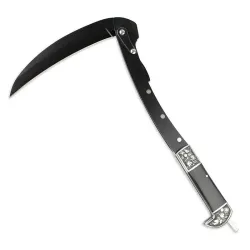
In ancient combat, each weapon reflected the tactics and environment of the culture that created it. The tiger hook sword allowed Chinese warriors to trap or disarm opponents, while the kama, adapted from a farming tool, gave Japanese fighters a lightweight but lethal blade for close quarters. The kris was often carried for both combat and ceremonial use, symbolizing courage and spiritual strength. Weapons like the urumi or meteor hammer required years of training but offered unmatched flexibility and unpredictability in skilled hands. These designs show how ancient warriors combined practicality, creativity, and martial philosophy to create weapons that were as artistic as they were deadly.
Unusual Weapons for Martial Arts Training
If you're a martial arts instructor, dojo owner, or even someone who's just passionate about training, exotic martial arts weapons are an awesome way to add some new techniques to your routine and keep things interesting. We all know the usual suspects like katanas, bo staffs, and nunchaku, but there's a whole world of weird weapons out there that can take your skills to the next level. Picture this: teaching your students how to handle a kusarigama (a Japanese sickle and chain) or a sword cane. These weapons are a great way to challenge your students and spice up the training sessions. They're not the easiest to use, but that's what makes them so fun to master.
Replica Weapons for Collectors and Enthusiasts
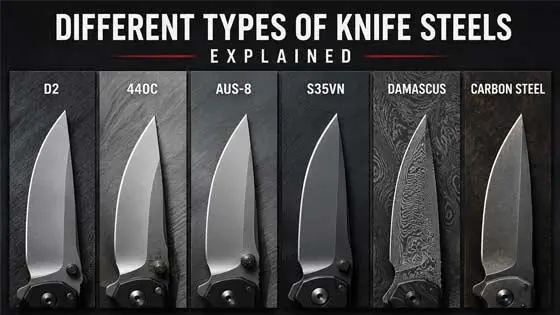
Then there's the whole world of replica weapons. A lot of collectors love them because you can own a piece of history without shelling out a fortune or hunting down something rare. Want a replica katana with a real damascus steel blade? We've got that. How about a Roman gladius that looks like it just came off the battlefield? Yep, we've got that, too. The beauty of these replica weapons is that they're made with the same care and detail as the originals but without the crazy price tags. They're great for display, cosplay, or just geeking out over some ancient weaponry.
Unique Weapons That Actually Work
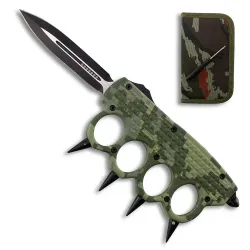
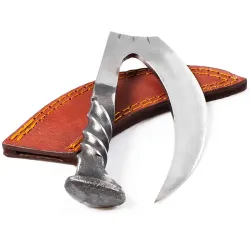
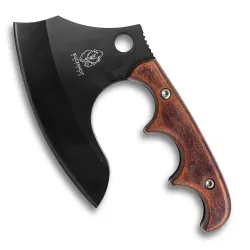
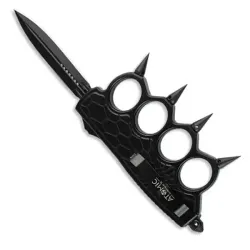
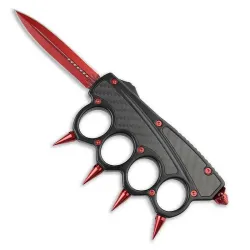
But unique weapons aren't just for show; they're actually super functional. Take the ulu knife, for example. This Inuit blade might look a little unusual at first, but it's perfect for everything from skinning animals to chopping food on a camping trip. The crescent-shaped blade isn't just cool to look at; it's built for some serious cutting power. And then there are the spiked knives, which are as intimidating as they are effective. These bad boys aren't just for looking scary; they're designed to get the job done. You carry one of these, and you've got a weapon that looks mean and performs even better.
Weapons From Around the World
Of course, you've also got your unusual weapons; the kind of stuff that might seem like it belongs in a fantasy movie but actually has a pretty practical history behind it. Take the ninja star (or shuriken), for example. These tiny blades were once used to distract, disarm, or confuse an enemy, and while you're more likely to see them in a training session today, they still carry that cool ninja vibe. Or the blowdart, which might sound like something out of a jungle adventure, but was actually a weapon used for stealthy attacks in Southeast Asia. These bizarre weapons give you a glimpse into how different cultures developed creative ways to defend themselves or even hunt.
Collectors love exotic weapons because they're just so interesting. Imagine owning a unique weapon like a kris, an Indonesian blade with a wavy design that's as much about the culture as it is about the weapon itself. The kris isn't just a weapon; it's a piece of Southeast Asian history, crafted with intricate details and a spiritual connection that makes it stand out. If you're into something a little out of the ordinary, this is a perfect addition to your collection.
Styles, Cultures, and Craftsmanship
What really makes exotic weapons stand out is how varied they are. A unique weapon might be a mongol war bow, a Celtic sword, or a Chinese Tiger Hook Sword, which is designed for grappling and disarming. These weapons are as much about the culture that created them as they are about their design. If you're into exotic martial arts weapons, these pieces are great for learning new techniques and exploring different styles. The tiger hook sword, for example, is all about fluid movement and adaptability, while the Chinese straight sword is sharp, precise, and effective.
Unusual Weapons With Real Presence
But it's not all about training or collecting. Sometimes, it's about owning something that's just plain cool. I mean, where else are you going to find a war hammer, an Indian mace, or a double-headed axe? These aren't just decorative, they're functional too. Whether you're into self-defense, tactical training, or just love the idea of owning something with serious presence, these unusual weapons are built to last and designed for real-world use.
Find Something Truly Different
There's no shortage of unusual weapons to choose from in our collection. Whether you're into weapons with sweeping curves like a falchion or kopis, or you're more drawn to the angular designs of a kris or kama, there's something special about the craftsmanship behind each one. Exotic weapons aren't just functional; they're works of art. From the forging process to the final touches, each piece is a tribute to the skill of the maker.
So, whether you're a martial arts school owner, a collector, or just someone who appreciates cool gear, diving into exotic weapons is a great way to find something unique, practical, and full of history. At Kombativ, we believe in providing only the best. When you buy from us, you're not just adding another item to your collection; you're bringing home something rare, authentic, and full of character.
What Makes a Weapon "Exotic" or "Unusual"?
Exotic weapons stand out for their rare origins, unique designs, and specialized uses that set them apart from standard blades or tools.
Exotic or unusual weapons are those that break away from mainstream designs like common knives or swords. They might come from specific cultural traditions such as the Indonesian kris or the Japanese kusarigama, or they may feature rare shapes, materials, or mechanics. Many were created for niche combat styles, ceremonial purposes, or regional defense tactics. Collectors love them because each one tells a story and reflects the creativity of the culture that made it. Whether it's a tiger hook sword, war hammer, or sword cane, these weapons are defined by their originality, craftsmanship, and the history they carry.
Are Exotic Weapons Legal to Own?
Most exotic weapons are legal to own for display or collection purposes, but some types may be restricted depending on your state or country.
Legality varies widely depending on the weapon and where you live. For example, decorative swords or replica blades are usually fine to own, while concealed or spring-loaded weapons may be restricted. Items like sword canes, brass knuckles, or certain throwing weapons can fall under local weapon bans. Collectors should always check regional laws before purchasing or displaying exotic pieces. Many enthusiasts collect these weapons purely as art or history, which keeps them within legal limits as long as they're not carried or used publicly.
What Are the Most Popular Types of Exotic Weapons?
Some of the most popular exotic weapons include the kusarigama, kris, tiger hook sword, and sword cane, each known for its unique design and cultural history.
The kusarigama is a Japanese sickle and chain weapon used for entangling and striking. The kris, from Indonesia, has a wavy blade believed to carry spiritual energy. The tiger hook sword from China is designed for trapping and disarming opponents, while the sword cane hides a concealed blade inside a walking stick. Collectors also seek items like ulu knives, war hammers, and double-headed axes for their craftsmanship and distinct forms. These weapons stand out not just for their looks, but for the stories and traditions behind them.
Can You Train With Exotic Weapons?
Yes, many exotic weapons can be used for martial arts training, though proper instruction and safety precautions are essential.
Training with exotic weapons adds variety and challenge to traditional martial arts practice. Weapons like the kusarigama, tiger hook sword, and kama require advanced coordination, timing, and control. They're often used to improve agility, range awareness, and precision. Most instructors recommend starting with training versions made of wood, foam, or dull metal before moving to sharpened or weighted versions. Practicing with these weapons under supervision not only prevents injury but also preserves the historical techniques that make each weapon unique.
Why Do People Collect Exotic Weapons?
People collect exotic weapons for their craftsmanship, historical value, and cultural significance, not just for their appearance.
Collectors are often drawn to exotic weapons because each piece tells a story about the time and place it came from. A kris from Indonesia, for instance, might reflect spiritual beliefs and ancient forging traditions, while a Celtic sword or Chinese hook blade reveals the artistry of its culture. Many collectors appreciate the balance of form and function, seeing these weapons as both tools and art. Others enjoy the thrill of owning replicas that resemble rare or ancient originals. For some, building a collection is also about preserving history and showcasing the creativity behind unique weapon designs.
What Cultures Are Known for Creating Exotic Weapons?
Many cultures across Asia, Europe, and the Middle East are known for creating exotic weapons with unique designs and fighting styles.
Japan produced inventive weapons like the kusarigama and kunai, used by samurai and ninja for stealth and versatility. China is famous for its hook swords, meteor hammers, and dao blades, all designed for speed and adaptability. Southeast Asia gave the world the kris and karambit, each blending function with deep cultural meaning. In the Middle East, weapons like the scimitar and khopesh combined curved elegance with devastating cutting power. Even European cultures contributed exotic designs, from the flamberge's wavy blade to the Viking axe. Each region's weapons evolved to match its combat traditions, terrain, and way of life.
Are Exotic Weapons Practical for Self-Defense?
Some exotic weapons can be used for self-defense, but most are better suited for training, collection, or display.
While a few exotic weapons, like collapsible batons or sword canes, can serve defensive purposes, most are designed for specific martial arts techniques or historical use. Their effectiveness often depends on the user's skill level and training. For example, the kama or tiger hook sword can be powerful in expert hands but are difficult to use safely without practice. For everyday protection, simpler tools like tactical pens, keychain weapons, or compact knives are more practical. Exotic weapons shine best in controlled settings where their artistry and technique can truly be appreciated.
What Are the Most Famous Exotic Weapons in History?
Some of the most famous exotic weapons in history include the Japanese kusarigama, the Indonesian kris, and the Chinese hook sword, each known for its distinctive design and purpose.
The kusarigama, a combination of a sickle and a chain, was used by samurai and ninja to strike, entangle, and disarm opponents. The kris, with its wavy blade, originated in Indonesia and was believed to hold spiritual power, often passed down as a family heirloom. The Chinese hook sword was a unique dual-weapon system used to trap, slice, and parry with intricate movements. Other famous examples include the Indian urumi, a flexible whip sword, and the Zulu iklwa, a short stabbing spear. These weapons stand out not only for their effectiveness but for the creativity and craftsmanship that made them enduring symbols of their cultures.
How Were Exotic Weapons Used in Ancient Combat?
Exotic weapons were designed for specific fighting styles, often giving warriors an advantage through surprise, reach, or versatility.
In ancient combat, each weapon reflected the tactics and environment of the culture that created it. The tiger hook sword allowed Chinese warriors to trap or disarm opponents, while the kama, adapted from a farming tool, gave Japanese fighters a lightweight but lethal blade for close quarters. The kris was often carried for both combat and ceremonial use, symbolizing courage and spiritual strength. Weapons like the urumi or meteor hammer required years of training but offered unmatched flexibility and unpredictability in skilled hands. These designs show how ancient warriors combined practicality, creativity, and martial philosophy to create weapons that were as artistic as they were deadly.