




Are Brass Knuckles Effective for Self Defense?
May 29th, 2026
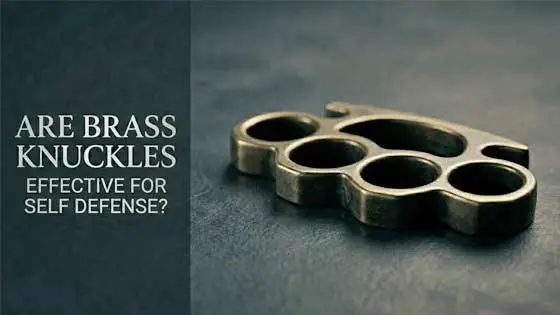
Brass knuckles have been around for a long time, and whether people admit it or not, a lot of curiosity around them comes down to one question: are they actually effective for self defense? Some people see them as a compact tool that is easy to carry and simple to use, while others question whether they are practical in a real-world situation. The answer is not as straightforward as you might think. Like many personal protection tools, brass knuckles come with strengths, weaknesses, and tradeoffs that are worth understanding before forming an opinion.
In this guide, we'll take an honest look at how brass knuckles work, why some people consider them for personal protection, what their limitations are, and how they compare to other everyday carry and self defense options. We'll also cover some important factors that people often overlook when deciding what type of protection tool makes the most sense for their situation.
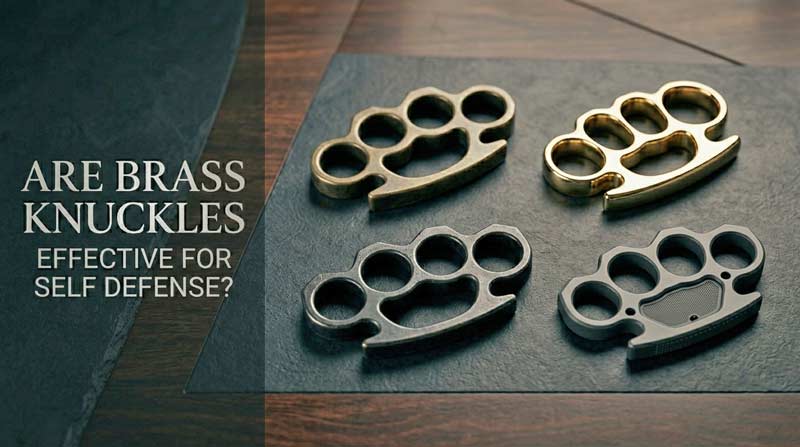
At their core, brass knuckles are designed to fit over the fingers and create a more solid striking surface for the hand. Instead of force being spread across the smaller bones of the knuckles during impact, the design concentrates force through the metal frame while also helping protect the user's hand from some of the impact. That simple idea is a big part of why brass knuckles have existed in different forms for generations.
Most modern designs are compact, easy to grip, and built to fit securely in the palm. Some are made from lightweight materials, while others are built from heavier metals like brass or steel. If you are unfamiliar with the design or history, it helps to first understand what brass knuckles are and how different styles have evolved over time.
Although many people associate brass knuckles strictly with movies or street fights, the reality is that they have a long and surprisingly interesting background. Different versions have appeared throughout military history, personal protection culture, and even novelty collecting. If you are curious about where they originally came from, the history of brass knuckles is more complicated than most people realize.
Today, people looking at brass knuckles often have very different reasons for being interested in them. Some are collectors, some are interested in historical designs, and others simply want to better understand how they compare to other personal protection tools available today.
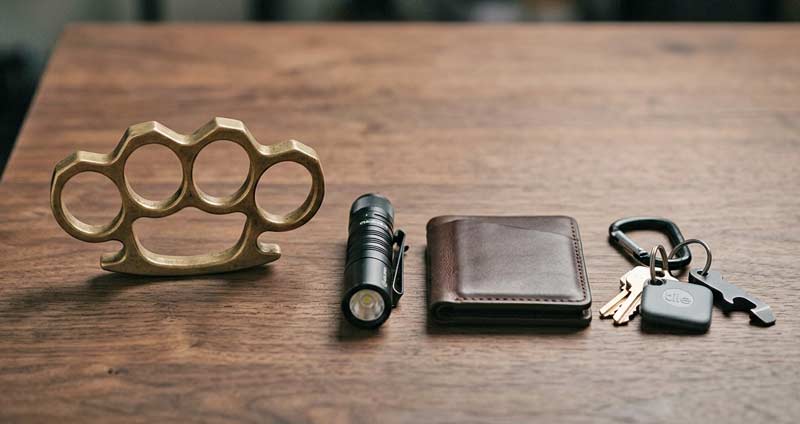
One reason brass knuckles continue to attract attention is their simplicity. Unlike some personal protection tools that require batteries, training, or moving parts, brass knuckles are straightforward in design. They are compact, easy to carry, and small enough to fit into a pocket, bag, or everyday carry setup. For some people, that convenience is part of the appeal.
Another factor is durability. Since most metal knuckle dusters are built from solid materials, there is very little that can fail mechanically. A solid metal design can feel dependable, especially for people who prefer gear that is simple and low maintenance. Models like a solid brass knuckle duster are often chosen because of their classic design and heavier construction.
Some people are also drawn to brass knuckles because they are discreet compared to larger self defense tools. Not everyone wants to carry something bulky or obvious. That said, choosing a personal protection tool is not just about size or convenience. It also comes down to comfort, practicality, confidence, and what feels realistic for everyday carry.
For that reason, many people compare brass knuckles against other self defense weapons or compact EDC tools before deciding what makes the most sense for their needs. What works for one person may not feel practical for someone else, which is why it helps to understand the tradeoffs before relying too heavily on any single option.

Even people who are interested in brass knuckles often agree that they are not the right fit for every situation. One of the biggest limitations is that they require extremely close range to be useful. Unlike larger personal protection options that may create distance or provide more reach, brass knuckles only work at very close proximity, which may not feel practical or comfortable for everyone.
Another factor people sometimes overlook is convenience during stressful moments. Even though brass knuckles are compact, they still need to be positioned properly on the hand. Depending on the design, some people may find them awkward to carry or slower to access than other compact protection tools. What feels simple in theory may not always feel natural in real life.
It is also worth remembering that no tool automatically makes someone prepared for a difficult situation. Confidence, awareness, and good judgment matter just as much as the item itself. That is one reason many people spend time comparing different personal safety options before deciding what best fits their routine and comfort level.
For some people, compact metal knuckles feel appealing because of their size and simplicity, while others prefer browsing broader categories of personal protection gear or more discreet everyday carry options. The best choice usually comes down to what someone feels comfortable carrying consistently and using responsibly if needed.

The honest answer is that effectiveness depends heavily on the situation, the person carrying them, and what someone expects from a personal protection tool. Brass knuckles are simple in design and compact to carry, which some people see as advantages. On the other hand, they require extremely close proximity and depend entirely on physical contact, which may not feel realistic or comfortable for everyone in a stressful moment.
Another thing people sometimes overlook is confidence and familiarity. Any tool is only useful if someone feels comfortable carrying it and understands its strengths and limitations. Some people prefer compact metal knuckles because they are small and straightforward, while others feel more confident with different forms of personal protection that better fit their daily routine.
There is also the question of practicality. In a fast-moving, high-stress situation, ease of access matters. Some people prioritize something compact and discreet, while others may prefer browsing broader categories of personal protection tools depending on what they feel most comfortable carrying day to day.
At the end of the day, there is no universal answer to what makes the "best" personal protection option. What feels practical for one person may not work for someone else. The most effective choice is usually the one someone feels confident carrying consistently, understands well, and believes fits realistically into everyday life.

Even people who are interested in brass knuckles sometimes explore other options before deciding what feels practical for everyday carry. The reality is that different people prioritize different things. Some care most about compact size, others want something discreet, and some simply want a tool that feels more comfortable or familiar to carry regularly.
That is one reason many people spend time looking through different types of personal protection products to compare features, portability, and overall practicality. Depending on someone's preferences, they may lean toward compact tools, impact devices, alarms, or other items that fit naturally into a daily routine without feeling bulky or inconvenient.
For people who prefer compact gear that fits into a pocket or bag, it can also help to browse different kinds of everyday carry equipment. Many EDC tools are designed around convenience and portability, which matters to people who want something small enough to carry consistently rather than leave at home.
At the end of the day, the "best" option is usually the one someone feels comfortable carrying, understands how to use responsibly, and believes realistically fits into daily life. Personal preference matters more than trends, and what works well for one person may not feel practical for someone else.
So, are brass knuckles effective? The honest answer is that it depends on what someone is looking for and what they feel comfortable carrying. Some people appreciate their compact size, simplicity, and classic design, while others may prefer options that feel easier to carry, more versatile, or better suited to their personal routine. Like most gear decisions, there is no one-size-fits-all answer.
What matters most is understanding both the strengths and limitations of any tool before relying on it. Size, comfort, accessibility, and confidence all play a role in whether something feels practical in everyday life. A product that works well for one person may not feel like the right fit for someone else, and that is completely normal.
If you are still comparing options, it may help to explore different types of personal carry gear and decide what feels realistic for your lifestyle. The best choice is usually the one someone feels comfortable carrying consistently, understands well, and believes fits naturally into day-to-day life.
One reason brass knuckles were designed the way they are is to help spread impact across a more solid surface instead of placing all the pressure directly on the smaller bones of the hand. That said, comfort can vary quite a bit depending on the design, material, fit, and how securely they sit on the fingers.
Some people find certain designs more comfortable than others, especially models with smoother finger openings or a shape that fits naturally in the palm. Heavier materials may feel more solid, while lighter designs can feel easier to handle for everyday carry or collecting purposes.
Like any handheld tool, personal comfort matters. What feels natural for one person may feel awkward for someone else, which is one reason people often compare different styles and materials before deciding what they prefer.
One reason some people are drawn to brass knuckles is their compact size. Compared to larger gear, they are relatively small and easy to store in a pocket, bag, or everyday carry setup. That simplicity appeals to people who prefer gear that does not take up much space or feel bulky to carry around.
That said, ease of carry often comes down to personal preference. Some people prefer compact metal knuckles because of their straightforward design, while others may feel more comfortable with different types of personal carry tools depending on size, shape, or convenience. What feels practical for one person may not feel like the right fit for someone else.
Another thing to think about is comfort during daily carry. Weight, size, and overall design can all affect how convenient something feels to keep with you regularly. Many people end up comparing different styles and materials before deciding what best fits their everyday routine.
Brass knuckles can be made from several different materials, and the choice often comes down to personal preference, appearance, weight, and overall feel. Traditional designs are commonly made from metals like brass or steel, which tend to feel heavier and more solid in the hand. Some people prefer heavier materials because they like the classic look and durability, while others may prefer lighter-weight options depending on how they plan to carry or collect them.
Brass remains one of the most recognizable materials because of its classic gold-colored appearance and long history in traditional knuckle duster designs. For example, a solid brass knuckle duster offers a heavier feel and timeless look that appeals to many collectors and enthusiasts.
Other versions may be made from aluminum, steel, zinc alloy, or polymer-style materials, each with a slightly different feel and appearance. Some people prefer polished metal finishes for display or collecting, while others care more about weight, grip, or overall design. Like most gear choices, material preference tends to be highly personal.
Before choosing brass knuckles, many people think about practical factors like size, weight, comfort, and overall design. Something that feels comfortable in one person's hand may feel awkward to someone else, which is why personal preference tends to play a big role. Compact designs may appeal to people who value portability, while others may prefer a heavier or more traditional style.
Another thing worth considering is how realistically something fits into everyday life. Some people prefer gear that feels simple and straightforward, while others spend time comparing different types of compact personal carry tools before deciding what feels most practical for their routine. Comfort and confidence matter more than trends, especially when it comes to something someone may plan to carry regularly.
It can also help to compare different styles, materials, and categories before making a decision. Some people start by browsing classic metal knuckles, while others prefer exploring broader personal carry options to see what feels like the best match for their lifestyle and preferences.
What Are Brass Knuckles Designed to Do?
At their core, brass knuckles are designed to fit over the fingers and create a more solid striking surface for the hand. Instead of force being spread across the smaller bones of the knuckles during impact, the design concentrates force through the metal frame while also helping protect the user's hand from some of the impact. That simple idea is a big part of why brass knuckles have existed in different forms for generations.
Most modern designs are compact, easy to grip, and built to fit securely in the palm. Some are made from lightweight materials, while others are built from heavier metals like brass or steel. If you are unfamiliar with the design or history, it helps to first understand what brass knuckles are and how different styles have evolved over time.
Although many people associate brass knuckles strictly with movies or street fights, the reality is that they have a long and surprisingly interesting background. Different versions have appeared throughout military history, personal protection culture, and even novelty collecting. If you are curious about where they originally came from, the history of brass knuckles is more complicated than most people realize.
Today, people looking at brass knuckles often have very different reasons for being interested in them. Some are collectors, some are interested in historical designs, and others simply want to better understand how they compare to other personal protection tools available today.
Why Some People Consider Brass Knuckles for Self Defense
One reason brass knuckles continue to attract attention is their simplicity. Unlike some personal protection tools that require batteries, training, or moving parts, brass knuckles are straightforward in design. They are compact, easy to carry, and small enough to fit into a pocket, bag, or everyday carry setup. For some people, that convenience is part of the appeal.
Another factor is durability. Since most metal knuckle dusters are built from solid materials, there is very little that can fail mechanically. A solid metal design can feel dependable, especially for people who prefer gear that is simple and low maintenance. Models like a solid brass knuckle duster are often chosen because of their classic design and heavier construction.
Some people are also drawn to brass knuckles because they are discreet compared to larger self defense tools. Not everyone wants to carry something bulky or obvious. That said, choosing a personal protection tool is not just about size or convenience. It also comes down to comfort, practicality, confidence, and what feels realistic for everyday carry.
For that reason, many people compare brass knuckles against other self defense weapons or compact EDC tools before deciding what makes the most sense for their needs. What works for one person may not feel practical for someone else, which is why it helps to understand the tradeoffs before relying too heavily on any single option.
What Are the Downsides of Using Brass Knuckles?
Even people who are interested in brass knuckles often agree that they are not the right fit for every situation. One of the biggest limitations is that they require extremely close range to be useful. Unlike larger personal protection options that may create distance or provide more reach, brass knuckles only work at very close proximity, which may not feel practical or comfortable for everyone.
Another factor people sometimes overlook is convenience during stressful moments. Even though brass knuckles are compact, they still need to be positioned properly on the hand. Depending on the design, some people may find them awkward to carry or slower to access than other compact protection tools. What feels simple in theory may not always feel natural in real life.
It is also worth remembering that no tool automatically makes someone prepared for a difficult situation. Confidence, awareness, and good judgment matter just as much as the item itself. That is one reason many people spend time comparing different personal safety options before deciding what best fits their routine and comfort level.
For some people, compact metal knuckles feel appealing because of their size and simplicity, while others prefer browsing broader categories of personal protection gear or more discreet everyday carry options. The best choice usually comes down to what someone feels comfortable carrying consistently and using responsibly if needed.
Are Brass Knuckles Effective in a Real Self Defense Situation?
The honest answer is that effectiveness depends heavily on the situation, the person carrying them, and what someone expects from a personal protection tool. Brass knuckles are simple in design and compact to carry, which some people see as advantages. On the other hand, they require extremely close proximity and depend entirely on physical contact, which may not feel realistic or comfortable for everyone in a stressful moment.
Another thing people sometimes overlook is confidence and familiarity. Any tool is only useful if someone feels comfortable carrying it and understands its strengths and limitations. Some people prefer compact metal knuckles because they are small and straightforward, while others feel more confident with different forms of personal protection that better fit their daily routine.
There is also the question of practicality. In a fast-moving, high-stress situation, ease of access matters. Some people prioritize something compact and discreet, while others may prefer browsing broader categories of personal protection tools depending on what they feel most comfortable carrying day to day.
At the end of the day, there is no universal answer to what makes the "best" personal protection option. What feels practical for one person may not work for someone else. The most effective choice is usually the one someone feels confident carrying consistently, understands well, and believes fits realistically into everyday life.
What Are Some Alternatives to Brass Knuckles?
Even people who are interested in brass knuckles sometimes explore other options before deciding what feels practical for everyday carry. The reality is that different people prioritize different things. Some care most about compact size, others want something discreet, and some simply want a tool that feels more comfortable or familiar to carry regularly.
That is one reason many people spend time looking through different types of personal protection products to compare features, portability, and overall practicality. Depending on someone's preferences, they may lean toward compact tools, impact devices, alarms, or other items that fit naturally into a daily routine without feeling bulky or inconvenient.
For people who prefer compact gear that fits into a pocket or bag, it can also help to browse different kinds of everyday carry equipment. Many EDC tools are designed around convenience and portability, which matters to people who want something small enough to carry consistently rather than leave at home.
At the end of the day, the "best" option is usually the one someone feels comfortable carrying, understands how to use responsibly, and believes realistically fits into daily life. Personal preference matters more than trends, and what works well for one person may not feel practical for someone else.
Are Brass Knuckles Effective?
So, are brass knuckles effective? The honest answer is that it depends on what someone is looking for and what they feel comfortable carrying. Some people appreciate their compact size, simplicity, and classic design, while others may prefer options that feel easier to carry, more versatile, or better suited to their personal routine. Like most gear decisions, there is no one-size-fits-all answer.
What matters most is understanding both the strengths and limitations of any tool before relying on it. Size, comfort, accessibility, and confidence all play a role in whether something feels practical in everyday life. A product that works well for one person may not feel like the right fit for someone else, and that is completely normal.
If you are still comparing options, it may help to explore different types of personal carry gear and decide what feels realistic for your lifestyle. The best choice is usually the one someone feels comfortable carrying consistently, understands well, and believes fits naturally into day-to-day life.
Do Brass Knuckles Hurt Your Hand When Used?
One reason brass knuckles were designed the way they are is to help spread impact across a more solid surface instead of placing all the pressure directly on the smaller bones of the hand. That said, comfort can vary quite a bit depending on the design, material, fit, and how securely they sit on the fingers.
Some people find certain designs more comfortable than others, especially models with smoother finger openings or a shape that fits naturally in the palm. Heavier materials may feel more solid, while lighter designs can feel easier to handle for everyday carry or collecting purposes.
Like any handheld tool, personal comfort matters. What feels natural for one person may feel awkward for someone else, which is one reason people often compare different styles and materials before deciding what they prefer.
Are Brass Knuckles Easy to Carry?
One reason some people are drawn to brass knuckles is their compact size. Compared to larger gear, they are relatively small and easy to store in a pocket, bag, or everyday carry setup. That simplicity appeals to people who prefer gear that does not take up much space or feel bulky to carry around.
That said, ease of carry often comes down to personal preference. Some people prefer compact metal knuckles because of their straightforward design, while others may feel more comfortable with different types of personal carry tools depending on size, shape, or convenience. What feels practical for one person may not feel like the right fit for someone else.
Another thing to think about is comfort during daily carry. Weight, size, and overall design can all affect how convenient something feels to keep with you regularly. Many people end up comparing different styles and materials before deciding what best fits their everyday routine.
What Materials Are Brass Knuckles Made From?
Brass knuckles can be made from several different materials, and the choice often comes down to personal preference, appearance, weight, and overall feel. Traditional designs are commonly made from metals like brass or steel, which tend to feel heavier and more solid in the hand. Some people prefer heavier materials because they like the classic look and durability, while others may prefer lighter-weight options depending on how they plan to carry or collect them.
Brass remains one of the most recognizable materials because of its classic gold-colored appearance and long history in traditional knuckle duster designs. For example, a solid brass knuckle duster offers a heavier feel and timeless look that appeals to many collectors and enthusiasts.
Other versions may be made from aluminum, steel, zinc alloy, or polymer-style materials, each with a slightly different feel and appearance. Some people prefer polished metal finishes for display or collecting, while others care more about weight, grip, or overall design. Like most gear choices, material preference tends to be highly personal.
What Should Someone Consider Before Choosing Brass Knuckles?
Before choosing brass knuckles, many people think about practical factors like size, weight, comfort, and overall design. Something that feels comfortable in one person's hand may feel awkward to someone else, which is why personal preference tends to play a big role. Compact designs may appeal to people who value portability, while others may prefer a heavier or more traditional style.
Another thing worth considering is how realistically something fits into everyday life. Some people prefer gear that feels simple and straightforward, while others spend time comparing different types of compact personal carry tools before deciding what feels most practical for their routine. Comfort and confidence matter more than trends, especially when it comes to something someone may plan to carry regularly.
It can also help to compare different styles, materials, and categories before making a decision. Some people start by browsing classic metal knuckles, while others prefer exploring broader personal carry options to see what feels like the best match for their lifestyle and preferences.
You May Also Be Interested In:
- Stun Gun Brass Knuckles: How They Work and Are They Effective?
- What Are Brass Knuckles? Everything You Didn't Know You Needed to Know
- Spiked Brass Knuckles and Other Deadly Weapons!
- The Real History of Brass Knuckles: From Battlefield to Back Pocket
- Why Karambit Knives Are So Effective
- Pepper Spray 101: What It Is, How It Works, and Why It's So Effective
- Are Throwing Stars Actually Effective Weapons?
- What are the Best Canes for Self-Defense?
- Self-Defense Umbrella and Other New Weapons
- Should Self-Defense Weapons Be Legal?
Leave a Reply