




Chain Weapons including Kusari, Manriki & Bolas
-
 🔍︎ QUICK VIEW
-
 🔍︎ QUICK VIEW
$69.95
🔍︎ QUICK VIEW
$69.95 -
 🔍︎ QUICK VIEW
-
 🔍︎ QUICK VIEW
$69.95
🔍︎ QUICK VIEW
$69.95 -
 🔍︎ QUICK VIEW
$149.95
🔍︎ QUICK VIEW
$149.95 -
 🔍︎ QUICK VIEW
$69.95
🔍︎ QUICK VIEW
$69.95 -
 🔍︎ QUICK VIEW
From $89.95
🔍︎ QUICK VIEW
From $89.95 -
 🔍︎ QUICK VIEW
$89.95
🔍︎ QUICK VIEW
$89.95 -
 🔍︎ QUICK VIEW
-
 🔍︎ QUICK VIEW
$24.95
🔍︎ QUICK VIEW
$24.95
 (1)
(1)Chain Weapons including Kusari, Manriki & Bolas
Chain weapons are among the most versatile and deceptive tools in martial arts, blending speed, surprise, and adaptability. From the sleek manriki-gusari to the dynamic bolas, these weapons are designed to outmaneuver, entangle, and incapacitate opponents without relying on brute force. Whether you're training in traditional wushu, modern self-defense, or historical martial arts, understanding the unique characteristics and applications of chain weapons can elevate your skill set.
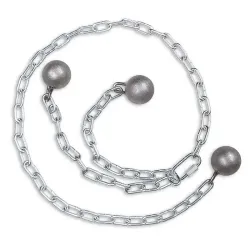
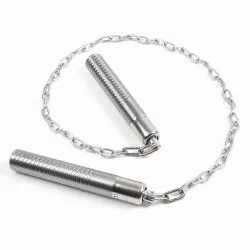
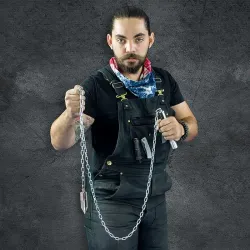
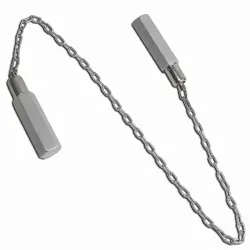
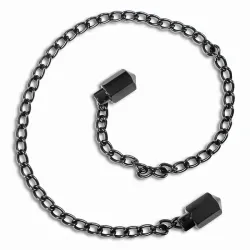
The manriki-gusari, often referred to as a kusari-fundo, is a classic Japanese chain weapon consisting of a length of chain with weights (fundo) attached to each end. This compact yet powerful tool was favored by ninja and samurai alike for its ability to entangle, disarm, or immobilize an opponent without causing lethal harm. Its design allows for swift strikes, defensive maneuvers, and even climbing or scaling obstacles when necessary. Modern practitioners often train with versions made from stainless steel or aluminum, offering durability and a realistic feel.
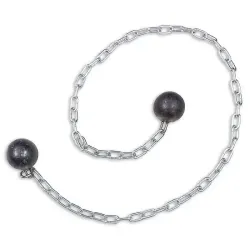
In contrast, the bolas, originating from South America, consist of two or more weights connected by cords. Traditionally used for hunting, they have found their place in martial arts for their ability to entangle an opponent's limbs or weapon from a distance. The key to mastering the bolas lies in timing and precision, as the user must accurately judge the distance and trajectory to effectively ensnare the target.
The scorpion chain dart is another formidable weapon in the chain arsenal. Featuring a weighted, often spiked, head attached to a chain, it combines the reach of a whip with the striking power of a mace. This weapon requires exceptional control and coordination, as the user must manage both the swinging motion and the potential recoil.
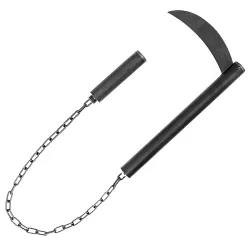
Japanese chain weapons extend beyond the manriki-gusari. The kusarigama, for instance, combines a sickle (kama) with a chain and weight, allowing for both slashing and entangling techniques. The kyoketsu-shoge, another traditional weapon, features a double-edged blade attached to a ring and chain, offering unique grappling and cutting capabilities. Each of these weapons emphasizes the importance of fluid motion, adaptability, and strategic thinking.
Training with chain weapons involves more than just physical skill; it requires mental discipline and a deep understanding of timing, distance, and intent. Practitioners often begin with basic swings and strikes, gradually progressing to more complex techniques like entangling, disarming, and countering. Regular practice not only enhances proficiency but also builds confidence and awareness, essential traits for any martial artist.
It's important to note that while chain weapons are effective tools in martial arts, they should be approached with respect and caution. Proper training under a qualified instructor is crucial to ensure safety and effectiveness. Additionally, understanding the legal implications of carrying and using such weapons is essential, as laws vary by region and jurisdiction.
Incorporating chain weapons into your martial arts practice can provide a unique and challenging experience. Whether you're drawn to their aesthetic appeal, their tactical advantages, or their cultural heritage, chain weapons like the manriki-gusari, bolas, and the scorpion chain dart are valuable additions to any martial artist's repertoire.
A manriki-gusari is a short Japanese chain weapon with weighted ends for entangling or striking, while a kusari-fundo is nearly identical but sometimes longer or heavier depending on the style or region.
Both weapons share the same fundamental structure, a chain with metal weights at each end, but their applications and terminology can differ slightly. The manriki-gusari was traditionally carried by samurai and ninja to restrain or disarm opponents without killing them. The kusari-fundo name emphasizes the weighted ends, and some schools reserve it for longer or heavier chains used for momentum strikes. In modern training, most martial artists use both names interchangeably since their functions are so similar.
Chain weapon laws depend on where you live. Some states and countries allow them for training or display, while others ban them entirely as dangerous weapons.
Because regulations vary, it's important to check your local and state laws before buying or carrying a chain weapon. Certain areas restrict specific designs like the manriki-gusari, kusari-fundo, or similar weighted chains. Even if ownership is legal, carrying these weapons in public may not be. When transporting them, keep them secured in a case, avoid displaying them in public, and only use them in appropriate training environments. Always research the latest laws or consult a qualified instructor familiar with local weapon regulations to stay compliant and safe.
Start with soft, low-mass training tools like rope bolas, a cord manriki, or foam chain darts to learn timing, distance, and control without high injury risk.
Keep practice simple: use short, light tools, drill slow single swings and wraps, and work on predictable motion and footwork before attempting flow moves. Marked floor targets, hanging padded bags, or foam shields are great for solo progress. Move to heavier or metal models only after consistent control and supervised partner drills with protective gear.
Bolas are throwing tools made of two or more weights connected by cords, designed to entangle an animal's legs so it can be captured.
Bolas were used for hunting across the Americas, most famously by the South American gauchos who used them to capture running livestock and game. Archaeological finds and historic accounts show variations in weight, number of cords, and construction depending on the region and the prey. In some cultures bolas were also adapted for warfare or raiding where entangling an opponent's mount or limbs was useful. Modern practice uses bolas for sport, historical demonstration, and training drills that emphasize timing and trajectory.
A kusarigama pairs a sickle with a weighted chain, letting the user entangle or strike from range then close with a blade-based attack.
Unlike a plain chained weight such as a manriki or kusari-fundo, the kusarigama integrates a kama, or sickle, on the same tool. Typical use involves swinging the weight to entangle, disarm, or distract an opponent and then finishing with a sickle cut or hook. Different historical schools teach variations of the weapon, and there are at least three common types that place the chain or weight in different positions on the sickle shaft. Because it combines a bladed implement with a flexible weighted section, training emphasizes coordinated two-handed control, timing, and fast transitions between long-range and close-range techniques.
Transport rules vary and do not transfer automatically across borders, so traveling with chain weapons can carry legal risk and requires checking both origin and destination laws first.
In the United States weapon transport rules are not uniform. Federal guidance for firearms stresses that legal possession in one state does not automatically permit possession in another, and travelers are responsible for knowing destination rules and airline policies. For nonfirearm weapons like chain-and-weight items, many states and some airline or carrier policies restrict sale, shipment, or carriage. International travel is riskier because countries often have strict prohibitions and customs rules that can result in seizure or arrest if a weapon is undeclared or illegal in the destination. The practical steps are to research state and local statutes where you will travel, check airline checked-baggage policies, declare items to carriers if required, and when in doubt do not transport them across borders.
They can be effective in trained hands because they enable entangling and unexpected angles of attack, but for most people they are impractical due to legal, control, and space issues.
Chain weapons offer advantages such as reach, the ability to entangle an opponent's limb or weapon, and deceptive attack lines that are hard to anticipate. Those benefits require high skill levels, consistent practice, good spatial awareness, and situational room to operate safely. For casual carriers or people without formal training the risk of self-injury, legal trouble, and escalation is substantial. In many places these items trigger legal restrictions or shipping bans, which further reduces their practicality as everyday defensive tools. For most self-defense needs an easily carried, legal option that requires less specialized training is a more realistic choice. If someone chooses to train with chain weapons for defense, they should train extensively under a qualified instructor and understand local laws before ever carrying one.
Manriki-Gusari and Kusari-Fundo
The manriki-gusari, often referred to as a kusari-fundo, is a classic Japanese chain weapon consisting of a length of chain with weights (fundo) attached to each end. This compact yet powerful tool was favored by ninja and samurai alike for its ability to entangle, disarm, or immobilize an opponent without causing lethal harm. Its design allows for swift strikes, defensive maneuvers, and even climbing or scaling obstacles when necessary. Modern practitioners often train with versions made from stainless steel or aluminum, offering durability and a realistic feel.
Bolas and Entangling Weapons
In contrast, the bolas, originating from South America, consist of two or more weights connected by cords. Traditionally used for hunting, they have found their place in martial arts for their ability to entangle an opponent's limbs or weapon from a distance. The key to mastering the bolas lies in timing and precision, as the user must accurately judge the distance and trajectory to effectively ensnare the target.
The Scorpion Chain Dart
The scorpion chain dart is another formidable weapon in the chain arsenal. Featuring a weighted, often spiked, head attached to a chain, it combines the reach of a whip with the striking power of a mace. This weapon requires exceptional control and coordination, as the user must manage both the swinging motion and the potential recoil.
Other Traditional Japanese Chain Weapons
Japanese chain weapons extend beyond the manriki-gusari. The kusarigama, for instance, combines a sickle (kama) with a chain and weight, allowing for both slashing and entangling techniques. The kyoketsu-shoge, another traditional weapon, features a double-edged blade attached to a ring and chain, offering unique grappling and cutting capabilities. Each of these weapons emphasizes the importance of fluid motion, adaptability, and strategic thinking.
Training and Skill Development
Training with chain weapons involves more than just physical skill; it requires mental discipline and a deep understanding of timing, distance, and intent. Practitioners often begin with basic swings and strikes, gradually progressing to more complex techniques like entangling, disarming, and countering. Regular practice not only enhances proficiency but also builds confidence and awareness, essential traits for any martial artist.
Safety and Legal Considerations
It's important to note that while chain weapons are effective tools in martial arts, they should be approached with respect and caution. Proper training under a qualified instructor is crucial to ensure safety and effectiveness. Additionally, understanding the legal implications of carrying and using such weapons is essential, as laws vary by region and jurisdiction.
Incorporating Chain Weapons Into Martial Arts Practice
Incorporating chain weapons into your martial arts practice can provide a unique and challenging experience. Whether you're drawn to their aesthetic appeal, their tactical advantages, or their cultural heritage, chain weapons like the manriki-gusari, bolas, and the scorpion chain dart are valuable additions to any martial artist's repertoire.
What Is the Difference Between a Manriki-Gusari and a Kusari-Fundo?
A manriki-gusari is a short Japanese chain weapon with weighted ends for entangling or striking, while a kusari-fundo is nearly identical but sometimes longer or heavier depending on the style or region.
Both weapons share the same fundamental structure, a chain with metal weights at each end, but their applications and terminology can differ slightly. The manriki-gusari was traditionally carried by samurai and ninja to restrain or disarm opponents without killing them. The kusari-fundo name emphasizes the weighted ends, and some schools reserve it for longer or heavier chains used for momentum strikes. In modern training, most martial artists use both names interchangeably since their functions are so similar.
Are Chain Weapons Legal to Own and Carry?
Chain weapon laws depend on where you live. Some states and countries allow them for training or display, while others ban them entirely as dangerous weapons.
Because regulations vary, it's important to check your local and state laws before buying or carrying a chain weapon. Certain areas restrict specific designs like the manriki-gusari, kusari-fundo, or similar weighted chains. Even if ownership is legal, carrying these weapons in public may not be. When transporting them, keep them secured in a case, avoid displaying them in public, and only use them in appropriate training environments. Always research the latest laws or consult a qualified instructor familiar with local weapon regulations to stay compliant and safe.
What Are the Best Beginner Chain Weapons to Learn On?
Start with soft, low-mass training tools like rope bolas, a cord manriki, or foam chain darts to learn timing, distance, and control without high injury risk.
Keep practice simple: use short, light tools, drill slow single swings and wraps, and work on predictable motion and footwork before attempting flow moves. Marked floor targets, hanging padded bags, or foam shields are great for solo progress. Move to heavier or metal models only after consistent control and supervised partner drills with protective gear.
What are bolas and how were they used historically?
Bolas are throwing tools made of two or more weights connected by cords, designed to entangle an animal's legs so it can be captured.
Bolas were used for hunting across the Americas, most famously by the South American gauchos who used them to capture running livestock and game. Archaeological finds and historic accounts show variations in weight, number of cords, and construction depending on the region and the prey. In some cultures bolas were also adapted for warfare or raiding where entangling an opponent's mount or limbs was useful. Modern practice uses bolas for sport, historical demonstration, and training drills that emphasize timing and trajectory.
How does a kusarigama differ from other chain weapons?
A kusarigama pairs a sickle with a weighted chain, letting the user entangle or strike from range then close with a blade-based attack.
Unlike a plain chained weight such as a manriki or kusari-fundo, the kusarigama integrates a kama, or sickle, on the same tool. Typical use involves swinging the weight to entangle, disarm, or distract an opponent and then finishing with a sickle cut or hook. Different historical schools teach variations of the weapon, and there are at least three common types that place the chain or weight in different positions on the sickle shaft. Because it combines a bladed implement with a flexible weighted section, training emphasizes coordinated two-handed control, timing, and fast transitions between long-range and close-range techniques.
Can I travel with chain weapons across state lines or internationally?
Transport rules vary and do not transfer automatically across borders, so traveling with chain weapons can carry legal risk and requires checking both origin and destination laws first.
In the United States weapon transport rules are not uniform. Federal guidance for firearms stresses that legal possession in one state does not automatically permit possession in another, and travelers are responsible for knowing destination rules and airline policies. For nonfirearm weapons like chain-and-weight items, many states and some airline or carrier policies restrict sale, shipment, or carriage. International travel is riskier because countries often have strict prohibitions and customs rules that can result in seizure or arrest if a weapon is undeclared or illegal in the destination. The practical steps are to research state and local statutes where you will travel, check airline checked-baggage policies, declare items to carriers if required, and when in doubt do not transport them across borders.
Are chain weapons practical for self-defense?
They can be effective in trained hands because they enable entangling and unexpected angles of attack, but for most people they are impractical due to legal, control, and space issues.
Chain weapons offer advantages such as reach, the ability to entangle an opponent's limb or weapon, and deceptive attack lines that are hard to anticipate. Those benefits require high skill levels, consistent practice, good spatial awareness, and situational room to operate safely. For casual carriers or people without formal training the risk of self-injury, legal trouble, and escalation is substantial. In many places these items trigger legal restrictions or shipping bans, which further reduces their practicality as everyday defensive tools. For most self-defense needs an easily carried, legal option that requires less specialized training is a more realistic choice. If someone chooses to train with chain weapons for defense, they should train extensively under a qualified instructor and understand local laws before ever carrying one.
RECENTLY VIEWED