



Knuckle Dusters & Brass Knuckles
-
 🔍︎ QUICK VIEW
-
 🔍︎ QUICK VIEW
-
 🔍︎ QUICK VIEW
$19.95
🔍︎ QUICK VIEW
$19.95 -
 🔍︎ QUICK VIEW
$20.95
🔍︎ QUICK VIEW
$20.95 -
 🔍︎ QUICK VIEW
-
 🔍︎ QUICK VIEW
$11.95
🔍︎ QUICK VIEW
$11.95 -
 🔍︎ QUICK VIEW
$17.95
🔍︎ QUICK VIEW
$17.95 -
 🔍︎ QUICK VIEW
$24.95
🔍︎ QUICK VIEW
$24.95 -
 🔍︎ QUICK VIEW
-
 🔍︎ QUICK VIEW
$18.95
🔍︎ QUICK VIEW
$18.95 -
 🔍︎ QUICK VIEW
$16.95
🔍︎ QUICK VIEW
$16.95 -
 🔍︎ QUICK VIEW
$13.95
🔍︎ QUICK VIEW
$13.95 -
 🔍︎ QUICK VIEW
-
 🔍︎ QUICK VIEW
$20.95
🔍︎ QUICK VIEW
$20.95 -
 🔍︎ QUICK VIEW
-
 🔍︎ QUICK VIEW
$18.95
🔍︎ QUICK VIEW
$18.95 -
 🔍︎ QUICK VIEW
$34.95
🔍︎ QUICK VIEW
$34.95 -
 🔍︎ QUICK VIEW
-
 🔍︎ QUICK VIEW
$19.95
🔍︎ QUICK VIEW
$19.95 -
 🔍︎ QUICK VIEW
$11.95
🔍︎ QUICK VIEW
$11.95 -
 🔍︎ QUICK VIEW
-
 🔍︎ QUICK VIEW
$16.95
🔍︎ QUICK VIEW
$16.95 -
 🔍︎ QUICK VIEW
-
 🔍︎ QUICK VIEW
$24.95
🔍︎ QUICK VIEW
$24.95 -
 🔍︎ QUICK VIEW
$22.95
🔍︎ QUICK VIEW
$22.95 -
 🔍︎ QUICK VIEW
$22.95
🔍︎ QUICK VIEW
$22.95 -
 🔍︎ QUICK VIEW
$54.95
🔍︎ QUICK VIEW
$54.95 -
 🔍︎ QUICK VIEW
$20.95
🔍︎ QUICK VIEW
$20.95 -
 🔍︎ QUICK VIEW
$16.95
🔍︎ QUICK VIEW
$16.95 -
 🔍︎ QUICK VIEW
$16.95
🔍︎ QUICK VIEW
$16.95 -
 🔍︎ QUICK VIEW
-
 🔍︎ QUICK VIEW
$22.95
🔍︎ QUICK VIEW
$22.95 -
 🔍︎ QUICK VIEW
$29.95
🔍︎ QUICK VIEW
$29.95 -
 🔍︎ QUICK VIEW
$23.95
🔍︎ QUICK VIEW
$23.95 -
 🔍︎ QUICK VIEW
$16.95
🔍︎ QUICK VIEW
$16.95 -
 🔍︎ QUICK VIEW
$16.95
🔍︎ QUICK VIEW
$16.95 -
 🔍︎ QUICK VIEW
$16.95
🔍︎ QUICK VIEW
$16.95 -
 🔍︎ QUICK VIEW
$24.95
🔍︎ QUICK VIEW
$24.95 -
 🔍︎ QUICK VIEW
$19.95
🔍︎ QUICK VIEW
$19.95 -
 🔍︎ QUICK VIEW
-
 🔍︎ QUICK VIEW
-
 🔍︎ QUICK VIEW
$12.95
🔍︎ QUICK VIEW
$12.95 -
 🔍︎ QUICK VIEW
-
 🔍︎ QUICK VIEW
-
 🔍︎ QUICK VIEW
-
 🔍︎ QUICK VIEW
$20.95
🔍︎ QUICK VIEW
$20.95 -
 🔍︎ QUICK VIEW
$19.95
🔍︎ QUICK VIEW
$19.95 -
 🔍︎ QUICK VIEW
$32.95
🔍︎ QUICK VIEW
$32.95 -
 🔍︎ QUICK VIEW
-
 🔍︎ QUICK VIEW
-
 🔍︎ QUICK VIEW
$54.95
🔍︎ QUICK VIEW
$54.95 -
 🔍︎ QUICK VIEW
-
 🔍︎ QUICK VIEW
$66.95
🔍︎ QUICK VIEW
$66.95 -
 🔍︎ QUICK VIEW
-
 🔍︎ QUICK VIEW
-
 🔍︎ QUICK VIEW
$69.95
🔍︎ QUICK VIEW
$69.95 -
 🔍︎ QUICK VIEW
$69.95
🔍︎ QUICK VIEW
$69.95 -
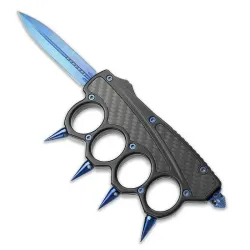 🔍︎ QUICK VIEW
-
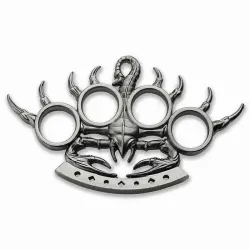 🔍︎ QUICK VIEW
$22.95
🔍︎ QUICK VIEW
$22.95 -
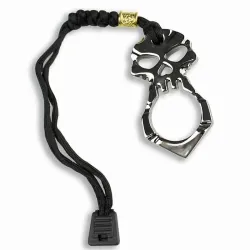 🔍︎ QUICK VIEW
$13.95
🔍︎ QUICK VIEW
$13.95 -
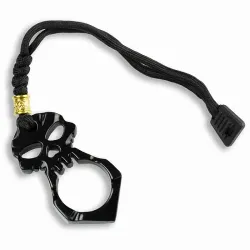 🔍︎ QUICK VIEW
$13.95
🔍︎ QUICK VIEW
$13.95 -
 🔍︎ QUICK VIEW
$19.95
🔍︎ QUICK VIEW
$19.95 -
 🔍︎ QUICK VIEW
$16.95
🔍︎ QUICK VIEW
$16.95 -
 🔍︎ QUICK VIEW
$16.95
🔍︎ QUICK VIEW
$16.95 -
 🔍︎ QUICK VIEW
-
 🔍︎ QUICK VIEW
$18.95
🔍︎ QUICK VIEW
$18.95 -
 🔍︎ QUICK VIEW
$16.95
🔍︎ QUICK VIEW
$16.95 -
 🔍︎ QUICK VIEW
$18.95
🔍︎ QUICK VIEW
$18.95 -
 🔍︎ QUICK VIEW
-
 🔍︎ QUICK VIEW
-
 🔍︎ QUICK VIEW
$14.95
🔍︎ QUICK VIEW
$14.95 -
 🔍︎ QUICK VIEW
$14.95
🔍︎ QUICK VIEW
$14.95 -
 🔍︎ QUICK VIEW
-
 🔍︎ QUICK VIEW
-
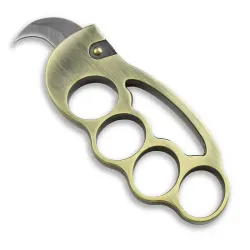 🔍︎ QUICK VIEW
$22.95
🔍︎ QUICK VIEW
$22.95 -
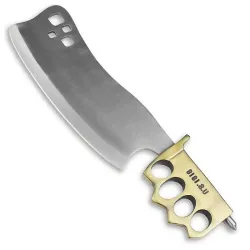 🔍︎ QUICK VIEW
$69.95
🔍︎ QUICK VIEW
$69.95 -
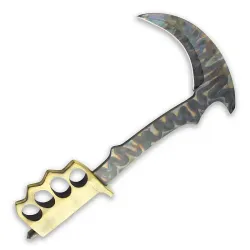 🔍︎ QUICK VIEW
$69.95
🔍︎ QUICK VIEW
$69.95 -
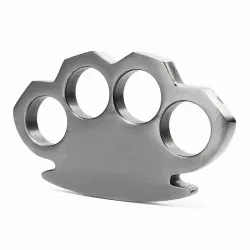 🔍︎ QUICK VIEW
-
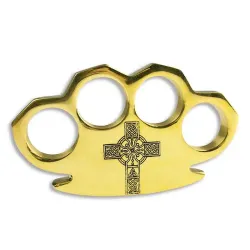 🔍︎ QUICK VIEW
$34.95
🔍︎ QUICK VIEW
$34.95 -
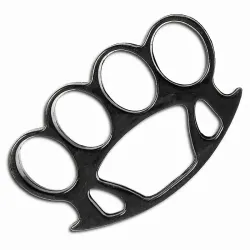 🔍︎ QUICK VIEW
$11.95
🔍︎ QUICK VIEW
$11.95 -
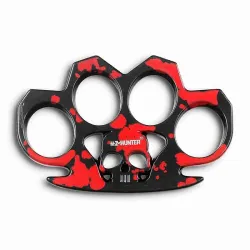 🔍︎ QUICK VIEW
$17.95
🔍︎ QUICK VIEW
$17.95
 (1)
(1) (3)
(3) (3)
(3)Knuckle Dusters & Brass Knuckles
Brass knuckles, also known as knuckle dusters, have a rich and storied history as both a weapon of self-defense and a tool for training in various martial arts. Originating in the early 20th century, these compact yet powerful tools were designed to enhance the force of a punch, making them a valuable addition to any self-defense arsenal. Whether you're looking for a practical means of protection or simply an iconic piece of history, our collection of knuckle dusters offers something for everyone.
At Kombativ.com, we offer a diverse selection of brass knuckles made from a variety of materials, including traditional brass, steel, carbon fiber, and even modern composites. Each pair is crafted to withstand the toughest conditions, ensuring you have a reliable self-defense tool when you need it most. From sleek, minimalist designs to more ornate, artistic pieces, our brass knuckles for sale are tailored to meet both practical and aesthetic needs.
While the use of brass knuckles as a weapon is steeped in controversy due to their ability to cause significant damage, their effectiveness in self-defense situations cannot be overlooked. In moments of danger, brass knuckles allow you to enhance the power of your punch, turning your fist into a formidable striking tool. The design, with its hardened metal forming a protective shell around your knuckles, concentrates the force of your blow to a smaller surface area, increasing the damage done with each strike. This makes them especially useful in close-quarter situations where every second counts.
In addition to their practical use in self-defense, brass knuckles are also a popular collector's item for enthusiasts of martial arts and historical weapons. Many people admire the craftsmanship and iconic status of these pieces, appreciating them as symbols of power and strength. They also serve as an interesting conversation starter, given their long history and use in both combat and everyday life. For some, knuckle dusters are even seen as part of the gear for personal training, helping to improve punching technique and hand strength.
However, it's important to note that the legality of carrying and using brass knuckles varies depending on your location. Some jurisdictions have strict laws that prohibit the possession or use of knuckle dusters, while others may allow them as collectibles or non-lethal self-defense tools. Before purchasing or carrying brass knuckles, we strongly recommend checking your local laws to ensure compliance. Many people also use brass knuckles as stylish accessories, such as belt buckles or paperweights, making them an intriguing and functional piece of everyday carry (EDC) gear.
Manufacturers often make knuckle dusters brass because brass is dense, durable, and easy to cast into solid shapes. The weight of brass gives the piece a solid feel in the hand, while its resistance to corrosion helps it last for years. Even though modern versions also come in steel, aluminum, and other metals, brass remains one of the most popular choices for collectors and enthusiasts.
Brass knuckles, despite being small and seemingly innocuous, are illegal in most places due to a variety of reasons rooted in public safety, historical context, and the perceived threat of their use. While guns, which are far more dangerous, remain legal in many regions, there are significant differences in the ways these weapons are perceived, regulated, and handled by society. To understand why brass knuckles are often banned while guns are not, we need to explore the legal, historical, and societal factors that contribute to these laws and perceptions.
Brass knuckles are designed to increase the force of a punch by concentrating the impact on a smaller, harder area. They are often seen as a tool of violence, particularly in street fights, bar altercations, and other personal combat situations. They can cause significant damage, including broken bones, internal injuries, and even death when used with force. Despite their small size, brass knuckles are easily concealed, making them a potentially dangerous weapon in public spaces.
In contrast, guns are heavily regulated and are seen as tools that, while far more lethal, are primarily designed for self-defense, hunting, or sport. In many countries, the legality of firearms is tied to their intended use, with strict rules about ownership, training, and storage to minimize misuse. Guns are subject to significant regulation, including background checks, waiting periods, and restrictions on who can possess them, which helps mitigate their potential for criminal use.
The history of brass knuckles is linked to their use in close combat during the early 20th century, particularly in criminal circles. The use of brass knuckles in illegal activities like gang violence and street fights has contributed to their negative image. They became associated with a more lawless, violent past, leading to their regulation and criminalization in many jurisdictions. Laws banning brass knuckles were enacted during a time when society was focused on curbing the influence of gangs and organized crime, especially during Prohibition in the United States. The outlawing of brass knuckles was seen as a way to prevent the escalation of violence associated with these criminal organizations.
On the other hand, guns have a much more entrenched historical and cultural role. Firearms were integral to the development of many modern nations, especially in the U.S., where the right to bear arms is enshrined in the Second Amendment. Over time, firearms became symbols of personal freedom and self-defense, which has made them harder to regulate in many parts of the world. Additionally, hunting and sport shooting cultures have created a framework for legal ownership and use of firearms that doesn't exist for brass knuckles.
One of the main arguments for banning brass knuckles is their ease of use in committing violence. While a gun requires more effort to use and often carries significant risks to the user (e.g., accidents, misfires, etc.), brass knuckles require only a punch to be effective. This makes them more accessible for impulsive, less premeditated acts of violence. In public settings, it is easier for someone to conceal brass knuckles and use them quickly in altercations, as opposed to firearms, which are harder to hide and typically require more careful handling.
While gun violence remains a significant issue, many regions have extensive regulations in place to prevent misuse. For instance, background checks, licensing, mandatory training, and gun safety laws are designed to ensure that only responsible individuals have access to firearms. While these regulations are not perfect, they serve as a deterrent to reckless gun ownership and use. Conversely, the nature of brass knuckles - small, easy to hide, and often used in spontaneous violence - makes them more difficult to regulate effectively, leading to their prohibition in many places.
The political landscape surrounding gun control is significantly different from that of brass knuckles. In many countries, especially the United States, the debate around gun ownership is politically charged, with strong lobbying groups like the National Rifle Association (NRA) exerting significant influence on lawmakers. As a result, there is a deeply entrenched cultural perception that guns are a vital tool for personal freedom and self-defense. Even though firearms are responsible for a much higher death toll than brass knuckles, gun laws are often more lenient due to the powerful political and cultural forces that shape their regulation.
Brass knuckles, by contrast, do not have the same political clout or cultural support. As a result, lawmakers are more likely to pass laws banning them without significant opposition. The public perception of brass knuckles is largely negative, associating them with violence and criminal activity, which makes them a target for legislation aimed at curbing street crime and personal violence. The lack of a strong political or cultural movement to defend the right to own brass knuckles makes it easier for governments to implement bans.
Statistically, the use of brass knuckles in violent crimes is rare compared to firearms. According to the FBI's Uniform Crime Reporting (UCR) Program, guns are used in the majority of violent crimes, including homicides, robberies, and aggravated assaults. For example, in 2019, firearms were involved in approximately 73% of all homicides in the United States. Meanwhile, there are few reports of brass knuckles being used in the same volume of violent crimes, further justifying the focus on regulating firearms more heavily than brass knuckles.
However, this disparity in statistics does not diminish the fact that brass knuckles can be deadly in specific situations, particularly in close combat. While guns may be involved in more deaths, brass knuckles can still cause significant harm in certain contexts, particularly when used in a moment of rage or violence. The danger of brass knuckles lies in their potential for spontaneous, unplanned violence, whereas firearms are typically reserved for more deliberate acts or planned criminal activities.
In summary, the difference in the legality of brass knuckles and guns stems from a complex mix of historical, cultural, political, and practical factors. Guns, despite their far greater lethality, have a long history as tools of self-defense, sport, and even national identity, particularly in the U.S. They are subject to heavy regulation, with efforts aimed at reducing misuse. Brass knuckles, by contrast, are associated with street crime and quick, impulsive violence. Their small size, ease of concealment, and potential for harm in personal altercations have led to widespread bans. As a result, brass knuckles are seen as a greater immediate threat to public safety, even though they are used less frequently in violent crimes.
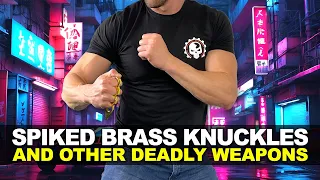
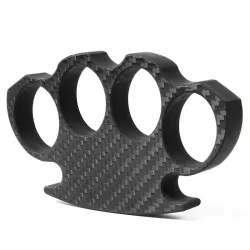
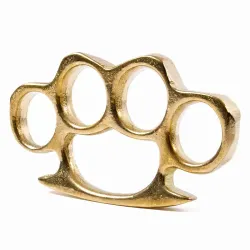
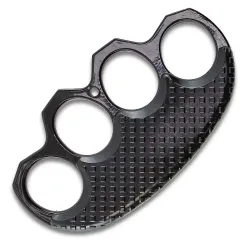
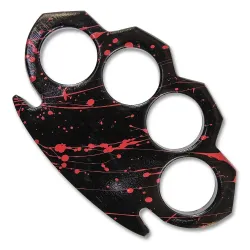
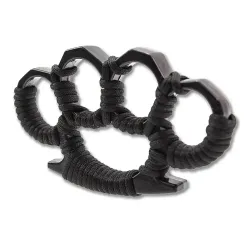
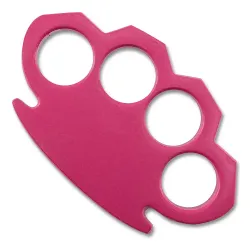
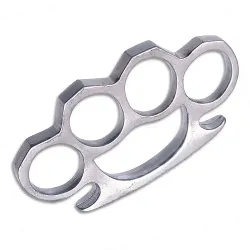
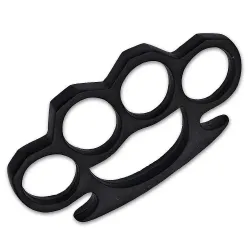
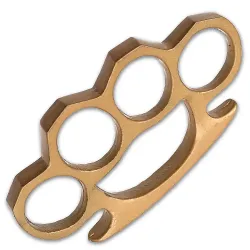
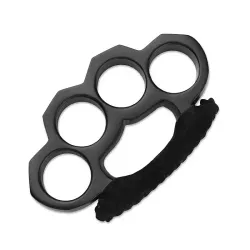
Brass knuckles, sometimes called knuckle dusters or metal knuckles, are rigid grips that fit over the fingers to make a fist more solid. They usually feature four finger holes and a palm bar, allowing the hand to close around a reinforced striking surface. While movies often show them being used for heavy punches to the face, real-world techniques can vary based on the design, size, and material.
Common lawful uses today include collecting, displaying, and owning them as novelty items or historical replicas. In terms of physical technique, some martial artists or historical reenactors practice motions such as:
Design plays a big role in how they're used. Smooth, rounded versions feel different in the hand compared to pointed, angular, or hybrid-tool designs. Anyone exploring their use should focus on safe, controlled practice, such as with a dummy target, and should always comply with local laws regarding possession and carry. This information is for general knowledge only and not legal or self-defense advice.
Brass knuckle laws in the United States vary widely by state and even by city or county. In some states, owning or carrying brass knuckles is legal, while in others, possession is banned entirely or allowed only under specific circumstances. Certain states treat them as prohibited weapons, while others allow ownership but not concealed carry. A few states may also have separate rules for items made from alternative materials like aluminum, polymer, or plastic knuckles.
Some jurisdictions draw a distinction between possessing brass knuckles at home versus carrying them in public. Even if ownership is legal, using them in a threatening manner or in the commission of a crime can lead to serious criminal charges. Local ordinances can be even stricter than state laws, so someone in one city may face restrictions that don't apply just a few miles away.
Because laws can change over time, it's important to check the most recent statutes in your state and municipality before purchasing, carrying, or transporting brass knuckles. Many official state government websites publish current weapon laws, and consulting them is the safest way to stay compliant. This content is for general informational purposes only and does not constitute legal advice.
Despite the name, brass knuckles are not always made from brass. The term is a general label for any rigid, fist-mounted striking aid, and manufacturers use a variety of metals and synthetic materials to produce them. Traditional versions were forged from solid brass, prized for its weight, corrosion resistance, and ability to be shaped into smooth or ornate designs. Today, steel knuckles and aluminum knuckles are also common, with steel offering maximum strength and aluminum providing a lighter, more portable option.
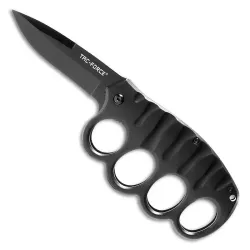
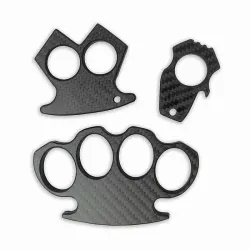
Modern variations may use aircraft-grade alloys, which balance durability with reduced weight, or incorporate stainless steel for added resistance to rust. Polymer and high-density plastic knuckles are popular where buyers want a lightweight piece that still provides a firm grip. Some novelty or training models are made from wood, resin, or even rubber, intended strictly for display or safe practice. Hybrid designs may integrate additional tools, such as blades, bottle openers, or multi-tool functions, combining brass knuckle grips with other features.
The choice of material affects both the feel in the hand and the legality in certain areas. Some states regulate metal knuckles specifically, while others include non-metal versions in their definitions. Always review your local laws before purchasing or carrying brass knuckles made from any material.
Brass knuckles are designed to reinforce the fist and focus striking power, which can make them effective in close-range combat. However, their use for self defense is highly restricted in many parts of the United States. In some states, carrying or even possessing brass knuckles is illegal, regardless of intent. In others, they may be legal to own but prohibited from being carried in public or concealed on your person.
Even in areas where brass knuckles are permitted, using them in self defense can raise serious legal issues. Law enforcement and prosecutors may view them as lethal weapons, and employing them against someone could lead to criminal charges or civil liability, even if you believed you were defending yourself. The severity of injury they can cause also makes them a high-risk choice compared to other self-defense options like pepper spray, personal alarms, or tactical flashlights.
If you're considering brass knuckles for protection, first verify local laws and consider whether a less legally complicated tool might meet your needs. Training in safe handling and understanding when and how force may be used legally are essential for avoiding unintended consequences. This information is for general educational purposes only and is not legal advice.
In many states, brass knuckles are classified as prohibited or restricted weapons, and carrying them concealed can be a criminal offense. Concealed carry laws generally apply when an item is hidden from plain view, such as in a pocket, bag, or under clothing, and the definition of "concealed weapon" often includes brass knuckles alongside knives, blackjacks, or other striking tools. Some jurisdictions go a step further by banning possession altogether, whether concealed or openly carried.
Even if brass knuckles are legal to own in your state, concealing them without a specific permit (where applicable) can lead to arrest, fines, and possible jail time. In certain areas, carrying them in a vehicle may also qualify as concealment, especially if they are stored in the glove compartment or under a seat. The rules can vary not only between states but also between cities and counties within the same state.
To avoid legal trouble, always check your state's statutes and any local ordinances before transporting or carrying brass knuckles. When in doubt, store them securely at home or keep them in a way that clearly complies with applicable laws. This information is intended for general knowledge and should not be taken as legal advice.
Brass knuckles, sap weapons, and blackjacks are all impact tools, but they differ in design, method of use, and legal treatment. Brass knuckles are rigid grips worn over the fingers to reinforce a punch or strike. They concentrate force through the knuckle area, making the fist harder and more compact. Sap weapons, often called saps, are flexible leather or synthetic pouches filled with lead shot or other dense material. Blackjacks are similar but typically have a longer handle and a weighted head, creating a whip-like striking motion.
In terms of technique, brass knuckles rely on the user's arm and body movement to generate force, while saps and blackjacks gain additional impact power from the swinging weight. This makes saps and blackjacks effective for delivering focused strikes with less effort, although their flexibility can make them harder to control precisely. Brass knuckles, by contrast, offer a more compact option that stays fixed to the hand and can be quicker to position.
Legally, all three are heavily regulated in many areas, and in some states they fall under the same prohibited weapons category. Laws may distinguish between them, but possession or use without proper legal authority can carry serious consequences. As with any restricted weapon, always review the latest local regulations before purchasing, carrying, or training with brass knuckles, sap weapons, or blackjacks.
The legality of brass knuckles often depends on how the law in your state or city defines them, not just the material they are made from. Some jurisdictions specifically ban "metal knuckles," which may seem to leave room for plastic, polymer, or other non-metal versions. However, many laws are written broadly enough to include any rigid hand-held striking device designed to fit over the fingers, regardless of whether it is made from aluminum, brass, steel, or high-density plastic.
In certain areas, even lightweight polymer knuckles are treated the same as traditional metal versions. Some states have separate classifications for "composite" or "non-metal" knuckles, but those may still be restricted or require specific conditions for ownership. This means that owning aluminum knuckles or high-strength plastic knuckles could still be illegal, depending on the local rules.
Because these definitions and restrictions vary so much from one jurisdiction to another, the safest approach is to check the most recent statutes for your area before buying or carrying any type of brass knuckles, regardless of the material. When in doubt, consult an official legal source or avoid carrying them in public.
Yes, brass knuckles are made in a variety of sizes and configurations to fit different hand shapes, grip styles, and purposes. Traditional four-finger brass knuckles are the most common, but even these can vary in finger hole diameter, palm bar width, and overall thickness. Larger versions are designed for bigger hands or for users who prefer a looser fit, while more compact versions suit smaller hands or those looking for a discreet display piece.
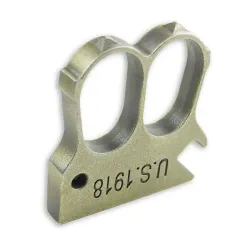
In addition to full-hand designs, there are single-finger knucks, which are small rings or loops with a protruding striking surface, and two-finger knuckles that bridge just the index and middle fingers. These smaller styles can be easier to carry or store but are still regulated in many places, sometimes under the same laws as full-size brass knuckles. Hybrid designs may also combine different grip styles with other tools, such as bottle openers or self-defense keychains.
Because fit plays a major role in comfort and control, many collectors or training enthusiasts choose knuckles based on both hand size and intended lawful use. Regardless of the configuration, always check local laws before purchasing or carrying any brass knuckles, including single-finger and two-finger versions, to ensure compliance.
Brass knuckles have a long history that stretches back centuries, with early versions appearing in various cultures as simple hand-held striking tools. Ancient examples include metal rings or bands designed to reinforce the fist in close combat. In the 19th century, brass knuckles became more widely recognized in Western societies, often carried by soldiers, sailors, and civilians as compact, concealable weapons.
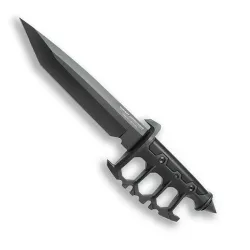
During the American Civil War, soldiers sometimes carried cast brass or iron knuckles for hand-to-hand fighting, valuing their durability and ease of use in tight quarters. In the early 20th century, knuckle designs were sometimes integrated into trench knives, which combined a knuckle guard with a fixed blade for use in World War I trench combat. These hybrid tools provided both punching and stabbing capabilities in a single piece of equipment.
Over time, brass knuckles also became associated with street fighting, organized crime, and self-defense, which led to their regulation in many regions. Today, they are most often sold as novelty items, historical replicas, or collectibles. While modern manufacturing has introduced new materials such as aluminum and polymer, the core concept of reinforcing the fist with a rigid structure has remained unchanged for hundreds of years.
Whether you can legally carry brass knuckles in your car depends entirely on the laws in your state and local area. In some places, simply having brass knuckles in a vehicle is considered possession, which may be prohibited even if they are not on your person. Other jurisdictions allow ownership but have strict rules about how they can be transported, such as requiring them to be stored in a locked container or kept separate from the driver's reach.
Some states classify brass knuckles as prohibited or dangerous weapons, meaning that having them in your glove compartment, center console, or under a seat could be treated as concealed carry. This could lead to fines, confiscation, or criminal charges, depending on the circumstances. Even if you are passing through a state where brass knuckles are legal, crossing into a state where they are banned can create serious legal problems.
To avoid potential legal issues, review your state's statutes and local ordinances before transporting brass knuckles. If you must carry them in a vehicle where they are legal, follow any requirements for secure storage and ensure they are not easily accessible while driving. This content is for informational purposes only and is not legal advice.
Durable Materials and Construction
At Kombativ.com, we offer a diverse selection of brass knuckles made from a variety of materials, including traditional brass, steel, carbon fiber, and even modern composites. Each pair is crafted to withstand the toughest conditions, ensuring you have a reliable self-defense tool when you need it most. From sleek, minimalist designs to more ornate, artistic pieces, our brass knuckles for sale are tailored to meet both practical and aesthetic needs.
How Brass Knuckles Work
While the use of brass knuckles as a weapon is steeped in controversy due to their ability to cause significant damage, their effectiveness in self-defense situations cannot be overlooked. In moments of danger, brass knuckles allow you to enhance the power of your punch, turning your fist into a formidable striking tool. The design, with its hardened metal forming a protective shell around your knuckles, concentrates the force of your blow to a smaller surface area, increasing the damage done with each strike. This makes them especially useful in close-quarter situations where every second counts.
Beyond Self-Defense: Collectors and Enthusiasts
In addition to their practical use in self-defense, brass knuckles are also a popular collector's item for enthusiasts of martial arts and historical weapons. Many people admire the craftsmanship and iconic status of these pieces, appreciating them as symbols of power and strength. They also serve as an interesting conversation starter, given their long history and use in both combat and everyday life. For some, knuckle dusters are even seen as part of the gear for personal training, helping to improve punching technique and hand strength.
Legal Considerations: Know Before You Buy
However, it's important to note that the legality of carrying and using brass knuckles varies depending on your location. Some jurisdictions have strict laws that prohibit the possession or use of knuckle dusters, while others may allow them as collectibles or non-lethal self-defense tools. Before purchasing or carrying brass knuckles, we strongly recommend checking your local laws to ensure compliance. Many people also use brass knuckles as stylish accessories, such as belt buckles or paperweights, making them an intriguing and functional piece of everyday carry (EDC) gear.
Manufacturers often make knuckle dusters brass because brass is dense, durable, and easy to cast into solid shapes. The weight of brass gives the piece a solid feel in the hand, while its resistance to corrosion helps it last for years. Even though modern versions also come in steel, aluminum, and other metals, brass remains one of the most popular choices for collectors and enthusiasts.
Why are brass knuckles illegal in many places but guns are not?
Brass knuckles, despite being small and seemingly innocuous, are illegal in most places due to a variety of reasons rooted in public safety, historical context, and the perceived threat of their use. While guns, which are far more dangerous, remain legal in many regions, there are significant differences in the ways these weapons are perceived, regulated, and handled by society. To understand why brass knuckles are often banned while guns are not, we need to explore the legal, historical, and societal factors that contribute to these laws and perceptions.
The Design and Perception of Brass Knuckles
Brass knuckles are designed to increase the force of a punch by concentrating the impact on a smaller, harder area. They are often seen as a tool of violence, particularly in street fights, bar altercations, and other personal combat situations. They can cause significant damage, including broken bones, internal injuries, and even death when used with force. Despite their small size, brass knuckles are easily concealed, making them a potentially dangerous weapon in public spaces.
How Firearms Are Viewed Differently
In contrast, guns are heavily regulated and are seen as tools that, while far more lethal, are primarily designed for self-defense, hunting, or sport. In many countries, the legality of firearms is tied to their intended use, with strict rules about ownership, training, and storage to minimize misuse. Guns are subject to significant regulation, including background checks, waiting periods, and restrictions on who can possess them, which helps mitigate their potential for criminal use.
Historical Roots of Brass Knuckle Bans
The history of brass knuckles is linked to their use in close combat during the early 20th century, particularly in criminal circles. The use of brass knuckles in illegal activities like gang violence and street fights has contributed to their negative image. They became associated with a more lawless, violent past, leading to their regulation and criminalization in many jurisdictions. Laws banning brass knuckles were enacted during a time when society was focused on curbing the influence of gangs and organized crime, especially during Prohibition in the United States. The outlawing of brass knuckles was seen as a way to prevent the escalation of violence associated with these criminal organizations.
On the other hand, guns have a much more entrenched historical and cultural role. Firearms were integral to the development of many modern nations, especially in the U.S., where the right to bear arms is enshrined in the Second Amendment. Over time, firearms became symbols of personal freedom and self-defense, which has made them harder to regulate in many parts of the world. Additionally, hunting and sport shooting cultures have created a framework for legal ownership and use of firearms that doesn't exist for brass knuckles.
Ease of Use and Spontaneous Violence
One of the main arguments for banning brass knuckles is their ease of use in committing violence. While a gun requires more effort to use and often carries significant risks to the user (e.g., accidents, misfires, etc.), brass knuckles require only a punch to be effective. This makes them more accessible for impulsive, less premeditated acts of violence. In public settings, it is easier for someone to conceal brass knuckles and use them quickly in altercations, as opposed to firearms, which are harder to hide and typically require more careful handling.
While gun violence remains a significant issue, many regions have extensive regulations in place to prevent misuse. For instance, background checks, licensing, mandatory training, and gun safety laws are designed to ensure that only responsible individuals have access to firearms. While these regulations are not perfect, they serve as a deterrent to reckless gun ownership and use. Conversely, the nature of brass knuckles - small, easy to hide, and often used in spontaneous violence - makes them more difficult to regulate effectively, leading to their prohibition in many places.
Political and Cultural Realities
The political landscape surrounding gun control is significantly different from that of brass knuckles. In many countries, especially the United States, the debate around gun ownership is politically charged, with strong lobbying groups like the National Rifle Association (NRA) exerting significant influence on lawmakers. As a result, there is a deeply entrenched cultural perception that guns are a vital tool for personal freedom and self-defense. Even though firearms are responsible for a much higher death toll than brass knuckles, gun laws are often more lenient due to the powerful political and cultural forces that shape their regulation.
Brass knuckles, by contrast, do not have the same political clout or cultural support. As a result, lawmakers are more likely to pass laws banning them without significant opposition. The public perception of brass knuckles is largely negative, associating them with violence and criminal activity, which makes them a target for legislation aimed at curbing street crime and personal violence. The lack of a strong political or cultural movement to defend the right to own brass knuckles makes it easier for governments to implement bans.
Statistics Versus Perception
Statistically, the use of brass knuckles in violent crimes is rare compared to firearms. According to the FBI's Uniform Crime Reporting (UCR) Program, guns are used in the majority of violent crimes, including homicides, robberies, and aggravated assaults. For example, in 2019, firearms were involved in approximately 73% of all homicides in the United States. Meanwhile, there are few reports of brass knuckles being used in the same volume of violent crimes, further justifying the focus on regulating firearms more heavily than brass knuckles.
However, this disparity in statistics does not diminish the fact that brass knuckles can be deadly in specific situations, particularly in close combat. While guns may be involved in more deaths, brass knuckles can still cause significant harm in certain contexts, particularly when used in a moment of rage or violence. The danger of brass knuckles lies in their potential for spontaneous, unplanned violence, whereas firearms are typically reserved for more deliberate acts or planned criminal activities.
In summary, the difference in the legality of brass knuckles and guns stems from a complex mix of historical, cultural, political, and practical factors. Guns, despite their far greater lethality, have a long history as tools of self-defense, sport, and even national identity, particularly in the U.S. They are subject to heavy regulation, with efforts aimed at reducing misuse. Brass knuckles, by contrast, are associated with street crime and quick, impulsive violence. Their small size, ease of concealment, and potential for harm in personal altercations have led to widespread bans. As a result, brass knuckles are seen as a greater immediate threat to public safety, even though they are used less frequently in violent crimes.
What Are Brass Knuckles and How Are They Used?
Brass knuckles, sometimes called knuckle dusters or metal knuckles, are rigid grips that fit over the fingers to make a fist more solid. They usually feature four finger holes and a palm bar, allowing the hand to close around a reinforced striking surface. While movies often show them being used for heavy punches to the face, real-world techniques can vary based on the design, size, and material.
Common lawful uses today include collecting, displaying, and owning them as novelty items or historical replicas. In terms of physical technique, some martial artists or historical reenactors practice motions such as:
- Swipe or Rake: Worn slightly higher on the fingers and used in fast, lateral strikes. This can create surface-level impact without putting as much stress on the user's hand.
- Hammerfist Strike: A downward arc similar to swinging a hammer, often aimed at padded targets in training.
- Straight Punch: The traditional method, though it carries the highest risk of injuring your own hand if not done with proper training and correct fit.
- Palm-Heel Strike: Holding the knuckles in the palm and driving forward with the base of the hand for focused force.
- Grip Reinforcement: Simply making a fist around the knuckles to tighten and strengthen the punch structure.
Design plays a big role in how they're used. Smooth, rounded versions feel different in the hand compared to pointed, angular, or hybrid-tool designs. Anyone exploring their use should focus on safe, controlled practice, such as with a dummy target, and should always comply with local laws regarding possession and carry. This information is for general knowledge only and not legal or self-defense advice.
Are Brass Knuckles Legal in the United States?
Brass knuckle laws in the United States vary widely by state and even by city or county. In some states, owning or carrying brass knuckles is legal, while in others, possession is banned entirely or allowed only under specific circumstances. Certain states treat them as prohibited weapons, while others allow ownership but not concealed carry. A few states may also have separate rules for items made from alternative materials like aluminum, polymer, or plastic knuckles.
Some jurisdictions draw a distinction between possessing brass knuckles at home versus carrying them in public. Even if ownership is legal, using them in a threatening manner or in the commission of a crime can lead to serious criminal charges. Local ordinances can be even stricter than state laws, so someone in one city may face restrictions that don't apply just a few miles away.
Because laws can change over time, it's important to check the most recent statutes in your state and municipality before purchasing, carrying, or transporting brass knuckles. Many official state government websites publish current weapon laws, and consulting them is the safest way to stay compliant. This content is for general informational purposes only and does not constitute legal advice.
What Materials Are Brass Knuckles Made From?
Despite the name, brass knuckles are not always made from brass. The term is a general label for any rigid, fist-mounted striking aid, and manufacturers use a variety of metals and synthetic materials to produce them. Traditional versions were forged from solid brass, prized for its weight, corrosion resistance, and ability to be shaped into smooth or ornate designs. Today, steel knuckles and aluminum knuckles are also common, with steel offering maximum strength and aluminum providing a lighter, more portable option.
Modern variations may use aircraft-grade alloys, which balance durability with reduced weight, or incorporate stainless steel for added resistance to rust. Polymer and high-density plastic knuckles are popular where buyers want a lightweight piece that still provides a firm grip. Some novelty or training models are made from wood, resin, or even rubber, intended strictly for display or safe practice. Hybrid designs may integrate additional tools, such as blades, bottle openers, or multi-tool functions, combining brass knuckle grips with other features.
The choice of material affects both the feel in the hand and the legality in certain areas. Some states regulate metal knuckles specifically, while others include non-metal versions in their definitions. Always review your local laws before purchasing or carrying brass knuckles made from any material.
Can Brass Knuckles Be Used for Self Defense?
Brass knuckles are designed to reinforce the fist and focus striking power, which can make them effective in close-range combat. However, their use for self defense is highly restricted in many parts of the United States. In some states, carrying or even possessing brass knuckles is illegal, regardless of intent. In others, they may be legal to own but prohibited from being carried in public or concealed on your person.
Even in areas where brass knuckles are permitted, using them in self defense can raise serious legal issues. Law enforcement and prosecutors may view them as lethal weapons, and employing them against someone could lead to criminal charges or civil liability, even if you believed you were defending yourself. The severity of injury they can cause also makes them a high-risk choice compared to other self-defense options like pepper spray, personal alarms, or tactical flashlights.
If you're considering brass knuckles for protection, first verify local laws and consider whether a less legally complicated tool might meet your needs. Training in safe handling and understanding when and how force may be used legally are essential for avoiding unintended consequences. This information is for general educational purposes only and is not legal advice.
Are Brass Knuckles Considered a Concealed Weapon?
In many states, brass knuckles are classified as prohibited or restricted weapons, and carrying them concealed can be a criminal offense. Concealed carry laws generally apply when an item is hidden from plain view, such as in a pocket, bag, or under clothing, and the definition of "concealed weapon" often includes brass knuckles alongside knives, blackjacks, or other striking tools. Some jurisdictions go a step further by banning possession altogether, whether concealed or openly carried.
Even if brass knuckles are legal to own in your state, concealing them without a specific permit (where applicable) can lead to arrest, fines, and possible jail time. In certain areas, carrying them in a vehicle may also qualify as concealment, especially if they are stored in the glove compartment or under a seat. The rules can vary not only between states but also between cities and counties within the same state.
To avoid legal trouble, always check your state's statutes and any local ordinances before transporting or carrying brass knuckles. When in doubt, store them securely at home or keep them in a way that clearly complies with applicable laws. This information is intended for general knowledge and should not be taken as legal advice.
How Do Brass Knuckles Compare to Sap Weapons or Blackjacks?
Brass knuckles, sap weapons, and blackjacks are all impact tools, but they differ in design, method of use, and legal treatment. Brass knuckles are rigid grips worn over the fingers to reinforce a punch or strike. They concentrate force through the knuckle area, making the fist harder and more compact. Sap weapons, often called saps, are flexible leather or synthetic pouches filled with lead shot or other dense material. Blackjacks are similar but typically have a longer handle and a weighted head, creating a whip-like striking motion.
In terms of technique, brass knuckles rely on the user's arm and body movement to generate force, while saps and blackjacks gain additional impact power from the swinging weight. This makes saps and blackjacks effective for delivering focused strikes with less effort, although their flexibility can make them harder to control precisely. Brass knuckles, by contrast, offer a more compact option that stays fixed to the hand and can be quicker to position.
Legally, all three are heavily regulated in many areas, and in some states they fall under the same prohibited weapons category. Laws may distinguish between them, but possession or use without proper legal authority can carry serious consequences. As with any restricted weapon, always review the latest local regulations before purchasing, carrying, or training with brass knuckles, sap weapons, or blackjacks.
Can I Own Brass Knuckles if They Are Made From Plastic or Aluminum?
The legality of brass knuckles often depends on how the law in your state or city defines them, not just the material they are made from. Some jurisdictions specifically ban "metal knuckles," which may seem to leave room for plastic, polymer, or other non-metal versions. However, many laws are written broadly enough to include any rigid hand-held striking device designed to fit over the fingers, regardless of whether it is made from aluminum, brass, steel, or high-density plastic.
In certain areas, even lightweight polymer knuckles are treated the same as traditional metal versions. Some states have separate classifications for "composite" or "non-metal" knuckles, but those may still be restricted or require specific conditions for ownership. This means that owning aluminum knuckles or high-strength plastic knuckles could still be illegal, depending on the local rules.
Because these definitions and restrictions vary so much from one jurisdiction to another, the safest approach is to check the most recent statutes for your area before buying or carrying any type of brass knuckles, regardless of the material. When in doubt, consult an official legal source or avoid carrying them in public.
Do Brass Knuckles Come in Different Sizes?
Yes, brass knuckles are made in a variety of sizes and configurations to fit different hand shapes, grip styles, and purposes. Traditional four-finger brass knuckles are the most common, but even these can vary in finger hole diameter, palm bar width, and overall thickness. Larger versions are designed for bigger hands or for users who prefer a looser fit, while more compact versions suit smaller hands or those looking for a discreet display piece.
In addition to full-hand designs, there are single-finger knucks, which are small rings or loops with a protruding striking surface, and two-finger knuckles that bridge just the index and middle fingers. These smaller styles can be easier to carry or store but are still regulated in many places, sometimes under the same laws as full-size brass knuckles. Hybrid designs may also combine different grip styles with other tools, such as bottle openers or self-defense keychains.
Because fit plays a major role in comfort and control, many collectors or training enthusiasts choose knuckles based on both hand size and intended lawful use. Regardless of the configuration, always check local laws before purchasing or carrying any brass knuckles, including single-finger and two-finger versions, to ensure compliance.
What Is the History of Brass Knuckles?
Brass knuckles have a long history that stretches back centuries, with early versions appearing in various cultures as simple hand-held striking tools. Ancient examples include metal rings or bands designed to reinforce the fist in close combat. In the 19th century, brass knuckles became more widely recognized in Western societies, often carried by soldiers, sailors, and civilians as compact, concealable weapons.
During the American Civil War, soldiers sometimes carried cast brass or iron knuckles for hand-to-hand fighting, valuing their durability and ease of use in tight quarters. In the early 20th century, knuckle designs were sometimes integrated into trench knives, which combined a knuckle guard with a fixed blade for use in World War I trench combat. These hybrid tools provided both punching and stabbing capabilities in a single piece of equipment.
Over time, brass knuckles also became associated with street fighting, organized crime, and self-defense, which led to their regulation in many regions. Today, they are most often sold as novelty items, historical replicas, or collectibles. While modern manufacturing has introduced new materials such as aluminum and polymer, the core concept of reinforcing the fist with a rigid structure has remained unchanged for hundreds of years.
Can I Carry Brass Knuckles in My Car?
Whether you can legally carry brass knuckles in your car depends entirely on the laws in your state and local area. In some places, simply having brass knuckles in a vehicle is considered possession, which may be prohibited even if they are not on your person. Other jurisdictions allow ownership but have strict rules about how they can be transported, such as requiring them to be stored in a locked container or kept separate from the driver's reach.
Some states classify brass knuckles as prohibited or dangerous weapons, meaning that having them in your glove compartment, center console, or under a seat could be treated as concealed carry. This could lead to fines, confiscation, or criminal charges, depending on the circumstances. Even if you are passing through a state where brass knuckles are legal, crossing into a state where they are banned can create serious legal problems.
To avoid potential legal issues, review your state's statutes and local ordinances before transporting brass knuckles. If you must carry them in a vehicle where they are legal, follow any requirements for secure storage and ensure they are not easily accessible while driving. This content is for informational purposes only and is not legal advice.