




The Evolution of the Shuriken: From Samurai to Modern Martial Arts
November 4th, 2025
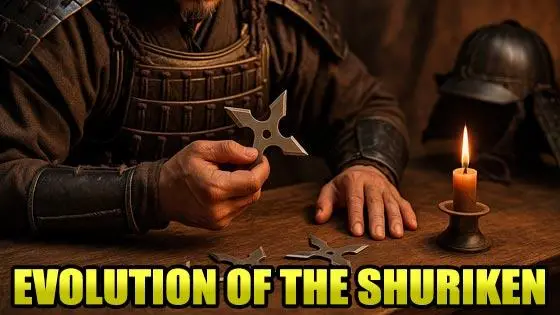
For centuries, the shuriken, better known as the throwing star or ninja star, has fascinated martial artists, historians, and pop-culture fans alike. Small enough to fit in the palm of a hand yet powerful enough to change the course of a fight, this simple weapon carries a story that stretches far beyond its razor-edged silhouette. From the battlefields of feudal Japan to modern martial arts dojos and collectors' displays, the shuriken has evolved from a hidden tool of deception into a symbol of precision, discipline, and timeless ingenuity.
The Origins of the Shuriken in Feudal Japan
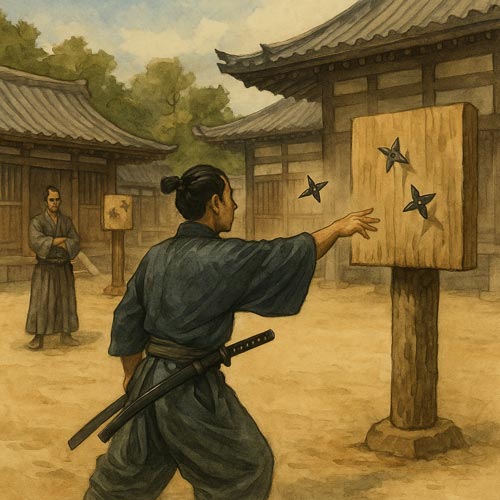
The story of the shuriken begins deep in the era of feudal Japan, when samurai and other warriors relied on both skill and cunning to survive. During this time, combat was not limited to the sword or spear. Every warrior understood the importance of versatility, and small, easily concealed weapons became valuable tools for distraction and deception. Among these tools, the shuriken quietly rose to prominence.
Early versions of the weapon were simple in design and often crafted from everyday objects. Blacksmiths and soldiers repurposed broken tools, carpentry nails, and even coins into compact projectiles. These improvised weapons were practical, inexpensive, and easy to replace in the field. The goal was never to overpower an opponent outright, but to wound, confuse, or buy time for a retreat. In a world where every second mattered, a well-thrown shuriken could shift the balance of a battle.
Unlike the romanticized versions we see today, historical shuriken came in two main forms: the bo-shuriken, which were straight metal spikes, and the hira-shuriken, which were flat, multi-pointed blades. Samurai typically used bo-shuriken to complement their swordsmanship, while ninjas favored the hira-shuriken for stealth and misdirection. The weapon's small size made it easy to hide in armor or sleeves, allowing warriors to strike unexpectedly.
Over time, each martial tradition developed its own throwing techniques and weapon shapes. Some shuriken were thin and needle-like for long-range accuracy, while others were heavier and designed to hit with blunt force. This variation reflected the diversity of combat philosophies across Japan. To the samurai, the shuriken represented discipline and precision. To the ninja, it symbolized adaptability and surprise. Together, they transformed a simple piece of metal into one of history's most iconic weapons.
The Rise of the Ninja and the Art of Shurikenjutsu
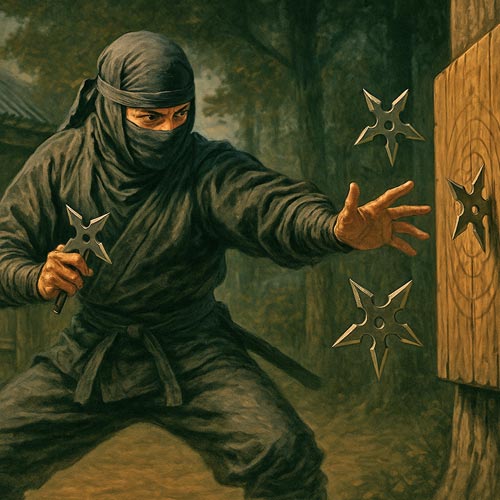
As Japan's feudal wars intensified, new tactics emerged to counter the heavily armored samurai and their rigid sense of honor. Among the most innovative were the shadow warriors known as ninja, or shinobi. Operating in secrecy, these agents relied on deception, agility, and psychological warfare rather than direct confrontation. The shuriken became one of their signature tools, perfectly suited to the art of silent combat.
For the ninja, the shuriken was not merely a weapon but an extension of strategy. It could be thrown to distract, cut, or wound, but it could also serve many other purposes. A well-placed shuriken might pin a note to a wall, mark a path, or create a diversion during an infiltration. Some were dipped in poison or irritants to increase their effectiveness. In the world of espionage, versatility mattered more than brute force, and the shuriken was a tool that embodied that philosophy.
This refined approach evolved into a formal martial discipline known as Shurikenjutsu, the art of the throwing blade. Taught alongside traditional weapons training, Shurikenjutsu emphasized accuracy, control, and composure under pressure. Students learned not only how to throw a shuriken but also when and why to use it. The techniques varied across regions and schools, with some focusing on rotational throws for distance and others favoring direct, non-rotational techniques for close quarters.
Masters of the art viewed shuriken practice as a path toward mental clarity. The act of throwing was a meditation in motion, requiring the practitioner to align breath, body, and intention. Accuracy came not from strength but from rhythm and repetition. Over time, this balance between physical technique and mental stillness became a defining aspect of Shurikenjutsu, shaping the way modern martial artists continue to train today.
The Shuriken in Modern Martial Arts and Pop Culture
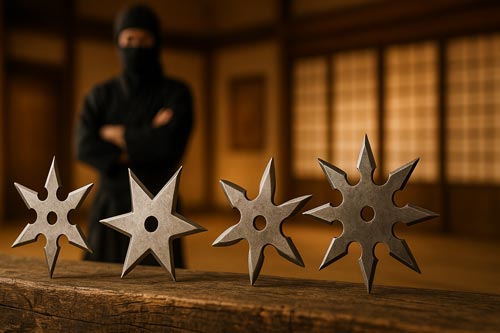
Although centuries have passed since the age of samurai and ninja, the shuriken continues to thrive in modern martial arts and global culture. What was once a practical battlefield tool has evolved into both a symbol of discipline and a beloved piece of martial heritage. Across dojos worldwide, students still practice the art of throwing stars as part of traditional weapons training, developing focus, accuracy, and hand-eye coordination through careful repetition.
Modern practitioners treat shurikenjutsu not as a weapon skill for combat but as a discipline of precision and mindfulness. The repetitive rhythm of throwing and retrieving the stars becomes a meditative process that sharpens both concentration and patience. Many martial artists also view shuriken training as a way to preserve Japan's historical techniques, passing down methods that might otherwise be lost to time. While real ninja missions no longer exist, the philosophy of calm, calculated movement remains just as powerful today.
Outside of the dojo, the shuriken has become a global icon. Movies, comic books, and video games have turned the ninja star into a universal shorthand for stealth and agility. From the silver screen adventures of masked warriors to collectible replicas found in anime conventions, the shuriken represents a fascinating blend of history and imagination. Its silhouette alone can evoke centuries of mystery and mastery.
Collectors and enthusiasts often seek out high-quality replicas, many made from stainless or carbon steel and polished to a mirror finish. Others prefer display pieces inspired by pop culture, blending historical authenticity with artistic flair. No matter how it is represented, the shuriken remains a timeless symbol of skill and subtlety, bridging the gap between history, art, and modern entertainment. Whether found in a dojo or on a movie poster, its presence continues to remind us of the ingenuity and discipline that defined Japan's legendary warriors.
The Shuriken's Lasting Legacy
From its humble beginnings as a simple battlefield distraction to its enduring presence in modern media, the shuriken has proven to be more than just a weapon. It stands as a symbol of creativity, resourcefulness, and the human drive to adapt tools for survival. Every era that embraced the shuriken reshaped its purpose, from the samurai who used it as a tactical companion to the ninja who turned it into a tool of stealth and psychological warfare.
In today's world, the shuriken represents a bridge between history and imagination. Martial artists practice its techniques as a way to honor centuries of discipline, while collectors and enthusiasts appreciate its craftsmanship and design. The weapon's evolution reflects the same qualities that defined those who once wielded it: precision, patience, and strategy.
Even outside the dojo, the influence of the shuriken continues to spread. Its distinctive shape appears in movies, comic books, and even fashion, reminding audiences everywhere of Japan's deep martial heritage. Though its purpose has changed over time, the core spirit of the shuriken remains untouched. It is a quiet reminder that true mastery lies not in strength alone, but in control, focus, and respect for the art itself.
At Kombativ.com, that same spirit of craftsmanship lives on. Our selection of throwing stars celebrates both the history and the future of this legendary tool. Whether you are a martial artist refining your accuracy or a collector drawn to its timeless beauty, the legacy of the shuriken continues, one throw at a time.
You May Also Be Interested In:
- The Complete Guide to Martial Arts Staffs: A Beginner-Friendly Breakdown
- The Real History of Escrima Sticks: From Battlefield Weapon to Modern Martial Art
- What Is a Shuriken? Types of Ninja Throwing Stars Explained
- The History and Evolution of the Karambit Knife
- History and Evolution of Self-Defense Keychains
- From Garden Tool to Combat Blade: The Evolution of the Kunai
- The Evolution of Automatic Knives: From Battlefield Tools to Everyday Carry
- A Practical Guide to Modern Self-Defense Weapons
- Modern Combat Khopesh and Other Deadly Weapons!
- A Brief History of the Push Dagger: From Trench Warfare to Modern EDC
Leave a Reply