




History and Evolution of Self-Defense Keychains
October 10th, 2025

The history of self defense keychains is more fascinating than most people realize. What started as simple handheld tools for protection has evolved into a staple of modern everyday carry culture. Over the years, these compact devices have taken on many forms, from ancient palm sticks and discreet pressure point weapons to today's stylish and practical designs. Whether made from metal, polymer, or reinforced plastic, the self defense keychain represents the perfect balance between accessibility and personal safety.
Early Roots of Self Defense Keychains
Long before keychains became part of everyday life, people carried small, handheld tools for personal protection. In ancient Japan, the kubotan and yawara stick were popular among martial artists and even law enforcement officers. These short rods, usually made of wood or metal, were designed to enhance the power of strikes and apply pressure to sensitive areas. Similar tools appeared in other cultures as well, often improvised from objects people already carried-like short sticks, ropes, or weighted cords.
As modern keychains became common in the 20th century, it was only natural for these defensive concepts to merge with something everyone carried. The result was a discreet, always-accessible form of self protection that didn't draw unwanted attention. Early versions of self defense keychains were simple and functional, often modeled after traditional martial arts tools but reimagined for daily use.
The Rise of Modern Self Defense Keychains
By the late 20th century, self defense keychains had evolved into practical tools designed for the realities of urban life. As more people began commuting alone or walking in busy cities, the need for compact personal protection grew. Manufacturers started creating keychains with built-in striking points, ergonomic grips, and lightweight materials that could withstand repeated use.
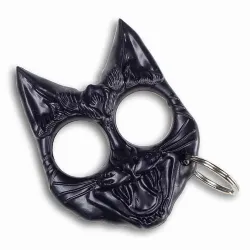
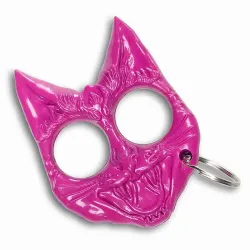
One of the most recognizable designs to emerge during this time was the cat ear keychain, featuring two pointed ears that extended between the fingers when held in a fist. It offered a discreet but effective way to defend oneself without carrying a large or intimidating weapon. Variations soon followed, including keychains shaped like dogs, owls, and other animals, each combining function with a touch of personality.
At the same time, innovations in materials made these tools stronger and more durable. Aluminum, polycarbonate, and aircraft-grade polymers became common, providing strength without excess weight. This period marked the shift from novelty to necessity, setting the stage for the explosion of modern EDC (Everyday Carry) self defense gear we see today.
Types of Self Defense Keychains
Self defense keychains have come a long way from their early martial arts roots. Today, they're designed to fit almost any lifestyle or comfort level. While they all serve the same purpose, providing a quick way to protect yourself in an emergency, the variety of styles is what makes them so appealing.
Kubotans:
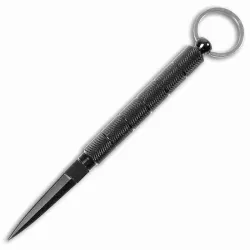
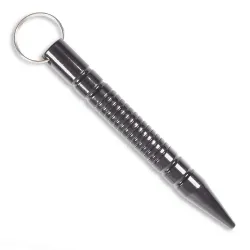
These cylindrical tools are among the most traditional types. Usually made of metal or reinforced polymer, kubotans can be used for striking, pressure point control, or breaking free from grabs. Their simple shape makes them easy to carry and legal in many places.
Cat Ear and Knuckle Keychains:
These designs are some of the most recognizable. Cat ear keychains slip between your fingers so the pointed ends extend outward, giving extra reach and impact during a defensive strike. They're compact, quick to access, and often come in stylish colors that blend in with everyday accessories.
Pepper Spray and Alarm Keychains:
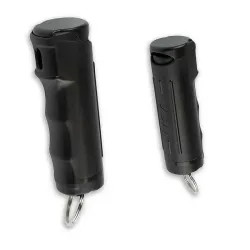
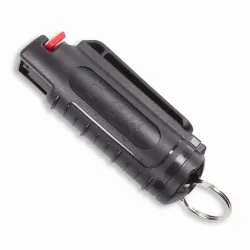
Not every form of defense relies on physical contact. Pepper spray keychains and personal alarm keychains are popular choices for people who prefer distance-based protection. Both options are lightweight and easy to attach to a purse, backpack, or belt loop.
Multifunctional EDC Tools:
In recent years, manufacturers have introduced keychains that combine safety features with everyday utility. These can include built-in flashlights, glass breakers, seatbelt cutters, or even hidden blades for emergency use. The idea is to keep a useful tool on hand at all times without adding bulk to your carry setup.
Each style serves a different purpose, but they all share one goal: to give the user confidence and peace of mind in unpredictable situations.
Safety, Legality, and Responsible Use
Owning a self defense keychain comes with responsibility. Even though these tools are designed for protection, it's important to understand how and when they should be used. The goal is not to start a fight, but to give yourself a chance to get away safely if you ever feel threatened.
Before carrying one, it's a good idea to check the laws in your state or city. Some areas have restrictions on pointed keychains, metal knuckle designs, or anything that could be classified as a weapon. Reading local regulations or contacting law enforcement can help you stay compliant and avoid unwanted legal issues.
Training and awareness also make a big difference. A self defense keychain is most effective when used with confidence and control. Practicing how to hold it, how to access it quickly, and when to use it can turn a small tool into a reliable safety companion. Remember, the purpose of any self defense item is to create an opportunity to escape and seek help, not to escalate a situation.
Modern Popularity and Everyday Carry Culture
Today's self defense keychains have become an essential part of the everyday carry movement, often referred to as EDC. What started as a niche interest among martial artists and survival enthusiasts has grown into a mainstream trend focused on preparedness, practicality, and personal safety. Social media has played a huge role in this shift, with countless videos and posts showing creative ways people customize their EDC setups to match their style and needs.
Many modern self defense keychains are designed to be both functional and visually appealing. From matte metal finishes to brightly colored polymer designs, they fit seamlessly with other EDC items like pocket knives, multitools, and flashlights. Some even feature detachable clips or hidden compartments that make them more versatile for daily use.
What truly sets these tools apart is their accessibility. Unlike large self defense weapons that require training or permits, most keychains can be legally owned and carried in many areas. They offer a sense of empowerment and peace of mind for people from all walks of life, whether it's a college student walking home after class or a late-night commuter heading to the car.
Empowerment in the Palm of Your Hand
The evolution of self defense keychains tells the story of how everyday items can transform into tools of empowerment. From ancient striking weapons to modern EDC gear, they have continued to adapt to the changing needs of society. What was once a simple piece of metal on a key ring is now a symbol of preparedness and confidence for people everywhere.
If you're interested in exploring modern designs that balance practicality with protection, check out our selection of self defense keychains. Each one is made to be lightweight, discreet, and reliable when it matters most.
Carrying a self defense keychain is not about expecting danger. It's about being ready for whatever the world might throw your way and having the peace of mind that comes from being prepared.
When Were Self Defense Keychains First Invented?
While it's hard to pinpoint an exact date, modern self defense keychains began gaining popularity in the 1970s and 1980s, inspired by older martial arts tools like the kubotan and yawara stick. These early designs evolved into the discreet and practical EDC versions people carry today.
Are Self Defense Keychains Legal to Carry?
Legality depends on where you live. Some states and cities allow self defense keychains freely, while others restrict pointed or knuckle-style designs. Always check local regulations before carrying one to make sure you stay compliant.
Do Self Defense Keychains Really Work?
Yes, when used properly. A self defense keychain can provide leverage and striking power to help you escape a dangerous situation. Like any safety tool, effectiveness improves with training and awareness.
What Is the Best Type of Self Defense Keychain?
The best option depends on your comfort level and daily routine. Some people prefer pointed cat ear or kubotan keychains, while others choose pepper spray or alarm keychains for distance protection.
Can Anyone Use a Self Defense Keychain?
Absolutely. Self defense keychains are designed to be easy to use for people of all ages and skill levels. The key is to carry it consistently, practice your grip, and know when to use it responsibly.
 🔍︎ QUICK VIEW
$13.95
 🔍︎ QUICK VIEW
$13.95
 🔍︎ QUICK VIEW
$13.95
 🔍︎ QUICK VIEW
$16.95
 🔍︎ QUICK VIEW
$13.95
 🔍︎ QUICK VIEW
$29.95
 🔍︎ QUICK VIEW
 🔍︎ QUICK VIEW
$24.95
 🔍︎ QUICK VIEW
 🔍︎ QUICK VIEW
$13.95
 🔍︎ QUICK VIEW
 🔍︎ QUICK VIEW
 🔍︎ QUICK VIEW
$14.95
 🔍︎ QUICK VIEW
 🔍︎ QUICK VIEW
 🔍︎ QUICK VIEW
$13.95
You May Also Be Interested In:
- The History and Evolution of the Karambit Knife
- From Garden Tool to Combat Blade: The Evolution of the Kunai
- The Evolution of the Shuriken: From Samurai to Modern Martial Arts
- The Evolution of Automatic Knives: From Battlefield Tools to Everyday Carry
- The Strange History of the Tomahawk
- The Strange History of the Blackjack
- The Strange History of Cane Swords
- The Strange History of the Push Dagger
- Why Were Nunchucks Actually Invented? (The Real History Might Surprise You)
- The Most Famous Knife Fight in American History
Leave a Reply