





Self Defense Canes, Sword Canes & Survival Walking Sticks
-
 🔍︎ QUICK VIEW
-
 🔍︎ QUICK VIEW
-
 🔍︎ QUICK VIEW
-
 🔍︎ QUICK VIEW
$144.95
🔍︎ QUICK VIEW
$144.95 -
 🔍︎ QUICK VIEW
-
 🔍︎ QUICK VIEW
$154.95
🔍︎ QUICK VIEW
$154.95 -
 🔍︎ QUICK VIEW
$169.95
🔍︎ QUICK VIEW
$169.95 -
 🔍︎ QUICK VIEW
$149.95
🔍︎ QUICK VIEW
$149.95 -
 🔍︎ QUICK VIEW
$94.95
🔍︎ QUICK VIEW
$94.95 -
 🔍︎ QUICK VIEW
$149.95
🔍︎ QUICK VIEW
$149.95 -
 🔍︎ QUICK VIEW
-
 🔍︎ QUICK VIEW
$69.95
🔍︎ QUICK VIEW
$69.95 -
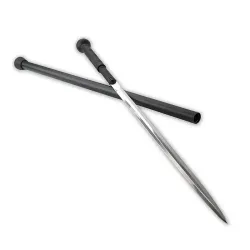 🔍︎ QUICK VIEW
$119.95
🔍︎ QUICK VIEW
$119.95 -
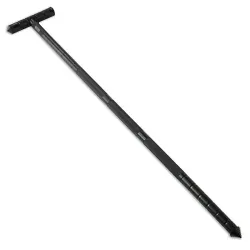 🔍︎ QUICK VIEW
-
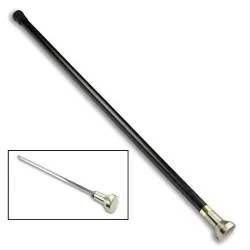 🔍︎ QUICK VIEW
$34.95
🔍︎ QUICK VIEW
$34.95
 (1)
(1) (1)
(1)Self Defense Canes, Sword Canes & Survival Walking Sticks
For centuries, canes and walking sticks have served as more than mere mobility aids; they've been trusted tools for protection and combat. At Kombativ, we have a diverse range of expertly crafted self defense canes, sword canes, and martial arts canes designed to blend functionality with formidable defensive capabilities. Whether you're seeking a self defense walking stick for personal safety, a combat cane for martial arts practice, or a survival walking stick for outdoor adventures, our selection offers unparalleled quality and versatility. Each piece is engineered to provide confidence, whether you're navigating urban streets or exploring rugged trails.
The self defense cane has a storied history rooted in practicality and ingenuity. In the 17th and 18th centuries, gentlemen across Europe carried canes not only as fashion statements but also as discreet weapons. A well-crafted cane could deflect a blade or deliver a powerful strike, making it an essential tool for self-preservation in an era of duels and highwaymen. Over time, the self defense walking stick evolved, incorporating durable materials like hardwood, carbon fiber, and steel to enhance strength and impact. Today's self defense canes are designed with modern needs in mind, offering ergonomic grips, balanced weight, and reinforced shafts to ensure they're as effective for protection as they are for support. These canes are ideal for anyone prioritizing personal safety without sacrificing style or subtlety.
Sword canes elevate the concept of concealed defense to an art form. Originating in the Renaissance era, sword canes gained popularity among European nobility who sought discreet ways to remain armed in public settings. By the 19th century, these elegant weapons were a hallmark of sophistication, concealing a slender blade within a polished walking stick. Kombativ's sword canes honor this tradition, blending historical charm with contemporary craftsmanship. While sword canes are prized for their historical allure and collector's appeal, they require careful consideration of local laws due to their concealed nature, ensuring responsible ownership and use.
Martial arts canes, including specialized kung fu canes and fighting canes, represent another dimension of this category, tailored for practitioners who view the cane as an extension of their body and technique. Canes have long been integral to various martial arts traditions, from Chinese Kung Fu to French La Canne and Filipino Eskrima. In Kung Fu, for example, the cane is wielded with fluid precision, leveraging its length and weight for strikes, blocks, and disarming maneuvers. Kombativ's martial arts canes are crafted to meet the demands of these disciplines, featuring lightweight yet durable materials like rattan, bamboo, or reinforced polymers. These combat canes are designed for balance and agility, allowing practitioners to execute complex techniques with confidence.
The survival walking stick offers rugged durability for outdoor enthusiasts and adventurers. Historically, walking sticks were indispensable for travelers, providing stability on uneven terrain and protection against wildlife. Modern survival walking sticks build on this legacy, incorporating features like reinforced tips, weather-resistant finishes, and modular designs for added utility. At Kombativ, our survival walking sticks are built to withstand harsh conditions, making them ideal companions for hiking, camping, or emergency preparedness. Whether you're traversing a mountain trail or preparing for unforeseen challenges, these walking sticks provide reliability and peace of mind.
Beyond their practical applications, self defense canes, sword canes, and martial arts canes carry cultural and historical significance. In Victorian England, cane fighting emerged as a gentleman's art, with schools teaching techniques to wield the walking stick as a weapon against assailants. Similarly, in Asia, the cane has been a staple in martial arts for centuries, symbolizing discipline and adaptability. Kombativ's collection pays homage to these traditions while embracing modern innovation, offering canes that cater to collectors, martial artists, and those seeking reliable self defense tools.
Selecting the right martial arts cane depends on the specific discipline you practice, as each martial art emphasizes different techniques and requirements. For Kung Fu, particularly styles like Wing Chun or Shaolin, a kung fu cane should be lightweight, well-balanced, and durable to accommodate rapid strikes, spins, and defensive maneuvers. Rattan or bamboo canes are often preferred for their flexibility and natural grip, allowing practitioners to execute fluid movements without sacrificing control. A kung fu cane typically measures between 36 and 42 inches, providing enough length for leverage while remaining manageable for close-quarters techniques. Kombativ's martial arts canes are designed with these principles in mind, offering options that cater to Kung Fu's dynamic footwork and precise strikes.
In Filipino martial arts like Eskrima or Kali, cane fighting is a cornerstone, with the stick (often called a "baston") serving as a primary weapon. Here, a fighting cane should be slightly shorter-around 26 to 32 inches-to facilitate fast, double-handed strikes and disarming techniques. Hardwood or synthetic materials like polypropylene are ideal for withstanding intense sparring sessions. These combat canes prioritize durability and impact resistance, ensuring they hold up under repetitive blows. Kombativ's fighting canes are crafted to meet these needs, offering a balance of weight and strength for Eskrima practitioners.
French La Canne, a lesser-known but highly effective martial art, treats the cane as a fencing-like weapon, emphasizing thrusts, parries, and circular strikes. A martial arts cane for La Canne should be lightweight, around 35 to 38 inches long, with a rounded handle for quick wrist movements. Ash or hazel wood is traditional, though modern carbon fiber options provide similar agility with added durability.
Other martial arts, such as Hapkido or Bartitsu, also incorporate cane fighting, blending strikes with joint locks and throws. For these styles, a versatile combat cane with a medium weight and ergonomic grip is ideal, allowing for both offensive and defensive applications. Regardless of the discipline, the best martial arts cane feels like an extension of your arm, enhancing your technique without hindering movement. Kombativ's martial arts canes are rigorously tested to support a range of styles, from Kung Fu's flowing forms to Eskrima's rapid exchanges, ensuring every practitioner finds the perfect tool for their training.
Choosing the right size for a self defense cane, sword cane, or martial arts cane depends on your height, intended use, and personal comfort. For general use as a self defense walking stick or survival walking stick, the cane should typically reach from the floor to your hip bone when standing upright. This height - usually 36 to 39 inches for most adults - ensures proper support and balance while walking, while also providing enough length for effective defensive strikes. Kombativ's self defense canes are available in various lengths, so you can find just the right fit.
For martial arts canes, size varies by discipline. As noted, Kung Fu canes often range from 36 to 42 inches to accommodate sweeping strikes and blocks, while Eskrima fighting canes are shorter, around 26 to 32 inches, for faster, close-range combat. La Canne practitioners may prefer canes between 35 and 38 inches for fencing-style techniques. To determine the ideal length, hold the cane in your dominant hand and ensure it allows a natural, relaxed arm position during your martial art's core movements. Kombativ's martial arts canes come in multiple sizes, with detailed specifications to match your training needs.
Sword canes follow similar sizing guidelines to self defense canes, typically 36 to 39 inches, to maintain their disguise as a walking stick while housing a functional blade. The blade length, often 20 to 30 inches, should be proportional to the cane's overall size to ensure balance when drawn. Kombativ's sword canes are designed with these ratios in mind, offering a seamless blend of concealment and usability. Just make sure to check your local laws before carrying any sword cane.
A self-defense cane looks similar to a traditional walking cane, but it is built with a very different purpose in mind. While a standard cane is designed primarily for balance and support, a self-defense cane is engineered to function as a durable impact tool. These canes are typically made from much stronger materials, such as solid hardwood, reinforced polymer, or dense composites that will not crack or flex under force.
The shape and construction are also intentional. Many self-defense canes have thicker shafts, reinforced tips, or contoured handles that provide better grip and control during strikes, blocks, or hooks. Some models are styled to resemble ordinary mobility canes, while others lean more toward a tactical or martial arts design. In either case, they are built to withstand repeated use in defensive scenarios without failing.
Another major difference is intent. A regular cane is meant to support body weight. A self-defense cane is meant to protect the person holding it. It can still be used as a walking aid, but its true advantage is that it gives the user a strong, legally low-profile tool that can be used to create distance, redirect force, and discourage an attacker without relying on edged weapons or firearms.
In most areas, standard self-defense canes are legal to own and carry because they are classified as mobility aids rather than weapons. A solid walking cane made from wood, polymer, or composite materials is generally treated the same as any other cane you might buy at a pharmacy or medical supply store. That makes them one of the few personal protection tools that can often be carried in places where knives, batons, or sprays are restricted.
Where legality becomes more complicated is with specialized designs, especially sword canes. A sword cane contains a concealed blade inside the shaft, and in many states this places it in the same legal category as a hidden or disguised weapon. Some jurisdictions prohibit sword canes outright, while others restrict how they can be carried or require them to remain at home. Because laws vary widely by state and sometimes even by city, buyers should always check their local regulations before purchasing or carrying a bladed cane.
For customers who want a simple, low-profile defensive tool, a non-bladed self-defense cane is usually the safest legal choice. It offers strength, reach, and control without crossing into concealed weapon territory. Sword canes, on the other hand, are better viewed as specialty items for collection, display, or controlled use where legal. Understanding that distinction helps ensure you choose a cane that fits both your needs and your local laws.
One of the biggest advantages of a self-defense cane is that it does not require exceptional strength, speed, or athletic ability to be useful. The length of the cane provides natural reach and leverage, which means even a smaller or less physically powerful person can create distance and apply meaningful force. Simple movements like jabs, downward strikes, and sweeping blocks are intuitive and can be learned quickly.
That said, effectiveness increases dramatically with even a small amount of training. Basic cane techniques focus on keeping an attacker at range, redirecting incoming force, and using the shaft or hook of the cane to control space. These concepts are easy to grasp and do not demand years of martial arts experience. Many people pick up functional defensive skills in just a few practice sessions.
Because of this, self-defense canes are often chosen by people who want a realistic, approachable form of protection. They are especially appealing to those who may not be comfortable with knives or firearms, or who prefer a tool that looks ordinary while still offering real defensive capability. With minimal instruction and regular practice, almost anyone can learn to use a cane with confidence.
A self-defense cane is a solid, non-bladed impact tool designed to look and function like a walking cane while offering real strength and durability for defensive use. It relies on reach, leverage, and structure rather than a cutting edge. These canes are built to withstand strikes, blocks, and hooks without breaking, and in most places they are treated legally the same as any ordinary cane.
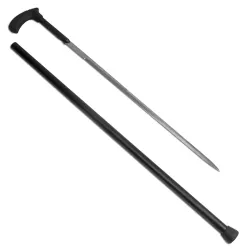
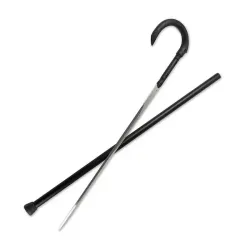
A sword cane, on the other hand, contains a concealed blade inside the shaft. With a twist or pull, the cane separates to reveal a full-length sword hidden within. While this design is undeniably striking, it changes the nature of the item completely. What appears to be a simple mobility aid becomes a disguised edged weapon, which carries very different legal and practical implications.
In real-world use, a standard self-defense cane is typically the more practical option. It can be carried openly without drawing attention, used as a walking aid, and deployed instantly without any mechanical action. A sword cane requires a draw before it can function as a weapon, and that extra step can be slow or awkward under stress. For most people seeking a dependable and low-profile defensive tool, a solid cane offers the advantages of strength and reach without the complications that come with a hidden blade.
Yes, self-defense canes are widely used in structured training systems and martial arts around the world. Disciplines like canne de combat, Filipino stick fighting, and modern self-defense programs all incorporate cane-based techniques. These systems treat the cane as a natural extension of the body, focusing on angles, leverage, timing, and control rather than brute strength.
Training with a cane builds practical skills that translate well to real-world situations. Students learn how to strike safely, block incoming force, trap limbs, and maintain distance. Because the cane is longer than most handheld weapons, it teaches spacing and footwork in a way that is both intuitive and effective. Many instructors prefer canes for beginners because they reduce the need for close-range contact while still allowing realistic practice.
Even outside of formal martial arts schools, many people use self-defense canes for personal practice. A durable cane can be safely swung against training targets, heavy bags, or padded partners. This makes it an accessible option for anyone who wants to build confidence and coordination without committing to a full martial arts program.
The History of the Self Defense Cane
The self defense cane has a storied history rooted in practicality and ingenuity. In the 17th and 18th centuries, gentlemen across Europe carried canes not only as fashion statements but also as discreet weapons. A well-crafted cane could deflect a blade or deliver a powerful strike, making it an essential tool for self-preservation in an era of duels and highwaymen. Over time, the self defense walking stick evolved, incorporating durable materials like hardwood, carbon fiber, and steel to enhance strength and impact. Today's self defense canes are designed with modern needs in mind, offering ergonomic grips, balanced weight, and reinforced shafts to ensure they're as effective for protection as they are for support. These canes are ideal for anyone prioritizing personal safety without sacrificing style or subtlety.
Sword Canes and Concealed Defense
Sword canes elevate the concept of concealed defense to an art form. Originating in the Renaissance era, sword canes gained popularity among European nobility who sought discreet ways to remain armed in public settings. By the 19th century, these elegant weapons were a hallmark of sophistication, concealing a slender blade within a polished walking stick. Kombativ's sword canes honor this tradition, blending historical charm with contemporary craftsmanship. While sword canes are prized for their historical allure and collector's appeal, they require careful consideration of local laws due to their concealed nature, ensuring responsible ownership and use.
Martial Arts Canes and Fighting Traditions
Martial arts canes, including specialized kung fu canes and fighting canes, represent another dimension of this category, tailored for practitioners who view the cane as an extension of their body and technique. Canes have long been integral to various martial arts traditions, from Chinese Kung Fu to French La Canne and Filipino Eskrima. In Kung Fu, for example, the cane is wielded with fluid precision, leveraging its length and weight for strikes, blocks, and disarming maneuvers. Kombativ's martial arts canes are crafted to meet the demands of these disciplines, featuring lightweight yet durable materials like rattan, bamboo, or reinforced polymers. These combat canes are designed for balance and agility, allowing practitioners to execute complex techniques with confidence.
Survival Walking Sticks for Outdoor Use
The survival walking stick offers rugged durability for outdoor enthusiasts and adventurers. Historically, walking sticks were indispensable for travelers, providing stability on uneven terrain and protection against wildlife. Modern survival walking sticks build on this legacy, incorporating features like reinforced tips, weather-resistant finishes, and modular designs for added utility. At Kombativ, our survival walking sticks are built to withstand harsh conditions, making them ideal companions for hiking, camping, or emergency preparedness. Whether you're traversing a mountain trail or preparing for unforeseen challenges, these walking sticks provide reliability and peace of mind.
Cultural Legacy and Modern Innovation
Beyond their practical applications, self defense canes, sword canes, and martial arts canes carry cultural and historical significance. In Victorian England, cane fighting emerged as a gentleman's art, with schools teaching techniques to wield the walking stick as a weapon against assailants. Similarly, in Asia, the cane has been a staple in martial arts for centuries, symbolizing discipline and adaptability. Kombativ's collection pays homage to these traditions while embracing modern innovation, offering canes that cater to collectors, martial artists, and those seeking reliable self defense tools.
What Cane Is Best for Kung Fu and Other Martial Arts?
Selecting the right martial arts cane depends on the specific discipline you practice, as each martial art emphasizes different techniques and requirements. For Kung Fu, particularly styles like Wing Chun or Shaolin, a kung fu cane should be lightweight, well-balanced, and durable to accommodate rapid strikes, spins, and defensive maneuvers. Rattan or bamboo canes are often preferred for their flexibility and natural grip, allowing practitioners to execute fluid movements without sacrificing control. A kung fu cane typically measures between 36 and 42 inches, providing enough length for leverage while remaining manageable for close-quarters techniques. Kombativ's martial arts canes are designed with these principles in mind, offering options that cater to Kung Fu's dynamic footwork and precise strikes.
In Filipino martial arts like Eskrima or Kali, cane fighting is a cornerstone, with the stick (often called a "baston") serving as a primary weapon. Here, a fighting cane should be slightly shorter-around 26 to 32 inches-to facilitate fast, double-handed strikes and disarming techniques. Hardwood or synthetic materials like polypropylene are ideal for withstanding intense sparring sessions. These combat canes prioritize durability and impact resistance, ensuring they hold up under repetitive blows. Kombativ's fighting canes are crafted to meet these needs, offering a balance of weight and strength for Eskrima practitioners.
French La Canne, a lesser-known but highly effective martial art, treats the cane as a fencing-like weapon, emphasizing thrusts, parries, and circular strikes. A martial arts cane for La Canne should be lightweight, around 35 to 38 inches long, with a rounded handle for quick wrist movements. Ash or hazel wood is traditional, though modern carbon fiber options provide similar agility with added durability.
Other martial arts, such as Hapkido or Bartitsu, also incorporate cane fighting, blending strikes with joint locks and throws. For these styles, a versatile combat cane with a medium weight and ergonomic grip is ideal, allowing for both offensive and defensive applications. Regardless of the discipline, the best martial arts cane feels like an extension of your arm, enhancing your technique without hindering movement. Kombativ's martial arts canes are rigorously tested to support a range of styles, from Kung Fu's flowing forms to Eskrima's rapid exchanges, ensuring every practitioner finds the perfect tool for their training.
How to Size & Measure a Cane
Choosing the right size for a self defense cane, sword cane, or martial arts cane depends on your height, intended use, and personal comfort. For general use as a self defense walking stick or survival walking stick, the cane should typically reach from the floor to your hip bone when standing upright. This height - usually 36 to 39 inches for most adults - ensures proper support and balance while walking, while also providing enough length for effective defensive strikes. Kombativ's self defense canes are available in various lengths, so you can find just the right fit.
For martial arts canes, size varies by discipline. As noted, Kung Fu canes often range from 36 to 42 inches to accommodate sweeping strikes and blocks, while Eskrima fighting canes are shorter, around 26 to 32 inches, for faster, close-range combat. La Canne practitioners may prefer canes between 35 and 38 inches for fencing-style techniques. To determine the ideal length, hold the cane in your dominant hand and ensure it allows a natural, relaxed arm position during your martial art's core movements. Kombativ's martial arts canes come in multiple sizes, with detailed specifications to match your training needs.
Sword canes follow similar sizing guidelines to self defense canes, typically 36 to 39 inches, to maintain their disguise as a walking stick while housing a functional blade. The blade length, often 20 to 30 inches, should be proportional to the cane's overall size to ensure balance when drawn. Kombativ's sword canes are designed with these ratios in mind, offering a seamless blend of concealment and usability. Just make sure to check your local laws before carrying any sword cane.
What Is a Self-Defense Cane and How Is It Different from a Regular Walking Cane?
A self-defense cane looks similar to a traditional walking cane, but it is built with a very different purpose in mind. While a standard cane is designed primarily for balance and support, a self-defense cane is engineered to function as a durable impact tool. These canes are typically made from much stronger materials, such as solid hardwood, reinforced polymer, or dense composites that will not crack or flex under force.
The shape and construction are also intentional. Many self-defense canes have thicker shafts, reinforced tips, or contoured handles that provide better grip and control during strikes, blocks, or hooks. Some models are styled to resemble ordinary mobility canes, while others lean more toward a tactical or martial arts design. In either case, they are built to withstand repeated use in defensive scenarios without failing.
Another major difference is intent. A regular cane is meant to support body weight. A self-defense cane is meant to protect the person holding it. It can still be used as a walking aid, but its true advantage is that it gives the user a strong, legally low-profile tool that can be used to create distance, redirect force, and discourage an attacker without relying on edged weapons or firearms.
Are Self-Defense Canes Legal to Own and Carry?
In most areas, standard self-defense canes are legal to own and carry because they are classified as mobility aids rather than weapons. A solid walking cane made from wood, polymer, or composite materials is generally treated the same as any other cane you might buy at a pharmacy or medical supply store. That makes them one of the few personal protection tools that can often be carried in places where knives, batons, or sprays are restricted.
Where legality becomes more complicated is with specialized designs, especially sword canes. A sword cane contains a concealed blade inside the shaft, and in many states this places it in the same legal category as a hidden or disguised weapon. Some jurisdictions prohibit sword canes outright, while others restrict how they can be carried or require them to remain at home. Because laws vary widely by state and sometimes even by city, buyers should always check their local regulations before purchasing or carrying a bladed cane.
For customers who want a simple, low-profile defensive tool, a non-bladed self-defense cane is usually the safest legal choice. It offers strength, reach, and control without crossing into concealed weapon territory. Sword canes, on the other hand, are better viewed as specialty items for collection, display, or controlled use where legal. Understanding that distinction helps ensure you choose a cane that fits both your needs and your local laws.
Can Anyone Use a Self-Defense Cane Effectively?
One of the biggest advantages of a self-defense cane is that it does not require exceptional strength, speed, or athletic ability to be useful. The length of the cane provides natural reach and leverage, which means even a smaller or less physically powerful person can create distance and apply meaningful force. Simple movements like jabs, downward strikes, and sweeping blocks are intuitive and can be learned quickly.
That said, effectiveness increases dramatically with even a small amount of training. Basic cane techniques focus on keeping an attacker at range, redirecting incoming force, and using the shaft or hook of the cane to control space. These concepts are easy to grasp and do not demand years of martial arts experience. Many people pick up functional defensive skills in just a few practice sessions.
Because of this, self-defense canes are often chosen by people who want a realistic, approachable form of protection. They are especially appealing to those who may not be comfortable with knives or firearms, or who prefer a tool that looks ordinary while still offering real defensive capability. With minimal instruction and regular practice, almost anyone can learn to use a cane with confidence.
What's the Difference Between a Self-Defense Cane and a Sword Cane?
A self-defense cane is a solid, non-bladed impact tool designed to look and function like a walking cane while offering real strength and durability for defensive use. It relies on reach, leverage, and structure rather than a cutting edge. These canes are built to withstand strikes, blocks, and hooks without breaking, and in most places they are treated legally the same as any ordinary cane.
A sword cane, on the other hand, contains a concealed blade inside the shaft. With a twist or pull, the cane separates to reveal a full-length sword hidden within. While this design is undeniably striking, it changes the nature of the item completely. What appears to be a simple mobility aid becomes a disguised edged weapon, which carries very different legal and practical implications.
In real-world use, a standard self-defense cane is typically the more practical option. It can be carried openly without drawing attention, used as a walking aid, and deployed instantly without any mechanical action. A sword cane requires a draw before it can function as a weapon, and that extra step can be slow or awkward under stress. For most people seeking a dependable and low-profile defensive tool, a solid cane offers the advantages of strength and reach without the complications that come with a hidden blade.
Can Self-Defense Canes Be Used for Martial Arts or Training?
Yes, self-defense canes are widely used in structured training systems and martial arts around the world. Disciplines like canne de combat, Filipino stick fighting, and modern self-defense programs all incorporate cane-based techniques. These systems treat the cane as a natural extension of the body, focusing on angles, leverage, timing, and control rather than brute strength.
Training with a cane builds practical skills that translate well to real-world situations. Students learn how to strike safely, block incoming force, trap limbs, and maintain distance. Because the cane is longer than most handheld weapons, it teaches spacing and footwork in a way that is both intuitive and effective. Many instructors prefer canes for beginners because they reduce the need for close-range contact while still allowing realistic practice.
Even outside of formal martial arts schools, many people use self-defense canes for personal practice. A durable cane can be safely swung against training targets, heavy bags, or padded partners. This makes it an accessible option for anyone who wants to build confidence and coordination without committing to a full martial arts program.
RECENTLY VIEWED