



Throwing Weapons - Shuriken, Axes & Throwable Knives
Products
-
 🔍︎ QUICK VIEW
$34.95
🔍︎ QUICK VIEW
$34.95 -
 🔍︎ QUICK VIEW
$24.95
🔍︎ QUICK VIEW
$24.95 -
 🔍︎ QUICK VIEW
$24.95
🔍︎ QUICK VIEW
$24.95 -
 🔍︎ QUICK VIEW
-
 🔍︎ QUICK VIEW
$34.95
🔍︎ QUICK VIEW
$34.95 -
 🔍︎ QUICK VIEW
-
 🔍︎ QUICK VIEW
$24.95
🔍︎ QUICK VIEW
$24.95 -
 🔍︎ QUICK VIEW
-
 🔍︎ QUICK VIEW
$24.95
🔍︎ QUICK VIEW
$24.95 -
 🔍︎ QUICK VIEW
$12.95
🔍︎ QUICK VIEW
$12.95 -
 🔍︎ QUICK VIEW
$12.95
🔍︎ QUICK VIEW
$12.95 -
 🔍︎ QUICK VIEW
$39.95
🔍︎ QUICK VIEW
$39.95 -
 🔍︎ QUICK VIEW
-
 🔍︎ QUICK VIEW
$17.95
🔍︎ QUICK VIEW
$17.95 -
 🔍︎ QUICK VIEW
-
 🔍︎ QUICK VIEW
$24.95
🔍︎ QUICK VIEW
$24.95 -
 🔍︎ QUICK VIEW
$29.95
🔍︎ QUICK VIEW
$29.95 -
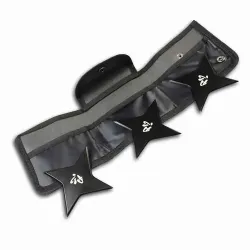 🔍︎ QUICK VIEW
$22.95
🔍︎ QUICK VIEW
$22.95 -
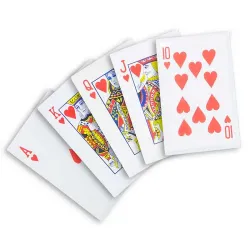 🔍︎ QUICK VIEW
$23.95
🔍︎ QUICK VIEW
$23.95 -
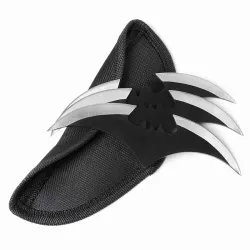 🔍︎ QUICK VIEW
$13.95
🔍︎ QUICK VIEW
$13.95 -
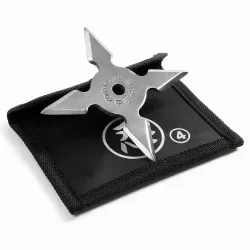 🔍︎ QUICK VIEW
$10.95
🔍︎ QUICK VIEW
$10.95 -
 🔍︎ QUICK VIEW
$14.95
🔍︎ QUICK VIEW
$14.95 -
 🔍︎ QUICK VIEW
$26.95
🔍︎ QUICK VIEW
$26.95 -
 🔍︎ QUICK VIEW
$24.95
🔍︎ QUICK VIEW
$24.95 -
 🔍︎ QUICK VIEW
$59.95
🔍︎ QUICK VIEW
$59.95 -
 🔍︎ QUICK VIEW
$42.95
🔍︎ QUICK VIEW
$42.95 -
 🔍︎ QUICK VIEW
$59.95
🔍︎ QUICK VIEW
$59.95 -
 🔍︎ QUICK VIEW
$34.95
🔍︎ QUICK VIEW
$34.95 -
 🔍︎ QUICK VIEW
-
 🔍︎ QUICK VIEW
$32.95
🔍︎ QUICK VIEW
$32.95 -
 🔍︎ QUICK VIEW
$32.95
🔍︎ QUICK VIEW
$32.95 -
 🔍︎ QUICK VIEW
$13.95
🔍︎ QUICK VIEW
$13.95 -
 🔍︎ QUICK VIEW
$32.95
🔍︎ QUICK VIEW
$32.95 -
 🔍︎ QUICK VIEW
$17.95
🔍︎ QUICK VIEW
$17.95 -
 🔍︎ QUICK VIEW
$34.95
🔍︎ QUICK VIEW
$34.95 -
 🔍︎ QUICK VIEW
-
 🔍︎ QUICK VIEW
-
 🔍︎ QUICK VIEW
$24.95
🔍︎ QUICK VIEW
$24.95 -
 🔍︎ QUICK VIEW
$39.95
🔍︎ QUICK VIEW
$39.95 -
 🔍︎ QUICK VIEW
-
 🔍︎ QUICK VIEW
$24.95
🔍︎ QUICK VIEW
$24.95 -
 🔍︎ QUICK VIEW
$24.95
🔍︎ QUICK VIEW
$24.95 -
 🔍︎ QUICK VIEW
$39.95
🔍︎ QUICK VIEW
$39.95 -
 🔍︎ QUICK VIEW
-
 🔍︎ QUICK VIEW
$29.95
🔍︎ QUICK VIEW
$29.95 -
 🔍︎ QUICK VIEW
$24.95
🔍︎ QUICK VIEW
$24.95 -
 🔍︎ QUICK VIEW
$21.95
🔍︎ QUICK VIEW
$21.95 -
 🔍︎ QUICK VIEW
$22.95
🔍︎ QUICK VIEW
$22.95 -
 🔍︎ QUICK VIEW
$29.95
🔍︎ QUICK VIEW
$29.95 -
 🔍︎ QUICK VIEW
-
 🔍︎ QUICK VIEW
-
 🔍︎ QUICK VIEW
$13.95
🔍︎ QUICK VIEW
$13.95 -
 🔍︎ QUICK VIEW
$24.95
🔍︎ QUICK VIEW
$24.95 -
 🔍︎ QUICK VIEW
$12.95
🔍︎ QUICK VIEW
$12.95 -
 🔍︎ QUICK VIEW
-
 🔍︎ QUICK VIEW
-
 🔍︎ QUICK VIEW
$10.95
🔍︎ QUICK VIEW
$10.95 -
 🔍︎ QUICK VIEW
$19.95
🔍︎ QUICK VIEW
$19.95 -
 🔍︎ QUICK VIEW
$13.95
🔍︎ QUICK VIEW
$13.95 -
 🔍︎ QUICK VIEW
-
 🔍︎ QUICK VIEW
$84.95
🔍︎ QUICK VIEW
$84.95 -
 🔍︎ QUICK VIEW
-
 🔍︎ QUICK VIEW
$32.95
🔍︎ QUICK VIEW
$32.95 -
 🔍︎ QUICK VIEW
$29.95
🔍︎ QUICK VIEW
$29.95 -
 🔍︎ QUICK VIEW
$17.95
🔍︎ QUICK VIEW
$17.95 -
 🔍︎ QUICK VIEW
-
 🔍︎ QUICK VIEW
$24.95
🔍︎ QUICK VIEW
$24.95 -
 🔍︎ QUICK VIEW
-
 🔍︎ QUICK VIEW
 (1)
(1)Throwing Weapons - Shuriken, Axes & Throwable Knives
Throwing weapons have an almost mythical reputation. These weapons, designed to be thrown with deadly accuracy, have been a staple in combat for centuries. Whether you're looking for an effective way to defend yourself from a distance or you're just into honing your throwing weapon skills, you've come to the right place. At Kombativ.com, we offer an extensive selection of throwing weapons, from the classic throwing knives to the iconic ninja stars and throwing axes. These types of throwing weapons have stood the test of time, evolving into tools that are both practical and fun to master. The right throwing weapon in your hand can turn the tide of battle, or at least give you a serious edge in your training.
When we think of throwing weapons, the first thing that usually comes to mind is the ninja, right? While the ninja throwing weapon (like the ninja star or shuriken) certainly holds a special place in history and pop culture, throwing weapons have been utilized by many ancient cultures around the world. From the Greeks, who used javelins in battle, to the indigenous tribes of the Americas and Africa, who perfected the use of spears and throwing knives, these weapons have always been integral parts of a warrior's arsenal. They serve multiple purposes: as long-range tools in battle, as methods of surprise attacks, and as effective ways to take down prey for food.
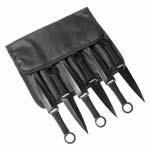
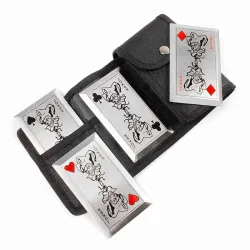
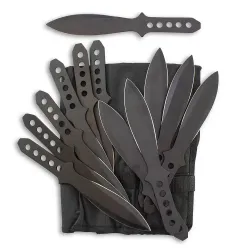
One of the most iconic types of throwing weapons is the throwing knife. Whether you're aiming for a target or learning how to stick a knife into a tree or log, there's something both satisfying and challenging about the art of throwing knives. But beyond the satisfaction, throwing knives have a rich history and are far more than just fun targets for backyard practice. Originally used in battle, throwing knives were sometimes small and lightweight, making them ideal for stealthy, surprise attacks. The practice of knife throwing was used as a form of psychological warfare as well; imagine a warrior using the blade as a distraction while closing in for a more lethal strike.
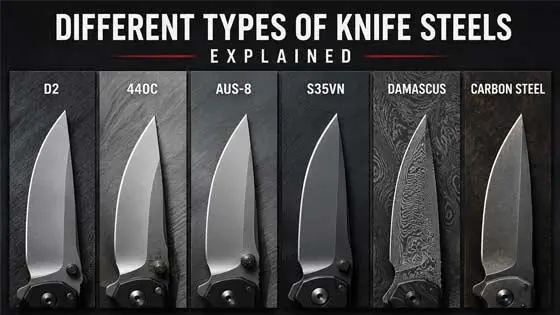
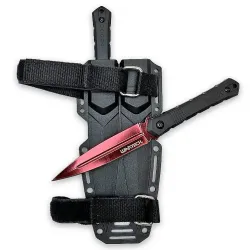
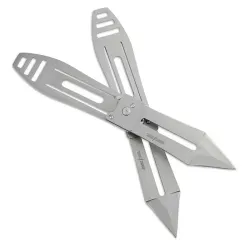
In modern-day practice, throwing knives are crafted in various shapes and sizes. Some feature pointed tips for increased accuracy, while others have a balanced center of gravity that ensures the blade rotates perfectly in the air. Throwing knives made of stainless steel or high-carbon steel are common today because of their durability and sharpness. If you're looking for the best throwing knives, you'll want something that can withstand the pressure of repeated use without chipping or bending.
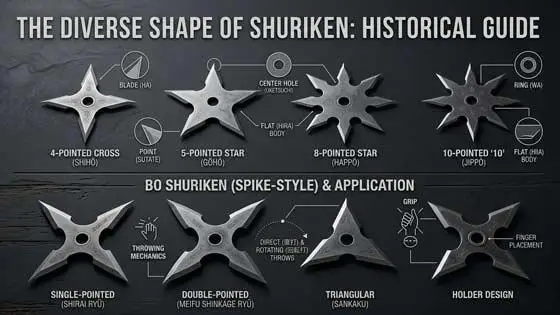
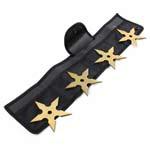
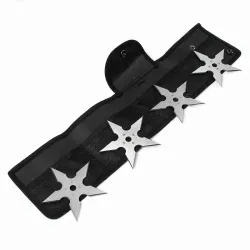
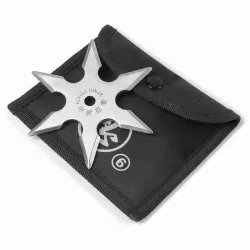
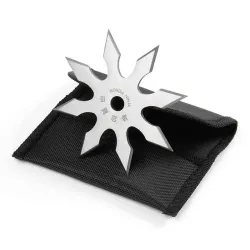
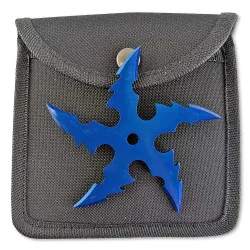
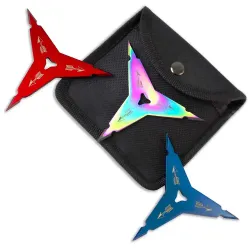
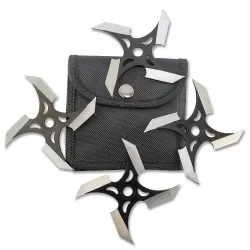
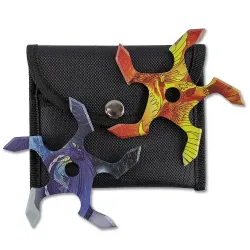
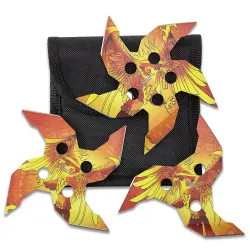
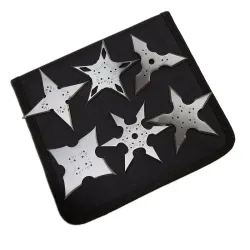
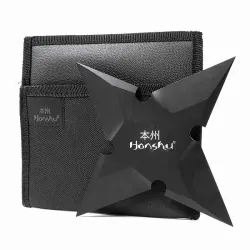
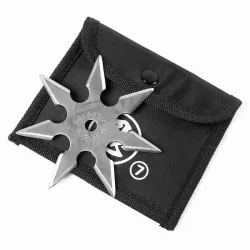
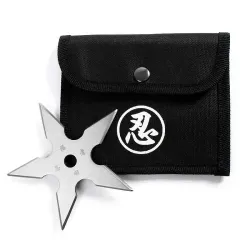
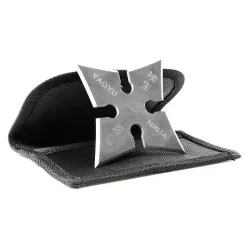
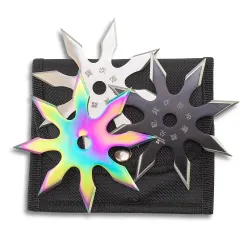
Next on the list of legendary throwing weapons are shurikens, also known as ninja stars. While their origin and use in actual combat have been debated for centuries, one thing is clear: these throwing weapons have captured the imagination of many. Unlike throwing knives, shurikens are typically star-shaped, with multiple blades radiating from a central core. Although often portrayed as deadly tools for the ninja, the true purpose of the shuriken wasn't necessarily to kill. It was more of a diversionary tool, designed to disorient or distract an opponent. In fact, many samurai used shurikens to create openings in their enemies' defenses, making them easier to defeat with a more direct weapon like a sword or spear.
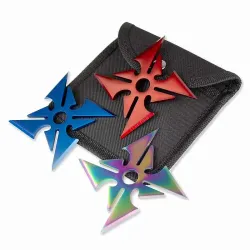
Despite their somewhat smaller, lighter size, shurikens are effective when thrown with precision and speed. There are many types of shurikens, ranging from the common four-point star to more complex designs like the "hira shuriken" (flat, disk-shaped shurikens) or "bo shuriken" (long, spike-like shurikens). Some are designed for throwing at close range, while others can be thrown with enough force and speed to travel long distances.
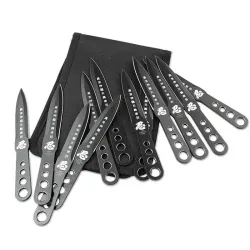
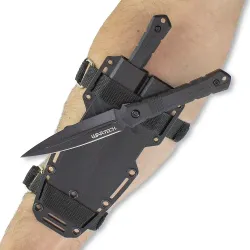
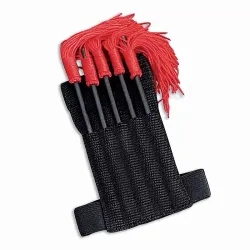
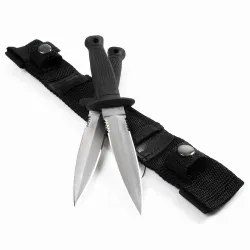
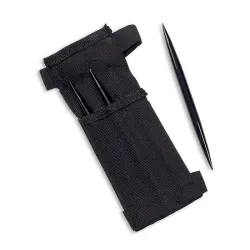
Throwing spikes or throwing darts also belong in this category of throwable weapons. These weapons are often small and pointy, designed for piercing and stabbing. The main difference between throwing spikes and knives lies in their design: throwing spikes often have a narrower, more tapered body, which makes them ideal for flying through the air with minimal resistance. Historically, throwing spikes were used by different cultures as part of their hunting techniques or in battles. With their small, lightweight design, they can be carried easily and thrown quickly, making them highly effective in a variety of combat situations.
The throwability of throwing spikes is what makes them so attractive as weapons. Whether it's a battle against multiple enemies or taking on a larger target from a distance, throwing spikes can reach their target with great speed and force. They're often made of steel, iron, or titanium, with varying designs; some come with knurled textures for improved grip, while others feature smooth, sharp points that can easily pierce through a target.
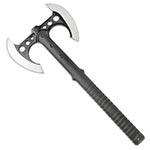
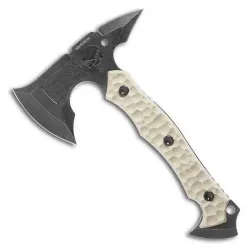
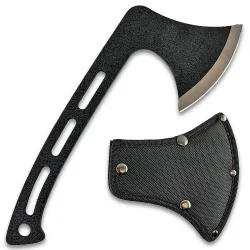
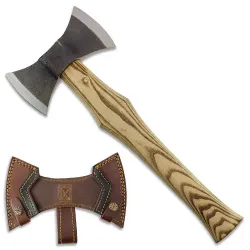
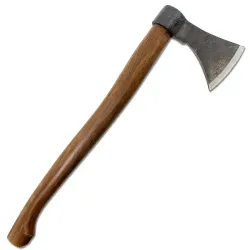
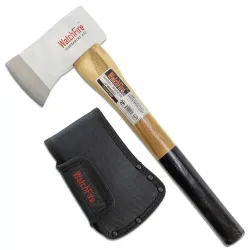
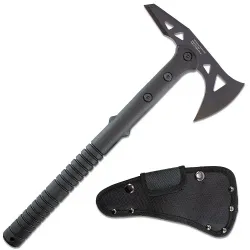
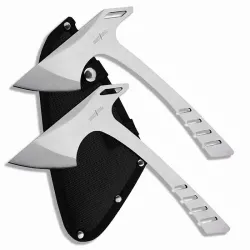
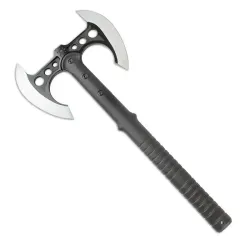
Another fascinating throwing weapon is the throwing axe (or hatchet). Unlike knives or spikes, throwing axes have a larger surface area and weight distribution, making them more challenging to throw with precision. However, the additional weight behind a throwing axe can make it incredibly effective in combat. Used throughout history by various warrior cultures, from Vikings to Native American tribes, throwing axes were often the weapons of choice for both hunting and fighting. They served a dual purpose: as tools for chopping wood and as deadly projectiles in battle.
Throwing axes are typically made of high-quality steel and are designed to offer a balanced throw, just like throwing knives. However, because of their size and weight, they require a bit more practice to master. Throwing axes are designed to embed into targets with precision, and their larger head gives them enough mass to inflict serious damage when they make contact. If you're a fan of more substantial weapons with a lot of power behind them, throwing axes are the way to go.
While all throwing weapons share a common element (the ability to be thrown), their different shapes, weights, and designs make each one unique in terms of handling and accuracy. When it comes to learning throwing weapon techniques, practicing with different types can help you develop a better understanding of how to throw each one effectively. Throwing knives, for example, require you to understand the concept of balance and rotation, while shurikens demand more finesse in terms of grip and angle. Throwing axes, on the other hand, require a bit of muscle and a solid understanding of weight distribution.
One of the keys to mastering throwing weapons is consistency. While throwing knives may seem easier at first, getting them to stick in a target consistently takes time and skill. The same is true for shurikens and throwing axes. Over time, your muscle memory will improve, and you'll become more proficient in understanding how the weapon behaves in flight. If you're serious about getting better, you'll need to practice regularly to improve your technique.
As with all types of weapons, it's also crucial to keep safety in mind. While it's fun to throw knives, stars, or axes, you'll want to make sure you're practicing in a safe environment. Always use appropriate targets and ensure you're following any safety guidelines or laws in your area when it comes to owning and carrying throwing weapons.
Lastly, don't forget to check your local laws before purchasing any throwing weapons. The legality of owning or carrying these weapons can vary widely depending on where you live. Some places have strict regulations, while others are more lenient. Always do your research to make sure you're complying with local regulations.
Whether you're looking to add to your collection or you're a beginner looking to get started with throwing weapons, Kombativ.com has everything you need. From ninja throwing weapons and throwing knives to throwing axes and spikes, we offer a wide variety of quality weapons to suit your needs. Explore our collection today and start mastering your throwing weapon techniques.
Most of the time you can own throwing knives, axes, and similar tools, but the laws vary a lot by state and city. Some places ban specific items like shuriken or restrict how and where you can carry them.
Legality depends on the weapon type and your jurisdiction. Many states treat ordinary throwing knives like other knives and allow ownership, but they may limit how you carry them or where you can possess them. Local city or county ordinances can add extra restrictions on top of state law.
Shuriken, often called throwing stars, are explicitly illegal in several states and under some local laws. For example, California makes manufacture, import, sale, gift, or possession of shuriken a crime, and other states have similar prohibitions or recent legislative changes that affect their status. If a specific weapon type is singled out in a statute, assume it can carry criminal penalties.
Some states have moved to clarify or change rules recently. A few states that once banned throwing stars have updated their laws to allow them under certain conditions, so a ruling from a few years ago might no longer reflect current law where you live. Always check the latest state code or a trusted legal summary for recent changes.
Federal law also matters for certain types of knives. For example, switchblades and ballistic knives face federal restrictions on interstate shipment and some federal properties. That won't usually affect a simple throwing knife, but it can matter if you cross state lines or deal in large-scale sales or imports.
Throwing axes and hatchets are often treated as tools, but carrying one in public or using it as a weapon can still lead to weapons charges. Commercial activities like axe-throwing venues follow safety rules and local regulations, but those business standards do not replace criminal law. They simply help operate safely and reduce liability.
Practical advice: treat throwing weapons like regulated tools. Use them only on private property or at supervised ranges, store them safely, do not carry them in public without confirming local rules, and look up your exact state and local statutes or consult an attorney if you plan to sell or travel with them.
Throwing knives are usually the easiest starting point because they're affordable, balanced, and widely available. Their simple design makes it easier to learn control, rotation, and consistency.
If you're new to throwing weapons, start with medium-weight throwing knives. They're easier to control than smaller or heavier blades and help you understand the basics of grip, release, and distance. A knife with a symmetrical design and balanced weight (where the center of gravity is near the middle) will rotate smoothly and predictably in flight.
Avoid overly light knives or decorative models, as they tend to wobble or bounce instead of sticking. Look for sturdy stainless steel or carbon steel knives with a clean, durable finish. These can withstand repeated impact without bending or dulling quickly.
Once you can consistently stick a knife into a target from different distances, you can experiment with other throwing weapons like shuriken or throwing spikes. Each weapon requires a slightly different release and technique, but the fundamentals you learn from knife throwing such as stance, rotation, and follow-through apply to all of them.
If you prefer a heavier weapon or a challenge, a small throwing axe can also be a great choice. It demands more strength and precision, but when thrown correctly, it hits with powerful impact. Always make sure you practice in a safe area with a solid wooden target and plenty of space.
A solid, dense wooden target is the best choice. Softwoods like pine, poplar, or cedar that are glued into a thick block or mounted as staves absorb impact and let blades stick without excessive damage.
For knives and small spikes, use a target made of vertical wooden staves or a single thick block at least 12 to 18 inches across and a few inches thick. The grain should run vertical so the blade hits the end grain and embeds cleanly. Softer woods are forgiving and reduce bounce outs. Avoid plywood and particle board because they can splinter or dull blades quickly.
For throwing axes and hatchets, go bigger and thicker. A target 24 to 36 inches across and several inches thick gives enough mass for the axe to rotate and bite into the wood. If you use staves, space them close together and secure them firmly so the axe does not hit gaps between pieces.
Commercial rubber targets work well for repeated practice and are kinder to blades, but many throwers prefer wood because it gives better feedback and feels more traditional. If you use rubber, choose one designed specifically for throwing tools rather than generic gym mats.
Set the target on a sturdy stand that allows a slight give but will not move on impact. Always clear the area around the target, use a backstop if possible, and check your blades after every session for chips or loosened handles. Replace or repair targets when they develop large cracks or deep, repetitive gouges that stop blades from embedding properly.
Start close and work back in small steps. A consistent marked line helps you find the sweet spot where the weapon makes the correct rotation and sticks reliably.
For throwing knives, beginners often start around 8 to 10 feet from the target. Many medium-weight knives will make one full rotation around 10 to 12 feet, so mark a line there once you find the correct spot. If the handle hits first, move closer; if the tip hits first or the knife over-rotates, step back a small amount.
For shuriken and small spikes, stand closer because they rotate faster and travel flatter. Typical practice distances are 6 to 9 feet for shuriken, depending on design and your throwing style. Start at the shorter end, get consistent, then extend the distance gradually.
Throwing axes need more room for rotation and power. Begin at 12 to 15 feet and adjust from there. Heavier axes sometimes require even more distance to complete their rotation, so test at safe increments until the head embeds cleanly.
Use measured plates, tape, or cones to mark distances and practice from the exact same spot each set. Practice from several marked distances so you learn how different ranges change rotation and release. Never guess distances while throwing; consistency beats power. Always verify your surroundings are clear and use a sturdy, well-mounted target.
Short answer: usually you can put knives and throwing stars in checked baggage, but you cannot carry them in a plane cabin and you must confirm both airline and local laws before you travel.
In the United States, airport security rules generally prohibit knives and other sharp objects in carry-on bags but allow them in checked luggage if they are securely packed and sheathed to protect baggage handlers. Check the official TSA guidance before you fly.
That U.S. rule does not guarantee you can travel with them everywhere. Airlines and international airports set their own policies and some carriers or countries forbid certain weapons even in checked bags. Always check your airline's baggage policy and the rules at each airport you'll pass through.
Local law at your destination matters more than airport rules. Some countries and many U.S. cities or states outright ban items like shuriken or classify them as prohibited weapons. If the item is illegal where you land, you risk confiscation, fines, or arrest, even if it was permitted on the plane. Confirm the firearm and weapon laws for the place you are traveling to and any layover stops.
Not really. Throwing weapons are impressive in movies, but in real life they're more suited for sport, training, and display than for personal defense.
A knife or axe leaves your hand the moment you throw it, which means you lose your weapon if you miss or the target keeps moving. Even skilled throwers can't match the unpredictability of real-world situations where distance, lighting, and stress make precise throwing difficult. In a defensive situation, keeping control of your weapon is almost always the smarter move.
Throwing stars, spikes, and other small projectiles also lack the stopping power needed to quickly neutralize a threat. They might cause pain or distraction, but rarely enough to end an attack. That's why most martial arts that use throwing weapons treat them as secondary tools, not primary forms of defense.
If you're interested in real-world protection, focus on tools designed for personal defense such as pepper spray, stun guns, or legal folding knives used at close range. Throwing weapons are best viewed as an art and discipline for coordination, accuracy, and focus-not as practical self-defense gear.
That said, training with throwing weapons can still sharpen your reflexes, hand-eye coordination, and focus, all of which complement other martial skills. Use them responsibly for sport and recreation, and always follow local laws and safety guidelines.
Ancient Cultures and the History of Throwing Weapons
When we think of throwing weapons, the first thing that usually comes to mind is the ninja, right? While the ninja throwing weapon (like the ninja star or shuriken) certainly holds a special place in history and pop culture, throwing weapons have been utilized by many ancient cultures around the world. From the Greeks, who used javelins in battle, to the indigenous tribes of the Americas and Africa, who perfected the use of spears and throwing knives, these weapons have always been integral parts of a warrior's arsenal. They serve multiple purposes: as long-range tools in battle, as methods of surprise attacks, and as effective ways to take down prey for food.
Throwing Knives and Their Role in Combat
One of the most iconic types of throwing weapons is the throwing knife. Whether you're aiming for a target or learning how to stick a knife into a tree or log, there's something both satisfying and challenging about the art of throwing knives. But beyond the satisfaction, throwing knives have a rich history and are far more than just fun targets for backyard practice. Originally used in battle, throwing knives were sometimes small and lightweight, making them ideal for stealthy, surprise attacks. The practice of knife throwing was used as a form of psychological warfare as well; imagine a warrior using the blade as a distraction while closing in for a more lethal strike.
Modern Throwing Knife Design and Materials
In modern-day practice, throwing knives are crafted in various shapes and sizes. Some feature pointed tips for increased accuracy, while others have a balanced center of gravity that ensures the blade rotates perfectly in the air. Throwing knives made of stainless steel or high-carbon steel are common today because of their durability and sharpness. If you're looking for the best throwing knives, you'll want something that can withstand the pressure of repeated use without chipping or bending.
Shurikens and Ninja Throwing Weapons
Next on the list of legendary throwing weapons are shurikens, also known as ninja stars. While their origin and use in actual combat have been debated for centuries, one thing is clear: these throwing weapons have captured the imagination of many. Unlike throwing knives, shurikens are typically star-shaped, with multiple blades radiating from a central core. Although often portrayed as deadly tools for the ninja, the true purpose of the shuriken wasn't necessarily to kill. It was more of a diversionary tool, designed to disorient or distract an opponent. In fact, many samurai used shurikens to create openings in their enemies' defenses, making them easier to defeat with a more direct weapon like a sword or spear.
Types of Shurikens and Throwing Techniques
Despite their somewhat smaller, lighter size, shurikens are effective when thrown with precision and speed. There are many types of shurikens, ranging from the common four-point star to more complex designs like the "hira shuriken" (flat, disk-shaped shurikens) or "bo shuriken" (long, spike-like shurikens). Some are designed for throwing at close range, while others can be thrown with enough force and speed to travel long distances.
Throwing Spikes and Throwing Darts
Throwing spikes or throwing darts also belong in this category of throwable weapons. These weapons are often small and pointy, designed for piercing and stabbing. The main difference between throwing spikes and knives lies in their design: throwing spikes often have a narrower, more tapered body, which makes them ideal for flying through the air with minimal resistance. Historically, throwing spikes were used by different cultures as part of their hunting techniques or in battles. With their small, lightweight design, they can be carried easily and thrown quickly, making them highly effective in a variety of combat situations.
Design and Performance of Throwing Spikes
The throwability of throwing spikes is what makes them so attractive as weapons. Whether it's a battle against multiple enemies or taking on a larger target from a distance, throwing spikes can reach their target with great speed and force. They're often made of steel, iron, or titanium, with varying designs; some come with knurled textures for improved grip, while others feature smooth, sharp points that can easily pierce through a target.
Throwing Axes and Hatchets
Another fascinating throwing weapon is the throwing axe (or hatchet). Unlike knives or spikes, throwing axes have a larger surface area and weight distribution, making them more challenging to throw with precision. However, the additional weight behind a throwing axe can make it incredibly effective in combat. Used throughout history by various warrior cultures, from Vikings to Native American tribes, throwing axes were often the weapons of choice for both hunting and fighting. They served a dual purpose: as tools for chopping wood and as deadly projectiles in battle.
Power and Technique Behind Throwing Axes
Throwing axes are typically made of high-quality steel and are designed to offer a balanced throw, just like throwing knives. However, because of their size and weight, they require a bit more practice to master. Throwing axes are designed to embed into targets with precision, and their larger head gives them enough mass to inflict serious damage when they make contact. If you're a fan of more substantial weapons with a lot of power behind them, throwing axes are the way to go.
Learning the Differences Between Throwing Weapons
While all throwing weapons share a common element (the ability to be thrown), their different shapes, weights, and designs make each one unique in terms of handling and accuracy. When it comes to learning throwing weapon techniques, practicing with different types can help you develop a better understanding of how to throw each one effectively. Throwing knives, for example, require you to understand the concept of balance and rotation, while shurikens demand more finesse in terms of grip and angle. Throwing axes, on the other hand, require a bit of muscle and a solid understanding of weight distribution.
Mastering Throwing Weapon Techniques
One of the keys to mastering throwing weapons is consistency. While throwing knives may seem easier at first, getting them to stick in a target consistently takes time and skill. The same is true for shurikens and throwing axes. Over time, your muscle memory will improve, and you'll become more proficient in understanding how the weapon behaves in flight. If you're serious about getting better, you'll need to practice regularly to improve your technique.
Safety and Legal Considerations
As with all types of weapons, it's also crucial to keep safety in mind. While it's fun to throw knives, stars, or axes, you'll want to make sure you're practicing in a safe environment. Always use appropriate targets and ensure you're following any safety guidelines or laws in your area when it comes to owning and carrying throwing weapons.
Check Local Laws Before Buying Throwing Weapons
Lastly, don't forget to check your local laws before purchasing any throwing weapons. The legality of owning or carrying these weapons can vary widely depending on where you live. Some places have strict regulations, while others are more lenient. Always do your research to make sure you're complying with local regulations.
Shop Throwing Weapons at Kombativ.com
Whether you're looking to add to your collection or you're a beginner looking to get started with throwing weapons, Kombativ.com has everything you need. From ninja throwing weapons and throwing knives to throwing axes and spikes, we offer a wide variety of quality weapons to suit your needs. Explore our collection today and start mastering your throwing weapon techniques.
Are throwing weapons legal to own and use?
Most of the time you can own throwing knives, axes, and similar tools, but the laws vary a lot by state and city. Some places ban specific items like shuriken or restrict how and where you can carry them.
Legality depends on the weapon type and your jurisdiction. Many states treat ordinary throwing knives like other knives and allow ownership, but they may limit how you carry them or where you can possess them. Local city or county ordinances can add extra restrictions on top of state law.
Shuriken, often called throwing stars, are explicitly illegal in several states and under some local laws. For example, California makes manufacture, import, sale, gift, or possession of shuriken a crime, and other states have similar prohibitions or recent legislative changes that affect their status. If a specific weapon type is singled out in a statute, assume it can carry criminal penalties.
Some states have moved to clarify or change rules recently. A few states that once banned throwing stars have updated their laws to allow them under certain conditions, so a ruling from a few years ago might no longer reflect current law where you live. Always check the latest state code or a trusted legal summary for recent changes.
Federal law also matters for certain types of knives. For example, switchblades and ballistic knives face federal restrictions on interstate shipment and some federal properties. That won't usually affect a simple throwing knife, but it can matter if you cross state lines or deal in large-scale sales or imports.
Throwing axes and hatchets are often treated as tools, but carrying one in public or using it as a weapon can still lead to weapons charges. Commercial activities like axe-throwing venues follow safety rules and local regulations, but those business standards do not replace criminal law. They simply help operate safely and reduce liability.
Practical advice: treat throwing weapons like regulated tools. Use them only on private property or at supervised ranges, store them safely, do not carry them in public without confirming local rules, and look up your exact state and local statutes or consult an attorney if you plan to sell or travel with them.
What's the best throwing weapon for beginners?
Throwing knives are usually the easiest starting point because they're affordable, balanced, and widely available. Their simple design makes it easier to learn control, rotation, and consistency.
If you're new to throwing weapons, start with medium-weight throwing knives. They're easier to control than smaller or heavier blades and help you understand the basics of grip, release, and distance. A knife with a symmetrical design and balanced weight (where the center of gravity is near the middle) will rotate smoothly and predictably in flight.
Avoid overly light knives or decorative models, as they tend to wobble or bounce instead of sticking. Look for sturdy stainless steel or carbon steel knives with a clean, durable finish. These can withstand repeated impact without bending or dulling quickly.
Once you can consistently stick a knife into a target from different distances, you can experiment with other throwing weapons like shuriken or throwing spikes. Each weapon requires a slightly different release and technique, but the fundamentals you learn from knife throwing such as stance, rotation, and follow-through apply to all of them.
If you prefer a heavier weapon or a challenge, a small throwing axe can also be a great choice. It demands more strength and precision, but when thrown correctly, it hits with powerful impact. Always make sure you practice in a safe area with a solid wooden target and plenty of space.
What's the best target for throwing knives and axes?
A solid, dense wooden target is the best choice. Softwoods like pine, poplar, or cedar that are glued into a thick block or mounted as staves absorb impact and let blades stick without excessive damage.
For knives and small spikes, use a target made of vertical wooden staves or a single thick block at least 12 to 18 inches across and a few inches thick. The grain should run vertical so the blade hits the end grain and embeds cleanly. Softer woods are forgiving and reduce bounce outs. Avoid plywood and particle board because they can splinter or dull blades quickly.
For throwing axes and hatchets, go bigger and thicker. A target 24 to 36 inches across and several inches thick gives enough mass for the axe to rotate and bite into the wood. If you use staves, space them close together and secure them firmly so the axe does not hit gaps between pieces.
Commercial rubber targets work well for repeated practice and are kinder to blades, but many throwers prefer wood because it gives better feedback and feels more traditional. If you use rubber, choose one designed specifically for throwing tools rather than generic gym mats.
Set the target on a sturdy stand that allows a slight give but will not move on impact. Always clear the area around the target, use a backstop if possible, and check your blades after every session for chips or loosened handles. Replace or repair targets when they develop large cracks or deep, repetitive gouges that stop blades from embedding properly.
What distance should I stand when learning to throw?
Start close and work back in small steps. A consistent marked line helps you find the sweet spot where the weapon makes the correct rotation and sticks reliably.
For throwing knives, beginners often start around 8 to 10 feet from the target. Many medium-weight knives will make one full rotation around 10 to 12 feet, so mark a line there once you find the correct spot. If the handle hits first, move closer; if the tip hits first or the knife over-rotates, step back a small amount.
For shuriken and small spikes, stand closer because they rotate faster and travel flatter. Typical practice distances are 6 to 9 feet for shuriken, depending on design and your throwing style. Start at the shorter end, get consistent, then extend the distance gradually.
Throwing axes need more room for rotation and power. Begin at 12 to 15 feet and adjust from there. Heavier axes sometimes require even more distance to complete their rotation, so test at safe increments until the head embeds cleanly.
Use measured plates, tape, or cones to mark distances and practice from the exact same spot each set. Practice from several marked distances so you learn how different ranges change rotation and release. Never guess distances while throwing; consistency beats power. Always verify your surroundings are clear and use a sturdy, well-mounted target.
Can I travel with throwing knives or throwing stars?
Short answer: usually you can put knives and throwing stars in checked baggage, but you cannot carry them in a plane cabin and you must confirm both airline and local laws before you travel.
In the United States, airport security rules generally prohibit knives and other sharp objects in carry-on bags but allow them in checked luggage if they are securely packed and sheathed to protect baggage handlers. Check the official TSA guidance before you fly.
That U.S. rule does not guarantee you can travel with them everywhere. Airlines and international airports set their own policies and some carriers or countries forbid certain weapons even in checked bags. Always check your airline's baggage policy and the rules at each airport you'll pass through.
Local law at your destination matters more than airport rules. Some countries and many U.S. cities or states outright ban items like shuriken or classify them as prohibited weapons. If the item is illegal where you land, you risk confiscation, fines, or arrest, even if it was permitted on the plane. Confirm the firearm and weapon laws for the place you are traveling to and any layover stops.
Are throwing weapons good for self defense?
Not really. Throwing weapons are impressive in movies, but in real life they're more suited for sport, training, and display than for personal defense.
A knife or axe leaves your hand the moment you throw it, which means you lose your weapon if you miss or the target keeps moving. Even skilled throwers can't match the unpredictability of real-world situations where distance, lighting, and stress make precise throwing difficult. In a defensive situation, keeping control of your weapon is almost always the smarter move.
Throwing stars, spikes, and other small projectiles also lack the stopping power needed to quickly neutralize a threat. They might cause pain or distraction, but rarely enough to end an attack. That's why most martial arts that use throwing weapons treat them as secondary tools, not primary forms of defense.
If you're interested in real-world protection, focus on tools designed for personal defense such as pepper spray, stun guns, or legal folding knives used at close range. Throwing weapons are best viewed as an art and discipline for coordination, accuracy, and focus-not as practical self-defense gear.
That said, training with throwing weapons can still sharpen your reflexes, hand-eye coordination, and focus, all of which complement other martial skills. Use them responsibly for sport and recreation, and always follow local laws and safety guidelines.