



Martial Arts Bo Staff & Jo Staff Weapons
-
 🔍︎ QUICK VIEW
-
 🔍︎ QUICK VIEW
From $299.95
🔍︎ QUICK VIEW
From $299.95 -
 🔍︎ QUICK VIEW
From $62.95
🔍︎ QUICK VIEW
From $62.95 -
 🔍︎ QUICK VIEW
From $79.95
🔍︎ QUICK VIEW
From $79.95 -
 🔍︎ QUICK VIEW
From $79.95
🔍︎ QUICK VIEW
From $79.95 -
 🔍︎ QUICK VIEW
From $49.95
🔍︎ QUICK VIEW
From $49.95 -
 🔍︎ QUICK VIEW
From $62.95
🔍︎ QUICK VIEW
From $62.95 -
 🔍︎ QUICK VIEW
-
 🔍︎ QUICK VIEW
-
 🔍︎ QUICK VIEW
-
 🔍︎ QUICK VIEW
From $72.95
🔍︎ QUICK VIEW
From $72.95 -
 🔍︎ QUICK VIEW
$74.95
🔍︎ QUICK VIEW
$74.95 -
 🔍︎ QUICK VIEW
$44.95
🔍︎ QUICK VIEW
$44.95 -
 🔍︎ QUICK VIEW
From $72.95
🔍︎ QUICK VIEW
From $72.95 -
 🔍︎ QUICK VIEW
From $199.95
🔍︎ QUICK VIEW
From $199.95 -
 🔍︎ QUICK VIEW
From $69.95
🔍︎ QUICK VIEW
From $69.95 -
 🔍︎ QUICK VIEW
From $64.95
🔍︎ QUICK VIEW
From $64.95 -
 🔍︎ QUICK VIEW
From $69.95
🔍︎ QUICK VIEW
From $69.95 -
 🔍︎ QUICK VIEW
From $124.95
🔍︎ QUICK VIEW
From $124.95 -
 🔍︎ QUICK VIEW
-
 🔍︎ QUICK VIEW
From $154.95
🔍︎ QUICK VIEW
From $154.95 -
 🔍︎ QUICK VIEW
From $144.95
🔍︎ QUICK VIEW
From $144.95 -
 🔍︎ QUICK VIEW
From $124.95
🔍︎ QUICK VIEW
From $124.95 -
 🔍︎ QUICK VIEW
From $169.95
🔍︎ QUICK VIEW
From $169.95 -
 🔍︎ QUICK VIEW
$21.95
🔍︎ QUICK VIEW
$21.95 -
 🔍︎ QUICK VIEW
From $159.95
🔍︎ QUICK VIEW
From $159.95 -
 🔍︎ QUICK VIEW
From $154.95
🔍︎ QUICK VIEW
From $154.95 -
 🔍︎ QUICK VIEW
$129.95
🔍︎ QUICK VIEW
$129.95 -
 🔍︎ QUICK VIEW
From $129.95
🔍︎ QUICK VIEW
From $129.95 -
 🔍︎ QUICK VIEW
-
 🔍︎ QUICK VIEW
From $144.95
🔍︎ QUICK VIEW
From $144.95 -
 🔍︎ QUICK VIEW
From $144.95
🔍︎ QUICK VIEW
From $144.95 -
 🔍︎ QUICK VIEW
From $144.95
🔍︎ QUICK VIEW
From $144.95 -
 🔍︎ QUICK VIEW
-
 🔍︎ QUICK VIEW
-
 🔍︎ QUICK VIEW
$84.95
🔍︎ QUICK VIEW
$84.95 -
 🔍︎ QUICK VIEW
 (1)
(1) (11)
(11)Martial Arts Bo Staff & Jo Staff Weapons
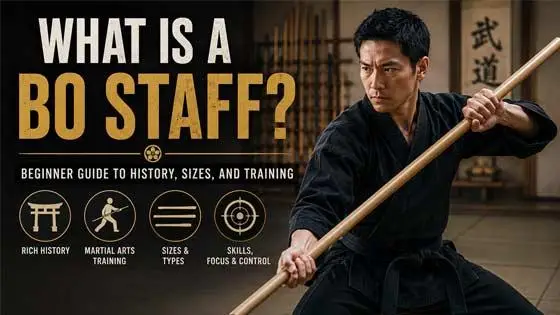
The bo staff is one of the most recognized and widely used martial arts weapons in the world. At first glance, it may seem like a simple wooden stick, but in the hands of a skilled practitioner, it becomes a powerful tool for striking, blocking, sweeping, and spinning. For centuries, martial artists have trained with bo staffs to improve their coordination, precision, and overall technique.
The bo staff weapon has deep roots in Okinawan martial arts, where it evolved out of necessity during a time when weapons were restricted. Farmers and villagers began training with everyday tools for self-defense, and the long staff, originally a pole used to carry buckets or goods, was adapted into what we now call the bo staff. As martial arts systems developed, the bo staff was refined into a formal weapon and eventually became a staple of traditional Okinawan kobudo training.
Today, the bo staff is used across many different martial arts styles. In Okinawan kobudo, students learn structured forms known as kata, which are designed to simulate real combat scenarios. These forms involve strikes, thrusts, spins, and blocks, and they develop a martial artist's timing and distance control. In Japanese bojutsu, the bo is the primary weapon and is used in both defensive and offensive movements. Bojutsu techniques often flow in harmony with empty-hand styles like jujutsu and karate, allowing the martial artist to switch seamlessly between armed and unarmed techniques.
The popularity of the bo staff has also extended into modern martial arts styles and performance-based training. In demonstration and competition settings, practitioners perform complex spinning routines and choreographed sequences that require exceptional speed, balance, and control. The bo staff for martial arts performances is often lighter and more streamlined to accommodate high-speed movement and visual flair.
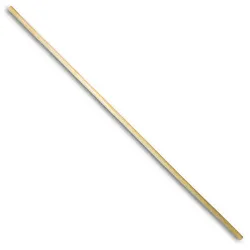
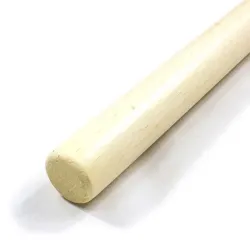
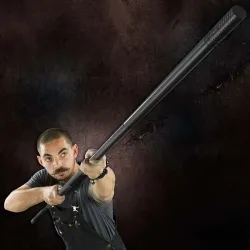
At Kombativ.com, we offer a wide selection of bo staffs tailored to meet the needs of martial artists at any level. The most traditional option is the wooden bo staff. These staffs are typically made from durable hardwoods like red oak or white oak, offering a solid feel and reliable performance during kata and impact training. A wood bo staff is ideal for traditionalists who want a staff with the weight and feedback of a real weapon.
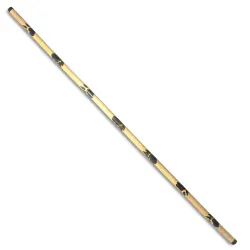
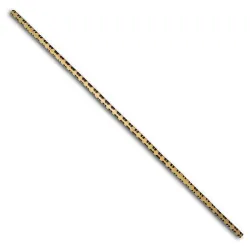
For those who prefer a lighter, more flexible option, the rattan bo staff is a popular alternative. Rattan doesn't splinter like hardwood and can withstand repeated impact, which makes it a great choice for beginners and those training in contact-based styles. A rattan bo staff also offers a good balance of flexibility and strength, making it a versatile tool for both practice and light sparring drills.
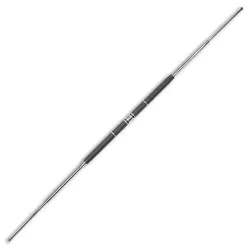
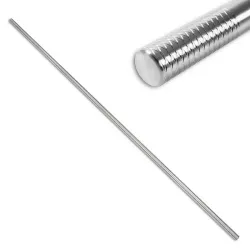
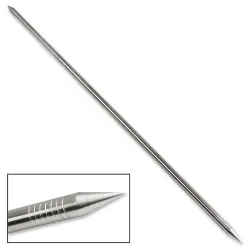
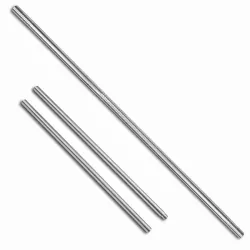
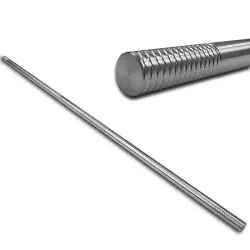
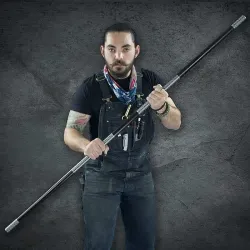
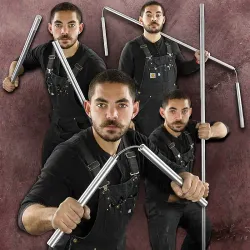
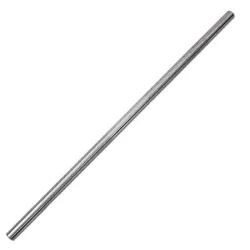
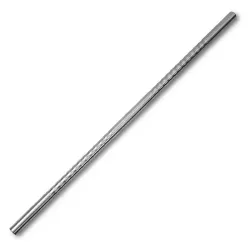
Modern martial artists looking for durability and flair may want to consider a metal bo staff. These are made from materials like aluminum alloy, steel, or titanium. A steel bo staff has a heavier feel and is great for building strength, while a titanium or aluminum staff is more lightweight and allows for faster movements. Metal bo staffs are often used in performance martial arts and offer a clean, polished look. They're also ideal for practitioners who want something long-lasting and nearly indestructible.
We also carry LED bo staffs, which are a favorite among trickers and stage performers. These staffs are designed to light up in a variety of colors, making them visually striking in low-light environments or during martial arts shows. Despite their modern look, LED staffs still maintain balance and structural integrity for martial arts practice.
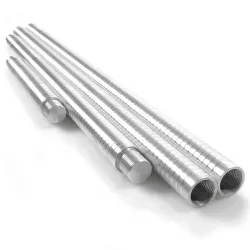
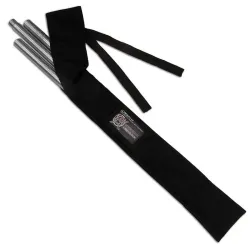
If you're someone who trains at multiple locations or travels frequently, a collapsible bo staff can be incredibly convenient. These staffs fold down into a compact size, making them easy to pack and transport. Despite being lightweight and portable, collapsible bo staffs are still durable and functional for training purposes.
In addition to full-length staffs, we also carry jo staffs. The jo staff is shorter than the traditional bo, typically around 4 feet in length. It is widely used in martial arts styles like Aikido and Shinto Muso Ryu, where practitioners focus on circular techniques, thrusts, and quick transitions. Jo staffs are ideal for training close-range control and developing accuracy in confined spaces. Like the bo, the jo staff is a valuable tool for building coordination, fluid movement, and effective striking patterns.
Many karate schools also incorporate staff training into their curriculum. While the focus of karate is typically on empty-hand techniques, weapons training is often introduced at higher ranks. Karate staffs allow students to understand weapon movement and distance management, complementing their open-hand skills. Whether you're looking to train in kobudo, bojutsu, or simply want to add a traditional weapon to your practice, a martial arts bo staff is a powerful choice.
When shopping for a bo staff for sale, it's important to choose one that fits your training goals. A beginner may benefit from a lightweight rattan bo staff, while an advanced practitioner might prefer the weight and feedback of a hardwood or steel bo staff. For visual performances or demonstrations, a metal bo staff or an LED model may be the best fit. For those cross-training in multiple weapons, adding a jo staff to your collection expands your versatility and skillset.
Check out our wide variety of bo staffs for martial arts and choose the one that fits your discipline and style. From beginners to advanced black belts, every martial artist deserves a high-quality staff that matches their commitment to training. Find your next bo staff today and take your skills to the next level.
The bo staff and jo staff are both traditional martial arts weapons, but they differ mainly in length and how they are used. The bo staff is usually about six feet long, making it ideal for wide, sweeping strikes and maintaining distance from an opponent. Its length allows practitioners to perform powerful offensive and defensive moves, which is why it is commonly seen in martial arts like karate and kobudo that focus on reach and fluid spinning techniques.
In contrast, the jo staff is shorter, generally around four feet, and is designed for quicker, more precise movements. This shorter length makes it easier to handle in close quarters, where fast thrusts, blocks, and controlled strikes are essential. Martial arts styles that incorporate the jo staff often emphasize precise technique and close-range control over sheer power. While both staffs demand skill and practice, the bo staff excels in delivering long-range power and reach, whereas the jo staff provides greater agility and effectiveness in tight spaces.
Choosing the right bo staff length is key to mastering your weapon techniques, and it depends on factors like your height, training level, martial arts style, and personal preference. A well-sized staff improves your handling, accuracy, and overall effectiveness during practice or competition.
Typically, a standard bo staff measures around six feet, which is favored by many martial artists for its versatility. This length allows for broad, flowing movements and is ideal for strikes, blocks, and spinning maneuvers that require reach and leverage. If you have experience with bo staff training, a six-foot staff usually offers the best balance between power and control.
For those new to bo staff, starting with a slightly shorter staff (commonly five feet or less) can be beneficial. Shorter staffs are easier to maneuver, helping beginners develop timing, coordination, and technique without feeling overwhelmed by length or weight. Using a more manageable size reduces the risk of improper form and builds confidence.
Height is a practical way to determine your ideal bo staff size. A general recommendation is to select a staff roughly equal to your own height or slightly taller. For example, practitioners under 5'6" often find a 5-foot staff more comfortable, while taller individuals may prefer a full 6-foot staff or even longer for added reach.
Martial arts styles also influence staff choice, as different disciplines have distinct training focuses and weapon techniques:
It's also important to consider material and weight in conjunction with length. A lightweight rattan or aluminum staff might feel different than a traditional hardwood one of the same length, affecting your control and stamina.
Above all, your instructor's advice should be your guiding factor. Experienced teachers understand how your physique, skill set, and martial arts style align with various staff sizes. They might encourage shorter staffs for speed training or longer ones to develop power and range as you advance.
Before making a purchase, try different sizes if possible, and seek your instructor's recommendation to find a bo staff length that complements your martial arts journey.
Choosing the right material for a training staff comes down to how you plan to use it and what feel you prefer during practice. Traditionalists often gravitate toward hardwood options like oak or hickory because they offer a solid, balanced weight and a firm, grounded feel. These woods are dependable for kata, striking drills, and traditional martial arts styles that emphasize power and structure. The weight also helps build muscle memory, especially when practicing strong blocks and extended-range techniques.
Rattan is another popular choice, especially for people who want something lightweight and more forgiving. Because rattan flexes instead of splintering, it is comfortable to use during high-repetition drills and extended spinning sessions. Many practitioners prefer rattan for fast-paced training because it reduces fatigue and makes learning complex movements more approachable. It is also a great option for kids or beginners who want a staff that is easier to control.
Modern materials like polypropylene and aluminum provide benefits you will not get from natural wood. Polypropylene staffs are nearly indestructible and require no maintenance, making them ideal for outdoor training or rough handling. They have a different feel than wood, but they are excellent for durability and everyday practice. Aluminum staffs are commonly used for demonstration and trick-based performance since they are lightweight and visually striking. The best material depends on your training style, but most martial artists prefer wood or rattan for traditional techniques and polypropylene for durability and long-term use.
The ideal weight of a bo staff depends on your training style and experience level, but most practitioners prefer something that feels balanced and easy to control without causing fatigue. A traditional hardwood bo staff has a naturally heavier feel that helps you develop stronger strikes, blocks, and body mechanics. This added weight is great for martial artists who focus on kata or traditional kobudo training, since the resistance helps build precision and power over time. If you already have good technique, a slightly heavier wooden staff can make your movements sharper and more intentional.
Beginners often benefit from a lighter staff because it allows them to work on coordination, timing, and grip without struggling to keep the weapon under control. Materials like rattan or polypropylene are common choices for lighter practice staffs since they reduce arm fatigue and make extended training sessions more comfortable. A lighter staff is especially helpful for learning spinning techniques, transitions, and fast directional changes because the weight never overwhelms your form.
Most martial artists look for a bo staff that feels solid without being cumbersome. If the staff causes strain in your shoulders or forearms after a few minutes of practice, it is likely too heavy for your current training level. On the other hand, a staff that feels flimsy or drifts off course during strikes might not give you enough stability. The best approach is to choose a staff with a weight that challenges you slightly without interfering with your technique. As your skills improve, you can experiment with heavier or lighter materials to match your training goals.
A bo staff can be used for self defense in the right circumstances, but it is important to understand its practical limits and the situations where it makes sense. Because a standard bo staff is around six feet long, it gives you excellent reach and leverage, which can help you create distance and discourage someone from getting too close. The length also allows for quick blocking motions and simple, direct strikes that do not require advanced technique to be effective. In a controlled environment or a training setting, this kind of reach advantage is one of the biggest benefits of the bo staff.
That said, relying on a bo staff for everyday self defense is not always realistic. Most people do not carry a full-length staff with them, and trying to use one in a confined area like a hallway, doorway, or crowded environment can be difficult. The size that makes it powerful in open space can also make it harder to maneuver indoors. Because of this, the bo staff is more often used as a training tool for building speed, coordination, and weapon awareness rather than as a weapon someone depends on during everyday life.
If your goal is personal protection, it is more practical to use the bo staff as a way to develop timing, distance management, and reflexes that transfer to other self defense tools or empty-hand techniques. The staff teaches strong fundamentals and helps you understand how to generate power with your whole body. While it can be used defensively if you happen to have one available, its real value in self defense comes from the skills it helps you build rather than relying on the weapon itself in day-to-day situations.
Tapered bo staffs and straight staffs each offer their own advantages, and the better choice depends entirely on how you train. A tapered bo staff is thicker in the center and gradually narrows toward the ends, creating a lighter feel at the tips. This design makes spins, transitions, and fast directional changes noticeably easier, which is why tapered staffs are popular in demonstrations and performance-based martial arts. The lighter ends allow practitioners to generate speed with less effort, making the staff feel more agile and responsive during fluid movements.
Straight staffs, on the other hand, maintain the same thickness from end to end, giving them a consistent weight and balance. This uniform structure is preferred in traditional training because it offers more stability for powerful strikes and defensive blocks. A straight staff absorbs impact evenly, which is important for styles that emphasize strong, grounded techniques rather than acrobatic speed. Many instructors recommend straight staffs for beginners because the even weight distribution helps develop proper form and control.
Choosing between the two comes down to your goals. If you want something lightweight for tricking, spinning, and fast-paced performance work, a tapered staff will feel smoother and easier to handle. If you are practicing traditional kata, strength-building drills, or full-power striking, a straight staff provides more structural integrity and better long-term training value. Both styles are effective tools, so the best option is the one that supports the type of martial arts training you enjoy most.
The bo staff and hanbo differ mainly in length and how they are used in martial arts training. A traditional bo staff is around six feet long, giving practitioners significant reach for long-range strikes, large sweeping motions, and extended defensive blocks. This length allows for powerful, full-body techniques commonly seen in karate and Okinawan kobudo. Because the bo provides so much distance, it excels at controlling space and keeping an opponent at range.
A hanbo, on the other hand, is much shorter, typically around three feet in length. This shorter size makes it more practical for close-quarter techniques where leverage, joint manipulation, and quick directional changes matter more than reach. The hanbo is often used in arts like jujutsu and some modern self defense systems that emphasize redirecting force, controlling limbs, and working effectively in tight spaces. Its length also makes it easier to carry and maneuver indoors or in constrained environments.
Both weapons teach valuable skills, but the training goals are different. The bo staff is ideal for developing strong stances, wide movements, and long-range power. The hanbo focuses more on precision, speed, and close-range control. Practitioners who enjoy traditional kata or flowing, extended techniques usually prefer the bo, while those who want more practical, compact weapon work often gravitate toward the hanbo. Each staff has its own strengths, and many martial artists eventually train with both to broaden their skill set.
The best staff size for kids or beginners depends on their height, strength, and comfort level, but a general rule is to start with a staff that reaches somewhere between the user's chin and the top of their head. A full six-foot bo staff can be difficult for a new practitioner to control, especially if they are still developing coordination or upper-body strength. Starting with a shorter staff makes it easier to learn basic strikes, blocks, and transitions without feeling overwhelmed by length or weight.
For younger students, a four-foot or five-foot staff is usually a better fit. These lengths give kids enough reach to practice proper technique while still allowing them to move the weapon safely and confidently. Shorter staffs also reduce the risk of accidentally hitting the ground or catching the ends on the floor during swings and spins, which helps build good habits early on. Many martial arts schools begin kids with a lightweight rattan or polypropylene staff because these materials are easier to manage during longer training sessions.
Adult beginners often benefit from a staff that is close to their own height but not excessively heavy. A five-foot or standard six-foot staff can both work, depending on the person's comfort level. If someone finds a longer or heavier staff difficult to maneuver, starting with a shorter option is perfectly fine. As technique improves, moving to a longer or heavier staff can help develop better reach, stability, and strength. The most important factor is choosing a size that allows the user to train safely, learn proper mechanics, and build confidence from the very beginning.
The bo staff weapon has deep roots in Okinawan martial arts, where it evolved out of necessity during a time when weapons were restricted. Farmers and villagers began training with everyday tools for self-defense, and the long staff, originally a pole used to carry buckets or goods, was adapted into what we now call the bo staff. As martial arts systems developed, the bo staff was refined into a formal weapon and eventually became a staple of traditional Okinawan kobudo training.
Bo Staff Training Across Martial Arts Styles
Today, the bo staff is used across many different martial arts styles. In Okinawan kobudo, students learn structured forms known as kata, which are designed to simulate real combat scenarios. These forms involve strikes, thrusts, spins, and blocks, and they develop a martial artist's timing and distance control. In Japanese bojutsu, the bo is the primary weapon and is used in both defensive and offensive movements. Bojutsu techniques often flow in harmony with empty-hand styles like jujutsu and karate, allowing the martial artist to switch seamlessly between armed and unarmed techniques.
The popularity of the bo staff has also extended into modern martial arts styles and performance-based training. In demonstration and competition settings, practitioners perform complex spinning routines and choreographed sequences that require exceptional speed, balance, and control. The bo staff for martial arts performances is often lighter and more streamlined to accommodate high-speed movement and visual flair.
Traditional Wooden and Rattan Bo Staffs
At Kombativ.com, we offer a wide selection of bo staffs tailored to meet the needs of martial artists at any level. The most traditional option is the wooden bo staff. These staffs are typically made from durable hardwoods like red oak or white oak, offering a solid feel and reliable performance during kata and impact training. A wood bo staff is ideal for traditionalists who want a staff with the weight and feedback of a real weapon.
For those who prefer a lighter, more flexible option, the rattan bo staff is a popular alternative. Rattan doesn't splinter like hardwood and can withstand repeated impact, which makes it a great choice for beginners and those training in contact-based styles. A rattan bo staff also offers a good balance of flexibility and strength, making it a versatile tool for both practice and light sparring drills.
Modern Bo Staff Options and Materials
Modern martial artists looking for durability and flair may want to consider a metal bo staff. These are made from materials like aluminum alloy, steel, or titanium. A steel bo staff has a heavier feel and is great for building strength, while a titanium or aluminum staff is more lightweight and allows for faster movements. Metal bo staffs are often used in performance martial arts and offer a clean, polished look. They're also ideal for practitioners who want something long-lasting and nearly indestructible.
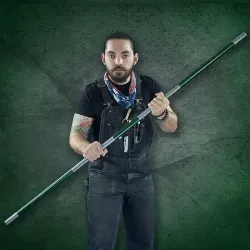
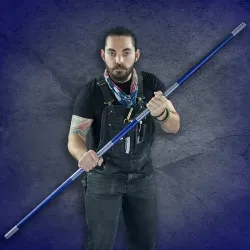
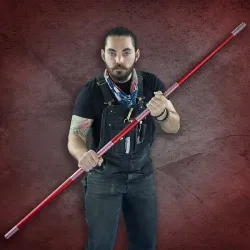
We also carry LED bo staffs, which are a favorite among trickers and stage performers. These staffs are designed to light up in a variety of colors, making them visually striking in low-light environments or during martial arts shows. Despite their modern look, LED staffs still maintain balance and structural integrity for martial arts practice.
If you're someone who trains at multiple locations or travels frequently, a collapsible bo staff can be incredibly convenient. These staffs fold down into a compact size, making them easy to pack and transport. Despite being lightweight and portable, collapsible bo staffs are still durable and functional for training purposes.
Jo Staffs and Short Staff Training
In addition to full-length staffs, we also carry jo staffs. The jo staff is shorter than the traditional bo, typically around 4 feet in length. It is widely used in martial arts styles like Aikido and Shinto Muso Ryu, where practitioners focus on circular techniques, thrusts, and quick transitions. Jo staffs are ideal for training close-range control and developing accuracy in confined spaces. Like the bo, the jo staff is a valuable tool for building coordination, fluid movement, and effective striking patterns.
Choosing the Right Bo Staff for Your Training
Many karate schools also incorporate staff training into their curriculum. While the focus of karate is typically on empty-hand techniques, weapons training is often introduced at higher ranks. Karate staffs allow students to understand weapon movement and distance management, complementing their open-hand skills. Whether you're looking to train in kobudo, bojutsu, or simply want to add a traditional weapon to your practice, a martial arts bo staff is a powerful choice.
When shopping for a bo staff for sale, it's important to choose one that fits your training goals. A beginner may benefit from a lightweight rattan bo staff, while an advanced practitioner might prefer the weight and feedback of a hardwood or steel bo staff. For visual performances or demonstrations, a metal bo staff or an LED model may be the best fit. For those cross-training in multiple weapons, adding a jo staff to your collection expands your versatility and skillset.
Check out our wide variety of bo staffs for martial arts and choose the one that fits your discipline and style. From beginners to advanced black belts, every martial artist deserves a high-quality staff that matches their commitment to training. Find your next bo staff today and take your skills to the next level.
Bo Staff vs. Jo Staff: What's the Difference?
The bo staff and jo staff are both traditional martial arts weapons, but they differ mainly in length and how they are used. The bo staff is usually about six feet long, making it ideal for wide, sweeping strikes and maintaining distance from an opponent. Its length allows practitioners to perform powerful offensive and defensive moves, which is why it is commonly seen in martial arts like karate and kobudo that focus on reach and fluid spinning techniques.
In contrast, the jo staff is shorter, generally around four feet, and is designed for quicker, more precise movements. This shorter length makes it easier to handle in close quarters, where fast thrusts, blocks, and controlled strikes are essential. Martial arts styles that incorporate the jo staff often emphasize precise technique and close-range control over sheer power. While both staffs demand skill and practice, the bo staff excels in delivering long-range power and reach, whereas the jo staff provides greater agility and effectiveness in tight spaces.
What Bo Staff Length Should I Choose?
Choosing the right bo staff length is key to mastering your weapon techniques, and it depends on factors like your height, training level, martial arts style, and personal preference. A well-sized staff improves your handling, accuracy, and overall effectiveness during practice or competition.
Typically, a standard bo staff measures around six feet, which is favored by many martial artists for its versatility. This length allows for broad, flowing movements and is ideal for strikes, blocks, and spinning maneuvers that require reach and leverage. If you have experience with bo staff training, a six-foot staff usually offers the best balance between power and control.
For those new to bo staff, starting with a slightly shorter staff (commonly five feet or less) can be beneficial. Shorter staffs are easier to maneuver, helping beginners develop timing, coordination, and technique without feeling overwhelmed by length or weight. Using a more manageable size reduces the risk of improper form and builds confidence.
Height is a practical way to determine your ideal bo staff size. A general recommendation is to select a staff roughly equal to your own height or slightly taller. For example, practitioners under 5'6" often find a 5-foot staff more comfortable, while taller individuals may prefer a full 6-foot staff or even longer for added reach.
Martial arts styles also influence staff choice, as different disciplines have distinct training focuses and weapon techniques:
- Okinawan Kobudo: The traditional homeland of the bo staff, Kobudo typically uses the classic six-foot wooden staff. This length supports a wide range of kata and defensive techniques emphasizing both offense and flexibility.
- Karate (Kobudo-Integrated Styles): Many karate systems adopt the six-foot bo staff, but some styles incorporate shorter staffs to favor speed and close-quarters maneuvering.
- Aikido and Jujutsu (Jo Staff Use): These arts frequently use the jo staff, a shorter weapon measuring about four feet. The jo is designed for quick thrusts, joint manipulation, and fluid motion in confined spaces, differing greatly in feel and application from the longer bo.
- Modern Combat and Performance Arts: Some contemporary practitioners use extended bo staffs, sometimes exceeding six feet, to maximize reach in sparring or theatrical demonstrations. Others prefer collapsible or modular staffs that can be adjusted based on training needs or travel convenience.
It's also important to consider material and weight in conjunction with length. A lightweight rattan or aluminum staff might feel different than a traditional hardwood one of the same length, affecting your control and stamina.
Above all, your instructor's advice should be your guiding factor. Experienced teachers understand how your physique, skill set, and martial arts style align with various staff sizes. They might encourage shorter staffs for speed training or longer ones to develop power and range as you advance.
Before making a purchase, try different sizes if possible, and seek your instructor's recommendation to find a bo staff length that complements your martial arts journey.
What Material Is Best for a Training Staff?
Choosing the right material for a training staff comes down to how you plan to use it and what feel you prefer during practice. Traditionalists often gravitate toward hardwood options like oak or hickory because they offer a solid, balanced weight and a firm, grounded feel. These woods are dependable for kata, striking drills, and traditional martial arts styles that emphasize power and structure. The weight also helps build muscle memory, especially when practicing strong blocks and extended-range techniques.
Rattan is another popular choice, especially for people who want something lightweight and more forgiving. Because rattan flexes instead of splintering, it is comfortable to use during high-repetition drills and extended spinning sessions. Many practitioners prefer rattan for fast-paced training because it reduces fatigue and makes learning complex movements more approachable. It is also a great option for kids or beginners who want a staff that is easier to control.
Modern materials like polypropylene and aluminum provide benefits you will not get from natural wood. Polypropylene staffs are nearly indestructible and require no maintenance, making them ideal for outdoor training or rough handling. They have a different feel than wood, but they are excellent for durability and everyday practice. Aluminum staffs are commonly used for demonstration and trick-based performance since they are lightweight and visually striking. The best material depends on your training style, but most martial artists prefer wood or rattan for traditional techniques and polypropylene for durability and long-term use.
How Heavy Should a Bo Staff Be for Practice?
The ideal weight of a bo staff depends on your training style and experience level, but most practitioners prefer something that feels balanced and easy to control without causing fatigue. A traditional hardwood bo staff has a naturally heavier feel that helps you develop stronger strikes, blocks, and body mechanics. This added weight is great for martial artists who focus on kata or traditional kobudo training, since the resistance helps build precision and power over time. If you already have good technique, a slightly heavier wooden staff can make your movements sharper and more intentional.
Beginners often benefit from a lighter staff because it allows them to work on coordination, timing, and grip without struggling to keep the weapon under control. Materials like rattan or polypropylene are common choices for lighter practice staffs since they reduce arm fatigue and make extended training sessions more comfortable. A lighter staff is especially helpful for learning spinning techniques, transitions, and fast directional changes because the weight never overwhelms your form.
Most martial artists look for a bo staff that feels solid without being cumbersome. If the staff causes strain in your shoulders or forearms after a few minutes of practice, it is likely too heavy for your current training level. On the other hand, a staff that feels flimsy or drifts off course during strikes might not give you enough stability. The best approach is to choose a staff with a weight that challenges you slightly without interfering with your technique. As your skills improve, you can experiment with heavier or lighter materials to match your training goals.
Can I Use a Bo Staff for Self Defense?
A bo staff can be used for self defense in the right circumstances, but it is important to understand its practical limits and the situations where it makes sense. Because a standard bo staff is around six feet long, it gives you excellent reach and leverage, which can help you create distance and discourage someone from getting too close. The length also allows for quick blocking motions and simple, direct strikes that do not require advanced technique to be effective. In a controlled environment or a training setting, this kind of reach advantage is one of the biggest benefits of the bo staff.
That said, relying on a bo staff for everyday self defense is not always realistic. Most people do not carry a full-length staff with them, and trying to use one in a confined area like a hallway, doorway, or crowded environment can be difficult. The size that makes it powerful in open space can also make it harder to maneuver indoors. Because of this, the bo staff is more often used as a training tool for building speed, coordination, and weapon awareness rather than as a weapon someone depends on during everyday life.
If your goal is personal protection, it is more practical to use the bo staff as a way to develop timing, distance management, and reflexes that transfer to other self defense tools or empty-hand techniques. The staff teaches strong fundamentals and helps you understand how to generate power with your whole body. While it can be used defensively if you happen to have one available, its real value in self defense comes from the skills it helps you build rather than relying on the weapon itself in day-to-day situations.
Are Tapered Bo Staffs Better Than Straight Staffs?
Tapered bo staffs and straight staffs each offer their own advantages, and the better choice depends entirely on how you train. A tapered bo staff is thicker in the center and gradually narrows toward the ends, creating a lighter feel at the tips. This design makes spins, transitions, and fast directional changes noticeably easier, which is why tapered staffs are popular in demonstrations and performance-based martial arts. The lighter ends allow practitioners to generate speed with less effort, making the staff feel more agile and responsive during fluid movements.
Straight staffs, on the other hand, maintain the same thickness from end to end, giving them a consistent weight and balance. This uniform structure is preferred in traditional training because it offers more stability for powerful strikes and defensive blocks. A straight staff absorbs impact evenly, which is important for styles that emphasize strong, grounded techniques rather than acrobatic speed. Many instructors recommend straight staffs for beginners because the even weight distribution helps develop proper form and control.
Choosing between the two comes down to your goals. If you want something lightweight for tricking, spinning, and fast-paced performance work, a tapered staff will feel smoother and easier to handle. If you are practicing traditional kata, strength-building drills, or full-power striking, a straight staff provides more structural integrity and better long-term training value. Both styles are effective tools, so the best option is the one that supports the type of martial arts training you enjoy most.
What's the Difference Between a Bo Staff and a Hanbo?
The bo staff and hanbo differ mainly in length and how they are used in martial arts training. A traditional bo staff is around six feet long, giving practitioners significant reach for long-range strikes, large sweeping motions, and extended defensive blocks. This length allows for powerful, full-body techniques commonly seen in karate and Okinawan kobudo. Because the bo provides so much distance, it excels at controlling space and keeping an opponent at range.
A hanbo, on the other hand, is much shorter, typically around three feet in length. This shorter size makes it more practical for close-quarter techniques where leverage, joint manipulation, and quick directional changes matter more than reach. The hanbo is often used in arts like jujutsu and some modern self defense systems that emphasize redirecting force, controlling limbs, and working effectively in tight spaces. Its length also makes it easier to carry and maneuver indoors or in constrained environments.
Both weapons teach valuable skills, but the training goals are different. The bo staff is ideal for developing strong stances, wide movements, and long-range power. The hanbo focuses more on precision, speed, and close-range control. Practitioners who enjoy traditional kata or flowing, extended techniques usually prefer the bo, while those who want more practical, compact weapon work often gravitate toward the hanbo. Each staff has its own strengths, and many martial artists eventually train with both to broaden their skill set.
What Size Staff Is Best for Kids or Beginners?
The best staff size for kids or beginners depends on their height, strength, and comfort level, but a general rule is to start with a staff that reaches somewhere between the user's chin and the top of their head. A full six-foot bo staff can be difficult for a new practitioner to control, especially if they are still developing coordination or upper-body strength. Starting with a shorter staff makes it easier to learn basic strikes, blocks, and transitions without feeling overwhelmed by length or weight.
For younger students, a four-foot or five-foot staff is usually a better fit. These lengths give kids enough reach to practice proper technique while still allowing them to move the weapon safely and confidently. Shorter staffs also reduce the risk of accidentally hitting the ground or catching the ends on the floor during swings and spins, which helps build good habits early on. Many martial arts schools begin kids with a lightweight rattan or polypropylene staff because these materials are easier to manage during longer training sessions.
Adult beginners often benefit from a staff that is close to their own height but not excessively heavy. A five-foot or standard six-foot staff can both work, depending on the person's comfort level. If someone finds a longer or heavier staff difficult to maneuver, starting with a shorter option is perfectly fine. As technique improves, moving to a longer or heavier staff can help develop better reach, stability, and strength. The most important factor is choosing a size that allows the user to train safely, learn proper mechanics, and build confidence from the very beginning.
RECENTLY VIEWED