



Self-Defense Weapons & Personal Protection Weapons for Safety
Products
-
 🔍︎ QUICK VIEW
-
 🔍︎ QUICK VIEW
$24.95
🔍︎ QUICK VIEW
$24.95 -
 🔍︎ QUICK VIEW
$28.95
🔍︎ QUICK VIEW
$28.95 -
 🔍︎ QUICK VIEW
$23.95
🔍︎ QUICK VIEW
$23.95 -
 🔍︎ QUICK VIEW
$24.95
🔍︎ QUICK VIEW
$24.95 -
 🔍︎ QUICK VIEW
-
 🔍︎ QUICK VIEW
$12.95
🔍︎ QUICK VIEW
$12.95 -
 🔍︎ QUICK VIEW
$19.95
🔍︎ QUICK VIEW
$19.95 -
 🔍︎ QUICK VIEW
-
 🔍︎ QUICK VIEW
-
 🔍︎ QUICK VIEW
$24.95
🔍︎ QUICK VIEW
$24.95 -
 🔍︎ QUICK VIEW
-
 🔍︎ QUICK VIEW
$13.95
🔍︎ QUICK VIEW
$13.95 -
 🔍︎ QUICK VIEW
$49.95
🔍︎ QUICK VIEW
$49.95 -
 🔍︎ QUICK VIEW
$29.95
🔍︎ QUICK VIEW
$29.95 -
 🔍︎ QUICK VIEW
$11.95
🔍︎ QUICK VIEW
$11.95 -
 🔍︎ QUICK VIEW
$17.95
🔍︎ QUICK VIEW
$17.95 -
 🔍︎ QUICK VIEW
-
 🔍︎ QUICK VIEW
$24.95
🔍︎ QUICK VIEW
$24.95 -
 🔍︎ QUICK VIEW
$34.95
🔍︎ QUICK VIEW
$34.95 -
 🔍︎ QUICK VIEW
$18.95
🔍︎ QUICK VIEW
$18.95 -
 🔍︎ QUICK VIEW
-
 🔍︎ QUICK VIEW
$32.95
🔍︎ QUICK VIEW
$32.95 -
 🔍︎ QUICK VIEW
$59.95
🔍︎ QUICK VIEW
$59.95 -
 🔍︎ QUICK VIEW
$16.95
🔍︎ QUICK VIEW
$16.95 -
 🔍︎ QUICK VIEW
$13.95
🔍︎ QUICK VIEW
$13.95 -
 🔍︎ QUICK VIEW
$32.95
🔍︎ QUICK VIEW
$32.95 -
 🔍︎ QUICK VIEW
-
 🔍︎ QUICK VIEW
$20.95
🔍︎ QUICK VIEW
$20.95 -
 🔍︎ QUICK VIEW
From $299.95
🔍︎ QUICK VIEW
From $299.95 -
 🔍︎ QUICK VIEW
-
 🔍︎ QUICK VIEW
-
 🔍︎ QUICK VIEW
$18.95
🔍︎ QUICK VIEW
$18.95 -
 🔍︎ QUICK VIEW
-
 🔍︎ QUICK VIEW
-
 🔍︎ QUICK VIEW
$34.95
🔍︎ QUICK VIEW
$34.95 -
 🔍︎ QUICK VIEW
$13.95
🔍︎ QUICK VIEW
$13.95 -
 🔍︎ QUICK VIEW
$11.95
🔍︎ QUICK VIEW
$11.95 -
 🔍︎ QUICK VIEW
$43.95
🔍︎ QUICK VIEW
$43.95 -
 🔍︎ QUICK VIEW
$43.95
🔍︎ QUICK VIEW
$43.95 -
 🔍︎ QUICK VIEW
$9.95
🔍︎ QUICK VIEW
$9.95 -
 🔍︎ QUICK VIEW
$24.95
🔍︎ QUICK VIEW
$24.95 -
 🔍︎ QUICK VIEW
$11.95
🔍︎ QUICK VIEW
$11.95 -
 🔍︎ QUICK VIEW
-
 🔍︎ QUICK VIEW
-
 🔍︎ QUICK VIEW
$18.95
🔍︎ QUICK VIEW
$18.95 -
 🔍︎ QUICK VIEW
$16.95
🔍︎ QUICK VIEW
$16.95 -
 🔍︎ QUICK VIEW
$12.95
🔍︎ QUICK VIEW
$12.95 -
 🔍︎ QUICK VIEW
-
 🔍︎ QUICK VIEW
-
 🔍︎ QUICK VIEW
$24.95
🔍︎ QUICK VIEW
$24.95 -
 🔍︎ QUICK VIEW
$154.95
🔍︎ QUICK VIEW
$154.95 -
 🔍︎ QUICK VIEW
$74.95
🔍︎ QUICK VIEW
$74.95 -
 🔍︎ QUICK VIEW
$44.95
🔍︎ QUICK VIEW
$44.95 -
 🔍︎ QUICK VIEW
$69.95
🔍︎ QUICK VIEW
$69.95 -
 🔍︎ QUICK VIEW
$52.95
🔍︎ QUICK VIEW
$52.95 -
 🔍︎ QUICK VIEW
$52.95
🔍︎ QUICK VIEW
$52.95 -
 🔍︎ QUICK VIEW
$44.95
🔍︎ QUICK VIEW
$44.95 -
 🔍︎ QUICK VIEW
$22.95
🔍︎ QUICK VIEW
$22.95 -
 🔍︎ QUICK VIEW
$39.95
🔍︎ QUICK VIEW
$39.95 -
 🔍︎ QUICK VIEW
$18.95
🔍︎ QUICK VIEW
$18.95 -
 🔍︎ QUICK VIEW
-
 🔍︎ QUICK VIEW
$64.95
🔍︎ QUICK VIEW
$64.95 -
 🔍︎ QUICK VIEW
-
 🔍︎ QUICK VIEW
$20.95
🔍︎ QUICK VIEW
$20.95 -
 🔍︎ QUICK VIEW
$17.95
🔍︎ QUICK VIEW
$17.95 -
 🔍︎ QUICK VIEW
$16.95
🔍︎ QUICK VIEW
$16.95 -
 🔍︎ QUICK VIEW
-
 🔍︎ QUICK VIEW
$22.95
🔍︎ QUICK VIEW
$22.95 -
 🔍︎ QUICK VIEW
$14.95
🔍︎ QUICK VIEW
$14.95 -
 🔍︎ QUICK VIEW
-
 🔍︎ QUICK VIEW
$22.95
🔍︎ QUICK VIEW
$22.95 -
 🔍︎ QUICK VIEW
$12.95
🔍︎ QUICK VIEW
$12.95 -
 🔍︎ QUICK VIEW
$29.95
🔍︎ QUICK VIEW
$29.95 -
 🔍︎ QUICK VIEW
$29.95
🔍︎ QUICK VIEW
$29.95 -
 🔍︎ QUICK VIEW
$29.95
🔍︎ QUICK VIEW
$29.95 -
 🔍︎ QUICK VIEW
$27.95
🔍︎ QUICK VIEW
$27.95 -
 🔍︎ QUICK VIEW
$23.95
🔍︎ QUICK VIEW
$23.95 -
 🔍︎ QUICK VIEW
$16.95
🔍︎ QUICK VIEW
$16.95 -
 🔍︎ QUICK VIEW
$16.95
🔍︎ QUICK VIEW
$16.95 -
 🔍︎ QUICK VIEW
$16.95
🔍︎ QUICK VIEW
$16.95 -
 🔍︎ QUICK VIEW
$19.95
🔍︎ QUICK VIEW
$19.95 -
 🔍︎ QUICK VIEW
-
 🔍︎ QUICK VIEW
-
 🔍︎ QUICK VIEW
-
 🔍︎ QUICK VIEW
$12.95
🔍︎ QUICK VIEW
$12.95 -
 🔍︎ QUICK VIEW
-
 🔍︎ QUICK VIEW
-
 🔍︎ QUICK VIEW
-
 🔍︎ QUICK VIEW
$109.95
🔍︎ QUICK VIEW
$109.95 -
 🔍︎ QUICK VIEW
$32.95
🔍︎ QUICK VIEW
$32.95 -
 🔍︎ QUICK VIEW
$144.95
🔍︎ QUICK VIEW
$144.95 -
 🔍︎ QUICK VIEW
$20.95
🔍︎ QUICK VIEW
$20.95 -
 🔍︎ QUICK VIEW
$74.95
🔍︎ QUICK VIEW
$74.95 -
 🔍︎ QUICK VIEW
$79.95
🔍︎ QUICK VIEW
$79.95 -
 🔍︎ QUICK VIEW
-
 🔍︎ QUICK VIEW
$46.95
🔍︎ QUICK VIEW
$46.95 -
 🔍︎ QUICK VIEW
$32.95
🔍︎ QUICK VIEW
$32.95 -
 🔍︎ QUICK VIEW
$34.95
🔍︎ QUICK VIEW
$34.95 -
 🔍︎ QUICK VIEW
$33.95
🔍︎ QUICK VIEW
$33.95 -
 🔍︎ QUICK VIEW
-
 🔍︎ QUICK VIEW
$119.95
🔍︎ QUICK VIEW
$119.95 -
 🔍︎ QUICK VIEW
$32.95
🔍︎ QUICK VIEW
$32.95 -
 🔍︎ QUICK VIEW
$169.95
🔍︎ QUICK VIEW
$169.95 -
 🔍︎ QUICK VIEW
$29.95
🔍︎ QUICK VIEW
$29.95 -
 🔍︎ QUICK VIEW
$12.95
🔍︎ QUICK VIEW
$12.95 -
 🔍︎ QUICK VIEW
$32.95
🔍︎ QUICK VIEW
$32.95 -
 🔍︎ QUICK VIEW
$42.95
🔍︎ QUICK VIEW
$42.95 -
 🔍︎ QUICK VIEW
-
 🔍︎ QUICK VIEW
$34.95
🔍︎ QUICK VIEW
$34.95 -
 🔍︎ QUICK VIEW
$39.95
🔍︎ QUICK VIEW
$39.95 -
 🔍︎ QUICK VIEW
$149.95
🔍︎ QUICK VIEW
$149.95 -
 🔍︎ QUICK VIEW
-
 🔍︎ QUICK VIEW
$29.95
🔍︎ QUICK VIEW
$29.95 -
 🔍︎ QUICK VIEW
$34.95
🔍︎ QUICK VIEW
$34.95 -
 🔍︎ QUICK VIEW
$54.95
🔍︎ QUICK VIEW
$54.95 -
 🔍︎ QUICK VIEW
-
 🔍︎ QUICK VIEW
$54.95
🔍︎ QUICK VIEW
$54.95 -
 🔍︎ QUICK VIEW
$94.95
🔍︎ QUICK VIEW
$94.95 -
 🔍︎ QUICK VIEW
$149.95
🔍︎ QUICK VIEW
$149.95 -
 🔍︎ QUICK VIEW
-
 🔍︎ QUICK VIEW
$39.95
🔍︎ QUICK VIEW
$39.95 -
 🔍︎ QUICK VIEW
-
 🔍︎ QUICK VIEW
$15.95
🔍︎ QUICK VIEW
$15.95 -
 🔍︎ QUICK VIEW
$159.95
🔍︎ QUICK VIEW
$159.95 -
 🔍︎ QUICK VIEW
$69.95
🔍︎ QUICK VIEW
$69.95 -
 🔍︎ QUICK VIEW
$32.95
🔍︎ QUICK VIEW
$32.95 -
 🔍︎ QUICK VIEW
$26.95
🔍︎ QUICK VIEW
$26.95 -
 🔍︎ QUICK VIEW
$22.95
🔍︎ QUICK VIEW
$22.95 -
 🔍︎ QUICK VIEW
$34.95
🔍︎ QUICK VIEW
$34.95 -
 🔍︎ QUICK VIEW
$32.95
🔍︎ QUICK VIEW
$32.95 -
 🔍︎ QUICK VIEW
-
 🔍︎ QUICK VIEW
$44.95
🔍︎ QUICK VIEW
$44.95 -
 🔍︎ QUICK VIEW
-
 🔍︎ QUICK VIEW
$22.95
🔍︎ QUICK VIEW
$22.95 -
 🔍︎ QUICK VIEW
$11.95
🔍︎ QUICK VIEW
$11.95 -
 🔍︎ QUICK VIEW
-
 🔍︎ QUICK VIEW
$34.95
🔍︎ QUICK VIEW
$34.95 -
 🔍︎ QUICK VIEW
$24.95
🔍︎ QUICK VIEW
$24.95 -
 🔍︎ QUICK VIEW
$13.95
🔍︎ QUICK VIEW
$13.95 -
 🔍︎ QUICK VIEW
$13.95
🔍︎ QUICK VIEW
$13.95 -
 🔍︎ QUICK VIEW
-
 🔍︎ QUICK VIEW
-
 🔍︎ QUICK VIEW
$32.95
🔍︎ QUICK VIEW
$32.95 -
 🔍︎ QUICK VIEW
$54.95
🔍︎ QUICK VIEW
$54.95 -
 🔍︎ QUICK VIEW
$69.95
🔍︎ QUICK VIEW
$69.95 -
 🔍︎ QUICK VIEW
$16.95
🔍︎ QUICK VIEW
$16.95 -
 🔍︎ QUICK VIEW
$16.95
🔍︎ QUICK VIEW
$16.95 -
 🔍︎ QUICK VIEW
-
 🔍︎ QUICK VIEW
$21.95
🔍︎ QUICK VIEW
$21.95 -
 🔍︎ QUICK VIEW
$14.95
🔍︎ QUICK VIEW
$14.95 -
 🔍︎ QUICK VIEW
$13.95
🔍︎ QUICK VIEW
$13.95 -
 🔍︎ QUICK VIEW
$23.95
🔍︎ QUICK VIEW
$23.95 -
 🔍︎ QUICK VIEW
$32.95
🔍︎ QUICK VIEW
$32.95 -
 🔍︎ QUICK VIEW
$18.95
🔍︎ QUICK VIEW
$18.95 -
 🔍︎ QUICK VIEW
$16.95
🔍︎ QUICK VIEW
$16.95 -
 🔍︎ QUICK VIEW
$52.95
🔍︎ QUICK VIEW
$52.95 -
 🔍︎ QUICK VIEW
$22.95
🔍︎ QUICK VIEW
$22.95 -
 🔍︎ QUICK VIEW
-
 🔍︎ QUICK VIEW
$24.95
🔍︎ QUICK VIEW
$24.95 -
 🔍︎ QUICK VIEW
$18.95
🔍︎ QUICK VIEW
$18.95 -
 🔍︎ QUICK VIEW
-
 🔍︎ QUICK VIEW
-
 🔍︎ QUICK VIEW
$14.95
🔍︎ QUICK VIEW
$14.95 -
 🔍︎ QUICK VIEW
$14.95
🔍︎ QUICK VIEW
$14.95 -
 🔍︎ QUICK VIEW
-
 🔍︎ QUICK VIEW
$21.95
🔍︎ QUICK VIEW
$21.95 -
 🔍︎ QUICK VIEW
$22.95
🔍︎ QUICK VIEW
$22.95 -
 🔍︎ QUICK VIEW
$34.95
🔍︎ QUICK VIEW
$34.95 -
 🔍︎ QUICK VIEW
$32.95
🔍︎ QUICK VIEW
$32.95 -
 🔍︎ QUICK VIEW
-
 🔍︎ QUICK VIEW
-
 🔍︎ QUICK VIEW
$44.95
🔍︎ QUICK VIEW
$44.95 -
 🔍︎ QUICK VIEW
-
 🔍︎ QUICK VIEW
-
 🔍︎ QUICK VIEW
$34.95
🔍︎ QUICK VIEW
$34.95 -
 🔍︎ QUICK VIEW
$23.95
🔍︎ QUICK VIEW
$23.95 -
 🔍︎ QUICK VIEW
$34.95
🔍︎ QUICK VIEW
$34.95 -
 🔍︎ QUICK VIEW
$22.95
🔍︎ QUICK VIEW
$22.95 -
 🔍︎ QUICK VIEW
$11.95
🔍︎ QUICK VIEW
$11.95 -
 🔍︎ QUICK VIEW
$17.95
🔍︎ QUICK VIEW
$17.95 -
 🔍︎ QUICK VIEW
-
 🔍︎ QUICK VIEW
$43.95
🔍︎ QUICK VIEW
$43.95 -
 🔍︎ QUICK VIEW
$9.95
🔍︎ QUICK VIEW
$9.95 -
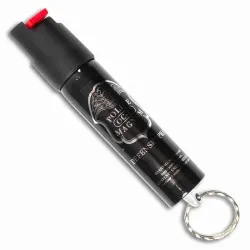 🔍︎ QUICK VIEW
$14.95
🔍︎ QUICK VIEW
$14.95
 (1)
(1) (1)
(1) (3)
(3)Self-Defense Weapons & Personal Protection Weapons for Safety
Self-defense weapons are more than just tools; they are vital instruments of personal security that give you the ability to protect yourself and your loved ones when faced with potential danger. At Kombativ.com, we are proud to offer a wide selection of high-quality self-defense weapons, each carefully selected to ensure maximum reliability and effectiveness. Whether you need a compact, discreet option for daily carry or a more powerful defense tool for added protection, we have something suited to every need. Our commitment is to help you stay safe, confident, and empowered, no matter where you are or what life throws your way.
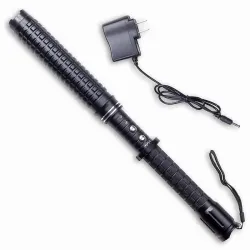
The world can feel unpredictable at times, and having the right safety weapon at your disposal is crucial to navigating that uncertainty. Self defense weapons come in many forms, each designed to offer unique advantages based on personal preference, environment, and level of threat. Some are small and easy to carry in your pocket or purse, while others are designed for those who need a more substantial tool to ward off an attacker. At Kombativ.com, we understand that no two people are the same, which is why our selection of personal protection weapons includes a range of options from collapsible batons to stun guns, pepper spray, and knuckle dusters.
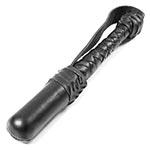
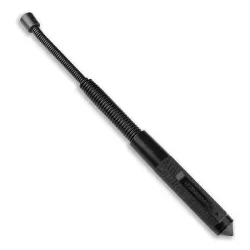
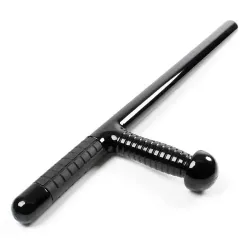
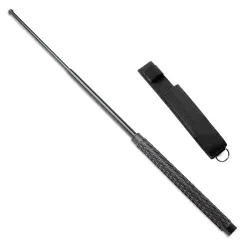
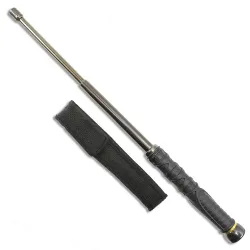
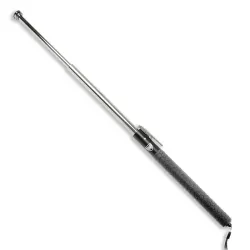
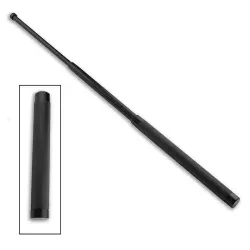
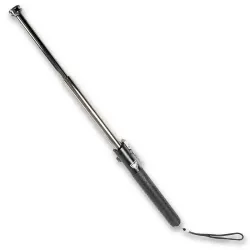
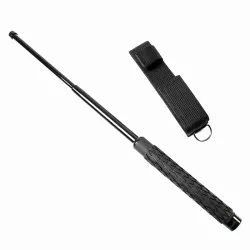
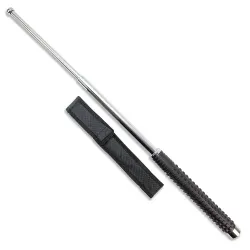
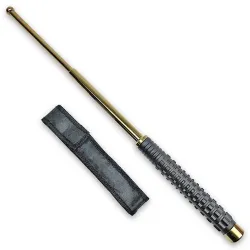
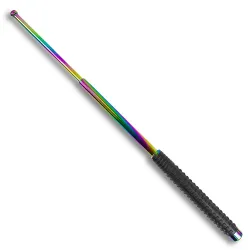
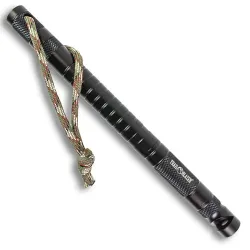
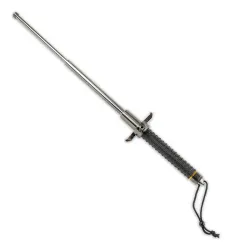
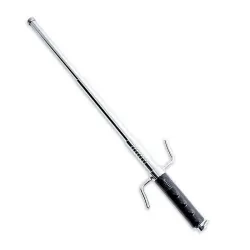
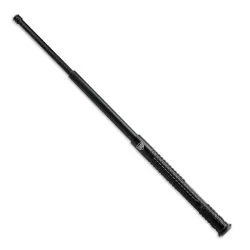
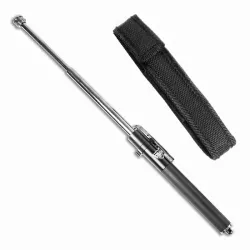
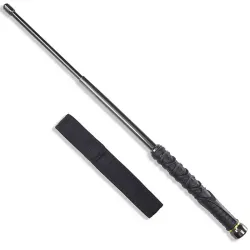
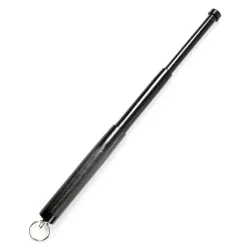
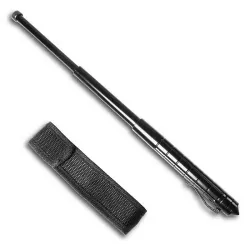
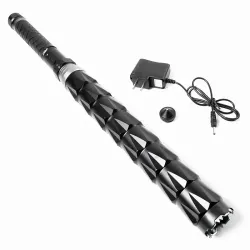
The collapsible baton is a classic choice in the world of self-defense weapons, and for good reason. These versatile tools originated in ancient Asia, where staff-like weapons were used in martial arts for centuries. The modern collapsible baton we know today was popularized by law enforcement agencies in the 20th century, primarily due to its practicality and ease of use. It's compact and can be easily carried on your person, but when extended, it becomes a powerful tool for self-defense.
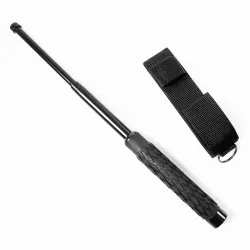
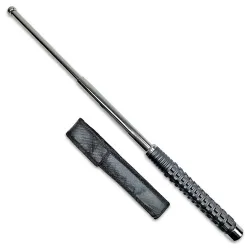
Most collapsible batons are made from high-strength steel or alloy, giving them both durability and the ability to absorb a significant amount of force. They're designed to be quick and easy to deploy, so even if you're caught off-guard in a dangerous situation, you can extend the baton in a matter of seconds. The baton's flexibility makes it an ideal choice for close-quarter defense, allowing you to strike with precision and power.
Collapsible batons aren't just for professionals; they are also an excellent choice for personal protection weapons, as their extended reach provides a greater defense radius compared to something like pepper spray or a stun gun. When used correctly, they can incapacitate an attacker, giving you time to escape or call for help.
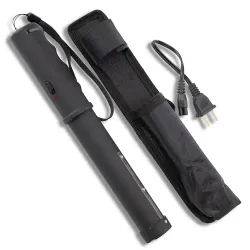
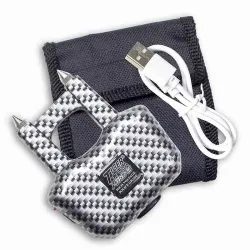
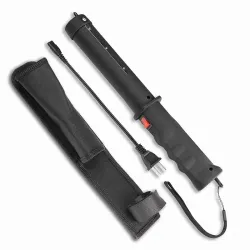
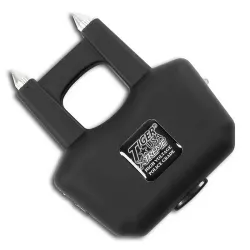
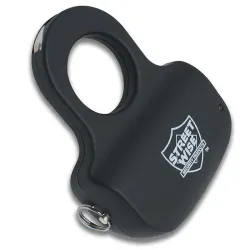
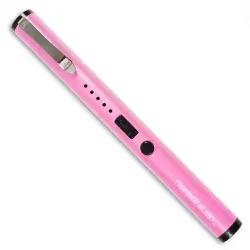
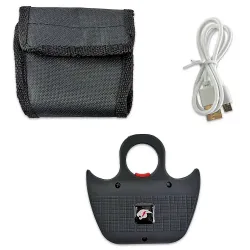
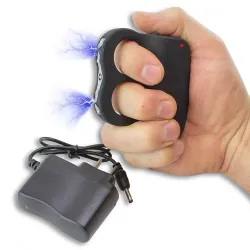
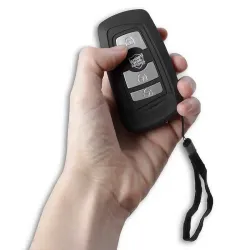
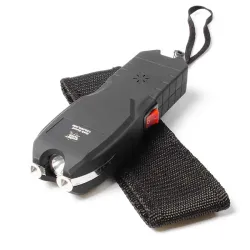
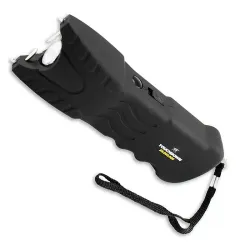
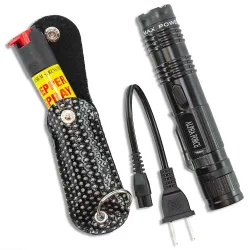
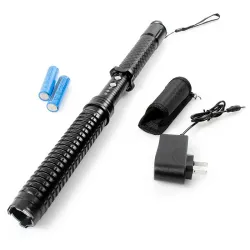
When it comes to personal protection weapons, few options are as effective and straightforward as the stun gun. A stun gun is a powerful self-defense weapon designed to incapacitate an attacker with a high-voltage, low-amperage electric shock. The origins of stun guns can be traced back to the 1930s when the concept of using electricity to temporarily disable a person was first explored. However, it wasn't until the 1970s that stun guns became widely available to the public, providing individuals with a non-lethal option for self-defense.
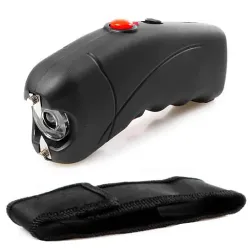
The modern stun gun works by disrupting the electrical signals between the brain and muscles, causing a person to lose control of their motor functions and collapse to the ground in a matter of seconds. This makes stun guns incredibly effective in disabling an attacker long enough for you to escape. Because they're small and portable, stun guns can be easily carried in a purse or pocket, offering an invaluable layer of protection for anyone who feels vulnerable to attack.
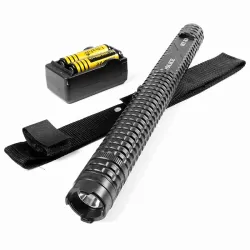
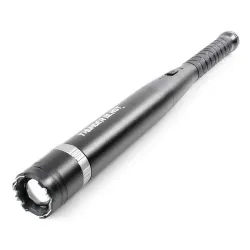
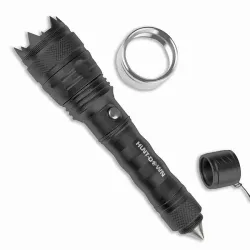
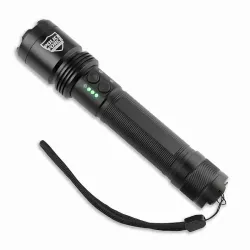
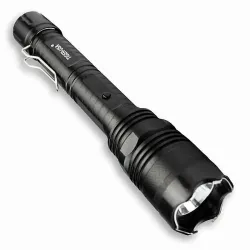
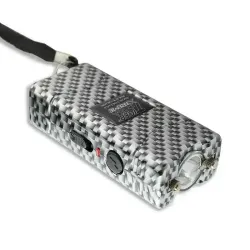
Some stun guns also include built-in features like bright flashlights or audible alarms, making them even more versatile safety weapons. The added visibility and noise can be helpful in alerting others to a potential threat or deterring an attacker before things escalate.
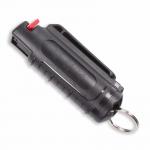
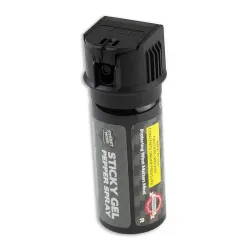
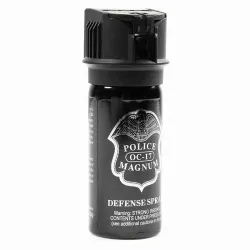
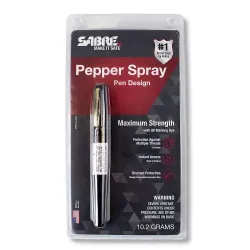
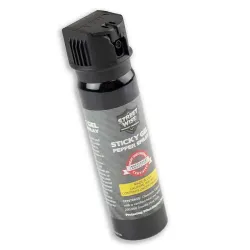
Pepper spray is one of the most popular self-defense weapons in the world, and it's easy to see why. Compact, affordable, and incredibly effective, pepper spray has been a staple in personal protection for decades. Its origins date back to the 1960s when it was first used by law enforcement as a non-lethal tool to control suspects. Over time, it became available to the public, and its popularity as a self-defense weapon soared. Today, it's one of the most widely used personal protection weapons globally.
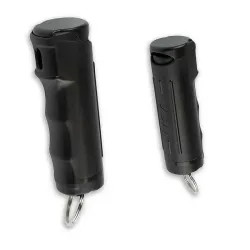
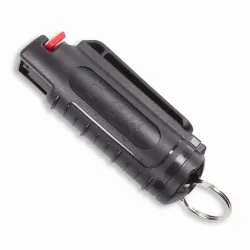
The way pepper spray works is simple but powerful. It contains capsaicin, the compound responsible for the heat in hot peppers, which causes an intense burning sensation when it comes into contact with the eyes, nose, and throat. A direct hit with pepper spray can temporarily blind and disorient an attacker, leaving them unable to pursue you while you escape to safety.
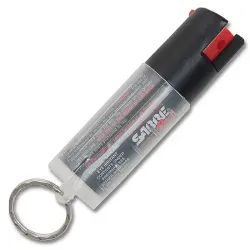
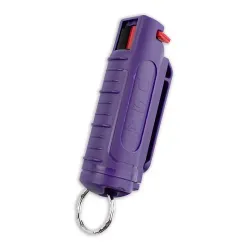
What makes pepper spray an excellent safety weapon is its ease of use and range. Most pepper sprays can reach up to 10-12 feet, allowing you to incapacitate a threat from a distance before they can get too close. Whether you're walking alone at night or just want to feel more secure when traveling, pepper spray provides peace of mind without the need for complicated training or technical skills. With its compact design, it can easily fit in your pocket, purse, or on a keychain, ensuring that you're always prepared in case of an emergency.
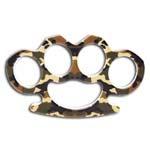
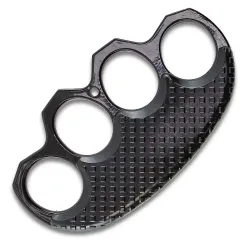
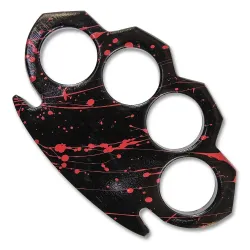
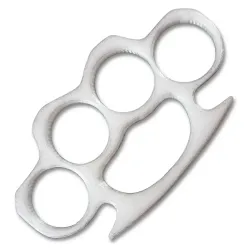
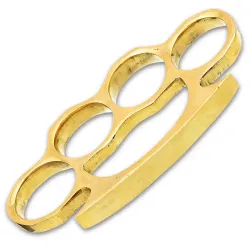
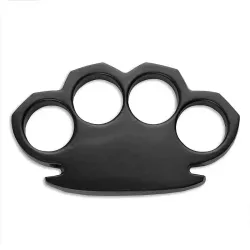
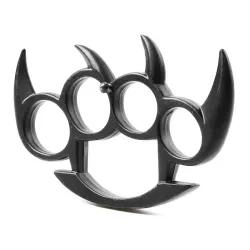
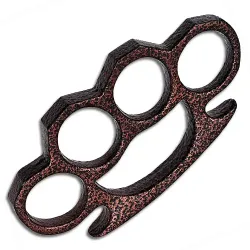
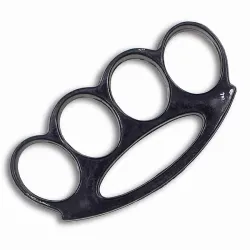
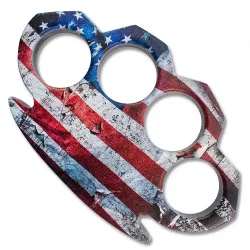
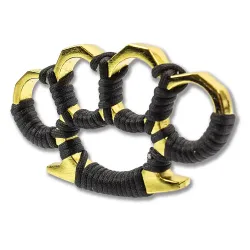
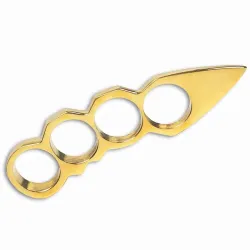
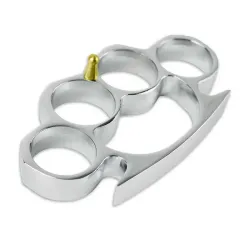
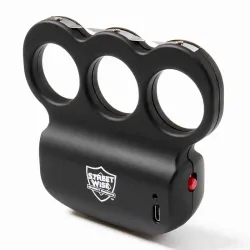
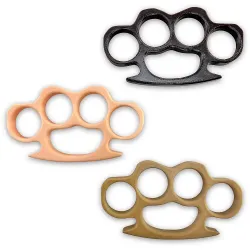
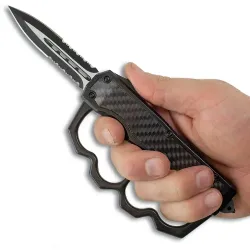
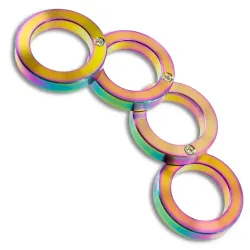
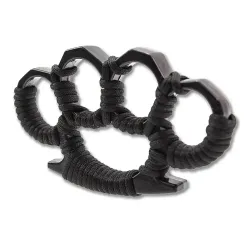
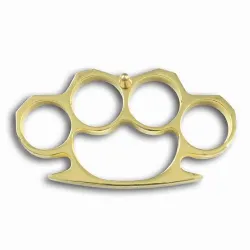
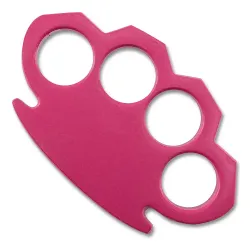
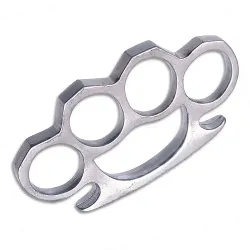
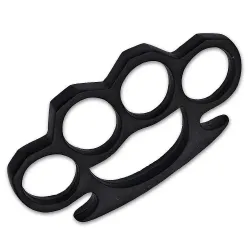
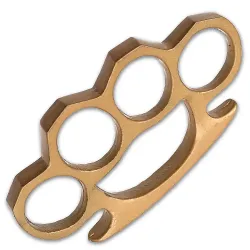
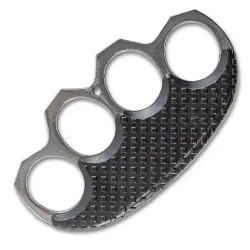
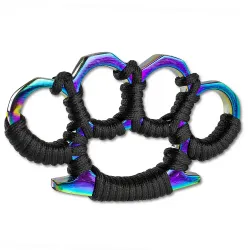
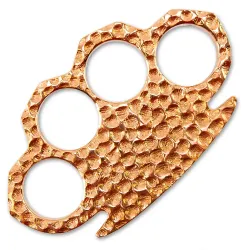
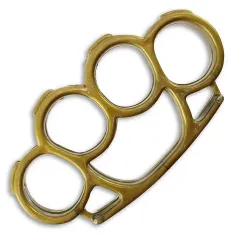
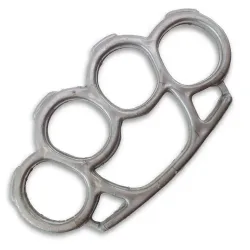
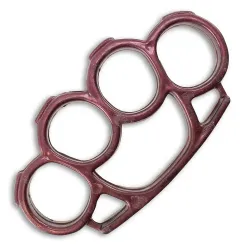
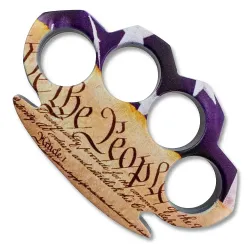
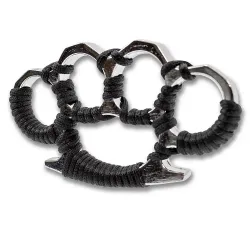
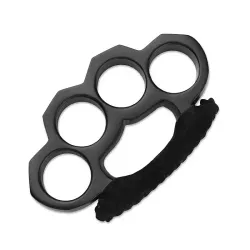
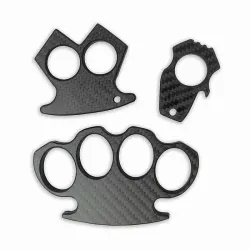
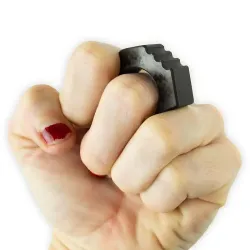
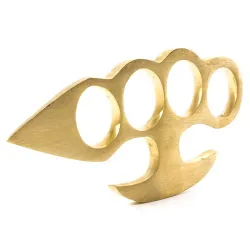
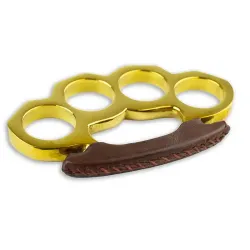
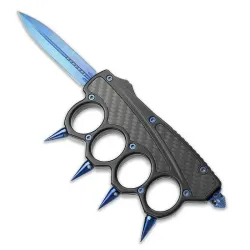
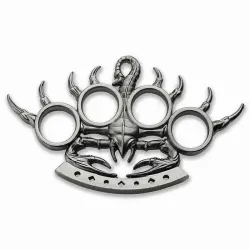
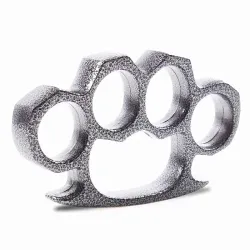
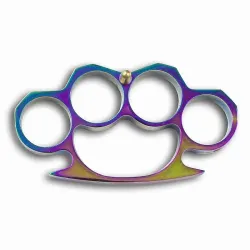
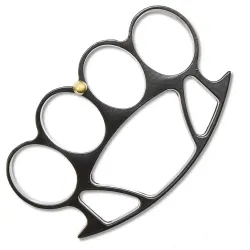
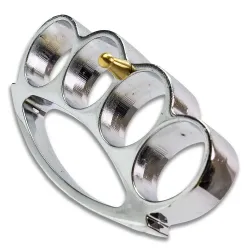
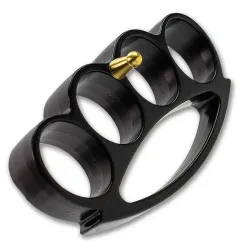
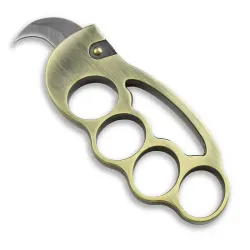
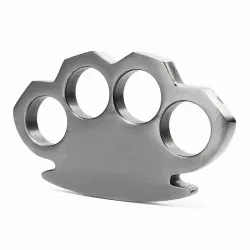
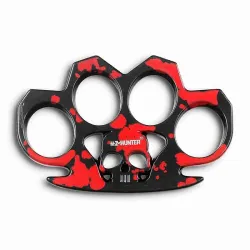
Knuckle dusters, also known as brass knuckles, have been around for centuries. They first gained popularity in the late 19th and early 20th centuries, often used by soldiers and law enforcement officers for close-quarters combat. The idea behind knuckle dusters is simple: they enhance the force of a punch by concentrating the impact into a small area, often made of metal or other hard materials. This makes knuckle dusters a powerful self-defense weapon in situations where you need to fight back quickly.
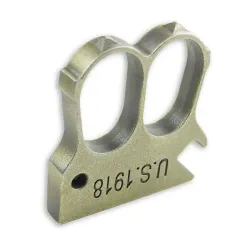
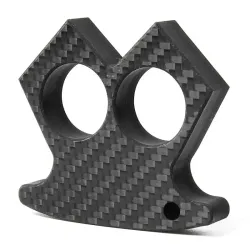
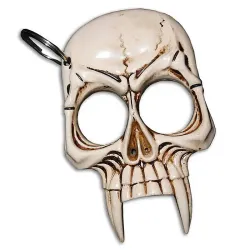
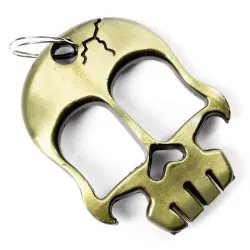
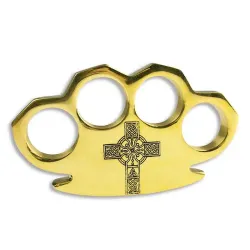
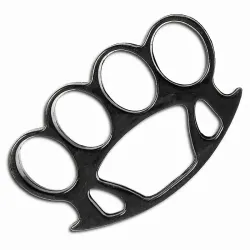
Though originally designed as weapons for combat, knuckle dusters are still widely used as personal protection weapons today. Modern versions are often made from lightweight but strong materials like aluminum, making them easy to carry and use. Some models even feature added functionality, such as a built-in flashlight or bottle opener. These versatile safety weapons offer both offensive and defensive capabilities, and their compact size makes them ideal for carrying in a pocket or purse.
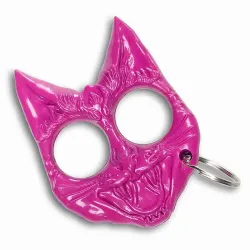
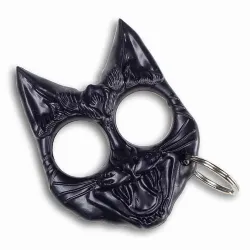
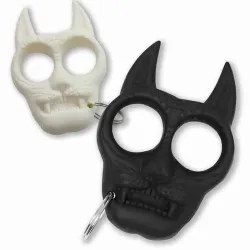
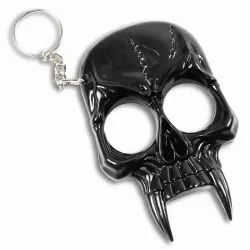
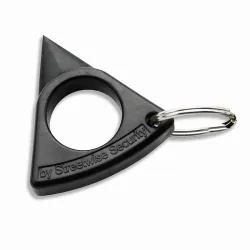
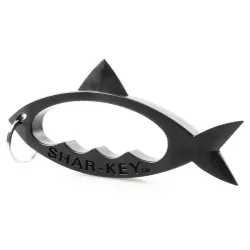
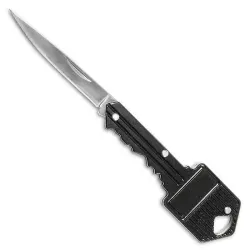
Self-defense keychains are the ultimate blend of convenience and effectiveness. These tiny but powerful safety weapons have become increasingly popular due to their portability and ease of use. Keychains are typically discreet, which makes them perfect for people who want to carry a personal protection weapon without drawing attention. Whether you're walking to your car in a dimly lit parking lot or simply want peace of mind during your daily routine, self-defense keychains offer a quick, simple way to protect yourself.
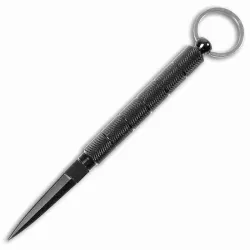
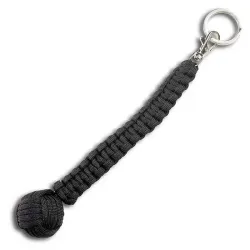
Many self-defense keychains are designed with practicality in mind. Common designs include items like kubotans, small and lightweight rods made from durable materials such as aluminum or steel, which can be used to strike pressure points or disorient an attacker. Some self-defense keychains come equipped with spikes, designed to pierce skin with minimal effort, making them especially effective in close-quarter defense situations. Others may feature a small, pointed tool that can be used to break glass or pry open doors in emergencies.
What makes self-defense keychains so great is that they allow you to carry a personal protection weapon without making it obvious. These tools often look like innocent accessories, like a cute keychain or charm, but they can easily be turned into a weapon in moments of need. They're lightweight, easy to carry, and incredibly effective when used properly. For anyone looking for a discrete, everyday carry safety weapon, self-defense keychains are an excellent option.
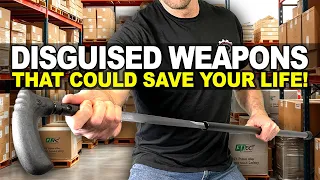
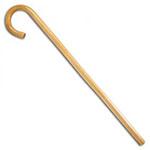
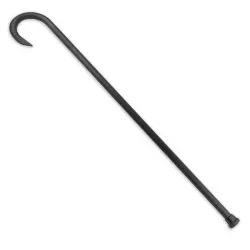
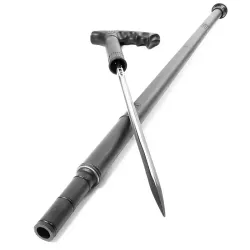
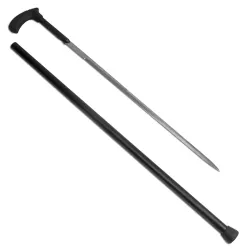
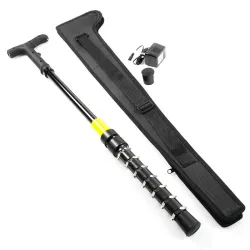
Self-defense canes are a unique and highly effective way to stay protected without compromising on style. While canes have been used for centuries for mobility and support, modern self-defense canes are designed specifically to provide a reliable defense option in case of an attack. These canes are often equipped with features that make them just as functional as they are stylish; whether you're using them for walking assistance, as a fashion accessory, or for personal protection.
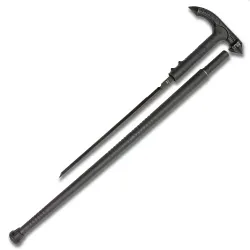
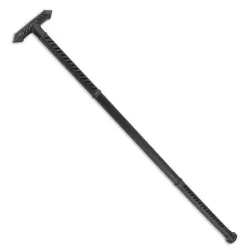
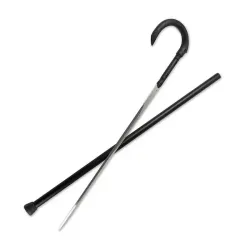
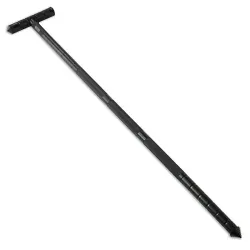
The self-defense cane typically features a solid, durable construction that can withstand significant impact, with some models made from materials like aluminum, carbon fiber, or steel. The key feature of a self-defense cane is the reinforced handle, which is designed for striking an attacker. Depending on the design, it may be equipped with a concealed blade, a pointed tip, or a heavy-duty striking surface that makes it easy to incapacitate an attacker with a single blow.
The origins of the self-defense cane can be traced back to the 19th century, when it was common for people, especially older adults or those with physical disabilities, to carry a cane for both support and protection. Over time, the concept evolved, and today's self defense canes are much more advanced, offering discreet yet powerful protection for those who need it. These canes allow for a strong, controlled strike, with some even designed to look like a regular walking cane when not in use, making them an excellent option for those who want both functional mobility and security.
While self-defense canes are ideal for people with mobility concerns, they're also a great choice for anyone looking for a non-lethal, effective weapon that doubles as a stylish accessory. The added benefit of mobility assistance makes the self-defense cane one of the most versatile personal protection weapons on the market.
When it comes to choosing the best self-defense weapon, there's no one-size-fits-all solution. Different tools work better for different people depending on factors like personal comfort, ease of use, and the specific nature of the threat you might face. At Kombativ.com, we carry a wide variety of self defense weapons, from discreet keychain pepper sprays to more substantial options like collapsible batons and stun guns, so you can find the personal protection weapon that best suits your needs.
Remember, the goal of a self defense weapon isn't just to fight back; it's to create an opportunity to escape. In high-stress situations, having the right safety weapon at your disposal can make all the difference. A good self-defense weapon should be something you're comfortable using and carrying, something that won't weigh you down or slow you down when you need to act quickly.
Ultimately, our selection of self-defense weapons at Kombativ.com is here to give you peace of mind and the confidence that you're prepared for whatever comes your way. Whether you're concerned about personal safety while out for a walk, traveling, or just want an extra layer of protection at home, we have the tools you need to feel safe and secure. With our high-quality, reliable, and easy-to-use safety weapons, you can take control of your own security and protect yourself and those you love. Stay safe and stay empowered with Kombativ.com's self-defense weapons.
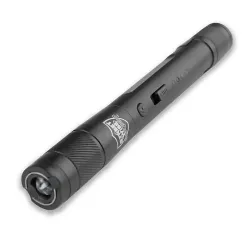
The most effective non lethal self defense weapons are those that can stop a threat quickly without the intent to cause lasting damage. Pepper spray and stun guns are popular because they can temporarily disable an attacker, giving you time to escape. Expandable batons and knuckle dusters are also commonly used, but they come with a higher risk of causing severe injury if misused or applied with too much force. Even tactical flashlights, while designed for everyday use, can double as striking tools in emergencies. Each of these options can be effective, but it's important to choose one you feel comfortable carrying and understand how to use safely.
The legality of carrying self defense weapons depends heavily on where you live and the type of weapon you choose. Items like pepper spray and small personal alarms are legal in most states and countries because they are considered non lethal defensive tools. Stun guns and tasers fall into a gray area, since some regions allow them with restrictions such as age limits or permits, while others ban them entirely. Expandable batons, brass knuckles, and certain impact weapons are far more restricted and, in many places, illegal to carry outside your home. Even when a weapon is legal to own, the rules about carrying it in public, traveling with it, or using it in self defense vary widely. That's why it's essential to check your local laws before purchasing or carrying any self defense weapon. Knowing the regulations ensures you stay protected without facing unintended legal consequences.
Self defense weapons are designed specifically to stop or deter an attacker, often by causing pain, disorientation, or temporary incapacitation. Examples include pepper spray, stun guns, and batons, all of which can create a strong enough response to give you time to escape. Personal protection gear is a broader category that may not be intended as a weapon but can still keep you safe. This includes items like personal alarms, tactical flashlights, and reinforced keychains, which rely on visibility, noise, or durability rather than direct impact. In many cases, people carry a mix of both, such as combining a non lethal weapon with everyday protection tools, to create a balanced approach to personal safety.
For beginners, the best self defense weapons are those that are simple to use, easy to carry, and effective without requiring advanced training. Pepper spray is often recommended because it can be deployed quickly and has an immediate effect that discourages attackers from getting closer. Personal alarms are another beginner-friendly choice since they rely on loud noise to draw attention and scare off threats without any risk of misuse. Stun guns can also be effective, but they require you to be close to an attacker, which may be intimidating for someone new to self defense. On the other hand, weapons like expandable batons or knuckle dusters usually demand more practice and confidence to handle properly, and they carry a higher risk of causing serious injury. For most people starting out, a combination of a small non lethal tool such as pepper spray and a simple piece of personal protection gear like a flashlight or alarm offers a balanced and beginner-friendly option.
Yes, non lethal weapons can be very effective for self defense when they are chosen carefully and used correctly. Pepper spray is one of the most proven options, capable of instantly disabling an attacker by causing intense eye irritation and breathing difficulty. Stun guns can also work well by delivering a powerful shock that disrupts muscle control long enough for you to escape. Even personal protection gear like alarms and tactical flashlights can be effective because they draw attention, disorient attackers, or buy critical seconds to react. However, it is important to remember that no non lethal weapon guarantees safety in every situation. They require awareness, quick decision-making, and in some cases, practice to use effectively. When paired with situational awareness and confidence, non lethal weapons are a valuable layer of protection that help ordinary people stay prepared without resorting to lethal force.
In almost every case, anything that looks or functions like a self-defense weapon is going to be a hard "no" for carry-on bags. That includes items like pepper spray, stun guns, kubatons, sharp tools, and anything that could reasonably be used as a weapon at the checkpoint. If you try to take that stuff through security, you should expect it to be confiscated at minimum, and in some situations it can create a bigger problem than just losing the item.
That said, some self-defense items can be packed in checked luggage if you follow the rules. For example, TSA allows one container of pepper spray in checked baggage as long as it is 4 fl. oz. (118 ml) or less and has a safety mechanism to prevent accidental discharge. There are also limits on the type and concentration of chemical irritants allowed.
For stun guns, the rule is simple: not allowed in carry-on bags, but permitted in checked luggage when properly secured. In practical terms, that means it needs to be packed so it cannot accidentally activate in transit. A good approach is to use any included safety switch, cover the contacts, and pack it in a way that prevents pressure on the trigger.
Kubatons are another item that surprises people. They are not allowed in carry-on bags, but they are permitted in checked baggage. If you carry a kubaton-style keychain day to day, make sure you remove it before getting to the airport unless you want to leave it behind at the checkpoint.
Two important details people often miss are airline policies and destination laws. Security screening rules are only one part of the equation. Airlines can have stricter baggage policies, and once you land, local laws still apply. Something that is legal in one state may be restricted in another, and international destinations can be even more strict. The safest approach is to check security guidelines, your airline's baggage policy, and the laws of your destination before you travel.
In most parts of the United States, you do not need a permit or license to own or carry a stun gun for personal protection. These devices are generally treated as consumer self-defense tools, similar to pepper spray or personal alarms. That said, laws can vary by state and even by city, so it is important to understand how your local regulations work before carrying one in public.
Some states place limits on who can carry a stun gun. Common restrictions include minimum age requirements, bans for people with certain criminal convictions, or limits on where the device can be carried, such as government buildings, schools, or secure facilities. A few states and municipalities have historically imposed stricter rules, though many of those laws have changed over time. Because of this, it is always smart to verify current local regulations rather than relying on outdated information.
Another thing to keep in mind is intent. Stun guns are designed for personal defense, not intimidation or misuse. Even in areas where they are legal, using one outside of a legitimate self-defense situation can still result in serious legal consequences. Carrying a self-defense tool does not grant special authority, and it does not override existing assault or misuse laws.
If you travel between states or carry a stun gun while commuting, it is especially important to know the rules in every place you pass through. What is perfectly legal in one state might be restricted just across the border. The safest approach is to treat local laws as part of your everyday carry decision, just like size, concealability, and ease of use.
Many self-defense tools are designed to be simple, but stress changes everything. In a real encounter, adrenaline can make even basic actions harder than expected. A short class or workshop helps you practice using a tool while your heart rate is elevated, so it feels more natural when it actually matters.
Training also teaches awareness, positioning, and decision-making, which are just as important as the tool itself. Even a single session can improve confidence and response time, giving you a better sense of when to create distance, when to act, and when escape is the safest option.
For situations where distance matters, pepper spray and similar aerosol defense tools are the most effective non-lethal options. They allow you to create space between yourself and a threat, giving you a chance to escape without needing to be within arm's reach. Many models project several feet, which can stop an approach before it becomes physical.
Long-range tools are especially useful in open areas like parking lots, sidewalks, or trails. They are easy to aim, quick to deploy, and effective against most attackers without requiring close contact. The key advantage is time and distance, which are often the two things you need most in a real-world encounter.
Most pepper spray has a shelf life of about two to four years from the date of manufacture. Over time, the pressure inside the canister can drop and the active ingredient can lose potency, which means the spray may not project as far or be as effective when you need it most.
It is a good habit to check the expiration date every few months and replace older units before they become unreliable. Carrying expired spray is a lot like carrying a flashlight with dying batteries. It might work, or it might fail at the worst possible moment.
Yes, environmental conditions can make a noticeable difference. Cold temperatures can reduce battery performance in electronic devices and lower the pressure inside aerosol sprays, shortening their effective range. Extreme heat can also degrade components over time if a tool is left in a car or exposed to direct sunlight for long periods.
Rain and wind can impact spray-based tools by dispersing the stream or pushing it off target. That does not make them useless, but it does mean you should be aware of your surroundings and adjust your distance and aim accordingly. Just like any piece of everyday gear, self-defense tools work best when you understand their limits and maintain them with real-world conditions in mind.
The world can feel unpredictable at times, and having the right safety weapon at your disposal is crucial to navigating that uncertainty. Self defense weapons come in many forms, each designed to offer unique advantages based on personal preference, environment, and level of threat. Some are small and easy to carry in your pocket or purse, while others are designed for those who need a more substantial tool to ward off an attacker. At Kombativ.com, we understand that no two people are the same, which is why our selection of personal protection weapons includes a range of options from collapsible batons to stun guns, pepper spray, and knuckle dusters.
Collapsible Batons: The Classic Self-Defense Tool
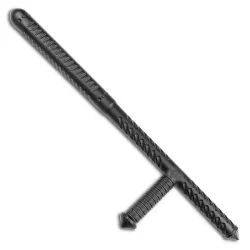
The collapsible baton is a classic choice in the world of self-defense weapons, and for good reason. These versatile tools originated in ancient Asia, where staff-like weapons were used in martial arts for centuries. The modern collapsible baton we know today was popularized by law enforcement agencies in the 20th century, primarily due to its practicality and ease of use. It's compact and can be easily carried on your person, but when extended, it becomes a powerful tool for self-defense.
Most collapsible batons are made from high-strength steel or alloy, giving them both durability and the ability to absorb a significant amount of force. They're designed to be quick and easy to deploy, so even if you're caught off-guard in a dangerous situation, you can extend the baton in a matter of seconds. The baton's flexibility makes it an ideal choice for close-quarter defense, allowing you to strike with precision and power.
Collapsible batons aren't just for professionals; they are also an excellent choice for personal protection weapons, as their extended reach provides a greater defense radius compared to something like pepper spray or a stun gun. When used correctly, they can incapacitate an attacker, giving you time to escape or call for help.
Stun Guns: Powerful Protection in the Palm of Your Hand
When it comes to personal protection weapons, few options are as effective and straightforward as the stun gun. A stun gun is a powerful self-defense weapon designed to incapacitate an attacker with a high-voltage, low-amperage electric shock. The origins of stun guns can be traced back to the 1930s when the concept of using electricity to temporarily disable a person was first explored. However, it wasn't until the 1970s that stun guns became widely available to the public, providing individuals with a non-lethal option for self-defense.
The modern stun gun works by disrupting the electrical signals between the brain and muscles, causing a person to lose control of their motor functions and collapse to the ground in a matter of seconds. This makes stun guns incredibly effective in disabling an attacker long enough for you to escape. Because they're small and portable, stun guns can be easily carried in a purse or pocket, offering an invaluable layer of protection for anyone who feels vulnerable to attack.
Some stun guns also include built-in features like bright flashlights or audible alarms, making them even more versatile safety weapons. The added visibility and noise can be helpful in alerting others to a potential threat or deterring an attacker before things escalate.
Pepper Spray: A Simple Yet Effective Self-Defense Weapon
Pepper spray is one of the most popular self-defense weapons in the world, and it's easy to see why. Compact, affordable, and incredibly effective, pepper spray has been a staple in personal protection for decades. Its origins date back to the 1960s when it was first used by law enforcement as a non-lethal tool to control suspects. Over time, it became available to the public, and its popularity as a self-defense weapon soared. Today, it's one of the most widely used personal protection weapons globally.
The way pepper spray works is simple but powerful. It contains capsaicin, the compound responsible for the heat in hot peppers, which causes an intense burning sensation when it comes into contact with the eyes, nose, and throat. A direct hit with pepper spray can temporarily blind and disorient an attacker, leaving them unable to pursue you while you escape to safety.
What makes pepper spray an excellent safety weapon is its ease of use and range. Most pepper sprays can reach up to 10-12 feet, allowing you to incapacitate a threat from a distance before they can get too close. Whether you're walking alone at night or just want to feel more secure when traveling, pepper spray provides peace of mind without the need for complicated training or technical skills. With its compact design, it can easily fit in your pocket, purse, or on a keychain, ensuring that you're always prepared in case of an emergency.
Knuckle Dusters: Old-School Defense with a Modern Twist
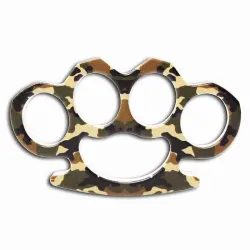
Knuckle dusters, also known as brass knuckles, have been around for centuries. They first gained popularity in the late 19th and early 20th centuries, often used by soldiers and law enforcement officers for close-quarters combat. The idea behind knuckle dusters is simple: they enhance the force of a punch by concentrating the impact into a small area, often made of metal or other hard materials. This makes knuckle dusters a powerful self-defense weapon in situations where you need to fight back quickly.
Though originally designed as weapons for combat, knuckle dusters are still widely used as personal protection weapons today. Modern versions are often made from lightweight but strong materials like aluminum, making them easy to carry and use. Some models even feature added functionality, such as a built-in flashlight or bottle opener. These versatile safety weapons offer both offensive and defensive capabilities, and their compact size makes them ideal for carrying in a pocket or purse.
Self-Defense Keychains: Small But Mighty Protection
Self-defense keychains are the ultimate blend of convenience and effectiveness. These tiny but powerful safety weapons have become increasingly popular due to their portability and ease of use. Keychains are typically discreet, which makes them perfect for people who want to carry a personal protection weapon without drawing attention. Whether you're walking to your car in a dimly lit parking lot or simply want peace of mind during your daily routine, self-defense keychains offer a quick, simple way to protect yourself.
Many self-defense keychains are designed with practicality in mind. Common designs include items like kubotans, small and lightweight rods made from durable materials such as aluminum or steel, which can be used to strike pressure points or disorient an attacker. Some self-defense keychains come equipped with spikes, designed to pierce skin with minimal effort, making them especially effective in close-quarter defense situations. Others may feature a small, pointed tool that can be used to break glass or pry open doors in emergencies.
What makes self-defense keychains so great is that they allow you to carry a personal protection weapon without making it obvious. These tools often look like innocent accessories, like a cute keychain or charm, but they can easily be turned into a weapon in moments of need. They're lightweight, easy to carry, and incredibly effective when used properly. For anyone looking for a discrete, everyday carry safety weapon, self-defense keychains are an excellent option.
Self-Defense Canes: Stylish Protection with Added Strength
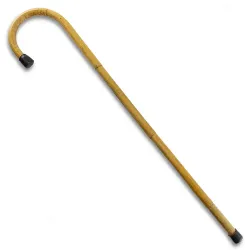
Self-defense canes are a unique and highly effective way to stay protected without compromising on style. While canes have been used for centuries for mobility and support, modern self-defense canes are designed specifically to provide a reliable defense option in case of an attack. These canes are often equipped with features that make them just as functional as they are stylish; whether you're using them for walking assistance, as a fashion accessory, or for personal protection.
The self-defense cane typically features a solid, durable construction that can withstand significant impact, with some models made from materials like aluminum, carbon fiber, or steel. The key feature of a self-defense cane is the reinforced handle, which is designed for striking an attacker. Depending on the design, it may be equipped with a concealed blade, a pointed tip, or a heavy-duty striking surface that makes it easy to incapacitate an attacker with a single blow.
The origins of the self-defense cane can be traced back to the 19th century, when it was common for people, especially older adults or those with physical disabilities, to carry a cane for both support and protection. Over time, the concept evolved, and today's self defense canes are much more advanced, offering discreet yet powerful protection for those who need it. These canes allow for a strong, controlled strike, with some even designed to look like a regular walking cane when not in use, making them an excellent option for those who want both functional mobility and security.
While self-defense canes are ideal for people with mobility concerns, they're also a great choice for anyone looking for a non-lethal, effective weapon that doubles as a stylish accessory. The added benefit of mobility assistance makes the self-defense cane one of the most versatile personal protection weapons on the market.
Choosing the Right Self-Defense Weapon for You
When it comes to choosing the best self-defense weapon, there's no one-size-fits-all solution. Different tools work better for different people depending on factors like personal comfort, ease of use, and the specific nature of the threat you might face. At Kombativ.com, we carry a wide variety of self defense weapons, from discreet keychain pepper sprays to more substantial options like collapsible batons and stun guns, so you can find the personal protection weapon that best suits your needs.
Remember, the goal of a self defense weapon isn't just to fight back; it's to create an opportunity to escape. In high-stress situations, having the right safety weapon at your disposal can make all the difference. A good self-defense weapon should be something you're comfortable using and carrying, something that won't weigh you down or slow you down when you need to act quickly.
Ultimately, our selection of self-defense weapons at Kombativ.com is here to give you peace of mind and the confidence that you're prepared for whatever comes your way. Whether you're concerned about personal safety while out for a walk, traveling, or just want an extra layer of protection at home, we have the tools you need to feel safe and secure. With our high-quality, reliable, and easy-to-use safety weapons, you can take control of your own security and protect yourself and those you love. Stay safe and stay empowered with Kombativ.com's self-defense weapons.
What Are the Most Effective Non Lethal Self Defense Weapons?
The most effective non lethal self defense weapons are those that can stop a threat quickly without the intent to cause lasting damage. Pepper spray and stun guns are popular because they can temporarily disable an attacker, giving you time to escape. Expandable batons and knuckle dusters are also commonly used, but they come with a higher risk of causing severe injury if misused or applied with too much force. Even tactical flashlights, while designed for everyday use, can double as striking tools in emergencies. Each of these options can be effective, but it's important to choose one you feel comfortable carrying and understand how to use safely.
Is It Legal to Carry Self Defense Weapons for Personal Protection?
The legality of carrying self defense weapons depends heavily on where you live and the type of weapon you choose. Items like pepper spray and small personal alarms are legal in most states and countries because they are considered non lethal defensive tools. Stun guns and tasers fall into a gray area, since some regions allow them with restrictions such as age limits or permits, while others ban them entirely. Expandable batons, brass knuckles, and certain impact weapons are far more restricted and, in many places, illegal to carry outside your home. Even when a weapon is legal to own, the rules about carrying it in public, traveling with it, or using it in self defense vary widely. That's why it's essential to check your local laws before purchasing or carrying any self defense weapon. Knowing the regulations ensures you stay protected without facing unintended legal consequences.
What's the Difference Between Self Defense Weapons and Personal Protection Gear?
Self defense weapons are designed specifically to stop or deter an attacker, often by causing pain, disorientation, or temporary incapacitation. Examples include pepper spray, stun guns, and batons, all of which can create a strong enough response to give you time to escape. Personal protection gear is a broader category that may not be intended as a weapon but can still keep you safe. This includes items like personal alarms, tactical flashlights, and reinforced keychains, which rely on visibility, noise, or durability rather than direct impact. In many cases, people carry a mix of both, such as combining a non lethal weapon with everyday protection tools, to create a balanced approach to personal safety.
Which Self Defense Weapons Are Best for Beginners?
For beginners, the best self defense weapons are those that are simple to use, easy to carry, and effective without requiring advanced training. Pepper spray is often recommended because it can be deployed quickly and has an immediate effect that discourages attackers from getting closer. Personal alarms are another beginner-friendly choice since they rely on loud noise to draw attention and scare off threats without any risk of misuse. Stun guns can also be effective, but they require you to be close to an attacker, which may be intimidating for someone new to self defense. On the other hand, weapons like expandable batons or knuckle dusters usually demand more practice and confidence to handle properly, and they carry a higher risk of causing serious injury. For most people starting out, a combination of a small non lethal tool such as pepper spray and a simple piece of personal protection gear like a flashlight or alarm offers a balanced and beginner-friendly option.
Do Non Lethal Weapons Really Work for Self Defense?
Yes, non lethal weapons can be very effective for self defense when they are chosen carefully and used correctly. Pepper spray is one of the most proven options, capable of instantly disabling an attacker by causing intense eye irritation and breathing difficulty. Stun guns can also work well by delivering a powerful shock that disrupts muscle control long enough for you to escape. Even personal protection gear like alarms and tactical flashlights can be effective because they draw attention, disorient attackers, or buy critical seconds to react. However, it is important to remember that no non lethal weapon guarantees safety in every situation. They require awareness, quick decision-making, and in some cases, practice to use effectively. When paired with situational awareness and confidence, non lethal weapons are a valuable layer of protection that help ordinary people stay prepared without resorting to lethal force.
Are Self-Defense Weapons Allowed on Airplanes?
In almost every case, anything that looks or functions like a self-defense weapon is going to be a hard "no" for carry-on bags. That includes items like pepper spray, stun guns, kubatons, sharp tools, and anything that could reasonably be used as a weapon at the checkpoint. If you try to take that stuff through security, you should expect it to be confiscated at minimum, and in some situations it can create a bigger problem than just losing the item.
That said, some self-defense items can be packed in checked luggage if you follow the rules. For example, TSA allows one container of pepper spray in checked baggage as long as it is 4 fl. oz. (118 ml) or less and has a safety mechanism to prevent accidental discharge. There are also limits on the type and concentration of chemical irritants allowed.
For stun guns, the rule is simple: not allowed in carry-on bags, but permitted in checked luggage when properly secured. In practical terms, that means it needs to be packed so it cannot accidentally activate in transit. A good approach is to use any included safety switch, cover the contacts, and pack it in a way that prevents pressure on the trigger.
Kubatons are another item that surprises people. They are not allowed in carry-on bags, but they are permitted in checked baggage. If you carry a kubaton-style keychain day to day, make sure you remove it before getting to the airport unless you want to leave it behind at the checkpoint.
Two important details people often miss are airline policies and destination laws. Security screening rules are only one part of the equation. Airlines can have stricter baggage policies, and once you land, local laws still apply. Something that is legal in one state may be restricted in another, and international destinations can be even more strict. The safest approach is to check security guidelines, your airline's baggage policy, and the laws of your destination before you travel.
Do I Need a Permit to Carry a Stun Gun?
In most parts of the United States, you do not need a permit or license to own or carry a stun gun for personal protection. These devices are generally treated as consumer self-defense tools, similar to pepper spray or personal alarms. That said, laws can vary by state and even by city, so it is important to understand how your local regulations work before carrying one in public.
Some states place limits on who can carry a stun gun. Common restrictions include minimum age requirements, bans for people with certain criminal convictions, or limits on where the device can be carried, such as government buildings, schools, or secure facilities. A few states and municipalities have historically imposed stricter rules, though many of those laws have changed over time. Because of this, it is always smart to verify current local regulations rather than relying on outdated information.
Another thing to keep in mind is intent. Stun guns are designed for personal defense, not intimidation or misuse. Even in areas where they are legal, using one outside of a legitimate self-defense situation can still result in serious legal consequences. Carrying a self-defense tool does not grant special authority, and it does not override existing assault or misuse laws.
If you travel between states or carry a stun gun while commuting, it is especially important to know the rules in every place you pass through. What is perfectly legal in one state might be restricted just across the border. The safest approach is to treat local laws as part of your everyday carry decision, just like size, concealability, and ease of use.
Should I Take a Self-Defense Class to Use These Tools Effectively?
Many self-defense tools are designed to be simple, but stress changes everything. In a real encounter, adrenaline can make even basic actions harder than expected. A short class or workshop helps you practice using a tool while your heart rate is elevated, so it feels more natural when it actually matters.
Training also teaches awareness, positioning, and decision-making, which are just as important as the tool itself. Even a single session can improve confidence and response time, giving you a better sense of when to create distance, when to act, and when escape is the safest option.
Which Non-Lethal Self-Defense Tools Work Best at Long Range?
For situations where distance matters, pepper spray and similar aerosol defense tools are the most effective non-lethal options. They allow you to create space between yourself and a threat, giving you a chance to escape without needing to be within arm's reach. Many models project several feet, which can stop an approach before it becomes physical.
Long-range tools are especially useful in open areas like parking lots, sidewalks, or trails. They are easy to aim, quick to deploy, and effective against most attackers without requiring close contact. The key advantage is time and distance, which are often the two things you need most in a real-world encounter.
How Long Does Pepper Spray Last Before It Expires?
Most pepper spray has a shelf life of about two to four years from the date of manufacture. Over time, the pressure inside the canister can drop and the active ingredient can lose potency, which means the spray may not project as far or be as effective when you need it most.
It is a good habit to check the expiration date every few months and replace older units before they become unreliable. Carrying expired spray is a lot like carrying a flashlight with dying batteries. It might work, or it might fail at the worst possible moment.
Can Weather Affect How Self-Defense Tools Perform?
Yes, environmental conditions can make a noticeable difference. Cold temperatures can reduce battery performance in electronic devices and lower the pressure inside aerosol sprays, shortening their effective range. Extreme heat can also degrade components over time if a tool is left in a car or exposed to direct sunlight for long periods.
Rain and wind can impact spray-based tools by dispersing the stream or pushing it off target. That does not make them useless, but it does mean you should be aware of your surroundings and adjust your distance and aim accordingly. Just like any piece of everyday gear, self-defense tools work best when you understand their limits and maintain them with real-world conditions in mind.