




Everyday Carry (EDC) Weapons
Products
-
 🔍︎ QUICK VIEW
-
 🔍︎ QUICK VIEW
$24.95
🔍︎ QUICK VIEW
$24.95 -
 🔍︎ QUICK VIEW
-
 🔍︎ QUICK VIEW
$28.95
🔍︎ QUICK VIEW
$28.95 -
 🔍︎ QUICK VIEW
$23.95
🔍︎ QUICK VIEW
$23.95 -
 🔍︎ QUICK VIEW
$24.95
🔍︎ QUICK VIEW
$24.95 -
 🔍︎ QUICK VIEW
-
 🔍︎ QUICK VIEW
$39.95
🔍︎ QUICK VIEW
$39.95 -
 🔍︎ QUICK VIEW
$12.95
🔍︎ QUICK VIEW
$12.95 -
 🔍︎ QUICK VIEW
$19.95
🔍︎ QUICK VIEW
$19.95 -
 🔍︎ QUICK VIEW
$20.95
🔍︎ QUICK VIEW
$20.95 -
 🔍︎ QUICK VIEW
-
 🔍︎ QUICK VIEW
-
 🔍︎ QUICK VIEW
-
 🔍︎ QUICK VIEW
$24.95
🔍︎ QUICK VIEW
$24.95 -
 🔍︎ QUICK VIEW
-
 🔍︎ QUICK VIEW
$13.95
🔍︎ QUICK VIEW
$13.95 -
 🔍︎ QUICK VIEW
$29.95
🔍︎ QUICK VIEW
$29.95 -
 🔍︎ QUICK VIEW
$11.95
🔍︎ QUICK VIEW
$11.95 -
 🔍︎ QUICK VIEW
$17.95
🔍︎ QUICK VIEW
$17.95 -
 🔍︎ QUICK VIEW
-
 🔍︎ QUICK VIEW
-
 🔍︎ QUICK VIEW
$24.95
🔍︎ QUICK VIEW
$24.95 -
 🔍︎ QUICK VIEW
$34.95
🔍︎ QUICK VIEW
$34.95 -
 🔍︎ QUICK VIEW
-
 🔍︎ QUICK VIEW
$18.95
🔍︎ QUICK VIEW
$18.95 -
 🔍︎ QUICK VIEW
-
 🔍︎ QUICK VIEW
$59.95
🔍︎ QUICK VIEW
$59.95 -
 🔍︎ QUICK VIEW
$16.95
🔍︎ QUICK VIEW
$16.95 -
 🔍︎ QUICK VIEW
$54.95
🔍︎ QUICK VIEW
$54.95 -
 🔍︎ QUICK VIEW
$54.95
🔍︎ QUICK VIEW
$54.95 -
 🔍︎ QUICK VIEW
$54.95
🔍︎ QUICK VIEW
$54.95 -
 🔍︎ QUICK VIEW
$54.95
🔍︎ QUICK VIEW
$54.95 -
 🔍︎ QUICK VIEW
$54.95
🔍︎ QUICK VIEW
$54.95 -
 🔍︎ QUICK VIEW
$13.95
🔍︎ QUICK VIEW
$13.95 -
 🔍︎ QUICK VIEW
$32.95
🔍︎ QUICK VIEW
$32.95 -
 🔍︎ QUICK VIEW
-
 🔍︎ QUICK VIEW
$20.95
🔍︎ QUICK VIEW
$20.95 -
 🔍︎ QUICK VIEW
$32.95
🔍︎ QUICK VIEW
$32.95 -
 🔍︎ QUICK VIEW
$84.95
🔍︎ QUICK VIEW
$84.95 -
 🔍︎ QUICK VIEW
-
 🔍︎ QUICK VIEW
-
 🔍︎ QUICK VIEW
$18.95
🔍︎ QUICK VIEW
$18.95 -
 🔍︎ QUICK VIEW
-
 🔍︎ QUICK VIEW
-
 🔍︎ QUICK VIEW
$34.95
🔍︎ QUICK VIEW
$34.95 -
 🔍︎ QUICK VIEW
$19.95
🔍︎ QUICK VIEW
$19.95 -
 🔍︎ QUICK VIEW
$13.95
🔍︎ QUICK VIEW
$13.95 -
 🔍︎ QUICK VIEW
$11.95
🔍︎ QUICK VIEW
$11.95 -
 🔍︎ QUICK VIEW
$9.95
🔍︎ QUICK VIEW
$9.95 -
 🔍︎ QUICK VIEW
-
 🔍︎ QUICK VIEW
$11.95
🔍︎ QUICK VIEW
$11.95 -
 🔍︎ QUICK VIEW
$32.95
🔍︎ QUICK VIEW
$32.95 -
 🔍︎ QUICK VIEW
-
 🔍︎ QUICK VIEW
$18.95
🔍︎ QUICK VIEW
$18.95 -
 🔍︎ QUICK VIEW
$16.95
🔍︎ QUICK VIEW
$16.95 -
 🔍︎ QUICK VIEW
$12.95
🔍︎ QUICK VIEW
$12.95 -
 🔍︎ QUICK VIEW
$23.95
🔍︎ QUICK VIEW
$23.95 -
 🔍︎ QUICK VIEW
-
 🔍︎ QUICK VIEW
-
 🔍︎ QUICK VIEW
$24.95
🔍︎ QUICK VIEW
$24.95 -
 🔍︎ QUICK VIEW
$74.95
🔍︎ QUICK VIEW
$74.95 -
 🔍︎ QUICK VIEW
$44.95
🔍︎ QUICK VIEW
$44.95 -
 🔍︎ QUICK VIEW
$52.95
🔍︎ QUICK VIEW
$52.95 -
 🔍︎ QUICK VIEW
$22.95
🔍︎ QUICK VIEW
$22.95 -
 🔍︎ QUICK VIEW
$39.95
🔍︎ QUICK VIEW
$39.95 -
 🔍︎ QUICK VIEW
$15.95
🔍︎ QUICK VIEW
$15.95 -
 🔍︎ QUICK VIEW
$22.95
🔍︎ QUICK VIEW
$22.95 -
 🔍︎ QUICK VIEW
$18.95
🔍︎ QUICK VIEW
$18.95 -
 🔍︎ QUICK VIEW
$42.95
🔍︎ QUICK VIEW
$42.95 -
 🔍︎ QUICK VIEW
-
 🔍︎ QUICK VIEW
$64.95
🔍︎ QUICK VIEW
$64.95 -
 🔍︎ QUICK VIEW
$29.95
🔍︎ QUICK VIEW
$29.95 -
 🔍︎ QUICK VIEW
$20.95
🔍︎ QUICK VIEW
$20.95 -
 🔍︎ QUICK VIEW
-
 🔍︎ QUICK VIEW
$20.95
🔍︎ QUICK VIEW
$20.95 -
 🔍︎ QUICK VIEW
$17.95
🔍︎ QUICK VIEW
$17.95 -
 🔍︎ QUICK VIEW
$16.95
🔍︎ QUICK VIEW
$16.95 -
 🔍︎ QUICK VIEW
$16.95
🔍︎ QUICK VIEW
$16.95 -
 🔍︎ QUICK VIEW
-
 🔍︎ QUICK VIEW
$22.95
🔍︎ QUICK VIEW
$22.95 -
 🔍︎ QUICK VIEW
$14.95
🔍︎ QUICK VIEW
$14.95 -
 🔍︎ QUICK VIEW
-
 🔍︎ QUICK VIEW
$22.95
🔍︎ QUICK VIEW
$22.95 -
 🔍︎ QUICK VIEW
$12.95
🔍︎ QUICK VIEW
$12.95 -
 🔍︎ QUICK VIEW
$29.95
🔍︎ QUICK VIEW
$29.95 -
 🔍︎ QUICK VIEW
$29.95
🔍︎ QUICK VIEW
$29.95 -
 🔍︎ QUICK VIEW
-
 🔍︎ QUICK VIEW
$27.95
🔍︎ QUICK VIEW
$27.95 -
 🔍︎ QUICK VIEW
$23.95
🔍︎ QUICK VIEW
$23.95 -
 🔍︎ QUICK VIEW
$16.95
🔍︎ QUICK VIEW
$16.95 -
 🔍︎ QUICK VIEW
$16.95
🔍︎ QUICK VIEW
$16.95 -
 🔍︎ QUICK VIEW
$16.95
🔍︎ QUICK VIEW
$16.95 -
 🔍︎ QUICK VIEW
$24.95
🔍︎ QUICK VIEW
$24.95 -
 🔍︎ QUICK VIEW
$22.95
🔍︎ QUICK VIEW
$22.95 -
 🔍︎ QUICK VIEW
-
 🔍︎ QUICK VIEW
$19.95
🔍︎ QUICK VIEW
$19.95 -
 🔍︎ QUICK VIEW
-
 🔍︎ QUICK VIEW
$54.95
🔍︎ QUICK VIEW
$54.95 -
 🔍︎ QUICK VIEW
$54.95
🔍︎ QUICK VIEW
$54.95 -
 🔍︎ QUICK VIEW
-
 🔍︎ QUICK VIEW
$29.95
🔍︎ QUICK VIEW
$29.95 -
 🔍︎ QUICK VIEW
$39.95
🔍︎ QUICK VIEW
$39.95 -
 🔍︎ QUICK VIEW
$32.95
🔍︎ QUICK VIEW
$32.95 -
 🔍︎ QUICK VIEW
-
 🔍︎ QUICK VIEW
$12.95
🔍︎ QUICK VIEW
$12.95 -
 🔍︎ QUICK VIEW
-
 🔍︎ QUICK VIEW
-
 🔍︎ QUICK VIEW
$34.95
🔍︎ QUICK VIEW
$34.95 -
 🔍︎ QUICK VIEW
-
 🔍︎ QUICK VIEW
$109.95
🔍︎ QUICK VIEW
$109.95 -
 🔍︎ QUICK VIEW
$32.95
🔍︎ QUICK VIEW
$32.95 -
 🔍︎ QUICK VIEW
$20.95
🔍︎ QUICK VIEW
$20.95 -
 🔍︎ QUICK VIEW
$12.95
🔍︎ QUICK VIEW
$12.95 -
 🔍︎ QUICK VIEW
$21.95
🔍︎ QUICK VIEW
$21.95 -
 🔍︎ QUICK VIEW
$21.95
🔍︎ QUICK VIEW
$21.95 -
 🔍︎ QUICK VIEW
$74.95
🔍︎ QUICK VIEW
$74.95 -
 🔍︎ QUICK VIEW
-
 🔍︎ QUICK VIEW
$19.95
🔍︎ QUICK VIEW
$19.95 -
 🔍︎ QUICK VIEW
$46.95
🔍︎ QUICK VIEW
$46.95 -
 🔍︎ QUICK VIEW
$24.95
🔍︎ QUICK VIEW
$24.95 -
 🔍︎ QUICK VIEW
$34.95
🔍︎ QUICK VIEW
$34.95 -
 🔍︎ QUICK VIEW
$32.95
🔍︎ QUICK VIEW
$32.95 -
 🔍︎ QUICK VIEW
$34.95
🔍︎ QUICK VIEW
$34.95 -
 🔍︎ QUICK VIEW
$33.95
🔍︎ QUICK VIEW
$33.95 -
 🔍︎ QUICK VIEW
-
 🔍︎ QUICK VIEW
$119.95
🔍︎ QUICK VIEW
$119.95 -
 🔍︎ QUICK VIEW
$32.95
🔍︎ QUICK VIEW
$32.95 -
 🔍︎ QUICK VIEW
$169.95
🔍︎ QUICK VIEW
$169.95 -
 🔍︎ QUICK VIEW
$29.95
🔍︎ QUICK VIEW
$29.95 -
 🔍︎ QUICK VIEW
$12.95
🔍︎ QUICK VIEW
$12.95 -
 🔍︎ QUICK VIEW
$34.95
🔍︎ QUICK VIEW
$34.95 -
 🔍︎ QUICK VIEW
$32.95
🔍︎ QUICK VIEW
$32.95 -
 🔍︎ QUICK VIEW
$42.95
🔍︎ QUICK VIEW
$42.95 -
 🔍︎ QUICK VIEW
$20.95
🔍︎ QUICK VIEW
$20.95 -
 🔍︎ QUICK VIEW
$32.95
🔍︎ QUICK VIEW
$32.95 -
 🔍︎ QUICK VIEW
$24.95
🔍︎ QUICK VIEW
$24.95 -
 🔍︎ QUICK VIEW
-
 🔍︎ QUICK VIEW
$34.95
🔍︎ QUICK VIEW
$34.95 -
 🔍︎ QUICK VIEW
$39.95
🔍︎ QUICK VIEW
$39.95 -
 🔍︎ QUICK VIEW
$149.95
🔍︎ QUICK VIEW
$149.95 -
 🔍︎ QUICK VIEW
-
 🔍︎ QUICK VIEW
$29.95
🔍︎ QUICK VIEW
$29.95 -
 🔍︎ QUICK VIEW
$34.95
🔍︎ QUICK VIEW
$34.95 -
 🔍︎ QUICK VIEW
$54.95
🔍︎ QUICK VIEW
$54.95 -
 🔍︎ QUICK VIEW
-
 🔍︎ QUICK VIEW
$54.95
🔍︎ QUICK VIEW
$54.95 -
 🔍︎ QUICK VIEW
$94.95
🔍︎ QUICK VIEW
$94.95 -
 🔍︎ QUICK VIEW
$149.95
🔍︎ QUICK VIEW
$149.95 -
 🔍︎ QUICK VIEW
-
 🔍︎ QUICK VIEW
$39.95
🔍︎ QUICK VIEW
$39.95 -
 🔍︎ QUICK VIEW
-
 🔍︎ QUICK VIEW
$15.95
🔍︎ QUICK VIEW
$15.95 -
 🔍︎ QUICK VIEW
$54.95
🔍︎ QUICK VIEW
$54.95 -
 🔍︎ QUICK VIEW
$59.95
🔍︎ QUICK VIEW
$59.95 -
 🔍︎ QUICK VIEW
$159.95
🔍︎ QUICK VIEW
$159.95 -
 🔍︎ QUICK VIEW
$32.95
🔍︎ QUICK VIEW
$32.95 -
 🔍︎ QUICK VIEW
$26.95
🔍︎ QUICK VIEW
$26.95 -
 🔍︎ QUICK VIEW
$22.95
🔍︎ QUICK VIEW
$22.95 -
 🔍︎ QUICK VIEW
$32.95
🔍︎ QUICK VIEW
$32.95 -
 🔍︎ QUICK VIEW
$44.95
🔍︎ QUICK VIEW
$44.95 -
 🔍︎ QUICK VIEW
-
 🔍︎ QUICK VIEW
$46.95
🔍︎ QUICK VIEW
$46.95 -
 🔍︎ QUICK VIEW
-
 🔍︎ QUICK VIEW
-
 🔍︎ QUICK VIEW
$11.95
🔍︎ QUICK VIEW
$11.95 -
 🔍︎ QUICK VIEW
-
 🔍︎ QUICK VIEW
$34.95
🔍︎ QUICK VIEW
$34.95 -
 🔍︎ QUICK VIEW
$24.95
🔍︎ QUICK VIEW
$24.95 -
 🔍︎ QUICK VIEW
$34.95
🔍︎ QUICK VIEW
$34.95 -
 🔍︎ QUICK VIEW
$23.95
🔍︎ QUICK VIEW
$23.95 -
 🔍︎ QUICK VIEW
$32.95
🔍︎ QUICK VIEW
$32.95 -
 🔍︎ QUICK VIEW
$19.95
🔍︎ QUICK VIEW
$19.95 -
 🔍︎ QUICK VIEW
$13.95
🔍︎ QUICK VIEW
$13.95 -
 🔍︎ QUICK VIEW
$13.95
🔍︎ QUICK VIEW
$13.95 -
 🔍︎ QUICK VIEW
$19.95
🔍︎ QUICK VIEW
$19.95 -
 🔍︎ QUICK VIEW
$14.95
🔍︎ QUICK VIEW
$14.95 -
 🔍︎ QUICK VIEW
$14.95
🔍︎ QUICK VIEW
$14.95 -
 🔍︎ QUICK VIEW
$22.95
🔍︎ QUICK VIEW
$22.95 -
 🔍︎ QUICK VIEW
$14.95
🔍︎ QUICK VIEW
$14.95 -
 🔍︎ QUICK VIEW
$13.95
🔍︎ QUICK VIEW
$13.95 -
 🔍︎ QUICK VIEW
$18.95
🔍︎ QUICK VIEW
$18.95 -
 🔍︎ QUICK VIEW
$54.95
🔍︎ QUICK VIEW
$54.95 -
 🔍︎ QUICK VIEW
$69.95
🔍︎ QUICK VIEW
$69.95 -
 🔍︎ QUICK VIEW
$32.95
🔍︎ QUICK VIEW
$32.95 -
 🔍︎ QUICK VIEW
$16.95
🔍︎ QUICK VIEW
$16.95 -
 🔍︎ QUICK VIEW
$16.95
🔍︎ QUICK VIEW
$16.95 -
 🔍︎ QUICK VIEW
-
 🔍︎ QUICK VIEW
$21.95
🔍︎ QUICK VIEW
$21.95 -
 🔍︎ QUICK VIEW
$14.95
🔍︎ QUICK VIEW
$14.95 -
 🔍︎ QUICK VIEW
$13.95
🔍︎ QUICK VIEW
$13.95 -
 🔍︎ QUICK VIEW
$13.95
🔍︎ QUICK VIEW
$13.95 -
 🔍︎ QUICK VIEW
$18.95
🔍︎ QUICK VIEW
$18.95 -
 🔍︎ QUICK VIEW
$54.95
🔍︎ QUICK VIEW
$54.95 -
 🔍︎ QUICK VIEW
-
 🔍︎ QUICK VIEW
$32.95
🔍︎ QUICK VIEW
$32.95 -
 🔍︎ QUICK VIEW
$36.95
🔍︎ QUICK VIEW
$36.95 -
 🔍︎ QUICK VIEW
$16.95
🔍︎ QUICK VIEW
$16.95 -
 🔍︎ QUICK VIEW
$52.95
🔍︎ QUICK VIEW
$52.95 -
 🔍︎ QUICK VIEW
$119.95
🔍︎ QUICK VIEW
$119.95 -
 🔍︎ QUICK VIEW
$22.95
🔍︎ QUICK VIEW
$22.95 -
 🔍︎ QUICK VIEW
-
 🔍︎ QUICK VIEW
$34.95
🔍︎ QUICK VIEW
$34.95 -
 🔍︎ QUICK VIEW
$24.95
🔍︎ QUICK VIEW
$24.95 -
 🔍︎ QUICK VIEW
$18.95
🔍︎ QUICK VIEW
$18.95 -
 🔍︎ QUICK VIEW
-
 🔍︎ QUICK VIEW
-
 🔍︎ QUICK VIEW
$14.95
🔍︎ QUICK VIEW
$14.95 -
 🔍︎ QUICK VIEW
$14.95
🔍︎ QUICK VIEW
$14.95 -
 🔍︎ QUICK VIEW
$20.95
🔍︎ QUICK VIEW
$20.95 -
 🔍︎ QUICK VIEW
$32.95
🔍︎ QUICK VIEW
$32.95 -
 🔍︎ QUICK VIEW
-
 🔍︎ QUICK VIEW
$21.95
🔍︎ QUICK VIEW
$21.95 -
 🔍︎ QUICK VIEW
$22.95
🔍︎ QUICK VIEW
$22.95 -
 🔍︎ QUICK VIEW
$34.95
🔍︎ QUICK VIEW
$34.95 -
 🔍︎ QUICK VIEW
$32.95
🔍︎ QUICK VIEW
$32.95 -
 🔍︎ QUICK VIEW
$49.95
🔍︎ QUICK VIEW
$49.95 -
 🔍︎ QUICK VIEW
$52.95
🔍︎ QUICK VIEW
$52.95 -
 🔍︎ QUICK VIEW
-
 🔍︎ QUICK VIEW
-
 🔍︎ QUICK VIEW
$44.95
🔍︎ QUICK VIEW
$44.95 -
 🔍︎ QUICK VIEW
$17.95
🔍︎ QUICK VIEW
$17.95 -
 🔍︎ QUICK VIEW
-
 🔍︎ QUICK VIEW
$34.95
🔍︎ QUICK VIEW
$34.95 -
 🔍︎ QUICK VIEW
$23.95
🔍︎ QUICK VIEW
$23.95 -
 🔍︎ QUICK VIEW
$34.95
🔍︎ QUICK VIEW
$34.95 -
 🔍︎ QUICK VIEW
$34.95
🔍︎ QUICK VIEW
$34.95 -
 🔍︎ QUICK VIEW
$14.95
🔍︎ QUICK VIEW
$14.95 -
 🔍︎ QUICK VIEW
$22.95
🔍︎ QUICK VIEW
$22.95 -
 🔍︎ QUICK VIEW
$24.95
🔍︎ QUICK VIEW
$24.95 -
 🔍︎ QUICK VIEW
$11.95
🔍︎ QUICK VIEW
$11.95 -
 🔍︎ QUICK VIEW
$17.95
🔍︎ QUICK VIEW
$17.95 -
 🔍︎ QUICK VIEW
$9.95
🔍︎ QUICK VIEW
$9.95 -
 🔍︎ QUICK VIEW
$13.95
🔍︎ QUICK VIEW
$13.95
 (1)
(1) (1)
(1) (3)
(3)Everyday Carry (EDC) Weapons
Everyday carry (EDC) weapons are designed for individuals who prioritize personal safety, convenience, and preparedness. These tools serve a dual purpose: to help with everyday tasks and, when necessary, to provide a means of self-defense in unforeseen situations. The unique feature of EDC weapons is their portability, compactness, and discretion, allowing them to be carried throughout the day without attracting attention. At Kombativ.com, we offer a diverse selection of EDC knives and weapons that cater to various needs, preferences, and lifestyles. Whether you're an outdoor enthusiast, a tactical professional, or someone who values peace of mind, our selection of EDC gear is designed to provide a sense of security wherever you go.
EDC weapons are particularly popular for people living in urban environments or those who travel frequently. These individuals may face safety concerns while commuting, walking to their car, or moving through crowded areas, where the threat of an unexpected attack can arise. Unlike firearms, which may be regulated or impractical for everyday carry due to legal restrictions or concealment requirements, everyday carry weapons provide a non-lethal alternative that can incapacitate an attacker long enough to escape. This makes everyday carry gear invaluable for those who wish to enhance their personal security without resorting to deadly force.
When choosing an EDC weapon, it's important to factor in personal preferences, legal considerations, and ease of use. Everyday carry weapons should be lightweight and compact enough to be carried comfortably throughout the day, without being cumbersome or difficult to access in a stressful situation. Additionally, it's essential to be aware of local laws regarding the carry and use of these weapons. Regulations can vary significantly by jurisdiction, and it's critical to ensure that the weapon you choose is legal to carry in your area.
In addition to carrying self-defense weapons for personal safety, many martial artists integrate them into their training regimens. Martial arts disciplines such as Filipino Kali, Arnis, and Eskrima focus heavily on weapons training, including the use of knives, sticks, and other tools. Practitioners of these arts learn how to defend themselves with everyday carry weapons, emphasizing speed, precision, and effective use of available tools in a combat scenario. These systems teach blade awareness, tactical defense, and how to use various objects to defend oneself against an armed attacker. The knowledge and skills gained from such training can significantly enhance a practitioner's ability to effectively use EDC weapons for personal protection.
Incorporating personal protection weapons into your daily routine provides an additional layer of security and peace of mind. Whether you're walking to your car late at night, navigating crowded streets, or simply going about your day, having a tool at your disposal that can protect you in a dangerous situation can make all the difference.
When selecting an everyday carry weapon, it's essential to consider your specific needs and circumstances. Some people may prefer the functionality of an EDC knife, which offers both utility and self-defense capabilities, while others may opt for a more discreet weapon like a tactical pen or kubotan. No matter your preference, the goal is to select EDC gear that you feel comfortable with and that can be used effectively if needed.
Additionally, consider whether you want your self defense weapon to be concealed or visible. Items like tactical pens and flashlights are easy to carry in plain sight without drawing attention, while knives and stun guns may require more careful concealment to avoid unwanted scrutiny. Choosing the right balance of discretion, accessibility, and functionality is key to finding the ideal EDC weapon for your needs.
Lastly, training is an important aspect of effectively using any weapon. While many weapons are simple to use, understanding how to deploy them under pressure can make a significant difference in a real-world self-defense situation. Practicing with your chosen weapon, whether through professional training or self-study, can help you become more comfortable and proficient in using it when needed most. Everyday carry weapons, including EDC knives, tactical pens, and multi-tools, offer practical and reliable solutions for personal safety. By choosing the right tool and incorporating it into your daily routine, you can enhance your ability to protect yourself in a variety of situations. With the right weapon, you can feel confident and prepared, knowing that you have the means to defend yourself when needed.
EDC stands for "Everyday Carry," and in the world of self-defense gear, it refers to tools that are small, practical, and comfortable enough to be carried as part of your daily routine. An EDC weapon is something you can realistically keep on you all day without it feeling bulky, awkward, or intrusive. It fits in a pocket, clips to a belt, rides on a keychain, or slips into a bag without changing how you move through the world.
The idea behind EDC is consistency. A tool that only gets carried occasionally is far less useful than one that is always within reach. Everyday carry gear is designed to become part of your normal loadout, just like your phone, wallet, or keys. It is there when you leave the house, when you stop for gas, when you walk to your car at night, and when plans change unexpectedly.
In this context, EDC weapons are not about preparing for extreme scenarios. They are about practical readiness. They balance size, comfort, and function so that personal protection becomes a habit rather than a special occasion. That balance is what separates true everyday carry gear from larger or more situational self-defense tools.
A true everyday carry weapon has to earn its place in your pocket. If it is too heavy, too bulky, or uncomfortable to wear for long periods, it will eventually be left behind. The best EDC tools are compact, lightweight, and easy to integrate into your normal routine. They disappear into your clothing or gear without constantly reminding you that they are there.
Reliability is just as important as size. An EDC item should work the same way every time. Whether it is a folding knife, a tactical pen, or a compact stun device, it needs to deploy smoothly and predictably under stress. Complicated mechanisms or awkward shapes defeat the purpose of everyday carry because they introduce hesitation or fumbling when seconds matter.
Comfort and discretion round out the equation. Everyday carry gear should not snag on clothing, draw unnecessary attention, or interfere with normal movement. The goal is to carry something that feels natural, stays secure, and is always within reach. When a tool meets those standards, it becomes something you actually carry, not just something you own.
The legality of EDC weapons depends heavily on where you live and what type of item you are carrying. There is no single rule that applies everywhere. A small folding knife may be perfectly legal in one state and restricted in another. A stun gun may be allowed in some cities and prohibited in others. Even within the same state, local ordinances and building policies can change what is permitted in specific places.
Most laws focus on factors such as blade length, concealment, and the type of device. Items designed for everyday carry are often treated more leniently than larger or overt weapons, but that does not guarantee they are legal in every situation. Schools, government buildings, airports, and private businesses frequently impose their own restrictions regardless of state law.
Because of this, responsible carry starts with awareness. Anyone who chooses to carry an EDC weapon should take the time to understand their local regulations and the rules of the places they enter each day. The goal of everyday carry is preparedness, not problems. Knowing what is allowed ensures that your gear remains a practical tool rather than a legal risk.
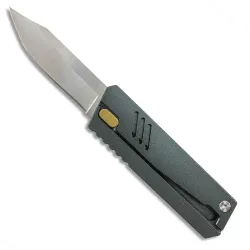
Everyday carry weapons come in many forms, but they all share a few core traits: compact size, easy access, and practical function. Folding knives are the most common choice, offering a balance of utility and personal protection in a pocket-friendly design. They are used for everything from opening boxes to emergency defense, which makes them a natural fit for daily carry.
Tactical pens are another popular option. They function as normal writing tools while also providing a solid impact point for close-range defense. Many people like them because they are discreet, lightweight, and accepted in places where larger tools might feel out of place. Multi-tools fill a similar role by combining small blades, drivers, and utility features into a single item that stays useful throughout the day.
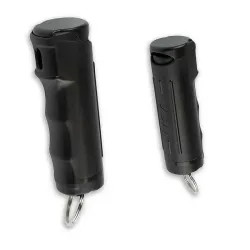
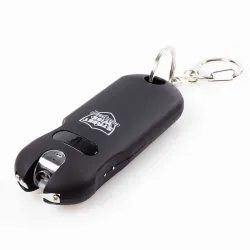
For those who prefer non-lethal options, compact stun guns and keychain shock devices are common EDC choices. They offer a way to create distance and deter an attacker without relying on a blade. Kubotans, small impact tools, and other pocket-sized defensive items round out the category. Each of these tools is designed to be carried consistently, giving everyday carry its practical meaning.
An EDC weapon is defined by how easily it fits into daily life. It is designed to be carried from morning to night without feeling intrusive. Pocket knives, tactical pens, small stun devices, and compact impact tools are built to live in a pocket, on a belt, or on a keychain. They move with you and become part of your normal routine.
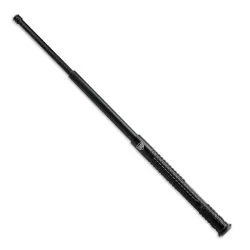
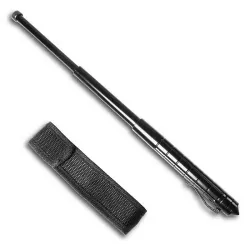
Regular self-defense tools tend to be more situational. Items like batons, larger knives, or dedicated home-defense gear are often carried only when someone anticipates a need for them. They may offer greater reach or power, but they are not always practical for constant carry. As a result, they are more likely to be left behind during ordinary errands or daily activities.
The difference is consistency. An EDC weapon prioritizes portability and comfort so it is actually there when you need it. A traditional self-defense tool may be more specialized, but if it is not with you, it cannot help you. Everyday carry gear exists to bridge that gap by providing realistic protection that stays within reach all day.
Even when an EDC item is legal in your state, there are many places where it may still be prohibited. Airports, courthouses, government buildings, schools, and event venues with security screening almost always restrict knives, stun devices, and impact tools. These locations operate under their own rules, and everyday carry gear is treated the same as larger defensive tools once it is discovered.
Workplaces and private businesses can also impose their own policies. A knife or stun device that is perfectly legal on the street may violate company rules or posted building restrictions. This is especially common in offices, medical facilities, and entertainment venues where safety policies are tightly controlled.
Because everyday carry is meant to follow you through your normal routine, it is important to understand where your gear must be left behind. Responsible carry means knowing not only what is legal in general, but what is allowed in the specific places you enter each day. Awareness prevents accidental violations and keeps EDC what it is meant to be: practical, low-profile preparedness.
An EDC weapon is typically an item that looks like what it is. A folding knife looks like a knife. A tactical pen still looks like a pen. A compact stun device is recognizable as a defensive tool. These items may be carried discreetly, but they are not disguised. Their purpose is visible, and most laws treat them based on size, function, and method of carry rather than deception.
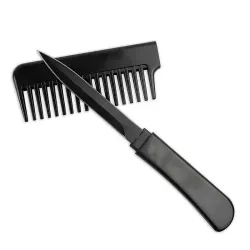
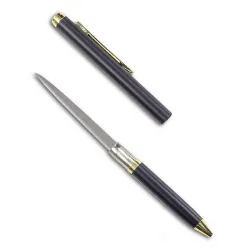
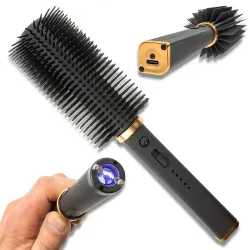
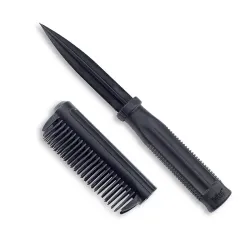
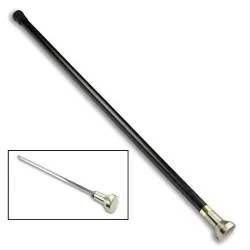
A concealed weapon, in the stricter sense, is designed to hide its true nature. A pen that contains a blade, a belt buckle with a hidden knife, or a comb that separates into a spike is meant to appear harmless. The defining feature is disguise. To anyone else, it looks like an ordinary object. Only the person carrying it knows it is a weapon.
That distinction matters both practically and legally. EDC gear focuses on convenience and accessibility for everyday use. Concealed weapons focus on discretion and surprise. Because disguised tools blur the line between ordinary items and weapons, they are often regulated more tightly. Understanding the difference helps users choose gear that fits their comfort level, environment, and legal boundaries while keeping everyday carry simple and predictable.
EDC weapons are particularly popular for people living in urban environments or those who travel frequently. These individuals may face safety concerns while commuting, walking to their car, or moving through crowded areas, where the threat of an unexpected attack can arise. Unlike firearms, which may be regulated or impractical for everyday carry due to legal restrictions or concealment requirements, everyday carry weapons provide a non-lethal alternative that can incapacitate an attacker long enough to escape. This makes everyday carry gear invaluable for those who wish to enhance their personal security without resorting to deadly force.
Knives
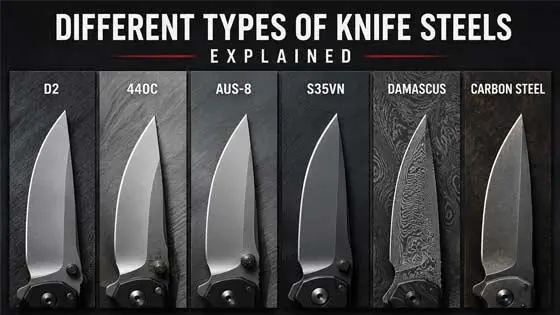
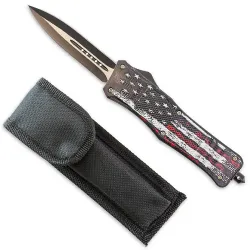
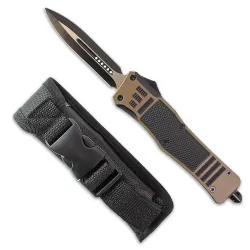
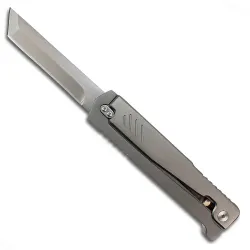
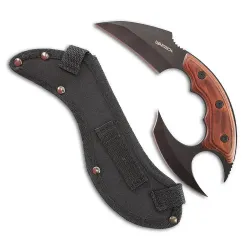
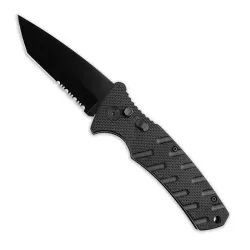
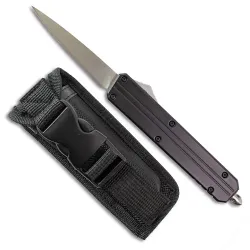
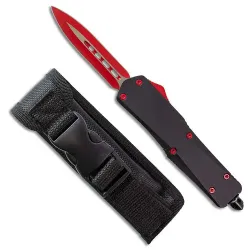
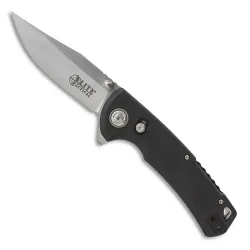
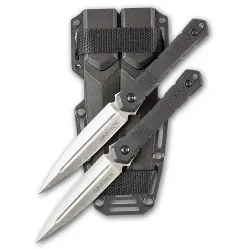
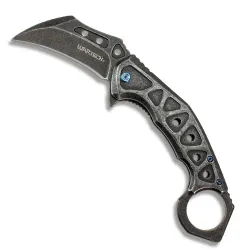
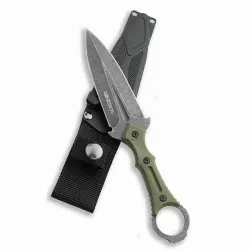
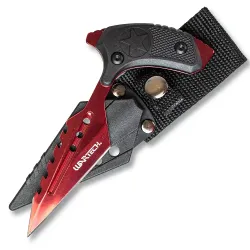
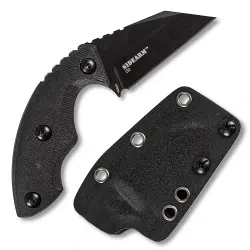
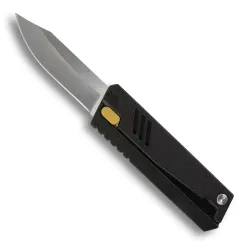
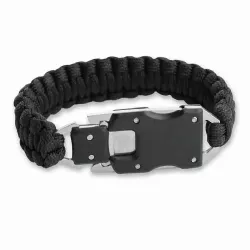
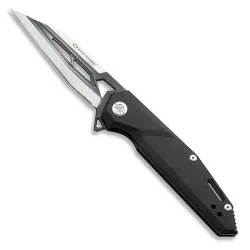
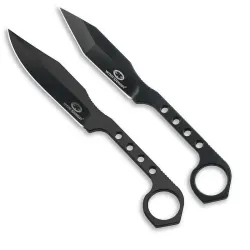
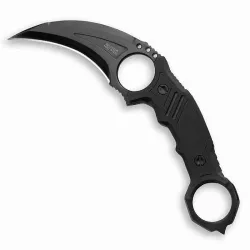
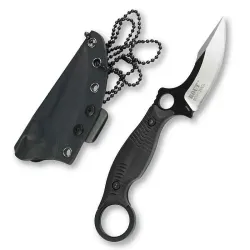
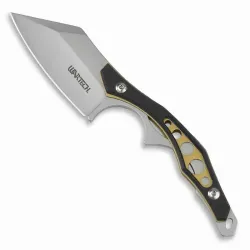
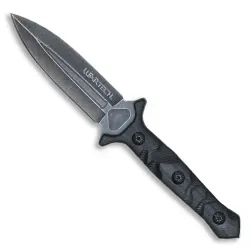
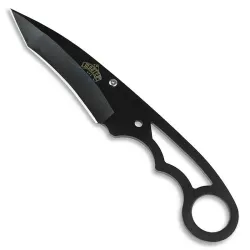
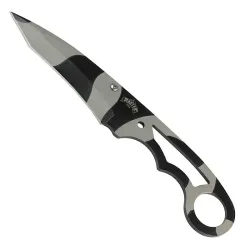
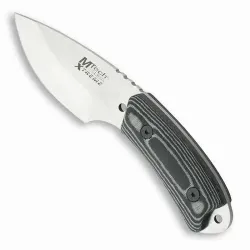
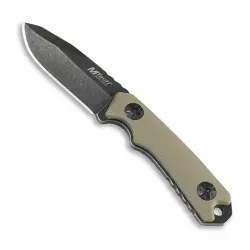
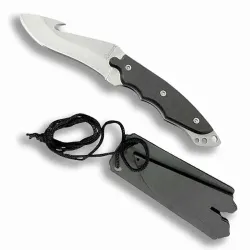
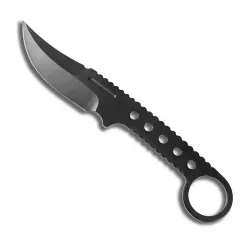
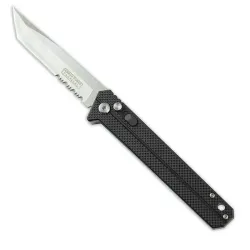
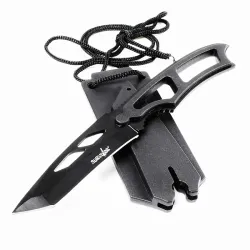
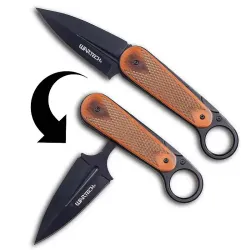
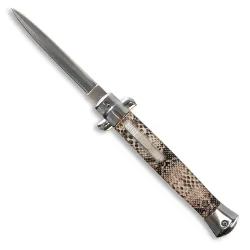
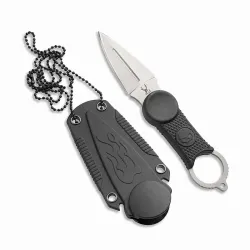
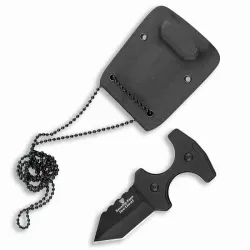
The most common types of EDC weapons are knives, which offer exceptional utility and tactical value. An EDC knife comes in a variety of forms, including folding knives, fixed-blade knives, and multi-tools. Folding knives are perhaps the most well-known EDC knife type, thanks to their portability, ease of carry, and one-handed operation. A high-quality folding knife can be clipped to your pocket, belt, or backpack, allowing for quick access when needed. Fixed-blade knives, on the other hand, offer greater durability and reliability. These knives, though more noticeable due to their rigid construction, are often preferred by survivalists and tactical professionals for their ability to withstand harsh conditions. Many everyday carry knife users appreciate fixed-blades for their strength and simplicity, as they have fewer moving parts, reducing the risk of mechanical failure.Multi-Tools
Multi-tools are another excellent addition to any EDC weapon collection. These versatile devices combine multiple tools into one compact unit, often including a knife blade, pliers, screwdrivers, can openers, and more. For someone who needs a tool that can perform a variety of functions in one compact form factor, a multi-tool is an ideal choice. Many multi-tools are equipped with locking mechanisms that secure the blade when opened, ensuring safety during use. Additionally, some models offer spring-assisted opening or one-handed operation for rapid deployment in self-defense scenarios. These multi-functional tools are great for anyone seeking a well-rounded EDC setup that balances practical utility with personal safety.Tactical Pens & Writing Tools
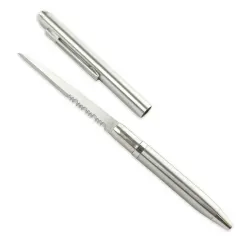
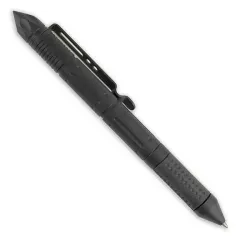
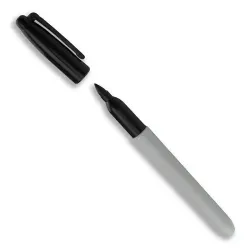
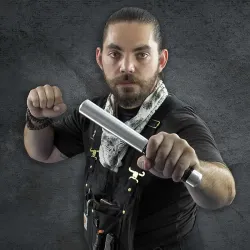
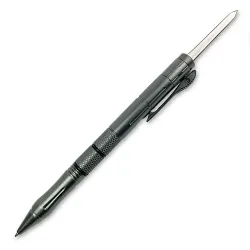
One of the most discreet everyday carry tools is the tactical pen. Designed to resemble a common writing instrument, tactical pens are often made from durable, high-strength materials like aluminum or stainless steel. These pens can be used for both self-defense and everyday tasks, making them ideal for those who want to carry a weapon without drawing attention. A tactical pen can be used to strike pressure points, apply blunt force to an attacker, or even break through glass in an emergency. Thanks to their unassuming appearance, tactical pens are perfect for individuals who prefer an inconspicuous weapon that is always at hand and readily accessible.Tactical Flashlights
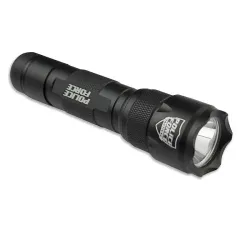
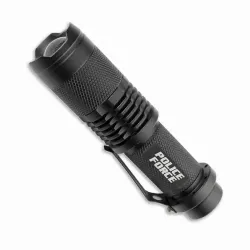
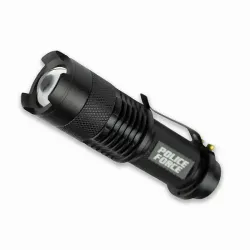
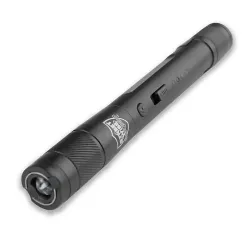
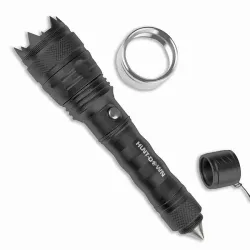
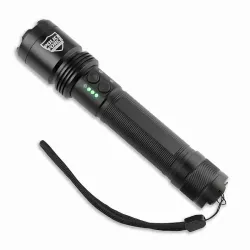
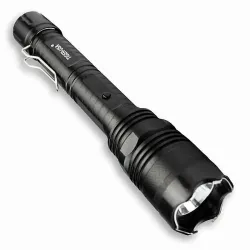
In addition to tactical pens, tactical flashlights are another widely used EDC item. Though their primary purpose is to provide illumination in low-light situations, these flashlights can also serve as powerful self-defense tools. High-lumen tactical flashlights emit a blinding beam of light, temporarily disorienting an attacker and providing the user with an opportunity to escape. Many tactical flashlights are designed with rugged construction, allowing them to function as impact weapons if necessary. Their portability and multiple functions make them a popular choice for individuals who value versatility in their EDC setup.Stun Guns & Shock Devices
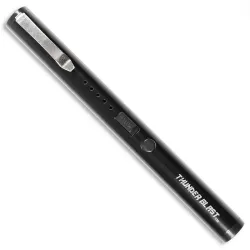
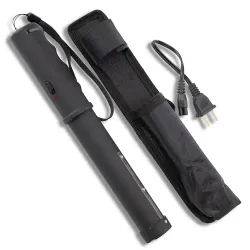
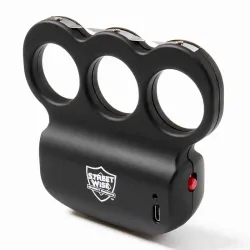
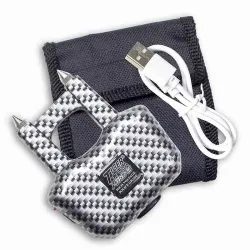
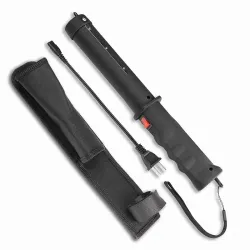
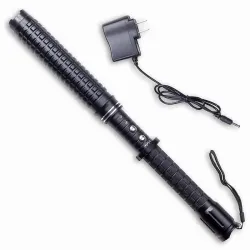
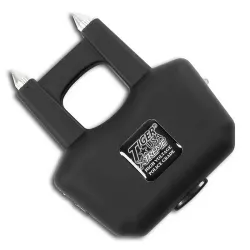
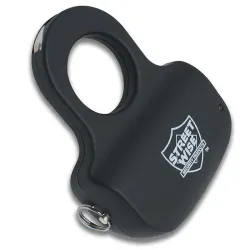
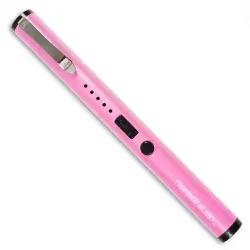
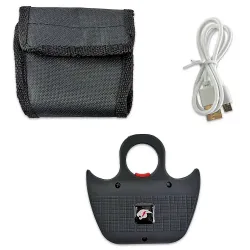
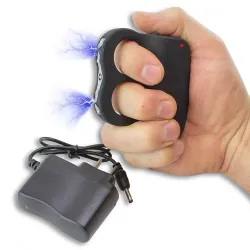
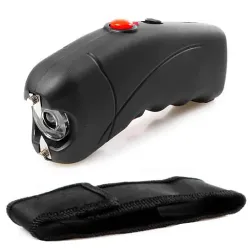
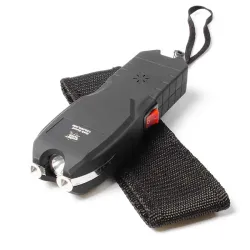
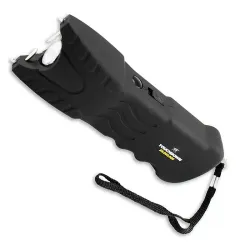
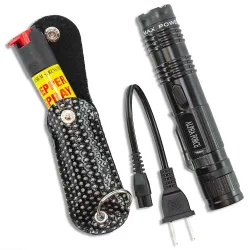
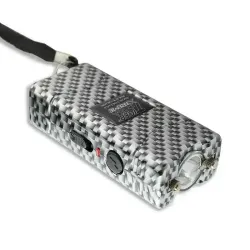
Stun guns are another non-lethal self-defense tool that has become a popular EDC weapon. These devices deliver a high-voltage electric shock to an attacker, causing temporary paralysis and pain. The shock from a stun gun can incapacitate an attacker long enough to allow the user to flee the scene and seek help. Stun guns are compact, easy to carry, and effective in situations where close-range self-defense is required. As with any weapon, however, proper training is essential to using a stun gun safely and effectively.Self-Defense Keychains
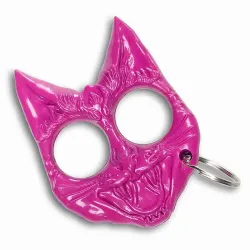
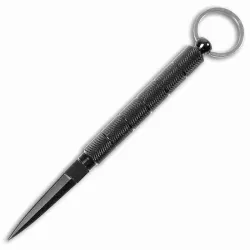
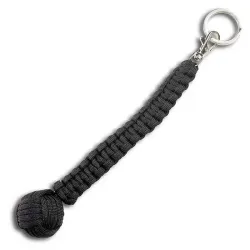
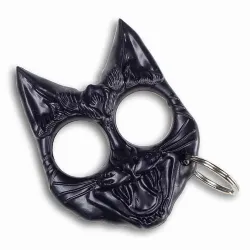
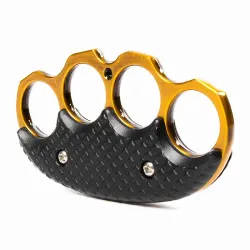
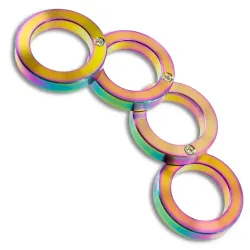
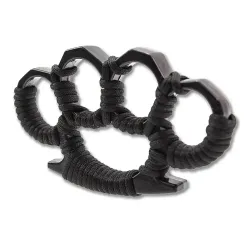
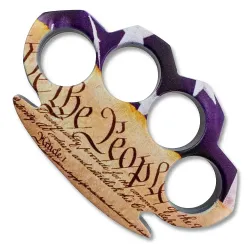
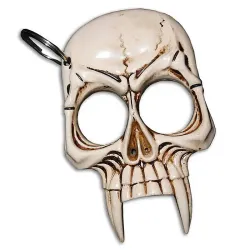
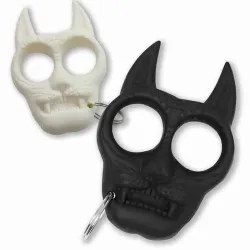
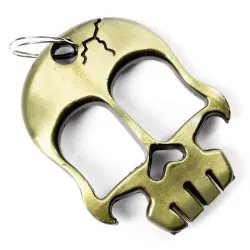
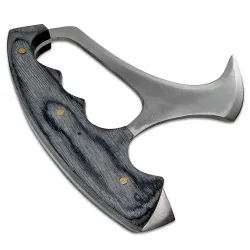
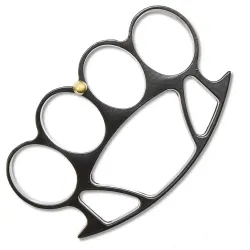
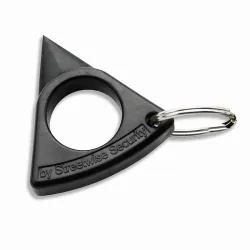
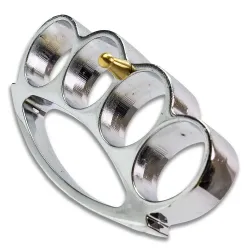
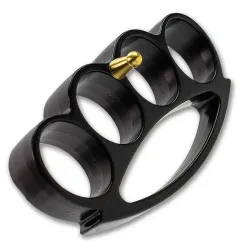
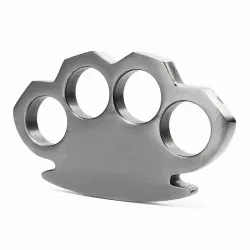
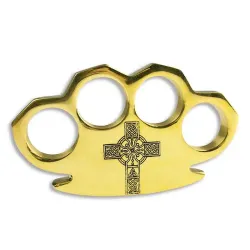
Disguised weapons like self-defense keychains and kubotans are excellent examples of EDC gear designed for subtlety and practicality. The kubotan, for instance, is a small, rigid rod that can be easily attached to a keychain. This weapon can be used to apply pressure to an attacker's pressure points, causing pain and distracting them long enough for the user to escape. Similarly, self-defense keychains are designed to be carried in hand and can be used to strike an attacker with force, delivering quick and effective protection without the need for elaborate techniques.How to Choose the Right EDC Weapon
When choosing an EDC weapon, it's important to factor in personal preferences, legal considerations, and ease of use. Everyday carry weapons should be lightweight and compact enough to be carried comfortably throughout the day, without being cumbersome or difficult to access in a stressful situation. Additionally, it's essential to be aware of local laws regarding the carry and use of these weapons. Regulations can vary significantly by jurisdiction, and it's critical to ensure that the weapon you choose is legal to carry in your area.
In addition to carrying self-defense weapons for personal safety, many martial artists integrate them into their training regimens. Martial arts disciplines such as Filipino Kali, Arnis, and Eskrima focus heavily on weapons training, including the use of knives, sticks, and other tools. Practitioners of these arts learn how to defend themselves with everyday carry weapons, emphasizing speed, precision, and effective use of available tools in a combat scenario. These systems teach blade awareness, tactical defense, and how to use various objects to defend oneself against an armed attacker. The knowledge and skills gained from such training can significantly enhance a practitioner's ability to effectively use EDC weapons for personal protection.
Incorporating personal protection weapons into your daily routine provides an additional layer of security and peace of mind. Whether you're walking to your car late at night, navigating crowded streets, or simply going about your day, having a tool at your disposal that can protect you in a dangerous situation can make all the difference.
When selecting an everyday carry weapon, it's essential to consider your specific needs and circumstances. Some people may prefer the functionality of an EDC knife, which offers both utility and self-defense capabilities, while others may opt for a more discreet weapon like a tactical pen or kubotan. No matter your preference, the goal is to select EDC gear that you feel comfortable with and that can be used effectively if needed.
Additionally, consider whether you want your self defense weapon to be concealed or visible. Items like tactical pens and flashlights are easy to carry in plain sight without drawing attention, while knives and stun guns may require more careful concealment to avoid unwanted scrutiny. Choosing the right balance of discretion, accessibility, and functionality is key to finding the ideal EDC weapon for your needs.
Lastly, training is an important aspect of effectively using any weapon. While many weapons are simple to use, understanding how to deploy them under pressure can make a significant difference in a real-world self-defense situation. Practicing with your chosen weapon, whether through professional training or self-study, can help you become more comfortable and proficient in using it when needed most. Everyday carry weapons, including EDC knives, tactical pens, and multi-tools, offer practical and reliable solutions for personal safety. By choosing the right tool and incorporating it into your daily routine, you can enhance your ability to protect yourself in a variety of situations. With the right weapon, you can feel confident and prepared, knowing that you have the means to defend yourself when needed.
What Does "EDC" Mean in the Context of Self-Defense Gear?
EDC stands for "Everyday Carry," and in the world of self-defense gear, it refers to tools that are small, practical, and comfortable enough to be carried as part of your daily routine. An EDC weapon is something you can realistically keep on you all day without it feeling bulky, awkward, or intrusive. It fits in a pocket, clips to a belt, rides on a keychain, or slips into a bag without changing how you move through the world.
The idea behind EDC is consistency. A tool that only gets carried occasionally is far less useful than one that is always within reach. Everyday carry gear is designed to become part of your normal loadout, just like your phone, wallet, or keys. It is there when you leave the house, when you stop for gas, when you walk to your car at night, and when plans change unexpectedly.
In this context, EDC weapons are not about preparing for extreme scenarios. They are about practical readiness. They balance size, comfort, and function so that personal protection becomes a habit rather than a special occasion. That balance is what separates true everyday carry gear from larger or more situational self-defense tools.
What Makes a Weapon Suitable for Everyday Carry?
A true everyday carry weapon has to earn its place in your pocket. If it is too heavy, too bulky, or uncomfortable to wear for long periods, it will eventually be left behind. The best EDC tools are compact, lightweight, and easy to integrate into your normal routine. They disappear into your clothing or gear without constantly reminding you that they are there.
Reliability is just as important as size. An EDC item should work the same way every time. Whether it is a folding knife, a tactical pen, or a compact stun device, it needs to deploy smoothly and predictably under stress. Complicated mechanisms or awkward shapes defeat the purpose of everyday carry because they introduce hesitation or fumbling when seconds matter.
Comfort and discretion round out the equation. Everyday carry gear should not snag on clothing, draw unnecessary attention, or interfere with normal movement. The goal is to carry something that feels natural, stays secure, and is always within reach. When a tool meets those standards, it becomes something you actually carry, not just something you own.
Are EDC Weapons Legal to Carry?
The legality of EDC weapons depends heavily on where you live and what type of item you are carrying. There is no single rule that applies everywhere. A small folding knife may be perfectly legal in one state and restricted in another. A stun gun may be allowed in some cities and prohibited in others. Even within the same state, local ordinances and building policies can change what is permitted in specific places.
Most laws focus on factors such as blade length, concealment, and the type of device. Items designed for everyday carry are often treated more leniently than larger or overt weapons, but that does not guarantee they are legal in every situation. Schools, government buildings, airports, and private businesses frequently impose their own restrictions regardless of state law.
Because of this, responsible carry starts with awareness. Anyone who chooses to carry an EDC weapon should take the time to understand their local regulations and the rules of the places they enter each day. The goal of everyday carry is preparedness, not problems. Knowing what is allowed ensures that your gear remains a practical tool rather than a legal risk.
What Are the Most Popular Types of EDC Weapons?
Everyday carry weapons come in many forms, but they all share a few core traits: compact size, easy access, and practical function. Folding knives are the most common choice, offering a balance of utility and personal protection in a pocket-friendly design. They are used for everything from opening boxes to emergency defense, which makes them a natural fit for daily carry.
Tactical pens are another popular option. They function as normal writing tools while also providing a solid impact point for close-range defense. Many people like them because they are discreet, lightweight, and accepted in places where larger tools might feel out of place. Multi-tools fill a similar role by combining small blades, drivers, and utility features into a single item that stays useful throughout the day.
For those who prefer non-lethal options, compact stun guns and keychain shock devices are common EDC choices. They offer a way to create distance and deter an attacker without relying on a blade. Kubotans, small impact tools, and other pocket-sized defensive items round out the category. Each of these tools is designed to be carried consistently, giving everyday carry its practical meaning.
What's the Difference Between an EDC Weapon and a Regular Self-Defense Tool?
An EDC weapon is defined by how easily it fits into daily life. It is designed to be carried from morning to night without feeling intrusive. Pocket knives, tactical pens, small stun devices, and compact impact tools are built to live in a pocket, on a belt, or on a keychain. They move with you and become part of your normal routine.
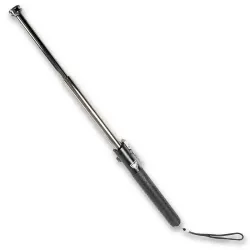
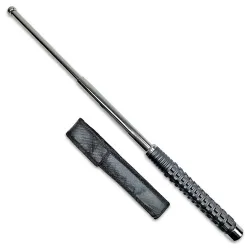
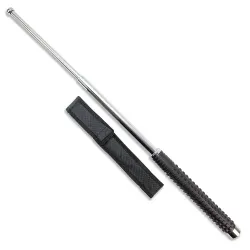
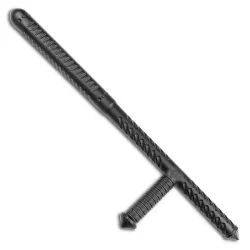
Regular self-defense tools tend to be more situational. Items like batons, larger knives, or dedicated home-defense gear are often carried only when someone anticipates a need for them. They may offer greater reach or power, but they are not always practical for constant carry. As a result, they are more likely to be left behind during ordinary errands or daily activities.
The difference is consistency. An EDC weapon prioritizes portability and comfort so it is actually there when you need it. A traditional self-defense tool may be more specialized, but if it is not with you, it cannot help you. Everyday carry gear exists to bridge that gap by providing realistic protection that stays within reach all day.
Where Are EDC Weapons Commonly Restricted?
Even when an EDC item is legal in your state, there are many places where it may still be prohibited. Airports, courthouses, government buildings, schools, and event venues with security screening almost always restrict knives, stun devices, and impact tools. These locations operate under their own rules, and everyday carry gear is treated the same as larger defensive tools once it is discovered.
Workplaces and private businesses can also impose their own policies. A knife or stun device that is perfectly legal on the street may violate company rules or posted building restrictions. This is especially common in offices, medical facilities, and entertainment venues where safety policies are tightly controlled.
Because everyday carry is meant to follow you through your normal routine, it is important to understand where your gear must be left behind. Responsible carry means knowing not only what is legal in general, but what is allowed in the specific places you enter each day. Awareness prevents accidental violations and keeps EDC what it is meant to be: practical, low-profile preparedness.
What's the Difference Between an EDC Weapon and a Concealed Weapon?
An EDC weapon is typically an item that looks like what it is. A folding knife looks like a knife. A tactical pen still looks like a pen. A compact stun device is recognizable as a defensive tool. These items may be carried discreetly, but they are not disguised. Their purpose is visible, and most laws treat them based on size, function, and method of carry rather than deception.
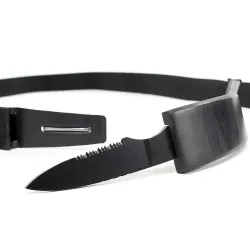
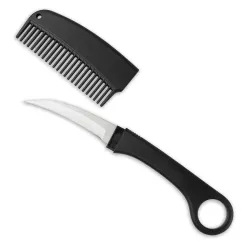
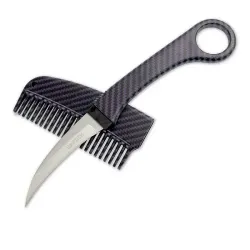
A concealed weapon, in the stricter sense, is designed to hide its true nature. A pen that contains a blade, a belt buckle with a hidden knife, or a comb that separates into a spike is meant to appear harmless. The defining feature is disguise. To anyone else, it looks like an ordinary object. Only the person carrying it knows it is a weapon.
That distinction matters both practically and legally. EDC gear focuses on convenience and accessibility for everyday use. Concealed weapons focus on discretion and surprise. Because disguised tools blur the line between ordinary items and weapons, they are often regulated more tightly. Understanding the difference helps users choose gear that fits their comfort level, environment, and legal boundaries while keeping everyday carry simple and predictable.